


Laser cutting has completely rearranged industries in terms of precision production and design. Having assembled unrivaled acuity and adaptability, this tool can no longer be delegated only to a handful of sectors, which include automotive or aerospace, textile or design industries. Since the technology has more than one impressive aspect, it is essential to ascertain its applicability compared to its need. This paper offers a comprehensive analysis of the benefits and drawbacks of using laser cutting, based on the fundamental science and economics of removing materials, and the disputes regarding the abovementioned processes. Whether you are trying to reduce the cost of lasing, increase your output, or advance the boundaries of your creativity, you have found the right guide to help you incorporate laser cutting.
Understanding Laser Cutting Technology

Laser cutting technology is a type of technology that uses a narrow beam of very high-energy light to cut, engrave, or alter materials with extreme precision. Essentially, manipulating the laser through the lens helps strike the material, which causes heating, liquefaction, or vaporization along the set course. Moreover, this incredible technology has been embraced due to its flexibility in processing speed and the wide range of processed materials, including certain metals, plastics, timber, or glass. It is known to be very eco-friendly and allows very little material waste. For instance, this technology enables very intricate shape cutting, and as a result, it is widely adopted in the manufacturing, aerospace, and design sectors. Yet, maintenance and safety are still essential in maintaining good health and safety standards.
What is Laser Cutting?
Laser cutting is when a concentrated laser beam is directed to cut, engrave, or cause shape alterations on given materials. One main benefit of laser cutting is that its high-energy beam can melt, vaporize, or burn a particular material area following a predetermined path for achieving the required designs. Laser cutting is mainly applied in different industries, such as manufacturing, automotive, electronics, and others, as it is efficient and can achieve complex designs with reduced material waste issues.
How Laser Cutting Works
Laser cutting is achieved by propelling a beam of light aimed in a specific direction, most commonly done by the CO2, fiber, or crystal-based modes of operation, which focus on the material being cut. This thermal energy from the laser can either melt, burn, or vaporize away the material. A high-pressure assist gas (for example, oxygen, nitrogen, or air) is let out to aid in cleaning cuts and getting rid of the melted material.
The activity starts with implementing the CNC (Computer Numerical Control) program or any specific laser control software that can read in the design and execute the cutting. This is necessary for utilizing machine tools in cutting accuracy indicated levels of as low as ±0.1mm with ease, especially in making complex parts. Usually, this can cause a speed of 20 meters per minute, which producers can use to increase production.
Current lasers for cutting have additional capabilities, such as sensors that help monitor the operation, the ability to focus on the image, which in most cases are CNC, and the ability to adjust the power to suit any application demand. Fiber lasers have proven to be quite effective in cutting metals such as steel, aluminum, and copper, where fiber lasers provide an intense beam with an inaudible high wavelength well absorbed by the metal. Additionally, kerf is minimized and polished using aspects of laser cutting and metal treatment, having mechanical properties that are particularly flexible, and enhancing the removal of tree substance after these processes.
Types of Laser Cutting Machines
|
Type |
Wavelength |
Materials |
Advantages |
Disadvantages |
|---|---|---|---|---|
|
Fiber |
~1.06 μm |
Metals |
High precision, low maintenance |
Limited for non-metals |
|
CO2 |
~10.6 μm |
Non-metals, some metals |
Versatile, cost-effective |
High maintenance |
|
Nd: YAG/YVO |
~1.064 μm |
Metals, ceramics |
High precision, durable |
Expensive |
|
Diode |
~0.9-1.1 μm |
Thin metals, plastics |
Energy-efficient, compact |
Limited thickness |
Key Advantages of Laser Cutting
Precision in Laser Cutting
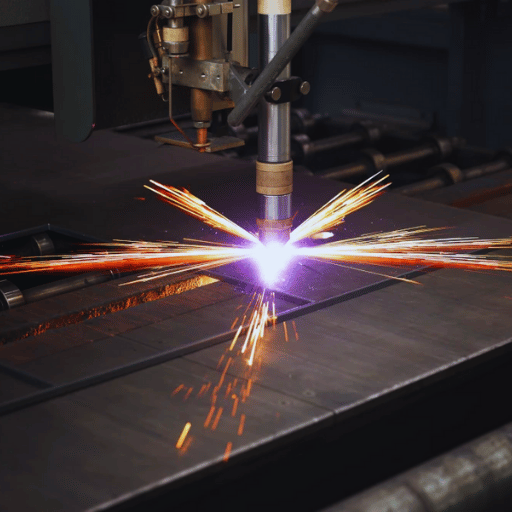
Laser cutting is a quality mark for very high precision standards, which can be up to ±0.003 inches (±0.076 mm) or less, depending on the material and the type of machine in use. The high precision is associated with the thinness of the laser cutting beam, so if it is 0.1mm in diameter, it can be used for deep cuttings, which are often impossible with standard cutting techniques. The high precision in laser cutting reduces material wastage, making it appropriate for complex applications, such as electronics, medical, and aircraft components.
Furthermore, contemporary enhancements in CNC (Computer Numerical Control) allow added consistency by minimizing secondary variations. This helps because making the same part requires the same action as the previous. The machines are also good at reducing defects as they can machine many parts using the same process, and hence, the certification for all parts cut is equal. Given the capacity to work on such complex geometries and various materials, laser cutting is vital in sectors that require extremely high levels of precision.
Speed of Laser Cutting Processes
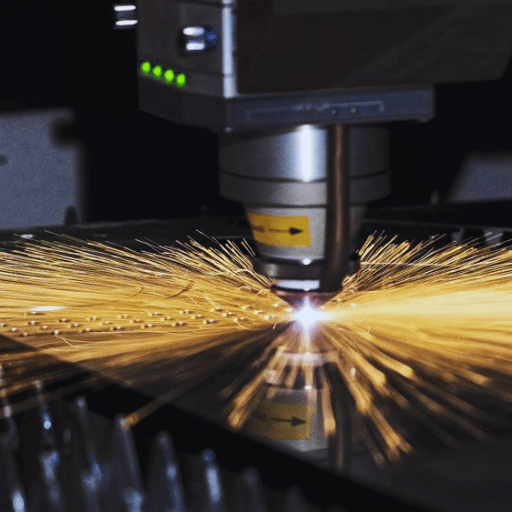
Laser cutting speeds can greatly vary due to many factors such as the type of cutting laser, the material being cut, its thickness, and even the shape of the cut. This is why the name ‘fibre’ and CO2 are mostly mentioned in discussions of these topics. Fiber lasers generally have the upper hand when speed and efficiency are primary considerations, especially for most metals. A fiber laser can achieve 20 meters per minute when cutting 1mm stainless steel, unlike CO2 lasers, where speeds are much lower for such materials and lower thickness.
The nature of the processed material is also of great importance. Denser non-metal materials, such as acrylic and metals, can take longer to cut compared to lighter materials like wood. Thinner workpieces take less time than thicker workpieces, especially smaller thicknesses of around 6mm carbon steel, which are processed faster than 12mm carbon steel because less energy in the form of light is necessary.
Cutting speeds have been especially increasing for thermal cutting processes due to developments in laser technology, such as intense fiber lasers and better laser paths. The stainless steel processing rate of sound quality systems has increased by about 70–100% compared to the previously used equipment. This enhances the efficiency and reduces the otherwise increased energy consumption, ensuring that manufacturing becomes more intelligent and sustainable.
Versatility of Laser Cutting Applications
Laser cutting is a highly versatile technology that can be applied in different industries due to its flexible capabilities. It finds application in various industries for cutting intricate parts for automobiles and producing strong and lightweight components in the aerospace industry. It is also used massively in electronics to make micro and exact circuit boards and in the medical field to create special surgical apparatuses. Furthermore, creative professions such as fashion, which benefit from material manipulation, can be said to benefit from such technology in the creation of elaborate designs. Moreover, the technology gives several workable materials, including metals, plastics, and composites, making it even more versatile.
Common Inconveniences of Laser Cutting
Cost Implications of Laser Cutting
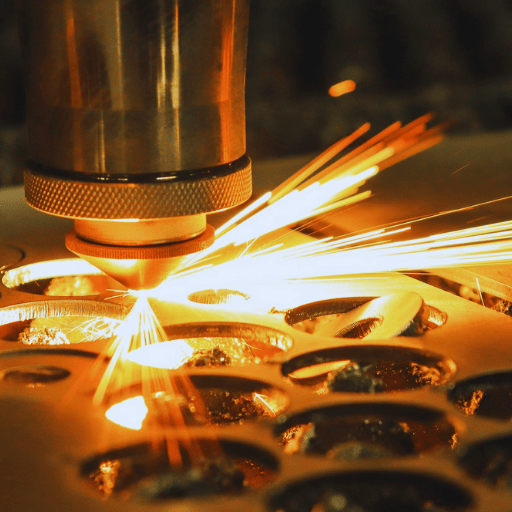
The cost of laser cutting heavily depends on several underlying factors such as design intricacy level, material type, dimension, and the brand of the machine. Costs of setting up the operations are also a focal point, as the machinery used in the cutting operation, such as professional laser cutters, is expensive. Also, the running categorical costs, like electricity and the required laser tubes, periodically increase the operating budget. The returns are good, especially in more quality and quantity-oriented industries. For instance, laser cutters produce less waste, and the equipment is high-speed. Those should make up for the investment utilized in the inception phase.
Material Limitations with Laser Cutting
Laser cutting technology is not without its limitations, as the use of certain materials may be complicated. Reflective metals like copper and brass can reduce the efficiency of the laser since their surface tends to reflect, rather than absorb, the laser light, leading to damage to the tool. Moreover, materials containing chlorine, like PVC and other chlorinated polymers, are incompatible with laser cutting since they generate harmful fumes upon heating and thus pose a danger to humans and the environment. And finally, let me tell you that in some cases, very thick material can interfere with the curvature of the laser-cut pattern issued and lead to tearing or heavy energy waste. Hence, it is crucial to carefully pick out the materials to ensure the laser cutting’s security, yield, and effectiveness.
Safety Concerns Related to Laser Cutting
Laser cutting, although it has the advantage of being highly efficient and versatile, has some safety concerns when utilizing the equipment, and this has to be addressed if the safety of the operator and the equipment is to be guaranteed. One of these risks is the dust and fumes during the cutting process. There are research findings that show specific materials, such as acrylic, polycarbonate, and polyvinyl chloride, produce nonmethylated volatile organic compounds (VOCs) and fine particles, causing the first symptoms of respirable diseases and prolonged therapeutic disability in the event of inhalation of these substances. Effective fume extraction and filtration systems are more critical to control these effects, as such systems would help remove hazardous substances from the working environment, which is why emphasis will be placed on elevated contamination.
Moreover, laser systems used for cutting constitute another risk of fire outbreak, as cutting entails exposure to very hot temperatures. For instance, wood, paper, and some types of ‘sensitive’ composites may burn very fast due to poor handling, accentuated by the risk control method that includes fire doors and dampers, and hence the need for their constant presence at all laser cutting operations. Finally, problems with vision are likely to occur due to a leading or reflected laser beam, which can cause permanent loss or a sharp decrease in vision. In this case, it would be better to wear goggles whenever operating the laser systems, with the old traditional style of boxes.
Furthermore, the same data even addresses the factor of the correct equipment adjustment. A laser system that is misaligned or not well maintained might make the beam move within the plane or turn it, making it focused on the wrong spot, thus increasing the chances of harm to material, damage to the machine, or a person, or prematurely firing the laser. Inspections and compliance with the manufacturers’ guidelines are crucial to mitigating these risks. By emphasizing these safety priorities, the workplace is made safer while avoiding issues such as inefficiencies.
Comparative Analysis with Other Cutting Methods
Laser Cutting vs. Traditional Cutting Methods
|
Parameter |
Laser Cutting |
Traditional Methods |
|---|---|---|
|
Precision |
High |
Medium-Low |
|
Speed |
Fast |
Medium-Slow |
|
Versatility |
Broad |
Limited |
|
Automation |
High |
Low |
|
Material Use |
Efficient |
Varies |
|
Cost |
Medium-High |
Low-Medium |
|
Thickness |
Limited |
High (specific methods) |
|
Waste |
Minimal |
More |
|
Setup Time |
Low |
High |
|
Tool Wear |
None |
Present |
Fiber Laser vs. CO2 Laser Technology
|
Parameter |
Fiber Laser |
CO2 Laser |
|---|---|---|
|
Speed |
Faster |
Slower |
|
Energy Use |
Efficient |
High |
|
Material |
Metals |
Non-metals |
|
Thickness |
Thin |
Thick |
|
Edge Quality |
Precise |
Smooth |
|
Maintenance |
Low |
High |
|
Cost |
High upfront |
Lower upfront |
|
Lifespan |
Long |
Short |
|
Noise |
Quiet |
Noisy |
|
Setup |
Simple |
Complex |
Applications Best Suited for Laser Cutting
- Metal Fabrication: Besides cutting, engraving, and shaping the metal, fiber laser technology is used to form objects out of steel, aluminum, and titanium with particular accuracy.
- Automotive Industry: Utilized in making automotive parts, which have complicated designs and are made of light materials.
- Electronics: The necessity for synthesizing intricate parts used in making circuitry sections and consumer electronics.
- Aerospace: On landing huge aircraft, Aerospace embeds smaller volumes of advanced materials.
- Signage: Imperially advantageous, particularly to acute, narrow, and precise cutting of acrylic or wooden material for making business signs.
- Medical Field: Companies that continue to produce. The foundry has been concentrating on industries such as educational training establishments in certain areas.
Conclusion: Insights and Recommendations
Summary of Advantages and Disadvantages
Advantages:
- Precision in the fabrication design of different materials can be achieved.
- Innovation that can be employed across a broad range of industries, like aerospace, healthcare, and interiors.
- Ability to fabricate delicate parts with high material savings.
- The streaming in the factory is done at a faster pace and in a more routine manner.
Disadvantages:
- Inception and running cost investments are too high.
- These have to be operated by well-trained operators.
- There are limitations when it comes to processing some types and thicknesses of materials.
- The process may be slower compared to other methods in some applications.
Recommendations for Businesses Considering Laser Cutting
- Assess Your Production Needs: Consider whether laser cutting is suitable or beneficial to the types of materials, the volumes of projects, and your precision requirements.
- Evaluate Costs: Consider the capital expenditures, operating costs, and the benefits of the investment from the production.
- Ensure Operator Expertise: Consider allocating a budget for instructors or recruiting experienced operators and technicians to maintain the laser cutting devices.
- Research Machine Specifications: This decision is beneficial when searching for laser cutters with the desired thickness, precision, and cutting speed.
- Analyze Industry Applications: To convert current ideas into practice, look into previous areas and cases where laser cutting was employed in a company’s field.
- Plan for Maintenance: Include measures to limit equipment breakdowns and extend its operational life.
Future Trends in Laser Cutting Technology
Paper cutting tools are adapting to meet the requirements of precision, cost-effectiveness, and safeguarding the environment. Among the key changes are the application of artificial intelligence (AI) and automation capabilities, which help minimize errors while improving the efficiency of operational logistics. Advances in fiber laser technology ensure greater efficiency in use and lower costs for the same output compared to conventional CO2 lasers. Furthermore, the software transitions have enhanced the ability to create and analyze designs and track the cutting process and other production stages. Energy conservation and avoiding material wastage are topping the agenda with eco-friendly designs. The existing paradigms envisage transitioning to more innovative manufacturing processes and green production technology solutions.
Frequently Asked Questions (FAQs)
Q: What are the main advantages of laser cutting?
A: Laser cutting is strictly advantageous since it offers a high level of cutting effectiveness combined with the ability to work with almost all types of materials and no damage caused by heat at all. This also has to do with the fact that the material is already nearly cut by laser, significantly simplifying the subsequent treatment.
Q: What are the disadvantages of laser cutting?
A: Laser cutting’s disadvantages are mainly the high financial barriers presented in the form of the initial investment in the equipment and the problem of cutting thick materials. Furthermore, some elements are a challenge, especially when they are made of reflective coatings, where the most likely incident is that the laser cutting head may get permanently damaged.
Q: How does a laser cutter compare to other cutting methods?
A: Although the quality of the work done by other methods like plasma cutting or flame cutting may surpass that of laser cutting, being a very sophisticated and precise technique, it most likely will cost more and have less effect when it comes to very thick materials, unlike mechanical cutting.
Q: What types of materials can be cut using laser cutting?
A: Lasering refers to cutting materials such as metals, plastics, wood, and composites. These materials can have complicated figures printed on them, requiring this kind of technology for numerous tasks.
Q: What is the cost of the machine for laser cutting?
A: The cost of acquiring a laser cutting machine varies widely based on capacity and specifications. More productive laser cutters for intensive cutting command a steeper price but offer advanced performance and cutting abilities.
Q: Can laser cutting be used for thick materials?
A: While laser cutting can be used for thick materials, its efficiency is based on the laser cutter’s power and the type of material. High-power lasers are effective at cutting thick materials, unlike low-power ones.
Q: What are some alternatives to laser cutting?
A: Other cutting methods include plasma cutting and water jet cutting. Each has advantages and disadvantages. Plasma cutting is better for thicker material, while water jet cutting is preferable for cutting material without destroying it with heat.
Q: How does the cutting accuracy of laser cutting compare to other methods?
A: Laser cutting, as the name suggests, is very accurate, surpassing the accuracy capabilities of other cutting technologies. With tight cut tolerances and great design possibilities, laser processing can fulfill the highest requirements of any type of laser work.
Q: What are the pros and cons of using laser cutting for industrial applications?
A: The pros of using laser processing in manufacturing are fast speed, high precision, and the ability to process a wide range of materials. However, it can also be in a negative light, especially when the cost of setting up is considered, as well as the sanitary aspects of reflective materials on the cutting component of the installed laser.
Q: What should a machine operator know when using a laser cutter?
A: A machine operator ought to learn the necessary safety instructions and precautions, which include the correct dress code, the environment, and the equipment’s abilities. They should also know about the material under consideration and anticipate possible issues, such as restrictions regarding sharp objects that may damage the laser cutting head due to over-energy absorption from highly reflective materials.
Reference Sources
1. A Comprehensive Examination of the Effects of Laser Cutting Parameters on Metal Surfaces and Kerfs (Alsaadawy et al., 2023, pp. 1039 – 1074)
- Key Findings:
- The paper noted the prevalence of the information available concerning how laser cutting parameters affect metal surfaces and kerfs.
- It has been pointed out that predicting laser cutting quality also requires appreciating the internal cutting process intricacies and how this information can be used in conjunction with optimizing cutting parameters.
- Methodology:
- Ayanda Olushola Code conducted a comprehensive literature review of the investigations published in the last five years.
- In this review, we examined the behaviour of laser power, laser speed, and oxygen pressure regarding the mentioned qualities: perpendicularity deviation during the cut, cut side roughness, kerf width, and dross formation.
2. Precision Cutting Technologies Advances (University of Washington)—This section of the paper focuses on the practical performance available when using selectively formed laser beams to cut complicated or very simple structures.


