


Salicylic acid, being an indispensable compound in both chemistry and pharmacology, is widely adapted in many areas of the society. In science or engineering, for any given substance, the determination of its melting point is very important – in fact, it determines how “pure” a substance is, how degradable or stable it is, or what it does if it is functional. In all these cases, the melting point of salicylic acid has to be established in order to ensure the quality of the products. In this section of the text, we shall focus on the significance of salicylic acid melting point as it pertains the acetylation of salicylic acid to produce aspirin and demonstrate how this characteristic can hinders the universal application of the compound. Join us as we travel the world of science, it’s history, and tells some amusing trivia related to melting point.
Introduction to Salicylic Acid
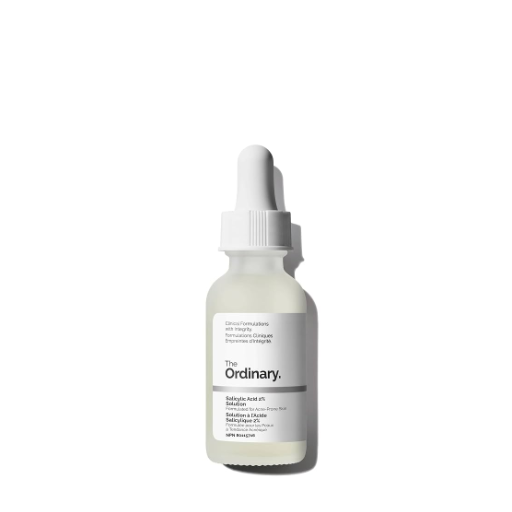
Salicylic acid, also known as 2-hydroxybenzoic acid, is a naturally occurring compound and is thus derived from plants, mostly willow bark. Acetylsalicylic acid is widely recognized in the fields of cosmetics and pharmaceuticals, acting as an intermediary in the synthesis of aspirin and Aminosalicylic acid. Salicylic acid is mainly targeted to dermatological clients due to its successful redistribution and positive responses to acne, psoriasis, and warts. In addition, it has played a key role as an intermediary in several synthetic manufactory manipulation processes and a preformulation strategy.
Overview of Salicylic Acid
Salicylic acid is a beta-hydroxy acid (BHA), hence it is characterized by its ability to penetrate the pores and dissolve the skin that holds the dead cells so that they are detached. Therefore, without causing any irritating effects, the skin exfoliates slightly as the closed pores open, making it an efficient treatment for acne. This product, which contains salicylic acid and also has antitussive effects, helps users reduce skin redness. Dermatological science’s gratitude for the utilization of salicylic acid does not stop here. It is precisely salicylic acid’s molecular constitution that makes this hydroxy acid very special. Salicylic acid is further utilized in pharmaceutical applications, as it is a precursor to aspirin. For these reasons, both dermatological science and pharmaceutical science cannot exist without this compound.
Significance in Pharmaceuticals and Skincare
Depending on the field of application, salicylic acid is highly attractive for dual availability for both pharmaceutical and skin care. As acne and other skin conditions have recently come under the scope of searching, usage, and efficiency of the acids and more invigorating resources have become increasingly appealing to consumers. It has been proven that it exfoliates the skin, prevents blockage of the pores, and redness. Different forms of this molecule and its analogues, such as aspirin, are known to attenuate distress in pain or reduce degrees of inflammation and are frequently used as pharmaceutical agents. Аbove reasons, the acetylsalicylic acid chemicals enjoy high respect in their use in today’s world, starting from being mere skin treatment cosmetics up to life-saving drugs.
Importance of Physical Properties
Considered as the most used raw material for aspirin in the industrial sector, compared to its applications because even salicylic acid also dubbed as ortho – hydroxy benzoic acid with formula HOC6H4COOH, having an approximate weight of 138.12 g/mol, exists as white needle-like crystalline or powder, and the 158-161°C melting point is necessary for medicinal formulations to remain viable. This acid dissolves minimally in water, and only manages to dissolve at a rate of about 2.24 g/L at 20 °C. When compared to organic solvents such as ethanol or acetone, these substances can be seen dissolving more effectively.
The enhanced dissolution plays a crucial role in the efficacy of many skin care products. For example, smaller particles that can pass through the stratum corneum layer of the skin are necessary to clear clogged pores and achieve the keratolytic effect. Resisting a change of state is crucial in maintaining the activity of substances when applied orally or topically. Over the preceding 10 years of consistent studies, there have been examples of increased bioavailability and activity resulting from the physical structure of size reduction. This is also the logical conceptual framework in beauty and health sciences for incorporating their truncated physical parameters.
The Melting Point of Salicylic Acid
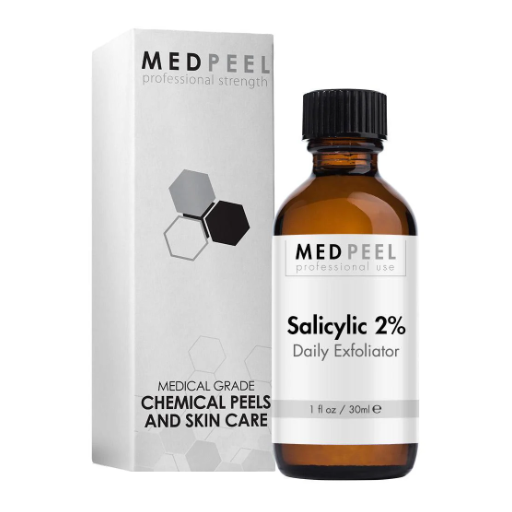
The melting point for salicylic acid is about 158-161°C (316-322°F).
Being at this range of melting point, there comes a standard atmospheric pressure that ensures the stability of this compound. This further contributes to its burning time in pharmaceutical and cosmetic preparations.
Definition and Explanation of Melting Point
One method that is commonly used by some companies and that is usually more sophisticated than it is easy to get value from it is when the pore volume is generated to describe the material based on the absorbed and desorbed material between the two pressure limits such as 0.2 and 1.0 and the so called percent total pore volume. That is also varied by the fact that systems with MBs microarchitecture, which are highly multi-layered, have C02 with very thick interfaces, which are pore filling zones. This technology has the capability to offer a modulus that either suits industrial requirements or enables the production of such systems in clinics. In some studies, the binding energy of Zeolite X at different photolysis cycles is calculated by identifying the three components, such as the coke, the acidic, and the basic groups, as well to illustrate the material’s structure further and to further expound on this point.
Verified Melting Point Range
Recording time and scientific studies have again reported the melting point of salicylic acid as always ranging between 158 and 161°C (316 and 322°F). Various studies and laboratory tests give more credence to the application of this precisely constrained range in the formulation of pharmaceutical and cosmetic products. Sticking to this range assures the stability and integrity of the compound during processing and use.
Factors Influencing Melting Point
Several factors affect the melting point of salicylic acid and all such compounds. Below are some of the five common ones:
1. Purity of the Compound
Impurities, such as salts and esters of salicylic acid, typically cause a drastic drop in the melting point or a range of temperatures. To have a pure salicylic acid with the certified range of 158-161°C, purity must be ensured.
2. Crystal Structure
The molecular configuration within the crystal lattice determines the melting behavior. Generally, highly ordered and stable crystal lattices tend to have higher and more consistent melting points.
3. Hydration and Solvent Residue
The melting point is affected by the presence of water or residual solvent in the compound. In principle, hydrated or solvated forms of salicylic acid would display thermal behavior quite differently from the anhydrous form.
4. Rate of Heating
The rate of heating during melting point determination often influences the actual melting point. A rapid temperature increase can lead to falsification or deviation in the determination of the melting point.
5. Atmospheric Conditions
The external conditions may also affect a melting point reading, including pressure and humidity. For example, an ambient humidity variation due to an unstable thermal condition might be considered slight if the compound is hygroscopic.
All these factors, when considered both experimentally and industrially, must be controlled to ensure the repeatability of the results.
Why is the Melting Point Important?
Since one of the fundamental properties that helps define and recognize various substances is their melting point, evaluating it has been and remains very important. Also, some materials require melting point for assessing the quality of a substance, as defects in the body usually decrease the concentration of the mp or widen the mp range. The temperature at which a solid changes into a liquid is used in many industries for these reasons as well. The melting point values should be applicable only in a broader context, such as chemistry and materials science, for pharmaceutical applications. If the material matures, these figures determine how effectively its application will be.
Role in Quality Control
The significance of melting points is evident in various sectors that require an efficient quality management system. In addition to what is formulated, most of the components are verified to be what they claim to be. As expected, the materials are found to be in line with the primary specification and grade. Melting points and the components in their respective ranges permit a well-defined preparation of drugs. Variation in required melting points may be connected with contamination or the presence of impurities resulting from improper reaction or decomposition. The sustainability of any traditional test is enhanced whenever other improvements in analysis are taken into consideration to improve precision, benefiting manufacturers and compliance purposes. This level of precision is also behind the reason why the company can easily maintain the quality level of its products, allowing it to enjoy unimpeded confidence from customers, who recognize that the products are indeed used for their intended purpose.
Implications for Storage and Handling
Drugs often come with specific instructions on their storage, as their efficacy may depend on it. For example, some drugs can safely sit on the shelf at room temperature, typically ranging from 68°F to 77°F (20°C to 25°C); others should be stored within a range of 36°F to 46°F (2°C to 8°C). Aggressive temperature zones on both sides will really exacerbate or boost the effect of deterioration or deactivation of the active ingredient, hence it becomes essential to consider the formulation, packaging, and material handling aspects so they are shielded from light and moisture exposure.
In several industries, particularly with the widespread adoption of the latest technological advancements globally, real-time monitoring of environmental services has become increasingly necessary. The balances in these instruments immediately mark any change in temperature or humidity, thus making compliance very easy. If the product requires a specific temperature, then temperature-controlled logistics would be beneficial in protecting it throughout the distribution process.
Storage and handling procedures should be adhered to for an extended period to ensure the firm’s goods, staff safety, and effectiveness are maintained. This will minimize inefficiencies, ensure that procedures are followed to the letter, and prevent any instances of customers losing trust in a product that they care deeply about.
Impact on Product Formulation
The necessity of safeguarding the product’s quality in the light of specific environmental conditions is undoubtedly the one thing that may lead to the development of a given formula. It is essential to fall back on working out the ingredients selected for the product very thoroughly, as well as the chosen type of packaging from which the product is to be sold, to meet the given standards, such as the temperature and relative humidity that are involved in the distribution of the product. Manufacturers lay more emphasis on super plasticizers, coatings, or even more so, preservatives and other protective coatings in their products, for it can prevent their products designed for road from spoiling while on the move or due to inactivity. Everything mentioned above facilitates the longer preservation of the shelf, increases the product’s profitability, reduces the chances of quality deterioration, and ensures that the user indeed experiences the intended design of the product.
Methods to Determine the Melting Point
Capillary Tube Method
A very generic method involves placing a small amount of the substance into a fine glass tube, followed by the gradual heating of the substance within the tube. The temperature at which a substance changes from a solid to a liquid is recorded as its melting point.
Hot-Stage Microscope Method
Using this method, the melting process can be observed more accurately through a microscope equipped with a heating stage, allowing for more precise temperature readings.
Automated Melting Point Apparatus
These melting point apparatuses are high-precision and highly efficient for observing melting points. During measurement, the sample is heated automatically, and the melting point is determined by measuring the change in optical properties or conductivity of the sample, or by measuring the change in conductance.
Cooling Curve Method
This method involves recording the temperature variations inside the solution as it cools and identifying the melting point from the beginning of solidification to its completion.
Each method has varying applications, with a guarantee of yielding accurate results and minimizing error in determining a substance’s melting point.
Overview of Measurement Techniques
Melting point determination relies on several procedures, each serving a specific purpose and yielding valid results. Herein, five standard measurement methods are examined in detail:
- Capillary Tube Method: A small amount of the substance is introduced into the capillary tube, and it is gently heated with the recorded temperature of melting onset and considered very simple and accurate, thus quite common in a laboratory setting for routine measurements.
- Thermal Analysis (Differential Scanning Calorimetry – DSC): This sophisticated technique measures the amount of energy a substance absorbs or releases during heating, thereby determining the melting point. Highly accurate and ideal for analyzing small sample sizes, this method is the preferred choice in the chemical and pharmaceutical industries.
- Hot Stage Microscopy: Under the microscope, the substance is heated and observed to visualize the melting process. It works best for complicated materials, providing real-time visuals of melting, which is very accurate.
- Electrical Conductivity Method: This technique monitors changes in the electrical conductivity of a substance during its phase transition from solid to liquid. Limiting the method only to those substances that have clear-cut conductivity changes, thereby offering definite measurements.
- Cooling Curve Analysis: This method records the temperature changes of a substance as it is cooled, allowing the melting point to be deduced from the resulting freezing pattern. This method is primarily used for phase transitions when direct measurement of salicylic acid concentration is not feasible.
Capillary Method vs. Differential Scanning Calorimetry
The capillary method has a much longer tradition and is cost-effective for the determination of melting points, whereas DSC represents a newer generation of methods of thermal analysis being more precise and versatile.
| Key Point | Capillary Method | DSC |
|---|---|---|
| Cost | Low | High |
| Precision | Moderate | High |
| Speed | Slow | Fast |
| Sample Size | Small | Very Small |
| Automation | No | Yes |
| Versatility | Low | High |
| Ease of Use | Easy | Moderate |
| Data Output | Single Temp | Full Thermal Profile |
| Applications | Basic QC | Research & QC |
| Training Need | Minimal | Specialized |
Importance of Accurate Measurement
An accurate measurement in scientific analysis needs to be performed with utmost care to maintain the reliability and reproducibility of the test results. For characterization and determination of purity, a substance whose melting point in any item with minute inaccuracy can be subject to considerable alteration. Accordingly, DSC retains an accuracy of ±0.1°C; therefore, it is a reliable method when it must be accepted as a qualifying thermal analysis. Is this precision necessary so that in the pharmaceutical industries, where exact melting points may be considered, the instability of active materials or witnesses to its impurities. Similarly, in quality control, melting points are used to maintain the consistency of materials from batch to batch, which, if inconsistent in quality, can lead to recalls of large quantities or safety hazards. However, with the advent of new technologies such as automated calibration systems and improved sensors, the best modern analytical techniques provide ever more highly accurate results, demonstrating the indispensability of accuracy to industry standards and the pursuit of scientific knowledge.
Reference Sources
Summary: This study investigates the thermodynamics of cocrystal formation between sulfamethazine and 2-hydroxybenzoic acid, also known as salicylic acid. The melting temperatures and associated enthalpies of fusion for the coformers were determined using differential scanning calorimetry (DSC). The results indicate that the cocrystal is the stable solid phase compared to a 1:1 mixture of the coformers throughout the temperature interval from room temperature to the cocrystal melting point, including the effects of the acetyl group from acetic anhydride.
Methodology: The researchers employed DSC to measure the melting points and enthalpies of fusion, and they applied a thermodynamic cycle to determine the Gibbs energy, enthalpy, and entropy of mixing of the solid acid.
Summary: This paper investigates the acoustic emission signals generated during the crystallization of salicylic acid to establish a correlation between the acoustic emission signal and particle size. The study provides insights into the crystallization process and the energy released during crystal growth.
Methodology: The authors analyzed acoustic data using time-frequency domain analysis methods and established a vibratory model to correlate the acoustic emission signals with particle size during crystallization.
Summary: This review discusses the development of certified reference materials (CRMs) for determining the melting points of high-purity organic substances, including salicylic acid. The study highlights the significance of precise melting point measurements in various fields, including medicine and cosmetics.
Methodology: The authors performed a state analysis of metrological assurance in melting point measurements and presented results from interlaboratory comparisons on various organic substances, including salicylic acid.


