Does Alloy Steel Rust? Understanding Alloy, Metal Corrosion, and Rust Resistance
In building, manufacturing, or engineering, understanding metal properties—especially corrosion resistance—is crucial for selecting suitable materials. Alloy steel stands out as a unique and flexible material in high demand for manufacturing applications.
Introduction to Alloy Steel and Rust

Alloy steel has an attractive level of resilience if we take into account its developed formation and allowance. To put it simply, standard steel is enhanced, since alloy moves above iron and incorporates items like molybdenum, chromium, and nickel. Combine all this with iron, and you have a well-designed and strategic strength which automatically increases the strength’s resistance to rust.
Key Point: Stainless steel, containing at least 10.5% chromium, exhibits exceptional rust resistance when the surface remains intact. However, constant exposure to moisture, salt, or strong chemicals can eventually cause corrosion even in the toughest alloy steels.
Definition and Types of Alloy Steel
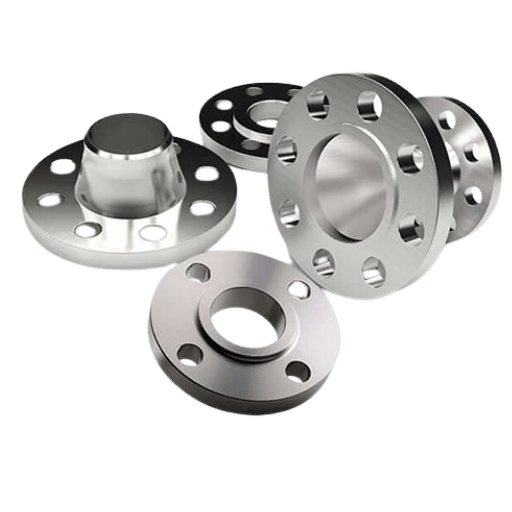
Alloy steel represents a category of enhanced steels where base iron is treated with comparative elements to improve mechanical properties including wear resistance, corrosion resistance, and heat tolerance.
Classification by Alloy Content
- Low Alloy Steel: Contains less than 5% alloying elements
- High Alloy Steel: Contains more than 5% alloying elements
- Common Alloying Elements: Manganese, nickel, chromium, molybdenum, vanadium, silicon
Common Industrial Applications

🏗️ Construction Industry
Structural frameworks, reinforcing bars, and steel beams requiring high strength and durability.
🚗 Automotive Industry
Gears, crankshafts, axles, and engine components where toughness and wear resistance are critical.
✈️ Aerospace Industry
Landing gear, structural components, and engine parts requiring excellent strength-to-weight ratio.
⚡ Energy Production
Power generators, pipes, and exploration equipment requiring high-pressure and chemical resistance.
🚢 Shipbuilding
Marine applications utilizing corrosion-resistant properties for seawater exposure.
🛡️ Defense Applications
Armor plates, weapons, and vehicle structures requiring high strength and impact resistance.
Composition Impact on Rust Resistance

Critical Alloying Elements
Chromium
This has an unwritten, layered oxide film that guards steel against air and moisture to stop corrosion.
Nickel
When added in a minimal amount, it increases integrity, the oxide layer associated with the corrosion of ‘passive’, while providing strong resistance.
Molybdenum
It contributes to strong corrosion resistance in molybdenum and nickel, while the resistance in molybdenum environments, which can be harmful, is, in addition, highly enigmatic.
Ferrous Metal Vulnerability
As expected, ferrous materials that include iron are vulnerable to rust when they get wet. In addition to water vapour and oxygen, any of the following will quickly speed up the corrosion process:
- Salt exposure – Marine environments
- Industrial chemicals – Manufacturing settings
- High humidity – Tropical or coastal regions
- Temperature fluctuations – Thermal cycling stress
Steel Type Comparison
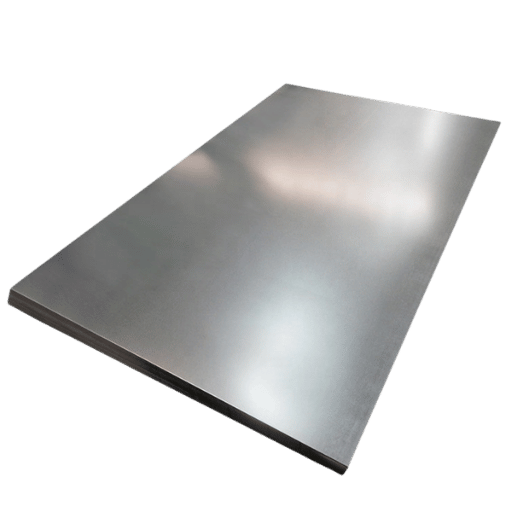
Alloy Steel vs. Stainless Steel
Key Takeaways and Recommendations
🎯 Bottom Line
Alloy steel can rust but offers significantly better corrosion resistance than carbon steel through strategic alloying and proper maintenance.
✅ Best Practices
- Select appropriate alloy grade
- Apply protective coatings
- Implement regular maintenance
- Control environmental factors
🎯 Optimal Applications
- Marine environments
- Chemical processing
- High-stress structures
- Food-grade equipment
Ready to Implement Corrosion-Resistant Solutions?
By understanding the corrosion resistance of alloy steel, we forecast future material procurement and maintenance service costs for sustainability of low-risk financial results.
f8f9fa; border-bottom: 1px solid #ecf0f1;”>
CompositionIron + varied alloysIron + ≥10.5% Chromium
StrengthHigher tensile strengthModerate, grade-dependentCostLowerHigherApplicationsConstruction, Medical, food, marine. Maintenance: Requires protective coatingsMinimal, easy to clean
Alloy Steel vs. Carbon Steel
Real-World Corrosion Resistance Examples
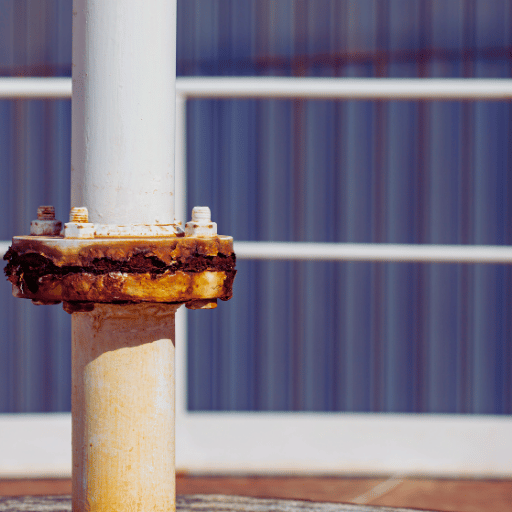
🌊 Marine Applications
Ship construction and underwater platforms utilize alloy steel’s superior resistance to saline water corrosion.
🧪 Chemical Processing
Chemical plants rely on alloy steel for the long-term durability of their tanks, pipes, and valves.
🍎 Food Processing
To maintain hygiene standards and avoid contamination, mixing tanks and conveyor systems use alloy steel.
⚕️ Medical Devices
Surigcal instruments use alloy steel to maintain sterility anf the longevity of equipment.
Protective Measures and Treatments
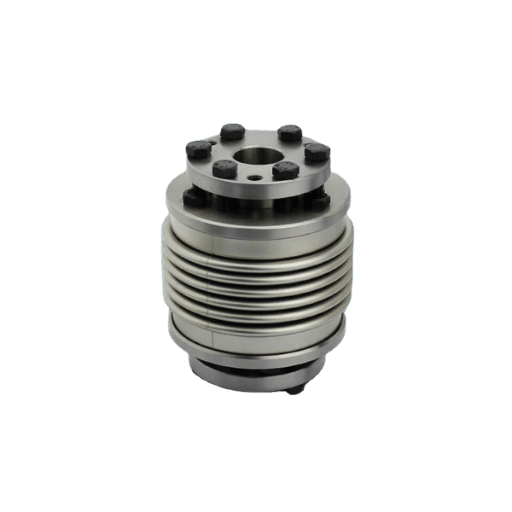
Essential Coating Methods
Galvanization
Zinc layer coating acts as the first line of defense against corrosive damage.
Powder Coating
Heated dry powder forms rigid protective finish against moisture and environmental damage.
Anodizing
Hardens oxide layer to reduce corrosion probability on specific alloy types.
Oil and Grease Coatings
Temporary protection during storage and shipping, preventing moisture contact.
Environmental Factors Affecting Corrosion
- 🌡️ Humidity Concentration: Facilities to reduce moisture accumulation help enhance the corrosion process.
- 💧With oxidation rising, oxidation rates are the result of increasing humidity.
- 🧂Chloride Presence: Salt significantly enhances corrosive activities.
- 🏭Industrial Pollutants: The rapid degradation process is advanced by sulfur dioxide and a multitude of chemicals.
- 🌊 Coastal Environments: The combined impact of salt and moisture triggers abrupt reactions.
Advanced Corrosion Protection Technologies
The Contemporary Upgrades
HPTMs (Polyurethane Topcoats): Nanostructured coatings that automatically heal minor surface damage
VPCI (Vapor Phase Corrosive Inhibitors): Protective molecules that form invisible barriers on metal surfaces
Green Inhibitors: Efficient pollutant alternatives that include effective replacement materials and essentially new pollution reduction materials as well.
Practical Maintenance Guidelines
Material Selection Checklist
✅Environmental Evaluation Components
- Moisture Content: Access the levels of moisture and the possibility of water exposure
- Temperature Range: Extreme conditions and thermal cycling may need to be monitored
- Chemical Exposure: Protective contact equipment may be necessary in some areas
- Salt Environment: Conditions in which salt exists must be understood
Essential Maintenance Practices
🧽 Regular Cleaning
- Remove dirt, grease, and pollutants
- Use non-abrasive cleaning methods
- Avoid harsh chemicals that damage coatings
🎨 Surface Protection
- Apply protective coatings regularly
- Inspect coating integrity
- Repair damaged areas promptly
🌡️ Environmental Control
- Maintain optimal storage conditions
- Control humidity levels
- Use dehumidifiers when necessary
🔍 Regular Inspections
- Schedule systematic examinations
- Document surface conditions
- Address issues before escalation
Successful Implementation Case Studies
Frequently Asked Questions
Reference Sources
2. Engineering ASU – Alloys design for corrosion resistance
Analyzing the source published by ASU discusses resistance to corrosion in other alloys, including stainless steel.
3. Rust Chemistry as well as Corrosion Behavior of a Low Alloy Steel – Harvard ADS
The research explores how rust and other corrosion formations