


Fabrication of precise and aesthetic acrylic components is a critical demand for prototyping and product design industries. CNC machining has become popular in providing the highest quality acrylic components with unmatched accuracy and smooth finishing. Whether you are an experienced machinist or still just in your first steps into CNC machining, knowing the ins and outs of working with acrylic can be the difference between amateurish and professional results. This guide will take you through all the fundamental things about acrylic machining-from selecting the material and tooling to some expert tips to help you with common hurdles. By the end, you’ll be able to confidently create strong, perfectly finished acrylic parts that satisfy even the highest-end specifications.
Understanding Acrylic and PMMA
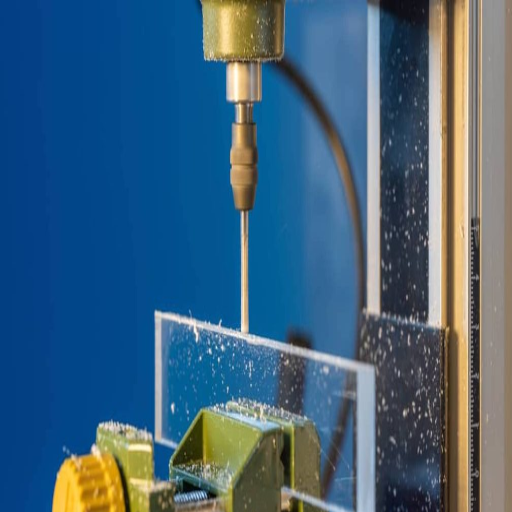
Acrylic or polymethyl methacrylate (PMMA) is a transparent thermoplastic. It is powerful, light in weight, and provides perfect optical clarity. It is, therefore, ideal as a substitute for glass since it withstands wear and tear and resists shattering. PMMA comes in different grades of cast or extruded sheets for various applications. While cast acrylic poses better optical clarity and excellent resistance to crazing, extruded acrylic is cheaper and much easier to machine. Because of its versatility, acrylic finds applications in various industries, including signage, displays, and industrial components.
What is Acrylic?
Acrylic, scientifically known as polymethyl methacrylate (PMMA), is a transparent thermoplastic material widely recognized for its glass-like clarity, excellent weather resistance, and adaptability. It is lightweight, shatter-resistant, and easy to fabricate, making it a versatile material used in various applications. Unlike traditional glass, acrylic is 10 times more resistant to impact, while being approximately half the weight, enhancing its practicality for indoor and outdoor applications. Modern advancements have also enabled the production of specialized acrylic variants, such as those with UV resistance, anti-glare coatings, or colored finishes, further broadening their utility across industries. Popular uses of acrylic include windows, aquariums, optical lenses, protective shields, and artistic installations, reflecting its enduring role as a vital material in contemporary manufacturing and design.
Properties of Acrylic and PMMA
Praised for its nearly ideal combination of properties that make the material so versatile and widely accepted, acrylic is generally made from polymethyl methacrylate (PMMA). Below are some key properties of acrylic and PMMA:
- Optical Clarity:
In terms of optics, acrylic enjoys superiority over others. Its light transmission rate is approximately 92%, making it one of the few materials that is near-optically clear. It is as clear as glass but weighs less and stands the test of impact much more.
- Superior Impact Resistance:
Being nearly ten times more resistant to impact than conventional glass, PMMA is used where endurance and safety are vital, such as in protective shields and construction purposes.
- UV Resistance:
PMMA inherently possesses the greatest resistance to UV light, making long-term outdoor use feasible. This resistance can be further improved by applying a special coat that prevents discoloration and deterioration caused by sun radiation.
- Lightweight Composition:
Compared to glass, acrylic is much lighter, which is crucial since it provides clearer views and even better strength. This feature makes it easy for acrylic to be moved and installed.
- Thermal Properties:
PMMA melts at around ~160°C (320°F) and is stable over an extensive range of temperatures. It is dimensionally stable with minor warpage when exposed to a varying pattern of heat.
- Chemical Resistance:
It generally resists the dilution of acids and cleaners but is less resistant to damage caused by alcohols and solvents, which attack its surface.
- Customizability:
Acrylic sheets can be easily cut, shaped, drilled, and fabricated, making them extremely good for customization in numerous applications. The surface can also be polished to restore clarity or finished to matte, tint, or texture.
- Eco-Friendly and Recyclable:
PMMA is recyclable, and due to manufacturing innovations, the recycling processes have been considerably improved. Its durability and recycling potential mark it as a way to reduce waste toward sustainability.
Such qualities have put acrylic and PMMA in great demand for a range of industries, from construction to automotive, healthcare, and design. The mix of power, clarity, and ability ensures its present-day applications in all life functions and aesthetics.
Types of Acrylic Materials
Acrylic materials exist in a multitude of varieties: cast acrylic, extruded acrylic, clear, white, colored, textured, anti-static, mirror, light-diffusing, and non-glare, not forgetting UV-filtering and UV-transmitting types.
|
Key Point |
Details |
|---|---|
|
Cast |
Hard, brittle |
|
Extruded |
Soft, flexible |
|
Clear |
Transparent |
|
White |
Opaque, durable |
|
Colored |
Vibrant, strong |
|
Textured |
Stylish, UV-safe |
|
Anti-static |
Dust-resistant |
|
Mirror |
Reflective, UV-protected |
|
Light Diffuse |
Even light spread |
|
Non-glare |
Reduces reflection |
|
UV-filter |
Blocks UV rays |
|
UV-transmit |
UV clarity |
CNC Machining Process for Acrylic

CNC Machining for acrylic entails the precise cutting, shaping, and finishing of acrylic material with computer-guided systems. Selection of high-quality acrylic sheets or blocks starts the process, to be clamped securely for better stability during machining operations. Designs programmed in the CNC are then executed with absolute precision to cut and form the acrylic materials using tools that mainly comprise end mills or drills suitable for plastics.
After machining, Polishing, and flame treatment may be applied to provide a smooth, transparent finish. Machining parameters such as feed rate and cutting speed should be carefully controlled to prevent cracking or surface damage. Thus, the result-from machining with CNC-is high-precision and aesthetically pleasing acrylic components suited for use in different fields.
Overview of CNC Acrylic Machining
The major advantage of CNC machining of acrylic is its ability to fabricate acrylic parts of precision and good quality. It offers accuracy levels, allowing elaborate designs and complex geometries to meet tight tolerances. Additionally, we have CNC machining that wastes less raw material due to less improper cutting, thus making manufacturing cheaper. Acrylic machining can include a variety of finishes, from matte to shine, to suit various aesthetic and functional needs. CNC machining is the method of choice when consistency is essential and when the acrylic needs to maintain its integrity, be it for signage, optical instrumentation, or protective enclosures.
Machining Processes for Acrylic Parts
Milling acrylic parts involves many processes to achieve accuracy and finishes as needed. Major methods include:
- Cutting—Laser cutting and CNC routing are two of the most common methods for cutting acrylic sheets. Laser cutting gives you smooth edges, whereas CNC routing can achieve more complex geometries with outstanding accuracy.
- Milling – CNC milling makes fine grooves, slots, and other detailed features with very tight tolerances.
- Drilling—Acrylic can be drilled using a dedicated set of tools that provide neat and clean results without inducing cracks.
- Polishing – After machining, polishing of flame or buff polish is applied to restore clarity and surface smoothness.
Combining modern machining technologies, such processing ensures that acrylic parts fulfill their specific design and functional requirements with high quality.
Considerations for CNC Machining Acrylic
When CNC machining acrylic, various factors are to be considered to extract optimal results from the process:
- Tool Selection – Sharp tools specially meant for plastic machining should be used not to chip or crack the material. Carbide or diamond-coated tools are highly favored due to their longevity and precision.
- Cutting Speed and Feed Rates—Acrylic is usually machined at a controlled speed and feed rate to avoid overheating, which can lead to melting or warping the surface. These parameters must be optimally set to produce clean cuts and minimize surface blemishes.
- Material Thickness—The machining procedure is directly affected by the thickness of the acrylic work. A thicker sheet would require a really slow cutting speed and multiple passes to assure adequate surface integrity from stress.
- Workholding and Fixturing – Acrylic must be held firmly during machining to avoid vibrations or movements that could result in inaccurate cuts. Mild clamping or vacuum systems are preferable.
- Coolants or Lubricants—Some promote dry machining, while others prefer a mist coolant or lubricant to dissipate heat and yield cleaner finishes. Whatever is used must be compatible with acrylic.
When the above considerations are taken into account, manufacturers ensure the precision and consistency of CNC-machined acrylic components for high-quality standards in several applications.
Cutting and Machining Acrylic Parts
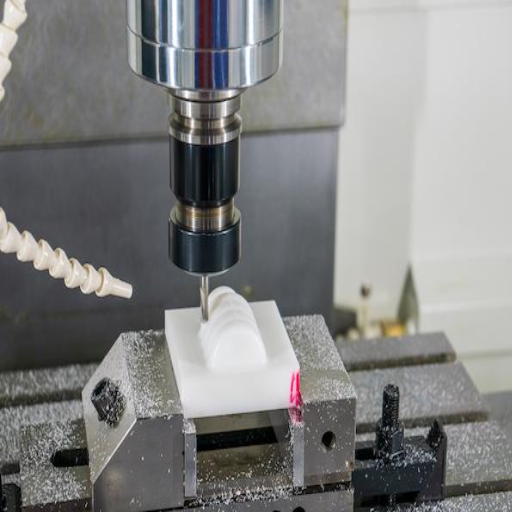
Acrylic requires sharp tools in cutting and machining; otherwise, cracking or melting ensues. Carbide-tipped or diamond-coated cutters are preferred to ensure proper cutting and maximize precision. Keep feed rates moderate to avoid excess heat that could distort the acrylic. Coolants or lubricants may be applied during machining to keep heat in check and assist with finishing. Clamping should sufficiently hold the material so that vibrations or shifting do not occur. By following these suggestions, results will be professional with less potential damage to the material.
Techniques for Cutting Acrylic
When cutting acrylic, appropriate tools work toward clean and accurate output. Laser cutters are commonly used, wherein heat focused through lasers makes the cuts extremely precise with smooth edges. Moreover, these are much quieter than table saws with plastic blades. Rotary handheld tools like Dremels are suitable for intricate or minor cuts. Scoring knives for more straightforward tasks may score repeated lines on acrylic and snap along the line. Each tool has its pros and cons; the choice will largely depend on how complex or precise your project is. Safety always should come first; wear goggles and gloves no matter your route.
CNC Router vs. CNC Machine for Acrylic
CNC machines allow light in the range of materials for precision and thin acrylic to be laser cut, while CNC routers are installed for thicker acrylic and allow 3D designing.
|
Key Point |
CNC Router |
CNC Machine |
|---|---|---|
|
Material |
Thick acrylic |
Thin acrylic |
|
Precision |
Moderate |
High |
|
Tool Type |
Mechanical cutter |
Laser beam |
|
Applications |
3D, reliefs |
Fine details |
|
Contact |
Direct |
Non-contact |
|
Speed |
Slower |
Faster |
|
Setup |
Requires fixing |
No fixing needed |
Challenges and Solutions in Acrylic Machining
When working with acrylic, the possibilities and manifestations of challenges are countless. However, the more one truly understands these problems and their solutions, the better a machinist will fare in his or her work. Overheating during processes such as cutting or drilling is a common problem, whereby acrylic melts or cracks. Proper cooling should be maintained using air or liquid coolants, and the feed rates and spindle speeds must also be adjusted. The other problem is the possibility of chipping or cracking along edges, which usually comes from using dull or inappropriate tools. Always use sharp carbide-tipped tools meant explicitly for acrylic. Also, adequate clamping must be provided to secure the material, and slow feed rates should be used to reduce vibrations that can cause surface imperfections. Lastly, polishing edges to a smooth finish takes patience, but is worth it with tools such as buffing wheels or flame polishers. By using these techniques, many of the usual machining difficulties can be avoided.
Applications of CNC Acrylic Parts
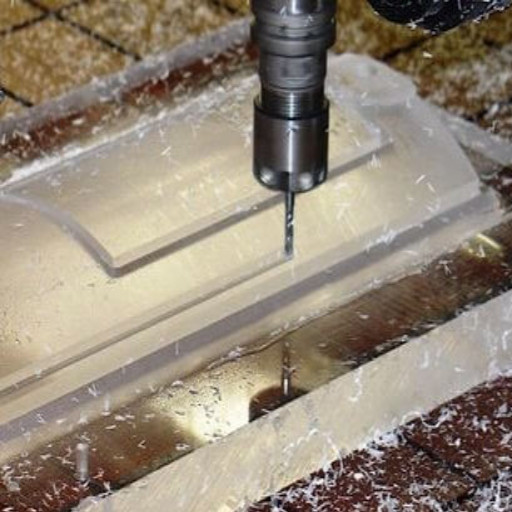
CNC-cut acrylic parts’ durability, clarity, and versatility are applied across various industries. Some of these applications are:
- Displays: Acrylic is commonly used in signage, point-of-sale displays, and exhibition stands because it is crystal clear and beautiful.
- Lighting: Acrylic parts find use in light fixtures and lenses as practical light diffusers.
- Medical: Precision-machined acrylic parts are used primarily in medical equipment, such as instrument protective shields and enclosures.
- Automotive: Acrylic parts are used in interior trim, lighting, and decorative panels.
- Prototyping and Design: The machinability and appearance of this material are prime considerations in building prototypes and architectural models.
The above array of uses again underlines the flexibility and prominence of CNC-cut acrylic-based parts.
Industries Utilizing CNC Acrylic Components
The main uses of CNC-machined acrylic components are industrial, likely due to the versatile range of applications, durability, and aesthetic value. Some major industries are:
- Healthcare: CNC acrylic is typically used in medical-grade equipment such as lab trays, protective covers, and diagnostic device components.
- Automobile: CNC acrylic produces lightweight but sturdy interior trims, lighting fixtures, and decorative elements.
- Retail and Advertising: Acrylics make attractive signs, display cases, and promotional materials, enriched by their marriage of utility and visual clarity.
- Architecture and Interior Design: The material is preferred for architectural models, light diffusers, and decorative panels that combine visual appeal with creativity.
- Electronics Industry: Acrylic parts engineered to precise specifications are used for casings, panels, and screens, indicating their use in a high-tech domain.
Because of their usability and appeal, CNC acrylic components’ versatility makes them a vital resource across this diverse range of industries.
Innovative Uses for Machined Acrylic Parts
- Medical Applications
CNC-machined plastic components are found to be increasingly frequent in the medical domain due to their robustness, precision, and clarity. As for direct applications of acrylic, to name a few, the production of incubators, surgical apparatuses, and housings for other medical devices comes into consideration. Recent studies forecast that the global demand for acrylic-based medical devices will grow with a CAGR of 6.5% between 2023 and 2030, with the growth being spurred by advancements in healthcare technologies and the increasing need for hygiene and sterilization.
- Aerospace and Automotive Developments
The aerospace and automotive industries use machined acrylic components as lightweight parts such as windshields, instrument panels, and protective covers. This not only helps reduce the overall weight but also enhances visibility and safety. The report states that acrylic usage in the automobile sector is forecasted to grow at a rate in excess of 5% per annum due to growing attention to energy efficiency and innovative vehicle designs.
- Sustainable Construction Materials
Acrylic integrates well with modern building designs, given the recent trend in sustainable architecture, due to its flexibility and environmental merits. Machined acrylic is implemented in energy-saving windows, solar panels, and custom decorative pieces. For example, thermally insulated acrylic sheets can reduce a building’s energy consumption by 20%, placing it high on the list of preferred green projects.
- Advanced Electronics and Display Technology
The electronics and technology industry heavily relies on acrylic in parts for LED displays, touchscreen devices, and protective casings. Acrylic’s optical clarity and UV resistance are essential for device longevity and performance. Market data illustrates that the global electronic display market, fostered by acrylic-based components, is slated to grow at a CAGR of 7.1% by 2028, attesting to the material’s importance in advanced technology.
Marrying functionality with innovation, machined acrylic parts are integral to various sectors, proving their utility and signifying their importance in future advancements.
Reference Sources
- Title: Pengaruh Tool Path Dan Feed Rate Pada Proses Mesin CNC Milling Router 3 Axis Dengan Material Acrylic
Authors: Dwi Wijayanto, B. W. Febriantoko, St M.Eng Agus Dwi Anggono
Publication Year: 2016
Summary: This paper examines the effects of tool path and feed rate on the CNC milling process of acrylic materials. The study aims to identify how these parameters influence the machining quality and efficiency.
Methodology: The authors performed experiments using different tool paths (zig-zag and spiral) and varying feed rates. They analyzed the results to assess their impact on surface roughness and machining time. - Title: Analisis Toolpath Variasi Zig Zag Dan Spiral Mesin CNC Router Terhadap Benda Kerja Berbahan Acrylic
Authors: Gilang Bagus Juniantoro, F. St.MtBambangWaluyo, STPgDIP Nurmuntaha A.N
Publication Year: 2016
Summary: This study analyzes the effects of different toolpath strategies (zig-zag and spiral) on machining acrylic materials using CNC routers. The research focuses on optimizing the toolpath to improve machining efficiency and surface quality.
Methodology: The authors conducted experiments comparing the two toolpath strategies, measuring parameters such as machining time and surface roughness. The findings were used to recommend optimal toolpath strategies for acrylic machining. - Title: Pengaruh Laju Pemakanan (Feed Rate) terhadap Kekasaran Permukaan Hasil Pemesinan CNC Router pada Pembuatan Souvenir dengan Media Acrilyc
Authors: Agus Wuryanto, MT Bambang Waluyo Febriantoko
Publication Date: November 21, 2019
Summary: This paper investigates the impact of feed rate on the surface roughness of acrylic materials during CNC routing for souvenir production. The study aims to optimize feed rates to achieve better surface quality.
Methodology: The authors conducted experiments varying the feed rates and measuring the surface roughness. They analyzed the results to determine the optimal feed rate for achieving the desired surface finish. - Top Acrylic Machining Parts Manufacturer And Supplier In China
Frequently Asked Questions (FAQs)
Q: What is acrylic CNC machining?
A: Acrylic CNC machining uses CNC (Computer Numerical Control) technology to cut, shape, and finish acrylic materials. This method ensures high precision and accuracy, making it ideal for creating intricate designs and components from acrylic sheets. Acrylic is also known for its clarity and durability, which makes it a popular choice in various industries, including signage, displays, and furniture manufacturing. By leveraging CNC technology, manufacturers can produce custom acrylic pieces that meet specific design requirements. Whether using CNC milling or cutting machines, the results are consistently reliable.
Q: What are the advantages of using acrylic in CNC machining?
A: There are numerous advantages of using acrylic in CNC machining. Firstly, acrylic is lightweight yet strong, making it a great choice for many applications. It also has excellent optical clarity, making it suitable for projects that require transparency. Moreover, acrylic components can be easily fabricated using various machining methods, including CNC milling and turning, to achieve accurate shapes. Additionally, acrylic is resistant to UV light and weather, which enhances its longevity in outdoor applications. Overall, its versatility and aesthetic appeal make acrylic a favored material in CNC machining.
Q: What are the typical applications for CNC acrylic machining?
A: Common applications for CNC acrylic machining include the production of signage, displays, protective barriers, and decorative elements. Due to its versatility, acrylic is often used to create custom shapes and designs in architecture, retail, and automotive industries. CNC-machined acrylic parts can be found in furniture, lighting fixtures, and the medical field for various components. Cutting and shaping acrylic using CNC technology allows for innovative, functional, and visually appealing designs. This comprehensive guide to CNC acrylic highlights the wide-ranging uses of this material.
Q: How do you prevent acrylic from melting during CNC machining?
A: Preventing acrylic from melting during CNC machining requires careful consideration of several factors. One effective solution is to optimize the cutting speed and feed rate when using CNC cutting machines. Slower speeds can help reduce the heat generated during the machining process. Additionally, using sharp cutting tools specifically designed for acrylic can minimize friction and heat buildup. Adjusting the cutting depth during the machining process can also play a crucial role in maintaining the integrity of the acrylic. Incorporating coolant or air blast techniques can further help dissipate heat and prevent melting.
Q: What types of CNC machines are used for acrylic cutting?
A: CNC machines used for acrylic cutting include CNC routers, milling machines, and laser cutters. CNC routers are particularly popular for large sheets of acrylic, providing versatility for intricate designs and larger components. CNC milling machines offer precision in cutting and shaping acrylic, making them suitable for detailed work. On the other hand, CNC laser cutters are ideal for clean and precise cuts, especially for thinner acrylic sheets. Each machine has unique advantages, allowing manufacturers to select the best option based on their project requirements and desired outcomes.
Q: What tips should I follow for successful acrylic CNC machining?
A: Some essential tips for successful acrylic CNC machining include selecting the correct methods and tools. Proper feed rates and spindle speeds are crucial to avoid issues like melting or chipping. It’s also essential to secure the acrylic sheet properly to prevent movement during machining. Experimenting with different cutting depths can help find the optimal settings for your specific CNC machine and acrylic type. Additionally, always ensure the machine is calibrated correctly to achieve the best results. By following these tips, your CNC machining projects involving acrylic can be more efficient and yield high-quality results.


