


The process of choosing the appropriate materials for exhaust systems is very critical. It can affect performance, durability, and long-term value. There is a reason why 304 stainless steel exhaust parts have become one of the preferred exhaust parts these days: they resist corrosion, are also durable, and look hot compared to other materials. So, whether it is an automobile enthusiast improving a vehicle or a professional constructor needing strong parts, one has to know why 304 steel is better than the rest to make the best decision. This article discusses the characteristics of 304 stainless steel, its benefits, and uses so that you can efficiently use it in extending the use of exhaust systems.
What are the Exhaust Parts Made from 304 Stainless Steel?
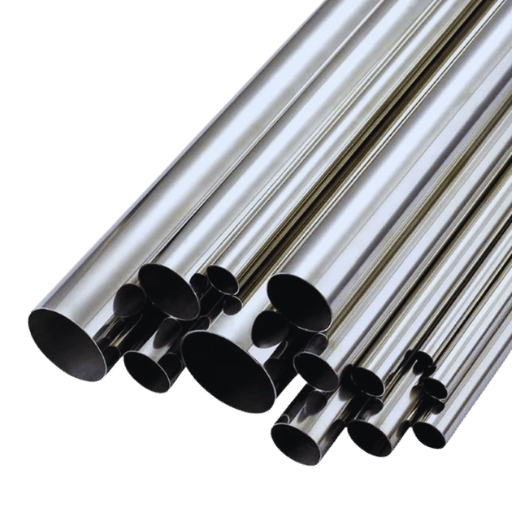
Exhaust components made from 304 stainless steel include headers, pipes, mufflers, and catalytic converter shells. In diesel exhaust applications, headers, pipes, mufflers, and catalytic converter shells of 304 stainless steel exhibit corrosion resistance, elevated heat predisposition, and long life. Additionally, exhaust components made of this alloy are resistant to oxidation and are not magnetic, enabling automotive exhaust systems to be built with materials that can cope with harsh conditions.
Understanding 304 Stainless Steel in Exhaust Systems
304 stainless steel is used for exhaust systems because of its ability to fight corrosion, withstand high temperatures, and be structurally sound in extreme conditions.
Advantages of Using 304 Stainless Steel Exhaust Parts
- Corrosion Resistance: Stainless steel grade 304 can withstand corrosion and rust; hence, it’s considered worn out to the extent that it is kept alive even when used in moist or salty environments.
- Heat Resistance: It helps absorb heat from exhausts and can be used even in places with raised temperatures.
- Structural Durability: When subjected to a load, the material retains its strength and shape, delivering accurate and dependable performance.
- Low Maintenance: The current steel works well outside and will require little upkeep and repairs, extending the plant’s life, unlike other material that tends to break down more often.
- Cost-Efficiency: While it may be pricy in the short run with some less expensive competitors, this being so, it is a system that generally costs less when compared to the cost of wearing and tearing of the exhaust pipes.
Standard Exhaust Components Made from 304 Stainless Steel
- Exhaust Manifolds: This part of the engine takes in gases from the engine and directs them towards the exhaust tubing.
- Exhaust Pipes: Pipes range from the engine to down below the rear of the car, where the exhaust is integrated and transports gases removed from the vehicle.
- Mufflers: Components placed to suppress the sound that the exhaust system generates.
- Resonators: Devices that are used together with the mufflers to promote control of the unwanted sounds.
- Catalytic Converters: These devices help reduce pollutants by changing them to something less harmful.
How do Customer Reviews Rate 304 Stainless Steel Exhaust Parts?
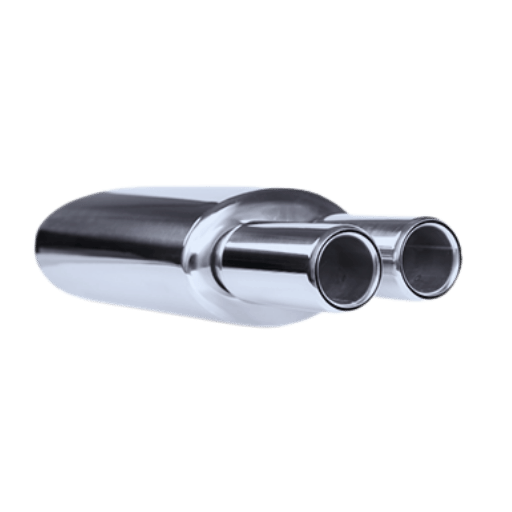
Analyzing Customer Reviews for 304 Stainless Steel
Potential posts left by clients concerning the 304 stainless steel exhaust systems are primarily characterized by the fact that they are strong, weather impervious, and work exceptionally well; most clients favour such features. Most people are happy with the material’s resilience even in the harshest conditions like constant exposure to gravity, moisture, and the road salts used in most countries. They also applaud the material for how long it can last; hence, it is a pretty valuable material for use in the long run. There are cases of subzero heat for which it is maintained. Though the audit is very unsparing in its conclusions, mentioning discouraging factors or clouds, the ability of the material to be of color in the future does arise in some. To this end, Water systems or equipment incorporating 304 stainless steel are considered practical and economical in automotive exhaust systems.
Impacts of Exhaust Pipe Quality on Customer Reviews
What exhaust pipes do determines how highly customers access a product, or exceptionally well. How the product fits into the support system means the ease of installation and price, and why we consider durability and look for particular tasks. For many customers, 304 stainless steel wins the day since it is non-corrosive and durable, which makes it ideal for high-power performance exhausts. It is common for people to leave compliments, such as works well, product looks good, etc., for completed exhausts, and this speaks to the construction of silencers induced by how much that product may deteriorate under off-budget conditions. However, unsatisfactory work or rust can be reasons for stark criticism, as it is determined by reliability and satisfaction. Using quality raw materials and skilled workmanship also helps increase customer trust and overall product ratings.
What are the Key Differences Between T304 Stainless and Other Materials?
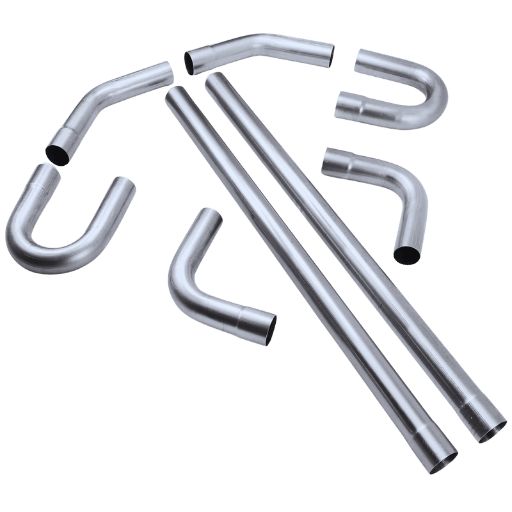
Comparing T304 Stainless with Other Exhaust Materials
|
Material |
Durability |
Corrosion |
Heat Retention |
Cost |
Weight |
Finish |
|---|---|---|---|---|---|---|
|
T304 |
High |
Excellent |
High |
High |
Light |
Polished |
|
T409 |
Moderate |
Good |
Moderate |
Medium |
Moderate |
Dull/Polished |
|
Mild Steel |
Low |
Poor |
Low |
Low |
Heavy |
Dull |
|
Ceramic |
Moderate |
Moderate |
High |
Medium |
Heavy |
Coated |
|
321 |
Very High |
Excellent |
Very High |
Very High |
Light |
Polished |
Benefits of T304 Stainless Steel in Exhaust Applications
- High Corrosion Resistance: T304 stainless steel provides outstanding rust and corrosion resistance that helps function under harsh environmental conditions, high moisture, chemicals, and road salts.
- Durability and Longevity: This material’s strength and elastic properties ensure that its lifespan exceeds the defined limits, and its size and weight characteristics facilitate the reduction of scheduled repairs and maintenance costs.
- Lightweight Design: Nevertheless, T304 stainless steel is lightweight due to its strength when fully exploited. Thus, it enhances vehicle efficiency, especially when used in a 2-inch universal fit oval resonated turndown muffler.
- Aesthetic Appeal: Even though it is not listed, this set goal can be achieved by offering a polished facade that brings a smooth, shiny, and neat look that makes the exhaust system look beautiful.
- High Heat Resistance: T304’s thermal threshold is unrestricted. The gradation allows it to work under high temperatures and other harsh conditions.
How to Choose the Right Exhaust Pipe for Your Vehicle?
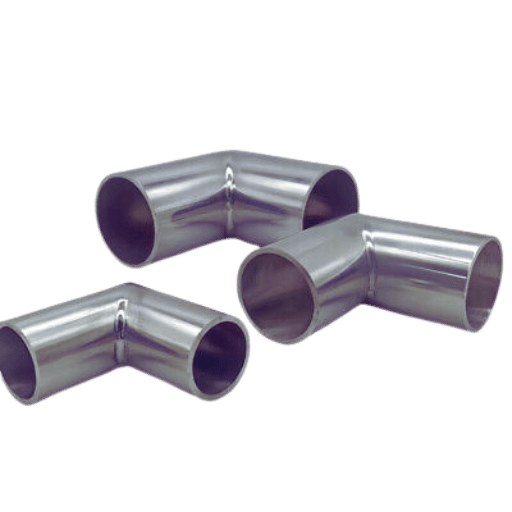
Factors to Consider When Selecting Exhaust Tubing
- Material Composition: The specification of the material needs to be made based on possible materials like T304 Stainless steel, which can offer the necessary wear and tear properties, rust resistance, and ability to withstand the temperature generated.
- Tube Diameter: The diameter of the exhaust pipe is crucial because it determines how freely exhaust gases can flow. Choosing the required size according to the engine’s capacity and power output is advisable.
- Wall Thickness: We ascertain the acceptable wall thickness considering the vehicle’s actual speed potential and purpose to prevent the excessive dependence on other factors that could compromise rigidity more than is allowed for weight reduction.
- Compatibility with Vehicle: Look for specific details inside the tubing available for your car make and model, without causing any issues when it comes to mounting, ensuring that the tubing can do its duties perfectly.
- Intended Application: It is important to consider the car’s purpose, whether it is used for daily driving, racing on the track, or working in conditions that are very hard for practical reasons. This leads to an unequal distribution of adiabatic heating and mechanical strength.
Fitting Exhaust Pipe to Your Vehicle’s Needs
When fitting an exhaust pipe to my vehicle’s needs, I focus on identifying the right material for durability, ensuring the weight balances performance and efficiency, and confirming compatibility with my car’s make and model. I also consider the intended application for daily usage, performance driving, or heavy-duty operations to select a system that meets my vehicle’s specific demands.
Understanding Exhaust System Dimensions
Determining varying exhaust system parameters greatly concerns overall production and efficiency. Pipe diameter is equally vital in determining the amount of exhaust pressure as is a properly functioning exhaust system. Suppose an exhaust flaring channel of a factory-fitted system for a small car is between 1.5 and 2.25 inches. In that case, this is a smaller case than most big performance vehicles, where such sizes are between 2.5 and 4 inches or higher due to the higher exhaust gas flow.
The length is also a critical factor because those incorrectly sized will result in charges against the system. Short let systems are good for rubbing application, whereas in big vehicles like trucks and SUVs, long expansive systems with many exhaust bends may be inevitable. The mufflers, resonators, and turned-down tailpipes must respond to such dimensions to affect the desired tone and performance. Proper alignment can be achieved. Specific measurements will ensure that the system fits the vehicle’s lines and is mounted correctly within the frame without subtracting ground clearance, which is more than important for designers. Always keep in mind while selecting the dimensions that the vehicle model and usage of the vehicle should conform to the system dimensions in the best possible way.
What are the Challenges in Installing 304 Stainless Steel Exhaust Systems?
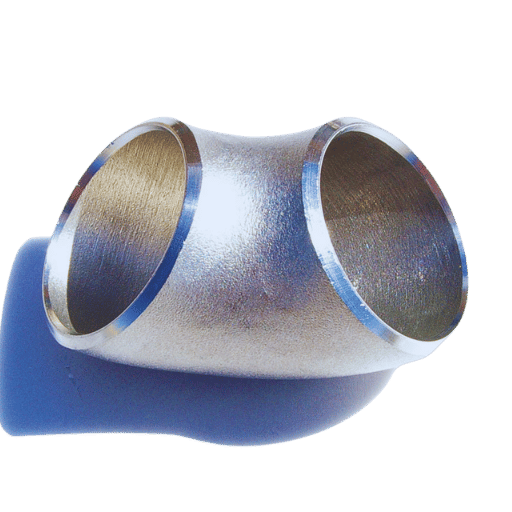
Common Obstacles in Installing 304 Stainless Steel Exhaust
The installation of 304 stainless steel exhausts is faced with a problem of ensuring they fit right in, because even a few degrees off can result in specific issues, such as noise or leakage. In addition, the material’s high strength and sustainability levels make it even more difficult to cut or handle. As a result, one may need various special tools for installation. The stainless steel is advantageous in its corrosion resistance, but this also increases the difficulty of welding it, which may require special equipment and procedures to prevent the loss of the affected area. Proper handling and preparation are vital to avoid damage to surfaces that might compromise the apparatus’s ideal efficiency or the functioning of the exhaust for a longer time.
Tips for Working with Mandrel Bends and Tubing
- Use the Right Tools: The right tool must be used so that the tubular will never be damaged and will always be precisely cut or bent. These include cutting and bending tools for stainless steel and other hard materials.
- Measure Accurately: Double-check all measurements prior to cutting or bending to prevent errors that may cause material waste or improper fitment.
- Protect the Surface: Use covers or work with the tubing in clean conditions to avoid scratching or scuffing the tubing that may affect its performance or appearance.
- Apply Proper Lubrication: Lubrication should be applied while bending or forming the tubing to reduce friction and avoid cracks or structural weakening.
- Inspect for Defects: To guarantee system integrity, a thorough inspection must be made to detect defects, dents, and weld inconsistencies in mandrel bends and connections.
Best Practices for Achieving High Quality Welds
- Clean the Surfaces Thoroughly: Ensure any surfaces to be welded are free from contaminants such as dirt, oil, and rust so the integrity of the diesel engine’s exhaust system remains intact. An adequately cleaned surface promotes good welder adhesion.
- Use Correct Welding Parameters: The welding parameters should be selected according to the material and the welding procedure. For specific welding equipment or applicable welding standards, refer to the manuals.
- Maintain a Stable Welding Arc: Great attention is placed on the technique of keeping the torch angle, so distance and speed vary slightly to make a uniform weld bead.
- Inspect Welds After Completion: Visual inspection and non-destructive testing should reveal cracks, porosity, or other irregularities that might jeopardize weld strength and quality.
- Work in a Controlled Environment: Weld under shelter, away from drafts, moisture, and any other environment that can weaken welds.
Frequently Asked Questions (FAQs)
Q: What makes 304 stainless steel a preferred choice for exhaust parts?
A: Stainless steel 304 is preferred for exhaust parts for its stainless properties against corrosion and durability. This grade of application for exhaust systems pieces, such as tubes or flanges, can easily cope with operating at elevated temperatures without deteriorating its properties. This stainless steel’s corrosion and decay-resistant nature ensures that exhaust systems made out of it are durable and sustainable over a longer period.
Q: How does an exhaust kit benefit from using a stainless steel exhaust pipe?
A: Using stainless steel exhaust in an exhaust kit enhances durability and general performance by eliminating corrosion and tension breach. This results in a more dependable flow of gas through the exhaust.
Q: Can I customize an exhaust system with stainless mandrel bends?
A: You can make an exclusive exhaust kit from britestainless.com with any diameter pre-bent pipes. Such pipes contain mandrel bends, which allow easy flow, and they can be brought in several angles, including 45 degrees and 90 degrees, where external fabrication is necessary in the sections of the exhaust system in question.
Q: What is the advantage of using a 3.5-inch stainless exhaust over smaller sizes?
A: There are several performance advantages in using a 3.5-inch stainless exhaust, including allowing higher volume exhaust flow, reduction of back pressure, and increased engine efficiency. It has the appropriate fitting modification of the vehicle’s exhaust tip for sports or muscle cars and other cars with high-displacement engines.
Q: Why are V-band clamps popular in stainless steel exhaust systems?
A: V-band clamps are highly popular in stainless steel exhaust systems because they provide a tight, leak-free coupling that is easy to install and remove. They are especially great for applications where the system they support requires extensive maintenance or modifications, including specialized or high-performance muffs.
Q: How does a high-quality stainless steel muffler improve vehicle performance?
A: A highly effective stainless steel muffler can significantly improve the appropriateness of controlling sound while ensuring the freedom of exhaust gas escape as much as possible. Such encouragement of better performance efficiency contributes to increasing the engine’s horsepower and dealing with torque on the high-performance end.
Q: What are the typical dimensions found in exhaust build kits?
A: A typical slip-fit exhaust build package will consist of several items, such as 2.25-inch or 2.5-inch pipes, flanges, and a couple of clamps. Such kits may also include tube lengths without bends and positive allowance for additional bends, most likely 90- and 180-degree mandrels.
Q: How does using TIG welds affect the quality of a stainless steel exhaust?
A: When it comes to TIG welding, this process is essentially the joining of stainless steel components using a torch with great precision into perfect welds, which is highly befitting of performance housing systems. In particular, stainless steel is favored because this process is associated with less distortion and helps maintain the desired properties of the metal.
Q: What considerations should be made when selecting a stainless exhaust for a turbocharged engine?
A: If you have a turbocharged engine using a stainless exhaust in the match, a 3.5-inch diameter system will improve the flow and lessen the turbo lag. Pass the system through high temperatures and have stiff flanges, V-band clamps, and other elements that can withstand the pressure and possibly the heat increase.
Reference Sources
Design, Development, and Optimization of the Exhaust System – It entails stainless steel and the various grades, such as 304, used in the exhaust system.
Leading Stainless Steel CNC Machining Services Provider in China


