


Cutting carbon fiber sheets requires some proficiency; however, a range of appropriate tools and procedures will somewhat simplify the process and render it more effective. Nevertheless, whether you are a specialist engaged in performance-intensive work or a beginner discovering the usefulness of carbon-based materials in your hobbies, you still need to find the best carbon panel cutter, as it is necessary to prevent mistakes in the process without weakening the material. The following publication aims to provide basic guidance for all the relevant aspects of the subject presented in the following order: what cutting tools are there, how to choose the necessary one, and how to work with a strong yet extremely fragile material. After reading this post, you will be ready to use any carbon-cutting devices without fear or hesitation.
What is the Best Way to Cut Carbon Fiber?

Cutting carbon fiber is a process that requires specific tools that have proven to work effectively, or tools that are solely made to cut the material. Some tools are diamond-coated, such as blades or even carbide blades, and are all recommended as they can facilitate carbon fiber cutting without any fraying or splinters. One way to avoid undermining the quality of the cutouts is to make a high-integrity cut as recommended. In those parts where zero tolerance is required and the shape accommodates, a sharp knife can be dangerous and should be exchanged with one of the other tools, like a rotary tool, a jigsaw, or even a block with a hacksaw blade. Lastly, ensure that you wear protective apparel such as gloves and a half-/full-face mask for respiration to fend off any dust from carbon fiber materials, which is dangerous when it comes into contact with the eyes or while breathing near it.
Understanding Carbon Fiber Properties for Cutting
Silencers are generally used on firearms to reduce the noise and muzzle blast of the firearms. Still, they can also have scientific applications, such as the ability to suppress sound produced by jet engines. A silencer is a structure made of foam that absorbs the energy of the sound and covers the sound source. While it is sometimes easy to suppress noise emissions, not all noise sources are receptive to sound elimination techniques. Emission of sound entails two steps: sound generation and the other wall. The second wall controls reflection, adsorption, and transmission of sound. Absorption techniques are more about isolation than control since the placed absorber acts like an amortization source. When this occurs, the material should be removed or the appropriate amount of absorption material should be installed, and the absorber should suppress the remaining noise.
Comparison of Cutting Methods for Carbon Fiber
Standard methods for machining carbon fiber composite material include High-Speed Milling, Laser cutting, and manual cutting. Each offers a unique advantage in precision, speed, and material handling.
|
Method |
Precision |
Speed |
Edge Quality |
Heat Impact |
Thickness |
Cost |
|---|---|---|---|---|---|---|
|
Laser |
High |
Fast |
Moderate |
Present |
Thin (<10mm) |
Moderate |
|
Waterjet |
High |
Moderate |
Excellent |
None |
Thick (>10mm) |
High |
|
CNC |
High |
Moderate |
Good |
Minimal |
Varies |
High |
|
Manual |
Low |
Slow |
Poor |
None |
Thin |
Low |
Choosing the Right Cutter for Carbon Fiber Sheets
When choosing a suitable cutting tool for the carbon fiber sheets, the primary considerations are the instrument’s functions and the material’s care. The rapid rotary speeds used with the diamond or carbide edges make it the most suitable tool, as one can depend on it to give clean and neat cut lines and edges without dangling threads. However, much simpler tools shall be used for lightweight carbon fiber sheets, such as a utility blade or knife, and a ruler-run cut, to prevent any strain on the material and do not require any machines to do the work.
Moreover, water jet cutting, known as a technology primarily applied in industries, is a technique that employs high-pressure water but tends to use fine or rough gypsum particles depending on the desired tolerances. Therefore, the top impacts of the assistance are that the heat-affected zone is narrowed down, thus eradicating heat-induced damage to the cut area, and with no sharp-looking fibers. Another alternative is to use laser cutting, which is very effective when properly adjusted, but very cautious steps should be taken to avoid burning or resin degradation. Take into account the thickness and purpose of the carbon fiber sheets before making any decisions regarding the selection of cutters, and be sure to have good ventilation and dust collection systems to handle carbon fiber particles that may be dangerous.
What Machines are Used for Cutting Carbon Fiber?
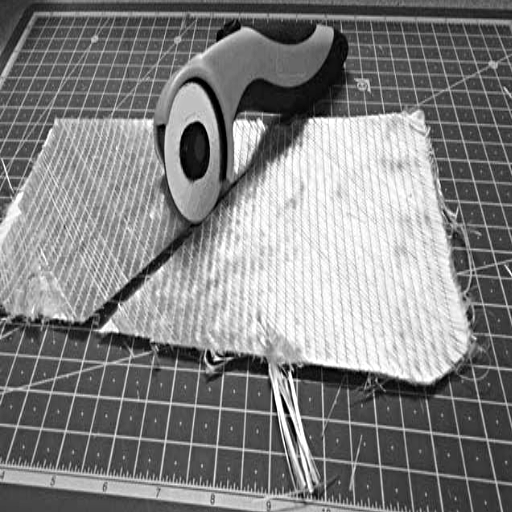
There are a good number of types of machines which are usually employed to cut carbon fiber. These machines depend on the nature of the project, especially the level of accuracy and the size of the work:
- Waterjet Cutters: Waterjet cutters operate by delivering a great force of water mixed with a slicing abrasive, which makes it safe and easy to steer the cutting process on carbon fiber without any deformation or burning.
- CNC Routers: Accuracy and repetitiveness are highlights of these machines, making them appropriate for cutting dings. They also have bits suitable for carbon fiber anchoring.
- Laser Cutters: Laser cutters work very effectively on thin sheets in an industrial setup. The lath, especially the processing areas, is very concerned because overheating the carbon fiber will melt the resin even with the minute heat.
- Cutting Saws: Different types of cutting saws are available in the market, such as the diamond-coated saw blade and the abrasive grain saws. These saws are used for less complicated cuts and give a range of cutting options for this material, making them simple to use.
Each machine is useful for certain purposes, and the thickness of the material and degree of precision to be used determine the best machine.
CNC Machines for Precise Cutting of Carbon Fiber
Computerized numerical control (CNC) machines are favored in machining carbon fiber because of the high levels of precision they achieve. In particular, CNC machines are highly developed and can carry out complex and intricate designs effectively, saving time and material. Computer-controlled machining technology is environmentally friendly, much faster, and versatile, even when cutting huge metal blocks. Moreover, advanced cutting processes can handle carbon fiber and its nature without affecting the strength of its arrangement, cutting it. Furthermore, the development of software in the latest CNC machines enables the consolidation of cutting elements, improving the efficiency of cutting and the use of material.
Water Jet Cutters: A Popular Choice for Carbon Fiber
An alternative trend can be observed in the shift from using traditional cutting methods for cutting carbon fiber to preferring water jet cutters due to their highly effective precision and minimal damage to the materials. While conventional techniques rely upon heat buildup, water jet cutting uses pressurized water or water mixed with an abrasive substance at high pressure to cut through carbon fiber with minimal stress. Its structural advantages, then, are evident in how it preserves the material’s form.
Figures on user searches reflect developments in the employment of materials and technologies, emphasizing eco-friendly solutions that are also beneficial in fabricating complex patterns, such as water jet cutting. Water jet cutting is favorable to material producers because it allows accurate cutting of intricate geometries, minimizing excess material. This efficiency is difficult to come by, however desirable, as it makes the entire technique of water jet cutting with reduced adverse environmental factors of great use in the manipulation of carbon fiber in numerous business sectors.
Laser Cutters: Pros and Cons in Carbon Fiber Machining
Laser cutters in carbon fiber machining are efficient and accurate, although they come with a variety of challenges. Some of these include heat damage, limited thickness capability, and toxic fumes.
|
Aspect |
Pros |
Cons |
|---|---|---|
|
Precision |
Extremely high |
– |
|
Speed |
Fast |
– |
|
Tool Wear |
None |
– |
|
Heat Impact |
– |
Causes resin damage |
|
Edge Quality |
Good |
Risk of burning |
|
Thickness |
Thin sheets (<10mm) |
Limited for thick cuts |
|
Environment |
– |
Toxic fumes |
|
Cost |
– |
High upfront cost |
What are the Best Tools for Cutting Carbon Fibre?
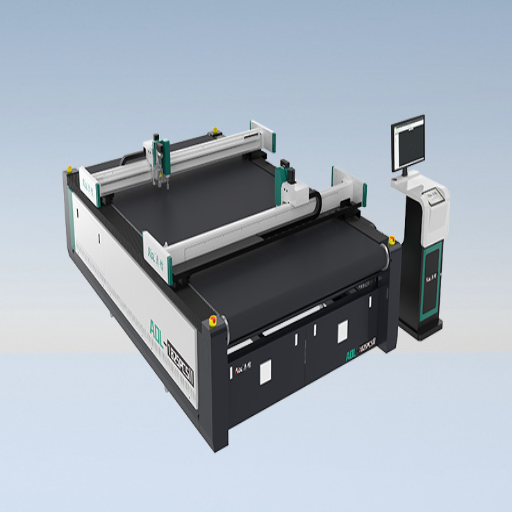
Working with carbon fiber and cutting it, an outstanding balance of how much to measure accurately, doing so fast, and in a way that doesn’t scratch or damage the intriguing black carbon fiber is essential. Over here, some of the available means are:
- Water jet cutting is perfect for carving out very intricate patterns without damaging the material. Since it works on the principle of cold cutting, it does not damage the composite carbon fibers.
- Laser cutters, however, are more suitable for thin sheets of carbon fiber and are known for their speed and accuracy due to the laser’s precision. On the downside, though, you still have to be conscious of their cause of action, which is attaining a high degree of heat that leads to minor melting, hence tendencies to produce significant fraying and/or weakening.
- Guaranteeing manual cuts, diamond-coated saws prove useful as they are tough and tailored to provide cuttings on the carbon fiber without harm. Such are well-suited to limited or patterned installations.
A more expensive piece might be helpful in other projects, but many people opt to combine a laser or waterjet scheme in industrial processes.
Hand Tools vs. Power Tools for Carbon Fiber Cutting
Hand tools are less costly and less complex, so they can be used for smaller projects. However, power tools, which are faster and more precise, require more safety precautions.
| Aspect | Hand Tools | Power Tools |
|---|---|---|
|
Precision |
Moderate |
High |
|
Speed |
Slow |
Fast |
|
Cost |
Low |
High |
|
Ease of Use |
Simple |
Requires skill |
|
Dust Control |
Minimal |
Requires extraction |
|
Safety |
Low risk |
High risk |
|
Durability |
Blade wears quickly |
Frequent tool wear |
Using a Dremel for Detailed Work on Carbon Fiber
Dremel tools are often an excellent choice for incising, carving, or hole-sawing the carbon fibre. If used together with accessories tailored for the tasks like diamond cut-off wheels or carbide burrs, the Dremel enable up to careful cut, shape and sand smaller sections or complex patterns. If you are using a Dremel grinder, ensure that you have secured the material to a workbench, be careful not to shake it, and be cautious while using your hands to achieve it. Wearing safety wear such as goggles and a mask to help protect you against small fibers of graphite, which may be produced from machining. Remember to work at a lower speed; at high speeds, the material can get damaged or the cutting blade can snap.
It is recommended that you work at an average pace and smooth the surfaces in strokes, as this will ultimately result in clear and competent finishes.
Best Cutting Wheels for Carbon Fiber Sheets
Carbon fiber sheets are sometimes annoying since a standard cutting wheel cannot go through them effectively. So, diamond wheels will be the best in these situations. They are tough and can easily make clean and accurate cuts in a carbon fiber composite that is abrasive. Resin-bonded cutting discs are also good tools for cutting materials with low wear and chipping risk to the edges. Additional improvements, such as thin cutting wheels for added precision to minimize downtime material wastage, are often part of such stop-loss practices and can be effectively utilized.
Make sure that the cutting wheel you use is a perfect match for your cutting machine. Then, a critical evaluation of the most preferred brands will be performed to ensure that high standards and longevity are achieved.
How to Ensure Clean Cuts in Carbon Fiber?
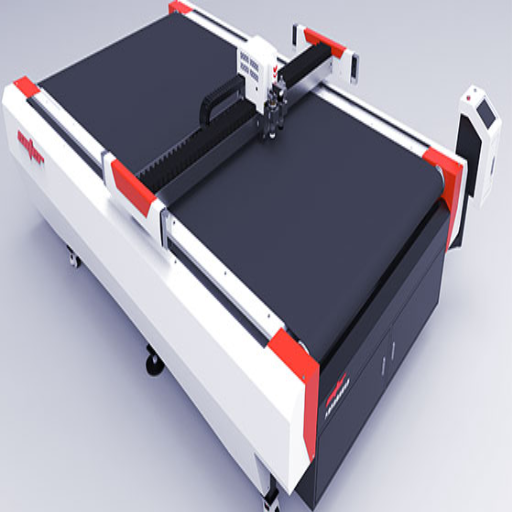
How to properly cut carbon fiber? Here is the information:
- Use the right tools: Ensure you are working with the correct blades. Make sure you have resin-bonded cutting wheels and diamond blades specifically made to serve the cutting purpose in question perfectly. Use the most appropriate tools that have thin kerfs minimising material wastage.
- Secure the Material: The material should be securely fixed with clamps so that it does not move while being cut. This will ensure more precise cutting.
- Control Cutting Speed: A moderate cutting speed is necessary for freer material flow and reduced heat build-up.
- Safety precautions should be taken: Mandatory protective wear, including gloves to protect against carbon fibers, sharp tools, and grit, must be worn. Wearing a mask will prevent the inhalation of carbon fiber and other dust particles.
If these steps are considered, the outcome could be an already shiny and beautiful Valley Baroness or a carbon fiber, bloody, torn fabric.
Importance of Proper Cutting Speed and Feed Rate
One should emphasize appropriate cutting speed and feed rate to machine materials such as carbon fibre efficiently and accurately. The cutting speed determines the peripheral velocity of a cutting tool, while the feed rate measures the amount by which the cutting tool advances in one complete rotation or one pass. Excessive heat generation, tool edge wear, and degradation of the workpiece are therefore referred to as machinability, and one should set the feeding speed and cutting speed according to the conditions without them. Optimization of cutting parameters for a given material is widely encouraged with technological advancements in different areas and documented in sources such as Google. As a result, adopting fewer cutting parameters than the ‘trial and error’ practice also helps to enhance the life of the machine and the finishing quality.
Preventing Carbon Fiber Dust During Cutting
The safety of employees and the longevity of equipment are of the utmost importance when handling processes that involve carbon fiber. In the current view of such information and as purposeful results of the search in Google, it has been ascertained that the concepts involve applying special cutting tools equipped with dust extraction. The exhaust systems assist in the collection of the molecules of dust at the outlet of the cutting tool to avoid spreading in the atmosphere. In addition, dust generation during material processing can be reduced by performing specific cutting processes like abrasive water jet cutting or laser cutting, which have very low friction forces. Furthermore, the health and safety of workers can be promoted by wearing appropriate personal protective equipment (PPE) like facemasks and glasses, and ensuring a preventive maintenance schedule. The application of these strategies encourages safer and more effective carbon fiber cutting.
Reference Sources
1. Experimental Study on Gas-Assisted Laser Cutting Carbon Fiber Reinforced Plastics
- Authors: Ting Qin et al.
- Journal: The International Journal of Advanced Manufacturing Technology
- Publication Date: January 21, 2022
- Citation Token: (Qin et al., 2022, pp. 6361–6370)
- Summary: This study investigates the effectiveness of gas-assisted laser cutting for carbon fiber reinforced plastics (CFRP). The authors conducted experiments to analyze the impact of different gas types and pressures on the cutting quality and efficiency. The findings indicate that gas assistance significantly improves the cutting speed and reduces thermal damage to the material, making it a viable option for high-quality CFRP machining.
2. A Review on the Cutting of Carbon Fiber Reinforced Thermoplastic Composites
- Authors: Zhijian Meng et al.
- Journal: Polymer Composites
- Publication Date: June 30, 2024
- Citation Token: (Meng et al., 2024)
- Summary: This review paper discusses the challenges and advancements in cutting carbon fiber reinforced thermoplastic (CFRTP) composites. It covers the cutting mechanisms, factors influencing damage formation, and recent improvements in machining quality. The authors emphasize the need for optimized cutting parameters and tools to enhance the efficiency and quality of CFRTP machining, providing a comprehensive overview of current research trends.
- Authors: Birhan Isik et al.
- Journal: Processes
- Publication Date: July 15, 2024
- Citation Token: (Isik et al., 2024)
- Summary: This paper presents a novel approach to optimizing drilling parameters for carbon-fiber-reinforced polymer (CFRP) composites using simulated annealing and genetic algorithms. The authors conducted experiments to evaluate the effects of various cutting parameters on surface roughness and tool wear. The results indicate that the optimized parameters significantly improve the surface quality and extend tool life, demonstrating the effectiveness of advanced optimization techniques in CFRP machining.
4. Top Carbon Fiber Cnc Machining Parts Manufacturer And Supplier In China
Frequently Asked Questions (FAQs)
Q: What are the best methods for cutting carbon fiber and composites?
A: The best methods for cutting carbon fiber and composites include using tools like a fiber laser, waterjet cutting, and a Dremel cutting wheel. Each method provides different advantages depending on the type of carbon fiber parts and the desired cut edge.
Q: Can I use an angle grinder to cut carbon fiber sheets?
A: Yes, an angle grinder can be used to cut carbon fiber sheets, but it is crucial to use the correct cutting blade to avoid damaging the carbon. It is also advisable to wear a dust mask to protect against carbon dust during the process.
Q: What tools are recommended for shaping and cutting carbon fiber?
A: Recommended tools for shaping and cutting carbon fiber include tungsten carbide blades, fine-toothed saws, and specialized drill bits for carbon fiber materials. These tools help achieve the best results without damaging the carbon fiber fabric.
Q: How should I prepare my workspace for cutting carbon fiber?
A: Preparing your workspace involves ensuring proper ventilation, using a cutting surface that protects your work area, and wearing protective gear such as a dust mask and safety glasses to avoid inhaling carbon dust.
Q: What precautions should I take when cutting carbon fiber reinforced polymer?
A: When cutting carbon fiber reinforced polymer, ensure that you use sharp tools, work in a well-ventilated area, and wear protective equipment to minimize exposure to harmful carbon dust and prevent damage to the carbon fiber parts.
Q: Is it safe to cut carbon fiber with a standard saw?
A: While you can use a standard saw to cut carbon fiber, it is highly recommended to use specialized tools designed for cutting carbon fiber to avoid splintering and ensure a clean cut edge.
Q: What are the common applications of carbon fiber in various industries?
A: Common applications of carbon fiber include aerospace components, automotive parts, sporting equipment, and medical devices. Its lightweight and high-strength properties make it ideal for these applications.
Q: How can I achieve the best results when cutting carbon fiber sheets?
A: To achieve the best results when cutting carbon fiber sheets, use sharp, high-quality tools, maintain a steady cutting speed, and follow the recommended cutting techniques specific to the type of carbon fiber you are working with.
Q: What is the importance of using the right drill bit for carbon fiber?
A: Using the right drill bit is crucial when working with carbon fiber because a specialized drill bit can help prevent delamination and ensure a clean hole without damaging the properties of carbon fiber.


