


CNC plastic milling services have created a whole new world for the manufacturing industry with highly accurate and customizable plastic components. In the role of an engineer, one may be required to search for an effective means of prototyping; conversely, in manufacturing, the other side of the coin emphasizes the production of high-quality goods. CNC machines may be optimized by having a good understanding of their working principles. This blog post takes a profound dive into the world of CNC plastic milling, its possibilities and advantages, and how this process can address your custom machining needs. Designed to give you a foundation in basic CNC technology and its applications in the manufacturing of complex plastic jobs, this guide prepares you to make intelligent decisions for your projects. Stay tuned as we reveal the scope of CNC plastic machining and how it contributes toward innovative applications across industries.
Introduction to CNC Plastic Milling

The process of CNC milling plastics is a manufacturing procedure that utilizes computer-guided machines to shape plastic materials into custom components. The process is essentially the same, i.e., removing material from a solid plastic block to achieve the desired shape, dimensions, and specifications. It gained popularity because it is capable of fabrication with high accuracy and repeatability, making it suitable for industries such as automotive, electronics, medical, and aerospace. CNC plastic milling ensures production efficiency with consistent quality, while maintaining versatility in designing both simple and complex components.
What is CNC Plastic Milling?
CNC Plastic Milling is a manufacturing process that utilizes computers to numerically control machines numerically, shaping plastic materials to precise specifications while maintaining high levels of precision and accuracy. Specialized milling tools may be used in a CNC Plastic Milling plant, where machinery follows program instructions in the software to cut, drill, or shape plastic components. CNC Plastic Milling provides a high degree of accuracy, with tolerances within a few micrometers, making the process suitable for industries that require intricate and precise components, such as aerospace, medical instruments, and electronics.
From the standpoint of enabled advances, CNC machines provide manufacturers with greater flexibility in working with a broader range of thermoplastics and thermosetting plastics to meet their varied application needs. According to recent trends and data collected, CNC Plastic Milling has been well-acclaimed for its waste reduction, efficiency improvement, and scalability in prototype mass production. This process has become a backbone of modern manufacturing, equipped with infinite repeatability and precision to achieve complex and intricate designs that are impossible to attain via traditional machining.
Overview of CNC Machines
CNC machines represent an automated manufacturing tool created to produce components with precise dimensions, followed by consistent replication. In other words, they are programmed with digital software that controls their movements with high precision and repeatability. CNC machines operate on a wide range of materials, including metal, plastic, and wood, providing them with immense utility across various industries. Standard CNC machines include milling machines, lathes, and routers, each of which performs a distinct set of tasks in the manufacturing process. These machines aid in increasing production speed, reducing human errors, and improving efficiency; hence, they are an essential component in the current manufacturing scenario.
Importance of CNC Machining Services
Industries that rely on precision and production operations often require CNC machining services. These services enable the ease of manufacturing all kinds of complex components with the required measurements, while maintaining a minimal error margin and uniform quality. CNC machining involves the use of software along with automated machines. Because these processes are mechanized, the resulting procedures are made faster and less costly, which means that CNC machining will help. Minor imperfections in a workpiece can drastically reduce its performance or even compromise safety in sectors such as aerospace, automotive, medical, and electronics. CNC machining also facilitates scaling up and customized production, enabling companies to keep pace with aggressive market demands while maintaining high-quality production. In general, CNC machining services have been filtered to innovate and compete in other manufacturing setups today.
Types of CNC Machines for Plastic Milling
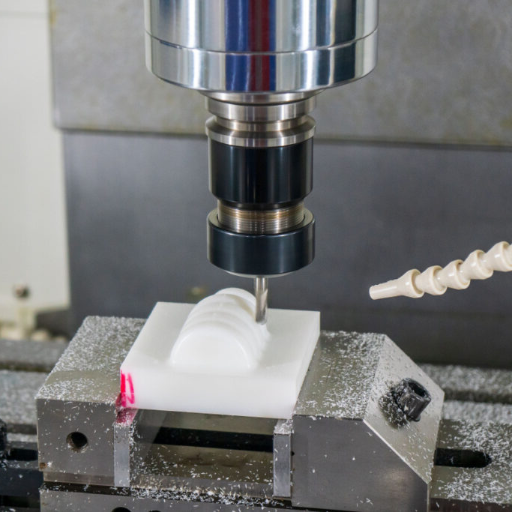
There are several types of CNC machines for plastic milling, including CNC milling machines, CNC routers, CNC lathes, and CNC laser cutters.
| Type | Key Feature | Material Suitability | Precision | Use Case |
|---|---|---|---|---|
| Milling Machine | Multi-axis | Various plastics | High | Complex parts |
| Router | High speed | Soft plastics | Medium | Large designs |
| Lathe | Rotational cuts | Cylindrical plastics | High | Round objects |
| Laser Cutter | Non-contact | Thin sheets | Very high | Detailed cuts |
CNC Mill vs. Other CNC Machines
CNC mills, routers, lathes, and laser cutters differ in their cutting mechanisms, material compatibility, precision, and use cases.
| Parameter | CNC Mill | Router | Lathe | Laser Cutter |
|---|---|---|---|---|
| Mechanism | Multi-axis | High speed | Rotation | Non-contact |
| Material | Plastics | Soft plastic | Cylindrical | Thin sheets |
| Precision | High | Medium | High | Very high |
| Use Case | Complex | Large designs | Rounds | Detailed cuts |
Capabilities of CNC Plastic Machining
CNC plastic machining offers high precision and can be utilized to address various challenges across multiple industries. Since a variety of plastics can be used in the machining process, CNC machining ensures accurate and consistent results. This method is well-suited for crafting highly detailed components, prototypes, and operational parts that require very tight tolerances. CNC machines can produce units in either small quantities or large batches, depending on the requirements, such as custom products, medical devices, aerospace components, and automotive parts. The automation of CNC machining provides extra precision over other machining methods; likewise, it offers versatility and freedom when it is time to manufacture complex design patterns.
Choosing the Right CNC Machine for Your Needs
Several factors need to be evaluated to choose the CNC machine that best suits your performance and value needs. For instance, start with your materials to be machined, as different CNC machines are best suited for working with plastics, metals, or composites. The next aspect to consider is the level of precision and complexity involved in your designs, as some machines excel at detailed work, while others may be better suited for handling simple tasks. Machine size and capacity matter equally. If you could select a machine that can handle projects of the same size as your own, you could save many hours of unnecessary overhead. Software compatibility and ease of use also need to be evaluated, as anything user-friendly with powerful design capabilities will ensure a smooth workflow. Consider where your budget and long-term goals lie, making a good tradeoff between front-line price and reliability in terms of maintenance and scalability as production demands grow. By weighing all these factors, you can help yourself select the CNC machine that best fits your manufacturing needs.
CNC Machining Processes and Techniques
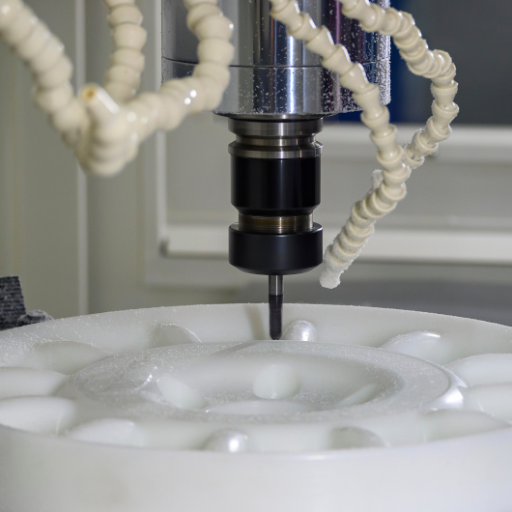
CNC machining is a combination of processes and techniques that achieve two key attributes: precision and efficiency in manufacturing. Some methods commonly employed in industry include milling, turning, drilling, and grinding, all of which cater to specific production parameters. Milling is a process in which rotating cutters modify a workpiece, whereas turning uses lathes to create cylindrical shapes. The primary aim of drilling is to make precise holes, while grinding is used to achieve smooth finishes on surfaces. In addition, techniques such as multi-axis machining and electrical discharge machining (EDM) enhance the CNC’s capabilities for producing complex geometries and intricate designs. The process depends on the type of material, the required tolerance, and the product specifications.
Understanding CNC Machining Processes
Various machining procedures utilize preprogrammed computer software to control the tool path and movements of the machinery. The process begins with designing the model within CAD software; the design is later transformed into instructions that are interpretable by the machine. These instructions enable the CNC machine to cut, drill, or shape plastic material with high accuracy during actual operation, ensuring consistency in quality and dimension for both simple and complex designs. This reliability in CNC machining contributes significantly to the custom manufacturing of plastics.
Common Machining Techniques for Plastic
- Turning: This technique involves rotating the plastic workpiece while a cutting tool shapes it into the desired form and is mainly used for shaping cylindrical parts.
- Milling: Milling, or material removal, involves cutting with rotating tools, allowing for the creation of flat surfaces, slots, and parts with unusual shapes.
- Drilling is employed to create precise holes in plastic materials, typically with high accuracy and smooth finishes.
- Sawing: Sawing is typically used for cutting plastic sheets or rods into the required sizes and shapes.
- Laser Cutting: It uses laser beams to cut intricate designs into plastics with precision and minimal waste.
Surface Finish Options in Plastic CNC Machining
Plastic CNC machining offers various methods for finishing surfaces, catering to both functional and aesthetic purposes. Customary options are:
- As-Machined: Refers to the raw finish from the machining process, which may contain tool marks. These finishes are generally applicable to functional parts where the appearance is least important.
- Polishing: It results in a smooth and glossy surface that is used for aesthetic components or applications requiring clarity such as lenses and display cases.
- Bead Blasting: The abrasive media are used to produce a matte or textured finish, usually to reduce glare or provide grip.
- Painting and Coating: These offer the appeal of a custom finish with protection for the component against UV radiation and environmental deposits.
- Texturing: Texture finishes are developed through molding or treatment processes that impart visual appeal or functional characteristics to the surface.
Being able to choose a finish aptly gives one control over how the plastic components behave and look. It is always essential to know the application requirements when selecting the finish.
Materials Used in CNC Plastic Machining
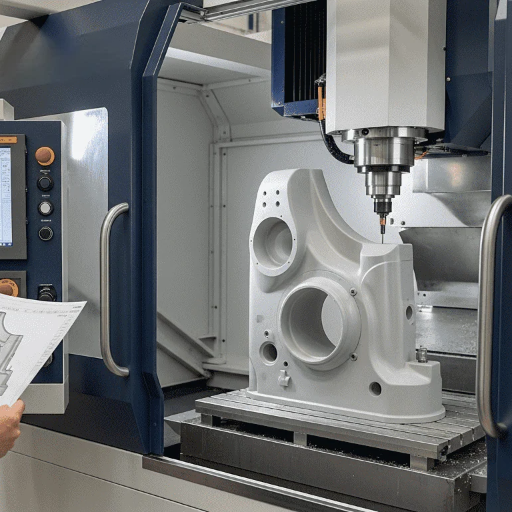
CNC plastic machining utilizes a wide range of materials, each carefully selected for its specific properties and compatibility with the intended application. Plastics commonly used in CNC machining include ABS, due to its impact resistance and machinability; PC, for its strength and optical clarity; nylon, for its toughness and wear resistance; and POM (Delrin), for its precision and low friction. Yet, other materials, such as PTFE (Teflon), Acrylic, and PEEK, are selected based on their chemical resistance, transparency, or high-temperature performance. The wide variety of materials enables CNC machining to fulfill a range of industrial and engineering needs.
Popular Plastic Materials for CNC Machining
- Polycarbonate (PC) is highly preferred for applications requiring durability and transparency, as it possesses high strength, impact resistance, and optical clarity.
- Nylon: Has properties of toughness, wear resistance, and low friction; it is often used in items such as gears and bearings.
- POM (Polyoxymethylene or Delrin): Used for precision parts because of its dimensional stability and low surface friction.
- PTFE (Teflon): It possesses exceptional chemical and high-temperature resistance, for which sealing and insulation are used.
- PEEK (Polyetheretherketone): A high-performance plastic that can withstand extreme temperatures and chemicals, ideal for harsher environments.
Evaluating Tolerance Levels in Machined Plastic
Tolerance levels in machined plastic parts are crucial to ensure functionality and performance in an application. Plastics differ significantly from metals in terms of thermal expansion coefficient, elasticity, and machining properties, which affect the tolerances that can be achieved. Factors such as material, machining process, tool sharpness, and environmental conditions are crucial for maintaining tight tolerances. Typically, looser tolerances are maintained for softer plastics, such as UHMW, due to their flexibility, while more rigid plastics, like PEEK or POM, can hold tighter tolerances. However, we need to consider what happens to the dimensions of the finished product afterward, where post-machining may include temperature variations, humidity, and other factors that could affect stability. One must be aware of all such factors to consider when working alongside machining experts to ensure the production of tight-tolerance plastic parts.
Custom CNC Machining Materials
Custom CNC machining enables the use of practically any material to create objects for a wide range of applications. Some of the most commonly used materials range from:
- Plastics: PEEK, POM, and PTFE are all popular choices due to their versatility, durability, and resistance to wear or chemicals. Each plastic offers unique properties to fit specific mechanical and environmental requirements.
- Metals Such as Aluminum, stainless steel, brass, and titanium are commonly used materials because they offer both strength and machinability for industrial and commercial applications.
- Composites and Specialty Materials: Special requirements may include carbon fiber-reinforced plastics or specialty alloys for components that require properties such as lightweight strength or heat resistance.
The material one would need depends on factors such as durability, thermal stability, chemical resistance, and specific application requirements. With such requirements in hand, it is best to select a qualified machining partner for material selection and precision.
Applications of CNC Plastic Machining
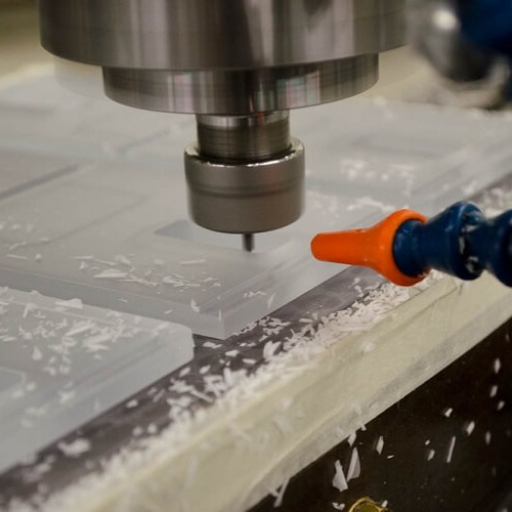
- Medical Equipment: The field of medical equipment uses them for manufacturing parts such as surgical instruments, prosthetics, and diagnostic devices, all of which require high precision and biocompatibility.
- Automobile Parts: They are ideal for producing lightweight yet strong components, such as dashboards, interior panels, and under-the-hood parts.
- Aerospace Components: For parts that are lightweight and heat-resistant, with brackets, housings, and insulating.
- Electronics Enclosures: The casings and protective housings for delicate electronic devices.
- Industrial Machinery Parts: To fabricate gears, bearings, and seals that operate under demanding conditions.
Industries Utilizing CNC Machined Parts
- The automotive industry extensively utilizes CNC machining in the manufacturing of exact components, including engine parts, transmission systems, and customized interior features.
- Aerospace Industry: It is crucial for producing exact parts, such as turbine blades, structural components, and lightweight assemblies.
- The electronics industry typically utilizes it in the manufacture of enclosures, connectors, and heat sinks for various electronic instruments.
- The medical industry produces surgical instrumentation, orthopedic implants, and dental devices with the highest precision.
- Industrial Manufacturing: Production of heavy machine components such as shafts, fasteners, and heavy-duty tooling.
Innovative Applications of CNC Plastic Milling
CNC plastic milling has enhanced manufacturing by enabling the highest precision and complexity in producing plastic components across various industries. Some super innovative ways the technique is applied include:
- Aerospace Components: CNC milling of plastic parts, including brackets, panels, and housings, is performed with unmatched precision for aerospace applications. These components must adhere to stringent tolerance and performance standards established by CNC milling.
- Prototyping for Product Development: Using CNC plastic milling, companies can rapidly prototype, experimenting with junior versions for real use in the design, and eventually, iterations for full-scale production.
- Custom Healthcare Solutions: CNC milling is utilized by medical device manufacturers to produce custom prosthetics, patient-specific implants, and exact diagnostic instruments that require patient-specific features.
- Automotive Innovations: The design and enhancement of vehicles are greatly facilitated by CNC-milled plastic parts, which include engine covers, dashboard assemblies, and lightweight structural elements that contribute to improved fuel efficiency.
- Eco-Friendly Manufacturing: The use of recyclable plastics and precise milling techniques enables the creation of sustainable products that minimize material waste and reduce environmental impact.
These must-have applications showcase the flexibility and potential of CNC plastic milling systems in driving innovation and enhancing efficiency across various sectors.
Real-World Examples of CNC Plastic Products
- In medicine: Surgical instruments, prostheses, and housings for medical apparatus—the most precise requirements are CNC plastic milled.
- In the automotive industry, lightweight dashboard panels, bespoke trims, and tough components for under-the-hood applications are among those that benefit from plastic machining.
- In the aircraft industry, plastic CNC milling is used to produce interior cabin parts, lightweight brackets, and insulation panels that comply with stringent industry standards.
- Consumer electronics: CNC plastic milling is used to manufacture durable and precise cases and internal parts for handheld devices such as smartphones, tablets, and laptops.
- Industrial machinery, including gears, bushings, and machine guards, relies on CNC milling for precision and strength.
These examples demonstrate that CNC plastic products play a vital role in numerous industries, where both design efficiency and flexibility are essential.
Frequently Asked Questions (FAQs)
What are CNC plastic machining services?
CNC plastic machining services involve the precise fabrication of parts and components using computer-controlled machinery on several types of plastic materials. This service is best suited for producing prototypes and production parts with utmost accuracy and complex designs. They have applications for several fields, and the end products conform to particular specifications.
What material types are considered for CNC plastic machining?
CNC plastic machining can be performed on various materials, including acrylic, polycarbonate, nylon, and PVC. These are selected according to their mechanical properties and relevance to the actual field of application. The choice of plastics plays a crucial role in both the machining processes and the subsequent surface finish of custom CNC parts.
Why should one consider 5-axis CNC milling for manufacturing plastic parts?
A 5-axis CNC milling machine offers greater flexibility and precision in machining complex geometries and delicate designs that are challenging to achieve with a 3-axis machine. This is especially useful when designing custom CNC parts with very tight tolerance requirements and polished surface finish.
Can CNC machining do prototypes and production parts?
CNC machining is flexible enough to do both prototypes and production parts. Many companies, therefore, utilize CNC plastic milling services to produce prototype parts for testing and validation before transitioning to mass production, ensuring that all design criteria are met in the final products.
What are the typical CNC machining applications for plastic parts?
CNC machining for plastic parts encompasses a wide range of mechanical components, housings, brackets, and custom enclosures. These applications extend into industries such as automotive, aerospace, medical, and consumer products, where precision and durability are imperative.
How is CNC routing differentiated from CNC milling?
CNC routing is primarily used for cutting and shaping large sheets of materials, often utilizing a flatbed CNC. In contrast, CNC milling involves removing material from a part to achieve the desired shape and dimension. CNC milling is primarily used for more intricate and detailed jobs, and is therefore best suited for producing intricate machined plastic parts.
Reference Sources
-
CNC Plastic Machining: Types, Processes, and Applications – Geomiq: Explains the versatility of CNC machining for creating complex parts from plastics.
-
CNC Plastic Machining: A Complete Guide to Materials – SWCPU: A comprehensive guide to CNC plastic machining, including processes and materials.
-
What is CNC Machining of Plastics and How Does it Work? – MK Plastteknik: Discusses the automated methods used in CNC machining for shaping plastic materials.
- Top custom stainless steel parts Manufacturer and Supplier in China
- Guide for Company Machining Stainless Steel Parts


