


Finding the best custom metal parts fabrication near me is paramount for industrialists and consumers who need precision, quality, and roughness. From large-scale construction projects to petite customizations, knowing one’s options regarding sheet metal and even more is essential, as a beautiful finish will be required. The present article examines the potential of today’s metalworking, which ranges from sophisticated methods and materials to areas of usage, and is rounded out with issues that are worth considering when looking for a service provider in the local area that will meet your requirements. Read further to find out how an expert in fabrication can help you work on your projects with finesse, impeccable craftsmanship, and advanced technology.
Understanding Metal Fabrication

Metal fabrication involves cutting, forming, and fitting the metal pieces to make structures or parts. These operational methods include, but are not limited to, welding, bending, and machining, and utilize such metals as steel, aluminum, or copper in metalworking. Such industry is relevant in construction, automotive, and even aerospace industries, which custom-make and produce durable products. In most cases, the leading edge in fabrication is acquired labor skills complemented by modern technology, which enables the making of customized products, airborne or on the ground. For example, one may surf the internet to find custom metal parts fabrication near me or where one wants.
What is Metal Fabrication?
Metal fabrication is the process by which metal materials are assembled and formed into a final product, such as a component or a machine. Such activities involve various operations such as cutting and jointing the metal to the desired size and shape. This method is sought-after in many sectors because it is possible to use the same material but much lighter with similar strength, especially with metals. This usually applies to certain design areas, including the industrial field and architecture.
Types of Metal Fabrication Services
|
Type |
Key Process |
Purpose |
Tools Used |
Output |
|---|---|---|---|---|
|
Casting |
Molten shaping |
Complex shapes |
Molds/Dies |
Solidified forms |
|
Cutting |
Material splitting |
Size reduction |
Saws/Lasers |
Smaller pieces |
|
Die Casting |
High-pressure mold |
Precision parts |
Dies |
Hardened shapes |
|
Drawing |
Tensile shaping |
Thin shapes |
Tapered Dies |
Stretched metal |
|
Extrusion |
Forced shaping |
Cylindrical parts |
Dies |
Pipes/Wires |
|
Folding |
Angle bending |
Shaped sheets |
Brake Press |
Bent metal |
|
Forging |
Compressive force |
Durable parts |
Hammers/Dies |
Shaped metal |
|
Machining |
Material removal |
Precision cuts |
Lathes/Drills |
Custom shapes |
|
Punching |
Hole creation |
Fastening |
Punch/Die |
Perforated metal |
|
Shearing |
Straight cuts |
Long sections |
Blades |
Cut sheets |
|
Stamping |
Indentation |
Raised designs |
Presses |
Embossed metal |
|
Welding |
Metal joining |
Unified parts |
Torches |
Welded joints |
Importance of Custom Metal Parts
Custom metal fabrication is crucial for industries where performance has reached a superlative degree in different products, as their role entails designing and manufacturing unusually sophisticated parts required for producing a specific end product. Moreover, the fabrication process involves a lot of skill, which ensures that each part is tailored to fit the exact specifications, thus leading to better performance and production efficiency. This customization intensifies the product’s strength and dependability, making it less susceptible to breakdown when subjected to a load, especially when applied to metallic soils. There is also the support of creative endeavors by manufacturing since these parts help to reach designs with builders that they could not have reached, given standard parts. The ease with which they can be altered to suit specific tasks renders them almost essential across different fields, such as vehicle making, aeronautics, buildings, etc.
Custom Sheet Metal Fabrication
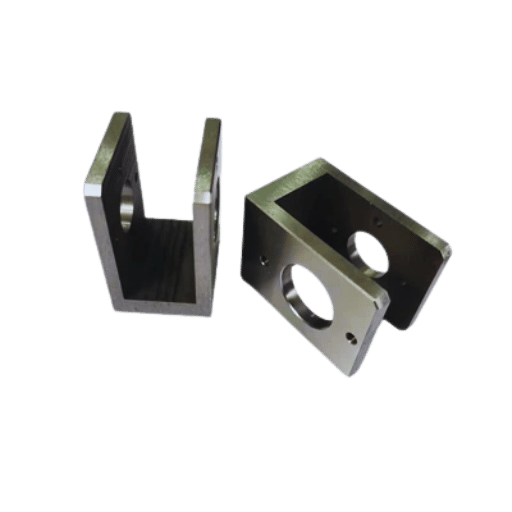
Benefits of Custom Sheet Metal Parts
- Precise Fit and Functionality: These are specialised sheet metal parts designed to meet the specific size and operational requirements, making them easy to integrate into any application the client desires.
- Enhanced Material Options: Sheets allow the customer to select a material that fits a particular purpose, such as food-grade stainless steel or Zinc for protection from the weather or wood for a more aesthetic touch where needed.
- Cost-Effectiveness: Custom parts eliminate waste due to the strategic use of material and reduce the requirement for further alterations during the assembly phase.
- Improved Performance and Durability: These systems are used for components like penthouses, making them practical, durable, and able to endure extreme conditions.
- Facilitation of Complex Designs: What would have been complex to achieve, materials of a specific shape, like special curves, can easily be achieved through custom fabrication; this promotes innovation and incorporation of advancements in the field.
Sheet Metal Fabrication Process
The sheet metal fabrication process has many necessary steps that are followed for converting flat metal sheets into personalized components or constructions:
- Cutting: In the beginning, cutting the sheet metal to exact measurements requires using techniques such as laser cutting, shearing, or waterjet cutting.
- Forming: After the cut-shaped metal sheet material is prepared, it is shaped into the desired pattern using bending, rolling, and stamping operations, which are also imperative in metal forming.
- Joining: Items are put together using various methods, such as welding, riveting, or even adhesives, which are often necessary for the production process.
- Finishing: The last part is maintaining the quality and durability of the product by performing activities like painting, powder coating, or polishing the surface to improve its aesthetic and protective properties.
Each of these ways ensures accuracy and effectiveness for sheet metal fabrication.
Common Applications of Sheet Metal Fabrication
- Automotive Industry: Utilized in the manufacturing of various components, such as car bodies, chassis, and internal parts.
- Aerospace Industry: Utilized to produce relatively light but powerful aircraft components such as wings, fuselage, and brackets.
- Construction and Architecture: Applied to the covering, the supporting, the enveloping, and the heating/cooling processes of buildings.
- Electronics Industry: Employed to make covers, U-cases, and other electronic devices and circuit casings.
- Medical Equipment: Employed to fabricate surgical instruments, hospital furniture, and protective casings of delicate apparatus.
Choosing the Right Fabrication Service

Factors to Consider When Requesting a Quote
- Material Selection: For your project, determine what material is mechanically, thermally, and chemically stable and suited for particular purposes. Pricing can vary according to the material’s availability.
- Design Complexity: Offer exact instructions like size, tolerances, and finishes. More complex ideas could significantly elevate expectations of the cost structure since additional methodologies are necessary for their development.
- Production Volume: Mention the units to be manufactured. Large-scale production often minimizes the unit cost, whereas small order quantities pose higher setup and production costs.
- Lead Time Requirements: The time scale for delivering your specially designed objects should be addressed explicitly. By engaging in time-bound activities, some projects would lead to added costs or a difference in the time that certain stages would be done.
- Additional Services: For example, consider any value-added activities such as building, special paintworks, or quality control of the project, as all these affect the cost and completion time.
Evaluating Metal Fabrication Services
- Experience and Expertise: Conduct background research about the provider, discovering other similar cases and their understanding of the field.
- Equipment and Technology: Review presentation documents to ensure they have up-to-date equipment and the proper procedures to enhance efficiency.
- Quality Standards: Check if the provider holds quality certifications like ISO 9001 to ascertain that quality control to specifications and standards prevail in the organization.
- Cost Transparency: Get precise quotations and compare the numbers to what you have come up with.
- Customer Support: Evaluate the verbal responses from the company’s sales team so that messages are not lost during the negotiation process.
Technology in Metal Fabrication

The Role of CAD in Custom Metal Fabrication
Generally, Computer-Aided Design (CAD) is an excellent aid for individual metal-making skills since it can add helpful practicality, rigor, and expansion in design. CAD soft helps the fabricators create drawings in both 2D and 3D that have detailed drawings and highlight the aspects of designs by eliminating material waste. This design is what the fabricators work towards and ameliorates the quality of the fit of each piece used in the structure.
The most current CAD programs help create design models with such capacities as simplifying a designer’s job through parametric modeling, where any provided data changes. This agility supports faster product development and faster changes during production. According to the findings of the G2 Crowd Grid ‒ CAD software for design, in the case of its application, all the creation errors can be reduced by up to 30 percent, which translates to significant cost and time decreases on IT projects. Moreover, Tolerance represents understanding and clarification of what exactly one is required to do and how physically one should do it, in the form of applicable data.
The integration of CAD into metal fabrication processes enhanced the level of teamwork and communication between both personnel and clients. The development of online-based computational systems allows for the collaboration of several people who can access any design at any time, virtually on a real-time basis. These functions further ensure that wherever a project is fabricated, the project is manufactured correctly and very fast, which aligns with the industry’s expectations in improving quality and being more innovative.
Laser Cut Parts: Advantages and Applications
Laser cutting has dramatically advanced the industrial field with its improvements in speed, accuracy, and flexibility that previously did not exist. One key reason is the ability to produce complicated designs with minimum material wastage, which is both cost-effective and environmentally friendly. This even includes relatively advanced laser cutting technologies that can work with metals, plastics, or composites, thus considering their customers’ specific requirements.
Conventionally, laser-cut parts from many manufacturing processes can be found in the aerospace, automotive, and electronics industries. In automotive engineering, for example, laser cutting is incorporated in forming intricate engine parts to satisfy design tolerances and specifications and construct exhaust systems and structural enclosures. For one thing, laser cutting is disappearing in electronic manufacturing, which produces small circuitries and components necessary to create devices like high-performance equipment.
It can also be noted that the research materials indicate levels of precision allowing the laser cutting system to achieve three thousandths of one imperial inch or more working tolerance for some applications, with exceptional uniform details and accuracy in manufacturing parts. It has also been reported that combined fiber and CO2 lasers can speed up processes five times compared with other well-known cutting technologies. It states how these improvements substantiate the necessity of laser-cut parts in meeting the requirements of contemporary manufacturing, providing perfect and expandable answers, primarily when dealing with online sheet metal fabrication.
Innovations in Sheet Metal Fabrication
The past few years have seen a lot of development in sheet metal fabrication—technological developments in constructing parts made from sheet metal, specifically automation, accuracy, and sustainability. Automation solutions like robotic welding and CNC machines have made it easier to manufacture products, improving accuracy and speed, thereby reducing human error. High precision laser technology is currently used to cut metals with very little wastage. For as long as relevant materials and technologies are used, economic and energy-efficient, environmentally friendly machines suffice. They also provide these technologies since they help the current sheet metal fabrication remain programmer-friendly, accessible, and not harmful to the environment.
Finishing Touches for Custom Parts
Understanding Powder Coating for Metal Parts
Regarding safeguarding metals, powder coating guarantees the highest results owing to its robustness and uniqueness. Essentially, it involves a dry powder that, when charged through an electronic current, is sprayed on the surface of a metallic substance. The Part so prepared is then cured in a heat oven, which causes the powder to melt and flow by fusion and form a continuous protective coat.
The other superior aspect of powder painting is that it resists surface corrosion, chemicals, and prevailing climatic conditions. Records indicate that items coated with this powder do not wear out as fast as those painted with regular liquid paint. If handled properly, many products last longer and have a life expectancy of 15-20 years. This makes them very appealing regarding short-run and one-off production processes, particularly in construction and cheap products. Moreover, one of the characteristics of powder painting is that it has a wide range of color and texture combinations suitable for aesthetic and operational features.
Powder coating is also a more eco-friendly alternative, using much less Volatile Organic Compounds (VOCs) than solvent-based procedures. It also minimizes losses caused by overspraying to 95%. These functional superiority and safety qualities have contributed to the increased usage of powder coating in several industrial sectors, such as motor vehicles, aerospace, consumer products, and construction.
Thickness Considerations in Fabrication
The thickness of the component is of immediate concern as it influences the properties of materials, the effectiveness of processing, and the savings of the entrepreneur. Take, for instance, metallic construction and water thickness. Thickness is directly proportional to structural stability and capacity for loads, and most in need of sustenance are the materials that are thicker and with better prospects for wear. But, some added material thickness may present more than enough problems, such as additional time to machine, toughness during forming or bending, and excess spending in the long run due to more materials and energy utilized.
The difficulty of handling material thickness has been addressed with the development of efficient processing methods like laser and waterjet cutting. For example, laser cutting allows for high-speed cuts in lighter gauges at speeds over 1000 inches per minute, nearly overtaking the sheet metal cutting process. On the other hand, water jet cutting can cut materials that are relatively very dense and thick, in a range of several inches, without causing much thermal distortion to such sheets, which makes it ideal for its application in composite or high-strength metals.
Moreover, in the mechanics of thickness, factors related to the operation that is to be carried out must be taken into consideration by engineers. It is cheaper where thin materials are preferred, like the automotive or aircraft industries, because of the reduction in weight and hence an increase in efficiency and performance. On the other hand, jobs like construction or the machinery infacemodules of high strain often entail using thicker materials to increase security and wear and tear. These considerations allow them to modify manufacturing techniques to achieve the desired result and the set economic goals.
Ensuring Quality in Custom Metal Parts
Custom metal parts fabrication near me entails high standards of craftsmanship. It demands precise engineering and material usage, as well as rigorous techniques in inspecting the properties of such parts. Manufacturers ensure that existing design specifications and industry standards are met via advanced technology such as laser cutting and CNC machining. Quality control activities such as evaluating tolerances and dimensions for precision, material tests for durability, and surface smoothness tests also help identify such problems in the initial stages and prevent them from aggravating the situation. Frequent evaluation of the stages of the manufacturing processes reduces process variation and ensures that the manufactured product meets its application specification.
Frequently Asked Questions (FAQs)
Q: What is custom metal parts fabrication, and how does it work?
A: Custom metal parts fabrication creates parts for specific configurations and requirements using various strategies. It can include cutting, welding, machining, and finishing processes, which means special parts unique to manufacturing worldwide can be created in different areas, such as aerospace and automotive.
Q: How can I start my first SendCutSend project for custom laser-cut parts?
A: You can easily begin your first project with SendCutSend by going to their webpage, uploading your design file, or using their parts builder to get a quote on your folding mechanics. If you are satisfied with the project’s cost, you can place an order and expect that the custom parts designed will be sent to your location without any delays.
Q: What types of materials are available for sheet metal fabrication services?
A: Involving the services of sheet metal fabrication usually means that different types of materials are available, such as steel, aluminum, copper, and brass. Depending on your project, materials that satisfy the strength, weight, and corrosion requirements of the particular design can be selected.
Q: What are the lead times for custom metal parts fabrication?
A: The duration of fabricating custom-made metal parts can be characterized based on the volumes and complexity of the order. However, many fabricators can produce and deliver the components in a few days, such as copies of the original standard parts.
Q: How do I ensure tight tolerances in my metal fabrication projects?
A: Tight tolerances in metal fabrication projects can only be achieved if craftsmen who have worked with metals for a long time are engaged in the process, such as those who understand high precision machining and higher fabrication methods. Providing a detailed CAD also helps ensure tolerance.
Q: Can I get custom-anodized parts for my automotive equipment?
A: Indeed, many metal fabricators offer anodizing as an ancillary opportunity. Anodized parts are coated with a protective coating, making them long-lasting and suitable for automotive and similar equipment use.
Q: What is the process of waterjet cutting in custom metal fabrication?
A: Waterjet cutting is an effective process that uses high-pressure water mixed with abrasive materials to cut through metal sheets. This process achieves a high level of intricacy and integration of water jet cutting and consequently cutting pattern elements with low or minimal access to heat.
Q: Are there minimum order requirements for custom metal parts?
A: Most fabricators have rules on minimum orders; however, these would otherwise affect nothing or only slightly for the rest. The minimum quantities for small orders or sampling orders may vary by component. Hence, before venturing into business with any fabricator, always seek clarification.
Q: How can I ensure the quality of the parts delivered?
A: To ensure the quality of the pieces you will receive is not degraded, it is essential to identify the most experienced and seasoned fabricator who has handled such details in the past and made good-quality fabrications. Communication always helps, so you can call and ask for some samples for review, which will shed some light on the person’s quality assurance systems.
Q: What are the typical applications for custom metal parts across many industries?
A: Various tasks, such as modifying weight multiaxial components in the aircraft field of application, non-metallic heat resistance in the automotive regions, and modifying machines and tools in the manufacturing industry, use the tried and trusted methods of customizing metal gears. They find acceptance in many applications for obvious reasons.
Reference Sources
1. Embedding the idea of bending in hybrid additive manufacturing chains associated with powder processing
- Authors: V. Cristino, Rui F. V. Sampaio, João P. M. Pragana, I. Bragança, Carlos M. A. Silva,
- Paulo A. F. Martins
- Journal: MATEC Web of Conferences
- Publication Year: 2025
- Key Findings:
- This study aims to elucidate the prospects for improving the production of products with irregular shapes by integrating metalworking techniques into an additive manufacturing process.
- It also studies the fabrication of long and thin elements and shows how introducing bending operations into additive manufacturing processes is practically advantageous.
- The combination of such manufacturing processes has proven to advance grown material yields, lines, and manageable shape tolerances further.
- Methodology:
- The research was conducted based on the results of mechanical tests and tensile tests and through numerical simulations, primarily secondary to the requirement of greater design complexity (Cristino et al., 2025).
2. Exploring manufacturing techniques for small-scale metal fabrication, including CAD design and custom made options. – Thesis from the University of Mississippi, with a focus on optimizing the best strategies for small-scale metal fabrication regarding efficiency and scalability.
5. Leading Stainless Steel CNC Machining Services Provider in China


