


Metal cutting machines serve as the mainstay of numerous industries, such as automotive production and aerospace engineering, to name a few. These machines not only have the power to cut but also to give precision, efficiency, and even creativity while dealing with different metals, thus making them indispensable for both huge industrial undertaking and small specialized tasks. The article will unveil the captivating realm of metal cutting machines, categorizing them according to types and their respective functions and discussing the factors that matter most when selecting the perfect one according to your requirements. The information provided in the guide will be of great help in understanding the versatile machines and their position in the modern manufacturing sector regardless of whether you are an expert or just new to the field.
Introduction to Metal Cutting Machines
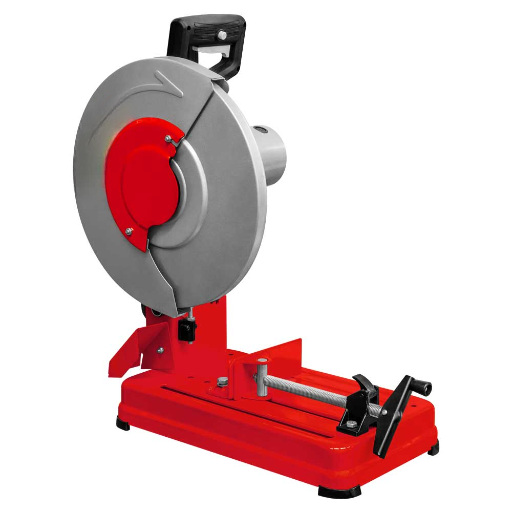
Metal cutting machines are machines designed to remove material from metal workpieces to shape, size, or finish them according to specific requirements. Due to their precision and efficiency, these halls are dedicated to manufacturing, construction, and custom fabrication. Laser cutters, plasma cutters, waterjet cutters, and mechanical cutters (lathes and milling machines) are the main types of metal cutting machines. The decision regarding the right machine is based on the type of material, the required precision, and the production volume among other things. These machines have become indispensable in today’s industries, enabling the manufacture of robust and precise parts.
What is a Metal Cutting Machine?
A metal cutting machine is a piece of equipment designed primarily for working with metal, cutting it, or shaping it to specific specifications. There are different techniques applied in these machines, the most common being use of mechanical force, thermal energy, or high-pressure systems, to name a few. Laser cutters, for example, use concentrated light beams to make accurate cuts while waterjet cutters depend on a mix of water at very high pressure and abrasive substances to cut metals. On the other hand, machines like lathes and milling machines work mechanically by rotating or moving linearly to produce the desired shape or finish. The introduction of computer numerical control (CNC) technology is one of the most significant advancements that has transformed metal cutting machines, making them more accurate, faster, and more efficient. Metal-cutting machines have become indispensable in industries such as automotive, aerospace, construction, and manufacturing, as they are the core of numerous production processes.
Importance of Metal Cutting in Industry
The manufacturing process of metal cutting plays a major role in transforming raw materials into the precise components of modern industry. Metal cutting process can be said to be the most efficient way of producing, and it is also a source of high precision parts creation, supporting the automotive, aerospace, building, and electronics industries. The application of advanced cutting technologies such as the CNC machines, aside from reducing the waste and costs, also helps to maintain a consistent high quality, thus making the technology a must-have for the manufacturers who want to keep their competitiveness alive and satisfy the ever-changing market demand.
Overview of Different Types of Metal Cutting Machines
Machines for metal cutting find their place in many industries where metal shaping and fabricating have to be done with great accuracy and fastness. The most popular types of machines for cutting metal are:
Laser Cutting Machines – These equipped with high-intensity laser beams are the laser cutting machines, which cut the metal very precisely. They are good for complicated drafts, and the medical and electronic manufacturing using wonderful patterns accept them as the primary machines.
Plasma Cutting Machines – Plasma cutters rely on extremely hot plasma, created with an electrically conductive gas, to achieve their cutting effect on metals such as steel, stainless steel, and aluminum. The qualities of such machines that are considered the most important are their fastness and versatility so they are commonly found in automotive and construction industries.
CNC Milling Machines – CNC milling machines are very powerful and multitasking machines also referred to as Computer Numerical Control milling machines and are equipped with rotary tools to cut and shape metal parts taking away some material.
Though the specialized areas of cutting machines’ applications differ from one another their strengths do still overlap thus assuring high performance even in the most challenging professional manufacturing environments.
Types of Metal Cutting Machines
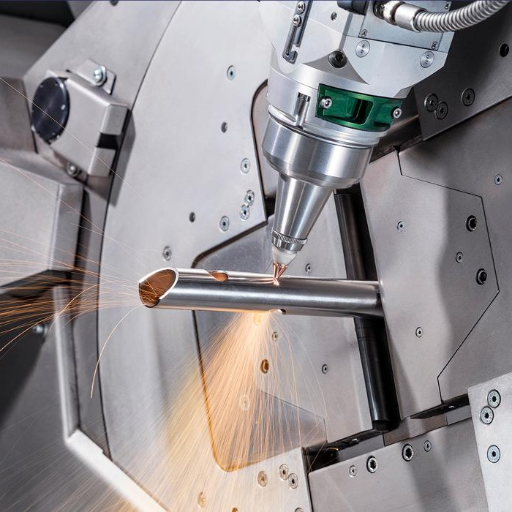
Metal cutting machines include CNC milling machines, CNC lathes, laser cutting machines, plasma cutting machines, waterjet cutting machines, sawing machines, and electric discharge machines (EDM).
| Type | Key Feature | Application | Material |
|---|---|---|---|
| CNC Milling | Rotating tools | Precision cuts | Metals/Plastics |
| CNC Lathe | Spinning work | Cylindrical parts | Metals |
| Laser Cutting | High precision | Intricate cuts | Metals/Non-Metals |
| Plasma Cutting | Heated plasma | Thick metals | Metals |
| Waterjet Cutting | High-pressure | No heat impact | Metals/Glass |
| Sawing Machine | Blade cutting | Straight cuts | Metals/Wood |
| EDM | Electrical spark | Complex shapes | Hard metals |
Laser Cutting Machines
Lasers that cut through materials are precision tools that use powerful and focused light to perform the cutting, engraving or even etching of materials with the utmost accuracy. These machines are essential in manufacturing, construction, and design; they not only allow for the production of complex designs and make exact cuts but also work with a wide range of materials, including metals, plastics, and wood. The technological development has not only accelerated the speed of laser cutting but also made them more energy-efficient and able to perform complex operations. They also help reduce the amount of waste generated from the materials, making them a green option for many uses due to their accuracy.
Plasma Cutting Machines
Plasma cutting machines are essential instruments for cutting electrically conductive materials, such as steel, aluminum, and brass, with utmost accuracy and efficiency. The application of a rapid flow of hot plasma results in quick and clean cuts, even in thick materials. Thus, these machines are highly suitable for industrial operations including automotive repair, metal fabrication, and construction. The latest plasma cutters come with energy-saving features and control systems that has improved the precision and reduced the waste of materials, thus giving the operators more support. The range of metal thicknesses that these machines can accommodate, along with their versatility, makes them a perfect option for professionals seeking a reliable and economical cutting method.
CNC Machines
Computers control numerical control (CNC) machines, which are highly sophisticated equipment that employ computerized systems to control machining processes, replacing manual operation for greater accuracy and reduced energy consumption. These machines are good at performing complex tasks like milling, turning, drilling, and cutting very steadily and thus, the quality of production is always of a very high standard. CNC machines find applications in industries such as aerospace, automotive, and manufacturing due to their capability to manufacture intricate designs and support high volume production runs at the same time. Present-day CNC systems also come with user-friendly software, making it easy for operators to design and scale up production of parts with unrivaled accuracy and speed.
Applications of Metal Cutting Machines
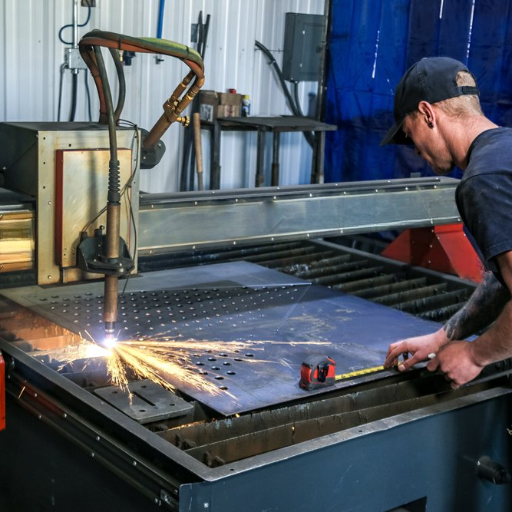
Metal cutting machines are highly regarded instruments in a range of industries. They find extensive application in the automotive industry for the production of engine parts, transmission components, and chassis. In Aerospace, the machines are used for the accurate shaping of essential parts such as turbine blades, and airframe sections. Besides, Metal cutting machines are actively engaged in the manufacture of steel, tools, and medical implants, where they provide not only the needed precision and speed for the complicated but also the mass production requirements of the imprints.
Cutting Sheet Metal
Metal-cutting machines are a must-have for processing sheet metal in various industries. These machines can easily cut, shape, or engrave metal, having great accuracy and consistency. They are essential in various sectors, including construction, automotive, and electronics, where metal sheets are necessary for manufacturing parts such as panels, enclosures, and supports. The capability of these machines to handle complex designs and maintain very close tolerances ensures both efficiency and quality in the production process.
Precision Cutting for Mild Steel
Metal cutting machines are the ones that deliver the best and most precise results, which is why they are indispensable in the processing of mild steel for industrial applications. Mild steel is widely used in the manufacture of structural parts, automotive components, and even cutlery due to its excellent ductility and malleability. CNC laser and plasma cutting are two of the most recommended methods for cutting mild steel, as they not only deliver high-quality cuts but also minimize material wastage to the lowest possible level. The manufacturing process of brackets, frames, and supports which are used in the construction and engineering sectors, demand such precision of the parts being made. The machines are highly efficient performers, and this is achieved through the use of the latest technologies in cutting and automation, which in turn result in enhancements to overall productivity and quality standards in maintenance.
Metal Plate Cutting Techniques
Metal cutting plates are utilized in diverse ways and up to a certain extent determined by the thickness and accuracy requirements. The standard methods are as follows:
- Laser Cutting – The process where metal plates are cut with great precision by focusing a laser beam on the material ranging from thin to medium thickness. It is perfect for high accuracy and less waste.
- Plasma Cutting – The process uses the dynamics of hot gas in plasma form to cut the heavier metals; it is also faster than other methods making it the favorite of industrial applications.
- Waterjet Cutting – The method of using very high-pressure water and abrasives to cut metal with no heat thus preserving the material changes and deformation.
- Oxy-Fuel Cutting – Heat the metal with a flame and apply a high-pressure oxygen jet; this is the method for thick steel plates cutting.
- Shearing and Mechanical Cutting – Machines such as guillotines or shears are used to make straight cuts, and this is one method for initial rough shaping.
The technique that is chosen depends on the factor such as the type of material, accuracy required, the thickness of the material, and the production scale.
Choosing the Right Metal Cutting Machine
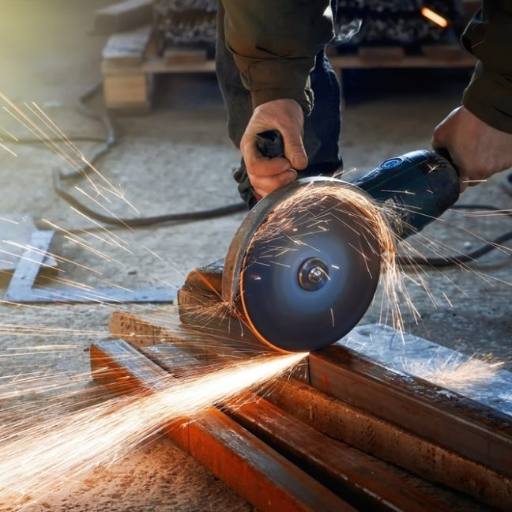
Picking a metal cutting machine that is just right for you, you will need to consider the most important factors like material type, thickness and production requirements. If you need very high precision on fragile materials, laser cutting or waterjet cutting would be the best choices. Plasma cutting works well on moderate thicknesses and is very fast at a reasonable price. Oxy-fuel cutting is a strong choice for very thick metals. If all you need are straight cuts and low-cost methods, then shearing or mechanical cutting may be the right fit for you. Always take into account the factors such as precision requirement, production volume and budget to make sure the machine you choose bells in with your operational goals.
Factors to Consider When Selecting a Machine
- Material Type and Thickness: The material type and thickness that you want to cut determine the machine to be selected very importantly. Each machine is designed to work only on specific materials and thicknesses.
- Precision Requirements: Consider the accuracy and quality of the edges required for your project. High precision tasks are often assigned to machines like laser cutters or waterjet cutters.
- Production Volume: The size of the operation should be considered when determining whether a high-speed, large-volume cutting machine or one suited for smaller, infrequent tasks is needed.
- Budget: Consider the initial investment cost and ongoing trading expenses as well. Laser cutters, for instance, may have relatively high initial costs but they can still be very efficient and economical in the long run depending on how much they are used.
- Complexity of Cuts: If your designs feature intricate and special shapes, a cutting machine must be purchased that can accommodate such complexity, such as systems with CNC control.
Comparing Cost and Efficiency
In the course of appraising the expense and efficiency of a metal-cutting device, it is essential to consider both the short run and long run factors. Cutting machines, such as lasers or waterjet cutting, which have a high initial investment, typically offer reduced waste and faster production times for complex projects through their superior precision and versatility, which is one of the reasons for their high costs. Furthermore, the machines may require a significant amount of maintenance and energy expenses in the long run, making them more suitable for high-volume or specialized areas of manufacturing. In contrast, plasma cutting or mechanical saws typically have a lower capital investment and require less maintenance; however, they may lose efficiency in situations that require precise cutting or high-speed output.
Ultimately, it comes down to selecting the cutting tool that best suits your specific requirements and preferences. If you are a small business or an occasional task, you will only need a less expensive provided it is not go beyond your budget. In contrast, companies with extensive production requirements and a need for superior cutting technology may find it worthwhile to invest in a high-end cutting machine, as the benefits over time will outweigh the initial cost.
Understanding Material Compatibility
The choice of metal cutting machine is highly depended on material compatibility. Various machines are designed for specific types of metals, such as steel, aluminum, or copper, and their effectiveness varies depending on the material’s thickness and hardness. Take, for example, plasma cutting machines which are perfect for thick and conductive metals, while laser cutters are best for precise cuts of thinner materials like stainless steel. Matching the material’s characteristics and the cutting machines capabilities is very important to achieve clean and accurate cuts while preventing the machines from getting worn out or damaged. Always check the manufacturer’s specifications and if feasible, run some tests with the samples to establish that your intended materials are compatible.
Operational Principles of Metal Cutting Machines
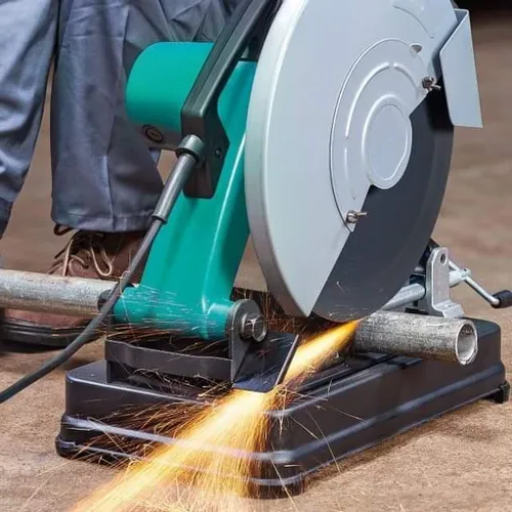
Metal cutting machines are driven by two fundamental concepts: removal of material and precise control. These machines apply either mechanical or thermal energy to the material, shaping it into the desired figure. On one hand mechanical approaches that include shearing or abrasive cutting, the physical force is by the cutting tool is applied on the material, and on the other hand in the case of thermal methods like plasma or laser cutting, very high heat is used to melt or vaporize the metal along a specified path. The secret to a successful operation is balancing speed, energy input, and tool precision to achieve clean results, while also minimizing material waste and equipment wear.
How Laser Cutters Work
Laser cutters utilize a very concentrated light beam which is focused on a material’s surface, and then due to the extreme heat generated by the cutting, the material is melted, burned, or vaporized according to a very precisely defined path. Usually, the light beam is made much stronger through the use of mirrors and lenses to achieve exact cuts. The entire cutting process begins with a design created in software, which the laser cutter will imprint with excellent accuracy, enabling the creation of intricate designs or shapes. The adjustments in the settings of power, speed, and focus of the laser depend on the type of the material so that clean cuts are made without any damage to the surrounding material. Laser cutters are frequently used for metals, plastics, wood, and even glass, providing flexibility across various industries while reducing waste and increasing efficiency.
Principles of Plasma Cutting
Plasma cutting is a technique that makes use of an ionized gas which is electrically conductive and the so-called plasma to slice through metal and other electric conductors such as steel, aluminum, brass, and copper. Initially, the process creates an arc between the gas and the workpiece when a high-speed jet of ionized gas is forced out of a narrow outlet. This arc produces very high temperature, to the extent that it melts the material that the arc is passing through while the jet of gas is blowing the molten metal away simultaneously, thus achieving the intended cut which is clean and precise. The process of plasma cutting is very effective as it provides the highest speed and the broadest range of thickness of materials that can be cut; therefore, it is preferred in applications such as industrial settings, automobile repairs, and metal fabrication processes.
Maintenance Tips for Metal Cutting Machines
- Clean the Equipment Regularly – Regularly remove dust, dirt, and metal particles from the machine to prevent clogs and maintain its optimal performance.
- Inspect Consumables Frequently – Regularly inspect the condition of consumables, such as nozzles, electrodes, and shields, and make necessary replacements to maintain cutting accuracy and prevent damage to other parts.
- Lubricate Moving Parts – Use the approved lubricant for parts that move, such as rails and bearings, to reduce friction and prolong the machine’s life.
- Check Gas and Pressure Levels – Maintain the gas flow and pressure settings at the recommended levels, as specified by the manufacturer, to ensure quiet operation and high-quality cuts.
- Calibrate the Machine Periodically – Perform calibration periodically to ensure accurate and efficient cutting, taking into account wear and environmental changes that may affect the machine’s performance.
Reference Sources
-
Techni Waterjet: What Are The Different Metal Cutting Machines and Tools – This article provides an overview of various metal cutting tools and their applications.
-
Stella Source: 5 Most Common Types of Metal Cutting Machines – A blog post exploring the five most common types of metal cutting machines, including Plasma, Oxy-Fuel, Laser, and more.
-
YouTube: The 10 Best Metal Cutting Tools for Fabricators! – A video guide on essential metal cutting tools for fabricators.
-
Quora: What are some resources to learn more about CNC Machines – A discussion on learning resources for CNC machines, which are a key part of metal cutting.
-
Global Market Insights: Metal Cutting Tools Market Size, Growth Outlook 2025-2034 – A market analysis report providing insights into the growth and trends in the metal cutting tools industry.
Frequently Asked Questions (FAQs)
What is a machine that cuts metal?
A machine that cuts metal is a Highly Specialized tool that slices through various metals, such as steel, aluminum, and stainless steel. The machines include laser band saws, plasma cutters, and CNC routers, with the main differences between them being cutting methods and precision levels.
What are the advantages of employing a metal cutter for sheet metal manufacturing?
One of the primary advantages of using a metal cutter for sheet metal fabrication is that it enables a faster cutting process, reduces labor expenses, and yields better cut quality. Various metal types like carbon steel and thin stainless steel can be processed with high efficiency, and thus they are considered excellent tools for industrial applications.
Is it possible for a cutting machine to take up thick steel sheets?
Indeed, a considerable number of cutting machines such as heavy-duty plasma cutting machines and laser cutting machines are suitable for thick steel sheets. The machine’s power determines the cutting effectiveness of, for instance, a 3000w laser cutter, which can effortlessly penetrate thick materials.
What Are the Different Metal Cutting Methods?
The methods of cutting metal available are varied, with thermal cutting, oxyfuel cutting, laser cutting, and mechanical cutting being the most common. Each method has its own set of advantages, and laser cutting, for instance, provides the highest precision results while oxyfuel cutting is suitable for thicker materials.
Is it Possible to Use a Handheld Cutter For Metal Cutting?
Absolutely! Handheld cutters are widely used for metal cutting – especially for smaller jobs or in confined areas. There are also electrically operated drills with metal-cutting attachments, as well as handheld plasma cutters that can perform metal cutting operations. However, for bigger projects, powerful cutting machines are recommended.
What is a metal die cutter?
A metal die cutter is a specific machine that cuts complex shapes and patterns from metal sheets. It operates with a die to stamp out shapes with very high accuracy, making it a necessary piece of equipment in sheet metal manufacturing and in some other manufacturing processes.


