


Metal fabrication and manufacturing are common terms associated with the production of goods and constructions. These two concepts are closely linked and often mistaken as each other, but when looking at them carefully, these stand as two totally different processes with their specific roles in the production chain. Hence, understanding the difference between the two is vital for any business, engineer, or simply an interested consumer in order to make wise decisions pertaining to sourcing, design, and production. Shining a light on the processes and purposes, this article will take you through the major differences between metal fabrication and manufacturing, outlining their importance in the making of the contemporary world. Whether you are an expert or new to the subject, this insight will allow you to see the importance of these nuances in industries.
Introduction to Metal Fabrication and Manufacturing
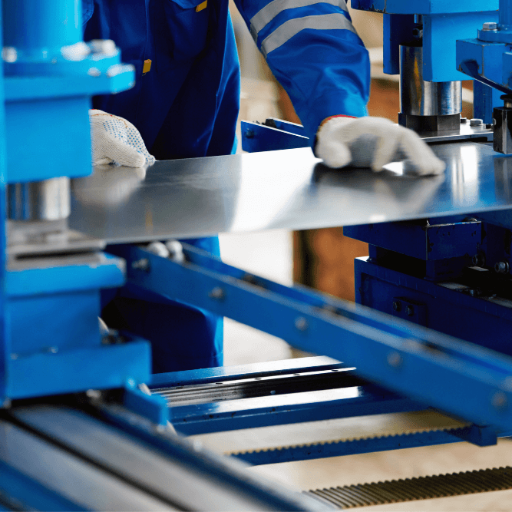
Metal fabrication and manufacturing greatly influence motor industries, from construction and transportation to electronics and medicines. While they remain closely interlinked, their primary focus differs slightly: fabrication stresses shaping raw materials into specific structures or components, whereas manufacturing concerns itself with making finished products through assembling and producing technique-based systems. Understanding these processes sheds light into design and production cycles that foster innovation and realize mandates worldwide.
How Would One Describe Fabrication?
Metal fabrication involves the design and erection of machinery and structures from raw metal materials. It uses various methods of cutting, bending, and assembling. It is integral to any industry, such as construction, automotive, aerospace, or energy. The objective is to hide raw materials such as steel, aluminum, copper, and alloys into parts, tools, or finished products for further manufacturing or direct use.
According to relevant statistics, it is estimated that the global metal fabrication market will reach $29.46 billion in 2030, progressing at a CAGR of roughly 3.7% from 2022 to 2030. Its growth is being fuelled by improvements in robotics, automation, and 3D-printing technologies, which have begun changing traditional fabrication means. Laser cutting and water jet cutting have brought more precision to fabrication; welding, forging, and machining remain highly regarded skills in fabrication.
Usually, a metal fabrication project will involve designing and prototyping, selecting materials, cutting, and shaping. After finishing the fabrication processes, finishing treatments such as polishing, painting, galvanization, etc., will be applied to ensure durability and functionality. Whether for a few custom-made parts for aerospace or large steel structures for infrastructure, metal fabrication has been the essence of modern engineering and manufacturing industries, satisfying demands of functionality and design precision on a worldwide platform.w
Manufacturing is all about
Industrial development is manufacturing goods by mixing labor, machines, industrial tools, and raw materials. The company is central to the world economy, according to recent data by the World Bank, which states about 16% of the world’s GDP is attributed to manufacturing industries. Considerable changes in automation, artificial intelligence, and robotics over the last decade done to bolster the possible development landscape of manufacturing processes, thereby nurturing efficiency and cutting down costs.
Modern manufacturing industries get divided into automotive manufacturing, electronics manufacturing, aerospace manufacturing, pharmaceutical manufacturing, and construction manufacturing. For the automotive industry, for instance, it employs manufacturing techniques, including 3D printing and automation, with the world production at over 85 million vehicles annually, as reported by the International Organization of Motor Vehicle Manufacturers (OICA). Plus, the manufacturing process includes operations such as Just-Start-Time (JIT) production and lean manufacturing to keep waste minimization and resource maximization.
Emerging trends include is considering Industry 4.0 with the integration of smart technologies such as IoT (Internet of Things), Big Data, and Cloud Computing to realize intelligent and connected production systems. The adoption of such developments is anticipated to enhance the Smart Manufacturing Market value to $506.33 billion by 2027, according to Fortune Business Insights.
Sustainability has recently surfaced as another trending topic. Manufacturers have dedicated greener methods in their business processes. The renewable energy sources, recycling of materials, and reduction in carbon emission are some of the initiatives being taken up as sustainability options to lessen environmental footprints. This shift toward sustainable manufacturing indicates a rise in acceptance for responsible production allied with global climate goals.
Understanding these trends and associated data sets highlights how dynamic the manufacturing industry is and how it will air time in the coming days to shape a sustainable and innovative future.
The Importance of Differentiating
With the advance towards a sustainable future, the gap from traditional to innovative and sustainable manufacturing becomes something that cannot be ignored. According to the latest figures, 2023 witnessed considerable strides toward sustainability through adoption of green technologies. For instance, the renewable energy market is forecasted to hit a valuation of $2 trillion by 2030 underpinned by acceptance within the manufacturing sector. Even the recycling rates for industrial materials have gone up by 20% in the world during the past five years due to companies inception of a circular economy model.
Advances in automation and AI technologies further optimized production processes with less waste. For example, the use of smart factories employing AI to streamline workflow led to a 30% decrease in raw material waste and an increase of 15% in energy efficiency. So basically, these transitions brush upon the direct extermination of carbon footprints by technological and sustainable innovations.
While these data points highlight the increasing trend of unification of the global climate agenda and industrial doctrines, a deeper analysis brings to light the very essence of making these innovations greener as a necessity and not just a trend in the manufacturing industry within an incarnation toward the changing world.
Key Differences between Fabrication and Manufacturing
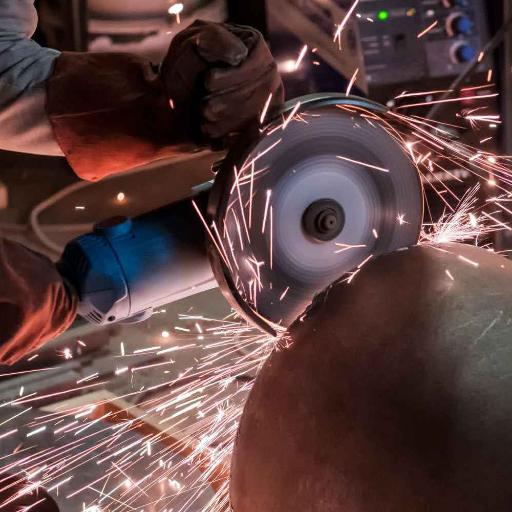
Fabrication involves the making of individual components or parts by cutting, welding, or assembling materials. It is usually carried out for creating custom or special items that are made in small quantities.
Manufacturing, in contrast, usually means large-scale production of finished products from raw materials or semi-finished goods. Efficiency, scalability, and uniformity of output would then be the priorities to meet demand on an industrial scale.
In essence, the main difference lies in the scale and use of the output: fabrication is more customized, whereas manufacturing refers to large-scale production.
Processes Involved in Metal Fabrication
Several essential processes enable metal fabrication from raw materials into usable metal products. These include the very common methods of cutting, bending, and assembling: Cutting is high-precision and is done by lasers or plasma cutting machines and water jet cutting. Bending applies force to bend the metal sheets into required angles and curves with the use of machines such as press brakes. Assembling will join the subcomponents through welding, riveting, or fastening.
Processes Involved in Manufacturing
The manufacturing process transforms raw materials into finished products. These processes vary, depending on the nature of the material being processed, the design of the product, and the scale of production. Amongst the common ones are:
- Casting: This process involves pouring molten material into a mold so that it takes the shape of the mold on cooling and solidifying. It is commonly applied to metals and plastics.
- Machining: This is a process that precisely removes excess material from the workpiece to form the required shape of the product. It commonly uses machines such as lathes, drills, and milling machines.
- Forming: Forming is a process whereby the shape of the material is changed by using forces such as compression or tension without any material being removed. Examples are forging, rolling, and extrusion.
- Joining: Combining two or more components into a single assembly. Popular joining techniques are welding, soldering, adhesives, and mechanical fasteners.
- Finishing: Finishing operations improve surface quality, appearance, or sometimes functionality of a product. These include painting, polishing, coating, and anodizing.
Each step of the process has a role in ensuring that the product meets the specifications required and performs the functions required of it.
Comparison of End Products
End products can be compared based on quality, cost, durability, aesthetics, functionality, and sustainability.
| Parameter | Description |
|---|---|
| Quality | Level of precision and craftsmanship. |
| Cost | Price of production and materials. |
| Durability | Resistance to wear and tear over time. |
| Aesthetics | Visual appeal and surface finish. |
| Function | Suitability for intended purpose. |
| Sustain. | Environmental impact of the product. |
Tools and Techniques Employed
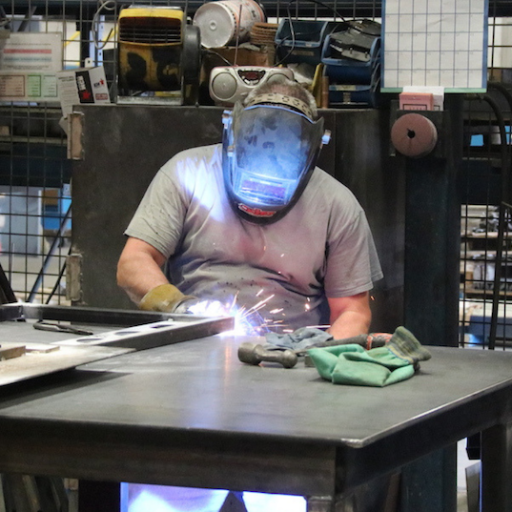
The tools and techniques required are selected based on the product and its intended usage. Usually, the kind of tools used are fine measuring instruments, cutting and shaping tools, and various finishes for better looks or durability. Techniques may consider machining, assembly, testing, and quality control to ensure that the product meets high standards. All these help to achieve an ideal mix of quality, functionality, and sustainability.
Common Tools Used in Metal Fabrication
Metal fabrication requires the use of various special tools necessary for cutting, shaping, welding, and assembling metal components. The usual tools include various saws — for instance, bandsaws and hacksaws — used for exact cutting; grinders for smoothing edges or shaping surfaces; and drills to make holes. Welding equipment is essential to weld the metals together: MIG, TIG, or arc welders. Other important tools are sheet metal brakes for bending, plasma cutters for complicated cuts, and measuring tools such as calipers and micrometers for accuracy. It is this variety of tools that carefully work in tandem to deliver the much-needed precision and functionality in metal fabrication projects.
Machinery in the Manufacturing Sector
Machinery accounts for the higher functioning of current manufacturing strategies in terms of efficiency, precision, and scale of production. Given the latest data, global industrial machinery markets will touch $1 trillion revenues by 2030, experiencing a CAGR of about 5.7% from 2022 to 2030. The machinery under different heads includes CNC machines, robots, and automated systems, all aimed to increase outputs and minimize errors.
CNC machines are critical in the production processes requiring very high levels of accuracies and consistencies. For instance, CNC lathes and mills can accomplish complex designs with tight tolerances which may be typically ±0.01 mm; advancements in robotics have expedited production and reduced manual labor by up to 50% in some sectors since the advent of the introduction of assembly robotics and cobots, which can work flexibly and safely alongside human operators.
Automated systems are yet another aspect in conjunction with AI and IoT technologies to monitor and control production. They contribute to prediction maintenance approaches, technologies distributed through sensors, and analytics to predict equipment failures before they will happen, thereby reducing downtime by as much as 20%.
The infusion of world-class machinery and technologies into manufacturing has led to faster production cycles, increased savings on materials, and better country product, driving this trend further toward innovation and sustainability-based production methods, led by smart factories and Industry 4.0 concepts.
Innovations for Metalworking Tools
Briefly speaking, I would say that innovations in metalworking tools have revolutionized the industry to achieve greater finesse and efficiency. Advanced CNC machines can carve intricate designs with a degree of precision that had been unthinkable until now. Automated and AI-based tools react to changes of materials in real-time, which minimize errors and cut down on production time. Moreover, green methodology embracing tools designed to work with recycled metals is increasingly taking center stage, hence paving the way for a brighter environmental future in metalworking.
Applications and Industries
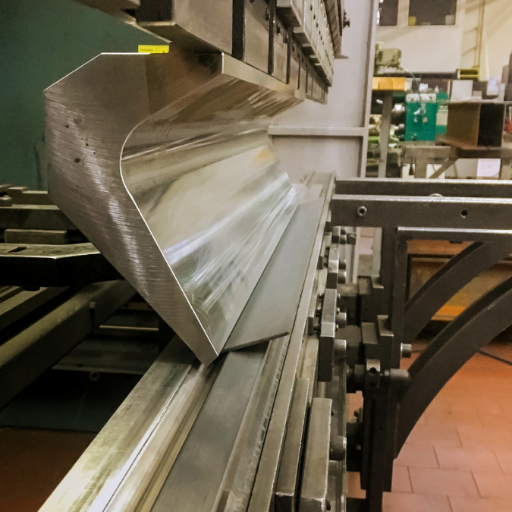
Metalworking tools and technologies find applications in multiple industries such as automotive, aerospace, construction, and manufacturing. These tools find applications in making parts for engine components, structural frameworks, and precision instruments. This showcases the versatility and essentiality of these tools in so many different sectors.
Custom Metal Fabrication Applications
Custom metal fabrication plays an integral role in providing tailor-made solutions across multiple industries, making sure that every component meets its exact specifications and performance requirements. The recent past shows that the global metal fabrication market valued about $22.3 billion in 2022, with predictable consistent growth from advancements in automation and customization technologies.
In construction, for example, custom fabrication allows the production of steel beams, supports, and metal panels that are unusual in design and meant for particular architectural projects. In another instance, in the aerospace industry, metal fabrication of great precision renders lightweight and sturdy components such as turbine engines and fuselage parts that, in turn, serve to refine fuel efficiency and operational performances.
Besides, the commencement of CAD and CAM in the fabrication process got things done quicker and with higher precision. For example, CNC machines provide exceedingly accurate cuts and designs with minimal error, which high-demand industries like automotive and electronics require since they need very intricate parts. Its process and machinery combined with the custom element truly demonstrate how metal fabrication processes stir in both new and conventional applications for a greener and more efficient livelihood across all sectors.
Manufacturing Applications Across Sectors
Metal fabrication plays an essential role across a variety of industries, with each requiring precise and reliable solutions to meet their unique demands. Market reports have highlighted that the global market for sheet metal fabrication services is projected to reach US$ 17.2 billion by 2030, having grown at a CAGR of 3.4% during the period from 2023. This growth is primarily fueled by increased automation and the introduction of CNC machining as a digital tool to streamline production processes.
Traditionally, metal fabrication wound up being a means of fabricating small-scale things that contributed to the automotive industry that focused on crafting lightweight but strong components that aid in vehicle performance in line with sustainability needs. The aerospace industry focuses on custom-fabricated parts that cater to the standards of utmost safety and precision. Demand for exquisitely designed metal parts for gadgets like smartphones, laptops, and IoT-enabling technologies has enhanced the thrust in electronics manufacturing.
With the introduction of robots and AI into the fabrication process, further levels of efficiency have been achieved, with reports forecasting the robotic welding market to reach $8.35 billion by 2030, which is embedded in the interest of manufacturers adopting these technologies to improve speed, accuracy, and scalability. Such a blend of state-of-the-art technology combined with sector-specific applications stands as a testimony to the prominence of metal fabrication in the development of modern industries.
Examples of Industries Utilizing Both Services
- Automotive- Metal fabrication and robotic welding methods are heavily used to build car frames and engine parts, allowing great precision and consistency.
- Aerospace- The technologies are used in aerospace manufacturing to produce lightweight yet durable structural parts to ensure safety and efficiency in the production of aircraft.
- Construction- These are made to metal fabrications and welds from steel beams to customized fittings for construction projects to the creation of strong and reliable materials for buildings and infrastructures.
- Manufacturing- General manufacturing employs these services in making machinery, tools, and equipment for industrial applications.
These industries provide an overview of the extremely versatile, critically important applications of metal fabrication and robotic welding in contemporary production processes.
Overlapping Areas between Fabrication and Manufacturing
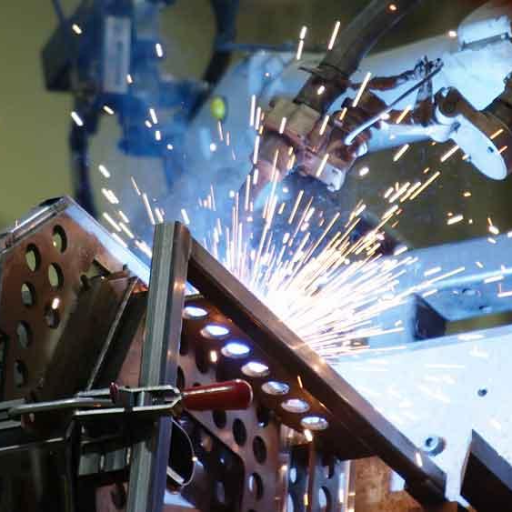
Metal fabrication and manufacturing greatly overlap in the processes into finished products. Fabrication centers on creating components or structures from raw materials, while manufacturing takes the step of assembling them into finished products. These processes employ cutting, forming, and welding techniques for their purpose. Fabrication would produce mainly custom or large-scale structures, whereas manufacturing would lean more toward mass production of standard items.
Integration in Production Processes
Metal fabrication and manufacturing integration plays a critical role in current production to gain efficiency, scale, and customization. With new trends in automation and digital technologies, industries look towards smart manufacturing systems such as CNC machines and robotic welders to streamline their operations. Recent probability reports state that the global metal fabrication market will reach around $29.46 billion by 2030, spurred on by drivers in the construction, automotive, and aerospace sectors.
It will further exploit Industry 4.0 to support employing IoT-enabled devices and data analysis approaches in production workflows. Real-time monitoring of cutting and forming processes assures precision while cutting material waste by as much as 20%. The automated integration then transitions adeptly from custom fabrication to large-scale manufacturing, serving both specialized project needs as well as general mass production demands. This synergy will be vital as they strive toward cost-efficiency against quality in an increasingly competitive market.
Case Studies in Manufacturing
Case Study 1: Bosch Industry 4.0 Initiative
Bosch integrated an IoT-based framework for its manufacturing plants to boost efficiency and simplify operations. Machine downtime plummeted by 25% after Bosch initiated smart sensors and connected machinery. Predictive maintenance was scheduled in real-time, saving millions every year, owing to data analysis that forewarned equipment failure. This practice enhanced product quality while encouraging sustainable manufacturing by reducing wastes and consumption of energy types.
Case Study 2: General Electric Smart Factory Framework
General Electric (GE) selected the Predix platform to exploit IoT technologies across varied manufacturing facilities. This enabled GE to streamline its production lines and cut operational costs by 10% through the combination of predictive analytics and industrial sensors. In one concrete triumph, the application of smart algorithms within the aviation division controlled production schedules and cut manufacturing time heavily for jet engines. In doing so, the case demonstrated how IoT can infuse precision and velocity into even the most complex manufacturing undertakings.
Case Study 3: Siemens Amberg Electronics Plant
In Siemens Amberg Electronics Plant in Germany, Siemens applies IoT innovations to manufacture programmable logic controllers. With a production quality of 99.99885% and almost fully automated operations, Siemens gives us a picture of what an IoT-enabled smart factory can look like. The plant integrates a whole lot of over 1,000 sensors and systems for constantly monitoring production to ensure the required consistency. Advanced analytics platforms simultaneously process the data, making quick adjustments possible, allowing responsiveness to changing demands without affecting efficiency.
The case studies clearly illustrate the transformative power that IoT can realize when being effectively guided within the manufacturing sector. Companies not only increase operational efficiency but also achieve precision, experience cost reductions, and go green.
Benefits from Combining Approaches
When moving in tandem and combining traditional manufacturing methods with IoT-enabling technologies, manufacturers open a plethora of opportunities that promote innovation and growth. Recent statistics illustrate factories enabled for IoT tend to realize up to 25% increase in production efficiency mainly from production losses through predictive maintenance. Real-time monitoring using IoT-based analytics may result in identifying bottlenecks that present a 20% reduction in production costs.
The integration of IoT offers a smoother path for sustainability, too. Smart sensors enable the tracking of energy consumption across all divisions of production as a great strategy towards manufacture cutting the cost of energy by 15%, cited from industry case studies. The monitoring system is further optimally designed to limit wastes, realizing some forms of companies achieving a waste reduction level of 30%, thus promoting environmental sustainability.
By embracing such an innovative technological path, organizations can stand side by side with fluctuating demands of the market, emerge efficiently, and support environmental aspirations. This will, in turn, put manufacturers in the position to remain competitive in this fast-changing industrial scene.
Reference sources
- Title: Filament fabrication and subsequent additive manufacturing, debinding, and sintering for extrusion-based metal additive manufacturing and their applications: A review
Authors: Naveen Kumar Bankapalli et al.
Journal: Composites Part B: Engineering
Publication Date: August 1, 2023
Citation Token: (Bankapalli et al., 2023)
Summary:
This review discusses the processes involved in filament fabrication for metal additive manufacturing, including debinding and sintering. It highlights the differences between traditional manufacturing methods and additive manufacturing, emphasizing how additive techniques allow for more complex geometries and reduced material waste. The paper outlines various applications of these technologies in industries such as aerospace and biomedical engineering.
Methodology: The authors conducted a comprehensive literature review, analyzing existing studies on filament fabrication and its applications in metal additive manufacturing. - Title: Metal Fabrication by Additive Manufacturing Using Laser and Electron Beam Melting Technologies
Authors: L. Murr et al.
Journal: Journal of Materials Science & Technology
Publication Date: 2012 (not within the last 5 years but relevant for context)
Citation Token: (Murr et al., 2012, pp. 1–14)
Summary:
This paper provides insights into the technologies of laser and electron beam melting as methods of metal fabrication. It discusses how these additive manufacturing techniques differ from traditional metal fabrication methods, particularly in terms of material properties and production efficiency.
Methodology: The authors reviewed various studies and experimental results related to laser and electron beam melting technologies, comparing them with conventional fabrication methods. - Title: Additive manufacturing of Ti-6Al-4V alloy by metal fused filament fabrication (MF3): producing parts comparable to that of metal injection molding
Authors: Paramjot Singh et al.
Journal: Progress in Additive Manufacturing
Publication Date: February 11, 2021
Citation Token: (Singh et al., 2021, pp. 1–14)
Summary:
This study explores the use of metal fused filament fabrication (MF3) for producing Ti-6Al-4V alloy parts. It compares the mechanical properties of parts produced via MF3 with those made through traditional metal injection molding, highlighting the advantages of additive manufacturing in terms of design flexibility and material efficiency.
Methodology: The authors conducted experimental tests to evaluate the mechanical properties of the fabricated parts, comparing them with those produced by conventional methods. - Top sheet metal fabrication Parts Manufacturer and Supplier in China
Frequently Asked Questions (FAQs)
What is the difference between manufacturing and fabrication?
Manufacturing and fabrication are processes regarded differently in the production of goods. Manufacturing, depending on the predominance of the processes implemented, involves taking raw materials and creating the final product, which may sometimes include nonmetal and metal processes. Fabrication, on the other hand, pertains more specifically to forming parts from raw materials, often by welding, cutting, or stamping. That said, in practice, the terms are often used interchangeably-even though knowing the difference can clarify the differences between the particular methods and processes in each area. For example, one could say that metal fabrication is a kind of manufacturing in which the fabrication aspect focuses on producing custom parts that will later be assembled into a finished product.
How does the fabrication process work within manufacturing?
Within manufacturing, fabrication is of particular importance, most so for companies that employ metal structures. It constitutes chopping, bending, and welding to develop usable parts from raw materials, usually sheets of steel or aluminum. Fabricators often collaborate with the engineers and designers to make sure the parts created conform to specific tolerances and requirements. The relative efficiency of fabrication can be hugely beneficial or detrimental to the total manufacturing timeline and budget. Basically, while manufacturing is the whole process of joining together a final product, fabrication deals with the actual making of components for that product.
How does a fabricator fit into the manufacturing process?
The fabricator plays a major role in the manufacturing process, particularly in areas that require the assembly of metal structures. Working from raw materials, fabricators make parts required by specifications for quality and quantity. Methods might involve cutting, shaping, and joining together materials using a variable range of tools and machines. Fabricators would often need to cooperate with other professional people to ensure their components fit together seamlessly to assemble into the final product. Practically, in manipulating raw materials, their work is crucial for the successful consummation of projects both on a small and large scale.
What types of metal are commonly used in fabrication?
These metal types are commonly used in fabrication according to the requirements of specific projects. Steel is one of the most working metals due to the capacity for strength and versatility it offers in producing components that have durability. Aluminum is another choice-also-demanded for its fair lightweight qualities and resistance to corrosion. Other variations of metal include copper and brass, generally used for the specialized range of electrical components. Any Fabricators interested in learning about the different types of metals and their properties will have an advantage in choosing what’s best for each project; thereby ensuring the product lasts longer and performs effectively.
How do fabrication vs manufacturing impact production efficiency?
The principal enactment of fabrication and manufacturing still has a different kind of press on production efficiency. Fabrication centers on the making of parts, thus easing the production of complex assemblies, whereas manufacturing comprises a broader process that may be viewed as including the assembly of parts or could be seen as the end product itself. If fine-tuning the fabrication process would reduce lead time, great manufacturing would ensue with little to no waste. Contrarily, if there are delays during the fabrication stage, they will maximize delays during the manufacturing process, hampering production. Therefore, knowing well how fabrication relates to manufacturing can help businesses uncover their weakness and enhance production efficiency.


