


Degradation of materials is a process that, with increased knowledge, becomes more useful in industries that require materials with long life and reliability. A common question would arise as to “Does zinc rust the same way as iron and steel rust?” The answer depends on the special nature of zinc and its resistance to common oxidation. This article will examine the mechanism that makes zinc corrosion-resistant, why it does not technically rust, and how the process of galvanizing leverages this characteristic to prevent other metals from corroding. This blog will provide you with a comprehensive understanding of zinc’s behavior in various environments and its crucial role in protecting structures and components from the constant threat of corrosion.
Introduction to Zinc and Corrosion
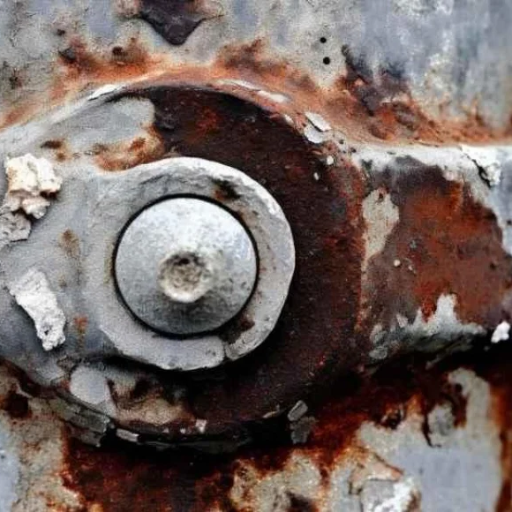
Zinc is a corrosion-protective material due to its ability to form an impervious barrier on its surface. In the atmosphere, the zinc surface interacts with the moisture and carbon dioxide to form a thin and stable film of zinc carbonate. This film serves to protect the underlying metal from further exposure to air and moisture, thereby preventing corrosion. As an additional protective property, zinc offers cathodic protection, thereby meaning it will dissolve to save adjacent metals in contact, such as steel. Because of these properties, zinc finds application in processes such as galvanizing, where it serves as the last line of defense against the agency of long-term deterioration.
What is Zinc and Its Properties?
Zinc is a chemical element with the symbol Zn and atomic number 30, which classifies it as a transition element. It is a bluish-white lustrous metal that is moderately reactive and offers strong resistance to rust and corrosion. These properties of zinc have ensured its presence in most industrial and biological applications.
Zinc melts at about 419.53°C (787.15°F) and boils at 907°C (1664.6°F). It is ductile and malleable, making it reasonably easy to shape and form during various processing methods. The excellent corrosion-resistant ability is due to the formation of zinc carbonate on its surface, which is caused by atmospheric air and moisture. This layer is passive and acts as a barrier, preventing any further degradation of the underlying zinc surface from environmental interaction.
Zinc is an essential micronutrient for all living organisms, as it helps enzymes function properly, supports the immune system, and is involved in cell division. Zinc is also used industrially in galvanization processes to prevent the rusting of steel and iron, as well as in alloys such as brass. Additionally, zinc is used extensively in die-casting, batteries, pharmaceuticals, and skincare products due to its antimicrobial properties. The latest global focus on sustainable development has intensified consideration of zinc’s recyclability and its utility in renewable energy solutions, such as zinc-air batteries.
Understanding Rust and Corrosion
Microphysiognomies of rust and corrosion play a critical role in materials science, as they control the longevity, freedom, and performance of the relevant metals. Rust is the oxidation process of iron or steel in the presence of oxygen and moisture, resulting in the formation of iron oxides that cause damage to the material’s structural integrity. Corrosion, a broader term, encompasses any metal degradation caused by environmental factors, including humidity, salts, acids, and pollutants.
The electrochemical nature of corrosion involves both anodic and cathodic reactions, whereby metal atoms lose electrons at the anode (oxidation), while oxygen is reduced at the cathode. For example, the formation of rust is a result of iron binding with water and oxygen to produce hydrated iron(III) oxide, an identifiable red-brown compound. Such a process is made rapid in the presence of saline or acidic factors, thereby threatening infrastructural elements, machinery, and transportation equipment.
Measures to mitigate rust and corrosion are cutting-edge and include protective coatings (e.g., galvanization), cathodic protection, and corrosion resistance through the use of alloys like stainless steel. Promising approaches to solving this global problem are emerging at the forefront, including nano-coatings, corrosion inhibitors, and environmentally friendly methods.
The Importance of Corrosion Resistance in Metals
The permeability of corrosion in metals is crucial for preserving structural integrity, ensuring safety, and extending the expected life of equipment and infrastructure. Because metals used in construction, transportation, and industry are placed in environments that foster corrosion, they are prone to material degradation. Specific measures may be costly to restore. Sometimes it can cause failure. From a corrosion resistance perspective, one can consider stainless steel or aluminum. A protective measure might be applied as coatings or inhibitors to minimize corrosion. This definitely translates into improved performance over time, minimizing costs and environmental impact, and is thus of paramount importance in material choice and design engineering.
Why Zinc Doesn’t Rust Like Iron

Rusting is the process that occurred for iron, which zinc does not undergo. Instead, zinc forms a very stable oxide layer to protect it from further corrosion.
Rust of iron, exposed to oxygen and moisture, is porous and flaky in nature, whereas zinc undergoes a chemical reaction that forms zinc oxide. This newly formed surface layer will, in turn, react with the carbon dioxide present in the air to form zinc carbonate, a dense, adherent coating that seals the surface so well as to prevent any deeper degradation of the material. When supplied as a galvanizing layer for steel, zinc also protects itself by further inhibiting corrosion, thereby granting long-lasting protection to the underlying iron.
The Science Behind Oxidation vs. Rusting
Equally essential yet divergent phenomena in chemical processes and material implications are oxidation and rusting. Oxidation is a more general chemical reaction in which an element loses electrons to another element or compound. Such reactions often involve oxygen but are not limited to it. This process can affect several types of materials, including metals, non-metals, and organic substances. For example, copper oxidizes in the presence of air and moisture to form a green patina (copper carbonate), which, in turn, enhances its durability. In contrast, rusting occurs only in iron and its alloys, resulting in the production of hydrated iron(III) oxide, commonly referred to as rust.
Certain conditions are crucial for the formation of rust: the presence of iron, water, and oxygen. Materials science studies claim that the primary reactions start with iron reacting with water to form iron(II) ions and hydroxide ions. Shortly thereafter, these ions react with oxygen to form iron oxides and hydroxides. The corrosion of iron is significantly influenced by environmental factors, including humidity, temperature, and the presence of salts, particularly in coastal areas. Research has shown that when chloride ion concentration levels are high under humid conditions, iron rusting occurs at a rate more than 50% higher than under dry conditions.
Unique Properties of Zinc That Prevent Rust
Zinc has several unusual attributes that guard against rust, the most crucial of which is its use as a protective coating through galvanizing. Zinc has a lower standard electrode potential than iron and, therefore, acts as a sacrificial anode in the presence of moisture. This electrochemical nature causes zinc to corrode preferentially, while protecting the embedded iron or steel from oxidation. When zinc reacts with oxygen from the atmosphere, it forms a thin layer of zinc oxide that is relatively impermeable to oxygen. This zinc oxide layer reacts further with moisture and carbon dioxide to form zinc carbonate, a highly stable and insoluble compound that serves as a barrier against environmental attack. Research has proven that the zinc protective coating can significantly extend the life of metals in corrosive environments, with varying efficiency depending on the coating thickness and prevailing environmental conditions.
Comparing the Rusting Processes of Zinc and Iron
The rustonization processes of zinc and iron are different because of the chemical and electrochemical natures of the metals involved. In the presence of oxygen and moisture, iron is oxidized, which leads to the formation of iron(III) oxide (rust). This rust is porous and brittle, failing to protect the underlying metal and permitting further corrosion.
Thus zinc reacts with oxygen, moisture, and carbon dioxide to form an impervious layer of zinc carbonate. This latter is a dense stable compound which remains firmly attached to the metal surface and acts as an impermeable barrier to corrosion. According to the latest information, galvanized steel, i.e., steel coated with a layer of zinc, may last 50-75 years in rural settings and 20-30 years in urban or coastal environments, as zinc acts as a protective layer. In fact, when zinc is placed in contact with iron or steel, it undergoes sacrificial corrosion-the zinc corrodes preferentially due to its higher (more negative) electrochemical potential and hence protects the metal beneath it.
Recent metallurgical findings further indicate that while the corrosion of iron may attain a rate of 0.1 mm/year under humid industrial environments, zinc corrosion in similar atmosphere is generally at rates below 0.03 mm/year. Such a significant difference confirms the superiority of zinc coatings for long-term protection compared to bare iron or steel, particularly when combined with variations in exposure to environmental and industrial pollutants.
Environmental Factors Affecting Zinc’s Durability

Atmospheric Humidity
High atmospheric humidity rates accelerate the oxidation of zinc, especially when combined with other air pollutants, leading to enhanced degradation of zinc coatings.
Pollutant Concentration
Industrial pollutant concentrations, such as sulfur dioxide and nitrogen oxides, strongly affect the rate of zinc corrosion by forming aggressive compounds, like zinc sulfate, that disrupt the protective layer.
Temperature Variation
Severe temperature fluctuations can induce thermal stresses in zinc coatings, compromising their structural integrity and exposing the underlying material to corrosion over time.
Saltwater Exposure
High salinity, such as in coastal environments, poses a considerable threat to the durability of zinc due to the aggressive attack of chloride ions, which are highly reactive with zinc.
pH of Surrounding Environment
Acidic or basic extremes may significantly jeopardize zinc coatings, for extreme pH conditions disturb the stability of the passive zinc carbonate layer, thereby enhancing corrosion rates.
How Exposure to Air Influences Zinc
The interaction of zinc with the atmosphere is crucial in determining the existence and long-term stability of zinc over time, as it serves various applications. Exposed to the atmosphere, zinc in the presence of oxygen, carbon dioxide, and water vapor initiates a series of chemical processes that lead to the production of a patina containing mostly ZnO and ZnCO₃. This patina provides a protective layer and slows down further reactions, offering some protection from external agents.
The makeup of the film and hence its efficiency and efficacy also change with atmospheric conditions. Studies indicate that contaminants, such as SO₂ and NOₓ, are present in urban areas that can destroy these films. For example, it has been reported in the journal Corrosion Science on the subject of degradation of zinc that in the vicinity of industrial or mining activity, the presence of sulfuric acid formed from SO₂ accelerates degradation of zinc to the extent that it reduces the life expectancy of zinc up to 40%.
On the other hand, zinc can remain stable in rural-like atmospheres for very long periods of time since it lacks aggressive pollutants. According to data from the American Galvanizers Association, rates of zinc corrosion under normal rural atmospheric conditions range from 0.13 to 0.20 micrometers per year, which is relatively low compared to urban or coastal environments.
Another parameter affecting the zinc corrosion behavior is the composition of particulate matter suspended in the atmosphere. For example, these studies have pointed toward higher deterioration rates when zinc is exposed to air bearing chloride ions in zones near the ocean. Such interactions underscore the importance of environmental management and coating technology in preserving zinc’s utility for infrastructure and industrial applications.
Water and Zinc: Reactions and Effects
Zinc corrosion reactions proceed differently with water depending upon several factors: dissolved oxygen content, temperature and pH. Under normal ambient conditions, zinc reacts very slowly with pure water because the surface layer formed is one very thin oxide and/or hydroxide film that provides considerable protection. This passivating action prevents further interaction, rendering zinc relatively stable in neutral water. But in acid or alkaline solution, the reaction rate tends to increase considerably. The acidic solution would maintain zinc dissolution by keeping free hydrogen ions, allowing zinc ions to form (Zn²⁺). Conversely, in a high-pH environment, zinc combines with hydroxide ions to form zincate ions, which can result in corrosion.
Besides these corrosion phenomena, environmental factors affect zinc. For instance, with a relatively high concentration of oxygen, the formation of zinc oxides and other oxidized compounds is accelerated. Once chlorides or sulfates come into play, corrosion becomes stronger yet, as their presence tends to break down the protective layer on zinc, making it highly reactive in seawater or brackish water. These factors underscore the importance of water chemistry in maintaining the long-term stability of zinc in an aqueous environment.
Extreme Weather Conditions and Zinc’s Performance
Extreme weather conditions, such as high humidity, intense heat, or freezing temperatures, tend to diminish the protective value and effectiveness of zinc. High humidity, for instance, can accelerate corrosion, while higher temperatures lead to thermal expansion and stress within the zinc coatings. Meanwhile, through somewhat opposing means, freezing temperatures induce brittleness in zinc, diminishing its capacity to uphold protective properties. These considerations call for particular treatments, be it a special type of coating or alloying, that warrant consideration if zinc’s consistent performance is expected under environmental stressors.
The Role of Zinc in Galvanization

In galvanization, zinc acts as a crucial supplier of protective sacrificial anode to a base metal such as steel or iron. When used as a coating, zinc creates an interface with moisture and oxygen, also providing cathodic protection. In effect, even if the coating has damaged layers, the zinc will corrode first, thereby protecting the surface below. This type of two-way protection significantly enhances the durability of galvanized materials.
Understanding the Galvanizing Process
Galvanizing refers to the zinc coating given over steel or iron to keep it from corrosion. Generally, the procedure followed is called hot-dip galvanization, wherein the metals are dipped in molten zinc at about 840°F (449°C).
A chemical reaction occurs during this process, forming an interlayer of zinc-iron alloy autogenously between the pure zinc and the base metal. These layers provide good corrosion protection as they physically shield the steel or iron and serve sacrificially, ensuring the underlying steel or iron remains intact despite some damage to the zinc coating. Just being efficient, economical, and providing protection for years is enough to sell this method.
How Zinc Coating Protects Iron and Steel
Through a combination of physical and electrochemical mechanisms, zinc coating protects iron and steel from corrosion. As a physical barrier, the zinc layer offers isolation of the underlying metal from moisture, oxygen, and other environmental elements that encourage corrosion. Thus, the layer essentially reduces the chances of rust formation on the protected surface.
On the other hand, distant from the possibility of damage and abrasion of the coating, the zinc serves as a sacrificial anode. Being high in the electrochemical series, zinc oxidizes more readily than iron or steel. In this electrochemical reaction, the underlying metal is protected from corrosion while zinc itself corrodes; hence, even in aggressive environments such as marine or industrial settings, long-term protection is assured. Research and recent developments have demonstrated that zinc coatings, when applied correctly, can significantly extend the lifespan of steel or iron structures by several decades, making galvanization a prominent process in the construction, transportation, and infrastructure industries.
Advantages of Using Galvanized Steel
- Corrosion resistance: The paramount corrosion-resisting ability of any galvanized steel is rust-protection when subjected to severe environments, such as high RH, salt, or pollution atmosphere.
- Low on maintenance: Since the zinc coating is highly durable, there will be no need for frequent maintenance, inspections, or repairs, all of which could otherwise constitute high operating costs over time.
- Life Extension: When applied appropriately, galvanization can extend the life of steel structures by several decades, providing reliable performance and long-term durability.
- Economical: Whole galvanization is considered an upfront moderate cost; however, it proves to be very cost-effective in the long run, thanks to reduced maintenance and replacement costs.
- Total Protection: Galvanization provides full coverage, extending from edges to corners and even hidden areas, thereby forming a consistent barrier against environmental assault.
Practical Applications of Zinc’s Corrosion Resistance

The corrosion resistance of zinc is utilized in various industries that require longer lifespans and enhanced material properties. Among other applications, galvanized steel structures are used in harsh environments, including bridges, roofing, and frameworks in the construction industry. Automotive components are zinc-coated to prevent rusting and to ensure durability. Electrical items, hardware, and agricultural machinery are often zinc-plated, as they are frequently exposed to high moisture and corrosive materials over an extended period. Due to its vast application base, zinc forms a protective layer for metals in many practical environments.
Zinc in Construction: Benefits and Uses
Corrosion Resistance
Zinc coatings offer superb corrosion protection to make it suitable for roofing, gutters, and wall panels exposed to weather.
Lightweight Material
Being a lightweight yet strong material, zinc reduces the structural load without compromising strength, a crucial requirement in modern design architecture.
Longevity
They gain from the long life of zinc with the majority of the zinc components standing tutorial for more than 80 years with almost no maintenance, thus reducing the operational costs in the long run.
Recyclability
Zinc stands out for being 100% recyclable without loss of quality, something that sustainable construction practices promote.
Aesthetic Versatility
The zinc can easily be molded into various shapes and finishes and still look good, which lends itself well to design language used in both modern and historic buildings.
The Automotive Industry and Zinc Coating
Zinc coating, more specifically galvanized steel, plays a crucial role in extending the life of a vehicle. A layer of zinc is deposited on steel parts through hot-dip galvanization, forming a corrosion-resistant shield against moisture, road salt, and extreme atmospheric conditions to which vehicles are often exposed. Zinc-coated steel protects vital components of the car, such as body panels and frames, and significantly helps prolong their working life, thereby reducing repair and replacement incidents.
They further provide better protection and surface finishes through newer zinc coating technologies, such as alloyed zinc coatings, Galfan, or ZINCALUME. These advancements help maintain the highway nature of vehicles and reduce unexpected maintenance expenses. Moreover, zinc has a recyclable nature, which aligns with the automotive sector’s sustainability agenda by supporting the life cycle of materials within a circular economy. Meeting criteria for safety, efficiency, and environmental compliance is impossible without the use of zinc coating during the manufacturing process.
Household Products with Zinc Coatings
Zinc coatings have numerous applications in household products, enhancing their life expectancy and corrosion resistance. Typical examples are galvanized steel for outdoor furniture, roofing materials, and appliance casings. Such coatings act as a barrier to prevent rust from setting in and degradation caused by moisture and environmental factors from occurring. Zinc coating is also applied to smaller items, such as screws, nails, and bolts, ensuring their durability and reliability in domestic use. Zinc-coated materials help preserve the integrity of products, thereby reducing the need for frequent replacements.
Reference Sources
-
Does Zinc Rust? – Corrosionpedia: This article explains how zinc corrodes when exposed to air and moisture, providing insights into its rusting process.
-
How Zinc is a Good Corrosion Resistant Metal – Deco Products: This source discusses zinc’s corrosion resistance and its behavior in different environments.
-
Does Zinc Rust – Bucket Outlet: This page explores how zinc and galvanized steel rust differently compared to other metals.
-
Zinc Coatings for Steel Corrosion Protection – American Galvanizers Association: This resource details how zinc coatings protect steel from corrosion through sacrificial anodic properties.
-
Galvanizing Process – American Galvanizers Association: This article explains the hot-dip galvanizing process and its role in creating corrosion-resistant coatings.
Frequently Asked Questions (FAQs)
Does Zinc Rust or Corrode Over Time?
Zinc rusts in certain conditions but commonly is said to corrode rather than rust in the traditional sense. The process involves the formation of zinc oxide or zinc hydroxide on its surface, which can actually protect the underlying steel. In the outdoor environment, moisture in the air can contribute to corrosion; however, being a thin layer, zinc primarily acts as a barrier against corrosion.
What Does a Zinc Coating Do to Prevent Rust?
The zinc coating, applied to steel to form galvanized steel, offers better corrosion resistance than uncoated metal. The coating acts as a sacrificial layer: If the coating gets scratched, the exposed steel will neither rust at once nor as quickly because the zinc present nearby will protect it.
How Does Zinc Measure Up against Other Metals in Terms of Rust Resistance?
Zinc is far more corrosion-resistant than metals like iron or carbon steel. Iron and carbon steel produce red rust when attacked by moisture, while zinc forms a protective surface that prevents further corrosion. This is the reason zinc alloys and zinc-plated steel are best suited for outdoor applications that concern rust.
What Is White Rust, and How Is It Associated with Zinc?
White rust is the corrosion product of zinc surfaces, that is, zinc hydroxide. It usually happens when zinc is bathed in moisture, and you commonly catch a glimpse of it on galvanized steel. White rust is not as formidable as red rust on steel, but it can serve as a warning yellow that the protective zinc layer is now compromised and thus should be addressed.
What Are the Advantages of Using Zinc in Construction?
Properties such as superior corrosion resistance, longevity, and protection for underlying steel are all advantages of zinc in construction. Zinc is used extensively on a wide range of steel products, providing a thin protective layer that can significantly extend the life of metal objects in outdoor environments.
How Does Zinc Coating Keep Steel from Corroding?
During galvanization, a thin layer of zinc is applied to steel as a coating. It forms a barrier that prevents moisture or other environmental factors from reaching the steel underneath, thereby preventing rust and corrosion from occurring.
Understanding zinc’s unique properties and its role in corrosion prevention is crucial for making informed decisions in construction, automotive, and manufacturing industries. The science behind zinc’s protective capabilities demonstrates why it remains one of the most effective and economical solutions for long-term metal protection.


