Melting Point of Nickel: Properties, Applications, and Importance in Metallurgy
Nickel, a highly valued and multitasking metal, is used extensively in many industries as well as modern technologies. The melting rate, an essential property of nickel, is of immense interest for its applications in the field. Nickel is used to make alloys, extreme-temperature materials, and aerospace components and is composed as a base metal as it can easily be shaped. Understanding the melting rate of nickel could help us understand and define its physical properties and key components in alloy processing.
Understanding Nickel’s Properties and Melting Point
Nickel has numerous applications due to its ability to melt at a temperature of 1,455°C, which is 2,651°F. These applications include the making of stainless steel, industrial machinery, and superalloys. The property enables the metal to withstand high temperatures.
Key Properties of Nickel
Importance of Nickel’s High Melting Point

High-Temperature Stability
The 1453°C melting point criterion allows nickel to exhibit outstanding performance as well as maintain stability in extremely hot environments. This is extremely beneficial for aerospace technology as well as high-power industrial technology.
Superalloy Development
The high melting point of nickel is a crucial component in the development of superalloys, which play a big role in nuclear reactors, gas and steam turbines, and jet engines, since these devices operate at very high temperatures.
Material Longevity
The high melting point of 1453°C also leads to improvements in maintenance and the quality of nickel-containing products, where applications are very demanding.
Industrial Applications of Nickel and Its Alloys

Aerospace Engineering Applications
- Ultra-Severe Environment Materials: Nickel-based alloys like INCONEL 718 are developed for aircraft engines and heavy components.
- Chemical Resistance: Nickel-based alloys are widely used for jet fuel systems and engine exhaust systems due to their resistance to acidic materials.
- High Performance: The efficiency and advanced performance of nickel alloys make them the best choice for aircraft applications.
- Rocket Engineering: Nickel components are essential for high-energy rocketry, fuel containment, and thrust systems in space applications.
Marine Engineering Applications
- Seawater Components: Valves, fasteners, and propeller shafts have shown excellent marine performance due to their exceptional corrosion resistance.
- Marine Vessels: In high-temperature and saltwater conditions, ships and marine facilities can function without suffering corrosion.
- Deep Sea Vehicles: The high-pressure demand of underwater vehicles in harsh and corrosive environments is fulfilled by nickel alloy materials.
- Offshore Platforms: Long-term offshore operations for drilling risers and platform components are ensured by nickel alloys.
- Desalination Plants: Nickel alloys are used in order to counter rust in high-saline water.
- Marine Engines: For operation in high-salt water, marine turbines need nickel alloys to function stably.
Nickel in Electronics and Battery Technology

Nickel has become increasingly important when it comes to modern electronics, along with lithium batteries, in an effort to enhance the quality, energy density, and storage capacity of batteries they are integrated into. This advancement allows batteries to shrink in size, yet increase in capacity, which is a massive advantage for battery-operated cars and other electronics.
Key Benefits in Battery Applications
Enhanced Energy Density
Nickel increases battery capacity and energy storage capabilities
Improved Conductivity
Excellent electrical conductivity aids in energy storage and component longevity
Renewable Energy Support
Supports modern renewable energy applications worldwide
The Science Behind Nickel’s Melting Point

Atomic Structure and Bonding
The melting point of nickel is largely determined by how the metal’s atoms bond with each other. The bonding involves the atom’s d-electrons and other factors that enhance the stability of the atomic structure. External pressure can influence the melting point to a limited extent, but it remains a fundamental property of the atom under standard conditions.
Advantages of High-Melting-Point Materials
🔥 Thermal Stability
One of the benefits of refractory metals is their remarkable stability in applications that require high thermal resistance.
🛡️ Corrosion Resistance
In addition to their solid resistant properties, refractory metals exhibit excellent stability under atmospheric conditions and high heat environments, Britannia Engineering Plato
⚙️ Versatile Manufacturing
With high-temperature engineering and additive manufacturing, by correlating the corrosion properties of refractory metals, improved adaptability can potentially be achieved
🚀 Aerospace Applications
Essential for turbine blades, rocket engines, and heat exchangers requiring high-performance materials at extreme temperatures.
🔒 Enhanced Security
The improved durability of smelting plants, aircraft engines, and industrial furnaces under the corrosive action of elevated temperatures is another example.
Current Research and Developments

Nickel Alloy Improvements
The industry is setting a heightening bar for performance and stability of modern nickel-based alloys. Today, researchers intend to resistant oxidation, creeping, and fatigue damage while installed in parts that will work under higher temperatures. Engineers use cobalt, titanium, and aluminium that provide superior alloy structural chemistry and more stress-resistance in the shadow of most chemicals.
Battery Technology Development
Incorporating Nickel: With its ability to increase both energy density and battery capacity, nickel is vital for NCA and NMC lithium iron batteries. The inclusion of cobalt and manganese is also important, and this will considerably accelerate the development of electric vehicles around the world.
Joint Ventures: There are a number of businesses joining hands to facilitate the widespread adoption of renewable energy applications and electric vehicles in an effort to lower battery cost and to create the supporting infrastructure required for its use.
Environmental Sustainability
Current efforts focus on making nickel extraction more environmentally friendly by reducing deforestation, pollution, and greenhouse gas emissions. Advanced recycling technologies and closed-loop systems are being developed to improve nickel recovery efficiency.
Industry-Specific Impacts
Aerospace and Jet Engine Performance
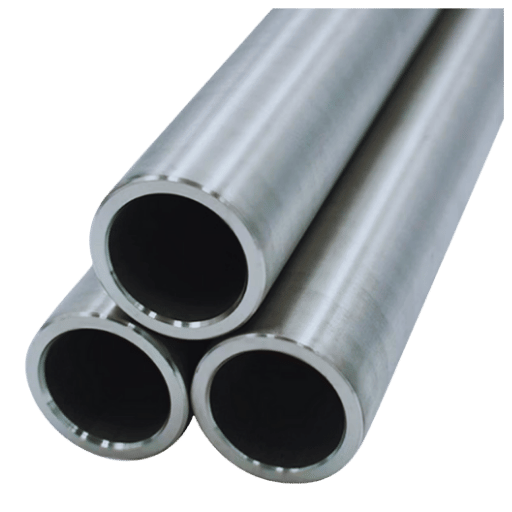
Jet engines rely heavily on nickel’s high-temperature properties without requiring advanced cooling systems. Turbine blades and combustion chambers made from nickel-based alloys can withstand extreme temperatures and mechanical pressure, reducing engine stress and extending engine life significantly.
Manufacturing Challenges
Supply Chain Issues
- Metal shortages affecting lithium, cobalt, and other key battery components
- Rising production costs due to supply chain disruptions
- Geopolitical destabilization affecting material availability
- Increased research and development funding requirements
Energy and Power Generation
Through its durability in power systems and performance in lithium-ion batteries, nickel significantly contributes to electric vehicle advancement. Technologies that promote clean energy are being developed with nickel as a key component, helping advance energy systems and supporting decarbonization efforts.
Future of Nickel in Metallurgy

Metallurgical Applications Significance
In metallurgical applications, a crucial role is played by the high nickel melting point of 2651°F 1455°C. It can accommodate nickel’s resistance and stability at extreme temperatures to ensure heat and corrosion-resistant alloy production. Since these properties are tied to the provision of thermal shock and pressure resistance, they are indispensable in the manufacturing, aerospace, and power generation sectors.
Green Technology and Recycling Developments
Battery Technology’s Focus
When it comes to batteries, particularly with electric vehicles, the search for better recycling is driving the industry to experiment with more sustainable recycling of nickel and less carbon-intensive production.
Closed-loop Technologies
When done right, nickel recycling can recover high-grade metals and concentrate on nickel recovery, cutting back on old technology and widespread waste affecting the environment.
Improved Recycling Efficiency
In addition to lessening waste, there are other methods apart from improving efficiency and recycling old nickel that are now in use due to the use of advanced hydrometallurgical techniques.
Frequently Asked Questions (FAQs)
Key Research References
Recent Scientific Studies:
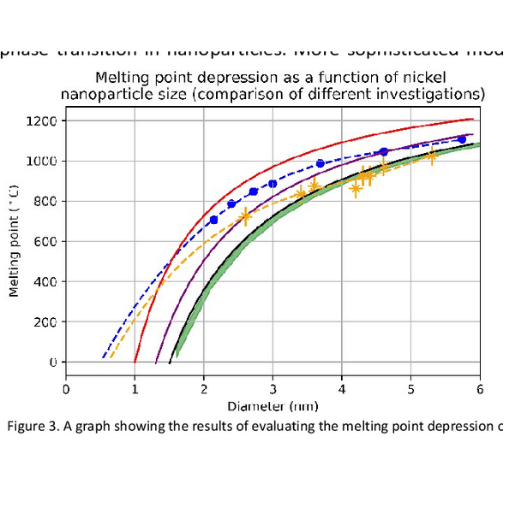
Size-dependent depression in the melting point of nickel nanoparticles
- Authors: A. van Teijlingen, S. Davis, S. Hall
- Journal: Advances in Nanoscale
- Publishing Date: 21.04.2020
- Citation Token: (Teijlingen et al., 2020, pp. 2347–2351)
The study at hand is centered on the transition behavior of nickel nanoparticles with a size range of 3-6 nm. The tried and true manner in which nickel nanoparticles are synthesized, specifically through a reverse micro-emulsion, was closely monitored during the duration of the experiment.
Thermophysical properties of solid and liquid nickel near the melting point
- Contributing authors: I.S. Galtsov, V. B. Fokin, A. V. Dorovatovsky, M. Paramonov, G. S. Demianov, D. Minakov, M.
- Sheindlin, P. R. Levashov
- Journal: Journal of Applied Physics
- Publication Date: October 10, 2024
- Citation Token: (Galtsov et al., 2024)
Summary:
- The subject of this research is the thermophysical properties of solid and liquid nickel near the melting point. The study incorporates the utilization of first-principles calculations based on quantum molecular dynamics as well as experimental data.
Impact of Carbon Contamination on Nickel Nanoparticles
- Writers: G. Poletaev, Andrey Sannikov, V. Kovalenko
- Journal: Himičeskaâ fizika i mezoskopiâ
- Year of Publishing: 2024
- Quotation Key Text: (Poletaev et al., 2024)
Abstract:
- The researchers use the molecular dynamics method to determine the melting temperature of the nanoparticles, and they investigate the carbon contamination on nickel nanoparticles. Melting and Crystallization Processes of Nickel Nanoparticles in the
- Presence of Carbon Impurities. This research uses simulations based on molecular dynamics to investigate the processes of melting and crystallization of nickel nanoparticles, paying attention to the effect of carbon contamination.
Key Takeaways
🌡️ Critical Temperature
The 1,455°C melting point is brick of Nickel when considering high temperature industrial utilization, as it’s indispensable
🚀 Aerospace Excellence
Jet, turbine, and spatial appliances profit from its thermal stability, which makes it perform remarkably
🔋 Energetic Future
In battery and energy device innovations it can contribute in sustainable development in renewable energy fields
♻️ Sustainable Development Work
Industry innovation is being driven by reuse of technological recycling and improved sustainability in terms of the environment.
Understanding Nickel’s Importance
Nickel continues to shape modern industry due to its remarkable melting point of 1,455°C (2,651°F) .
Nickel is an important metal for modern industry for a range of uses such as in the development of airplanes and the use of alternative energy systems. Due to its corrosion resistance and modern alloying characteristics to the overall increased blanket heating threshold , nickel continues to bring marketing technology forward. Nickel’s development is at the forefront of new technology, recycling and renewable extraction research. Nickel has an important role in the marketing development of new sustainable energy and higher-effect marketing solutions.