


H59 exhibits remarkable versatility as a material for engineering, manufacturing, or industrial applications. Renowned as one of the best-crafted brass forming an equilibrium of strength, corrosion resistance, and machinability, this copper-zinc alloy finds multiple applications in different industries. So, what are the unique properties of H59 brass, and how can one harness these properties to maximize performance in the design? This guide is an exhaustive information source that will attempt to clarify the different aspects, applications, and benefits of H59 brass for your better understanding and choice. Your curiosity for material science, manufacturing, or engineering will be gratified by the answers you find within this article that sheds light on unlocking the benefits of H59 brass.
What Is H59 Brass?
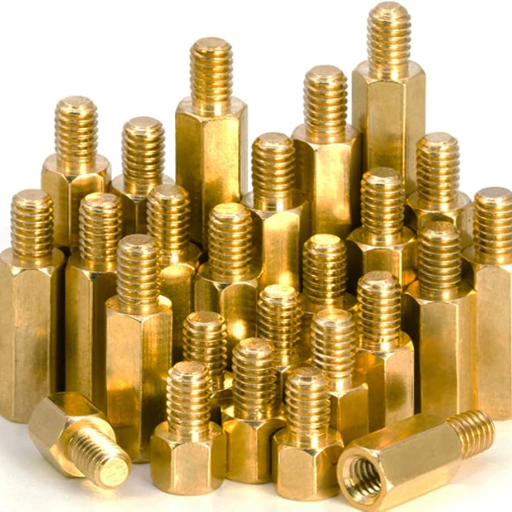
H59-brass is a copper-zinc alloy containing about 59% copper that makes it a versatile and widely used material in various industries. It is known for excellent machinability, being corrosion-resistant, and having medium strength. These properties render the alloy suitable for applications such as plumbing, mechanical parts, and decorative purposes.
Chemical Composition of H59 Brass
H59 brass is a copper-zinc alloy with a precise chemical composition that influences its mechanical and physical properties. The major elements in H59 brass are copper (Cu) and zinc (Zn), with a few permissible traces of others added to alter the characteristics. Below is an approximate breakdown of its typical composition:
- Copper (Cu): Approx. 57-60%. Copper is the chief element providing corrosion resistance, electrical conductivity, and ductility.
- Zinc (Zn): Approx. 40-43%. Zinc imparts improved strength and machinability to the alloy and keeps the production costs economical.
- Lead (Pb): ≤0.5%. Small amounts of lead are added occasionally to improve machinability and to reduce wear of tools in processing.
- Iron (Fe): ≤0.3%. Trace quantities of iron may be allowed to impart hardness and strength.
- Other elements: Small quantities of impurities such as tin, aluminum, and nickel could be present but will seldom exceed 0.3%.Depending on the precise industrial requirements, these elements might provide slight variations in properties.
The well-balanced chemical composition of H59 brass ensures the best performance for almost any application-from heavy-duty mechanical parts to delicate decorative pieces. This versatility and reliability of its properties confirm why it is so sought after in many industries.
Mechanical Properties of H59 Brass
H59 brass is a high-strength alloy with good plasticity. Tensile strength is about 380 MPa, whereas the yield strength is approximately 120 MPa. It has good corrosion resistance and machinability, which makes it applicable to industrial and decorative sectors. This ensures that the material is being extensively utilized in various sectors where durability and versatility are key requirements.
Applications and Uses in Various Industries
H59 brass sees extensive use in the manufacturing, construction, and automotive industries for the manufacture of valves, fittings, and fasteners due to high strength and corrosion resistance. It is also extensively used for decorative purposes; thanks to the fine machinability the-brass offers-for making architectural fittings, household fixtures, etc.
Corrosion Resistance of H59 Brass
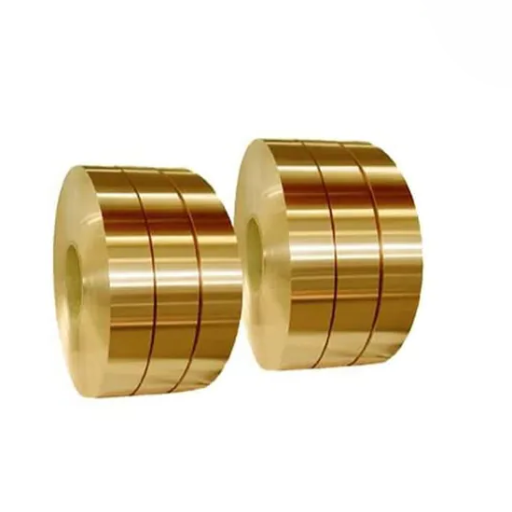
Resistant to corrosion, H59 brass contains high amounts of copper-zinc to prevent the erosion of atmospheric factors such as moisture and air. This property makes it highly useful in humid or corrosive environments to guarantee the longest period of reliability in varied applications.
Factors Affecting Corrosion Resistance
- Environmental Conditions: Corrosion accelerates in high humidity environments or salt water or an acidic atmosphere, although H59 brass is still better in resisting corrosion as opposed to most other materials.
- Alloy Composition: The ratio of copper to zinc within H59 brass accordingly considers the corrosion resistance capability, the balanced constitution forming the best for durability.
- Surface Treatments: In applying surface treatment or coating to protect the brass, one can further increase the resistance against environmental damage and corrosion for a time period in the future.
Comparing with Other Brass Alloys
H59 brass can be compared with H62, H65, H68, and C26000 alloys, highlighting differences in composition, strength, and corrosion resistance.
| Alloy | Copper % | Zinc % | Strength | Corrosion | Cost |
|---|---|---|---|---|---|
| H59 | 59 | 41 | High | Moderate | Low |
| H62 | 62 | 38 | High | High | Medium |
| H65 | 65 | 35 | Moderate | High | High |
| H68 | 68 | 32 | Moderate | Very High | High |
| C26000 | ~70 | ~30 | Moderate | Very High | Very High |
Maintenance Tips for Prolonging Life
- Cleaning Regularly: Wash the brass items with warm water and a mild soap to remove any dirt and prevent buildup of residues that may eventually cause corrosion.
- Polishing: Apply brass polish to keep the brightness going and reduce tarnishing. It should be done sparingly to prevent over-polishing.
- Avoid Chemical Contact: Keep away from any acidic or alkaline substances that facilitate corrosion.
- Avoid Moisture: Store in dry conditions and consider applying protective wax or lacquer to reduce moisture exposure.
- Check for Damage: Examine for wear, corrosion, or cracks at periodic intervals and take corrective action as soon as any problem is found.
H59 Vs. H62 Brass: Which One Is Better?

H59 and H62 brass are chosen according to their particular applications. H59 is harder and stronger thus more suited for parts that face a lot of mechanical stresses. In contrast, H62, having a higher percentage of copper, will give greater protection against corrosion and thus is more workable for decorative or plumbing purposes. Whether H59 or H62 is chosen depends on whether the strength of a particular application takes precedence over corrosion resistance.
Differences Between H59 and H62 Brass Alloys
H59 and H62 brass alloys differ in their composition, hardness, corrosion resistance, workability, and ideal applications.
| Parameter | H59 | H62 |
|---|---|---|
| Copper % | ~57-59% | ~60-63% |
| Zinc % | ~41-43% | ~37-40% |
| Hardness | Higher | Lower |
| Durability | Higher | Moderate |
| Corrosion | Moderate | Higher |
| Workability | Moderate | Higher |
| Uses | Mechanical parts | Plumbing, décor |
Performance in Different Applications
H59 and H62 brass alloys perform optimally in a given target area:
- H59 is more suited to making mechanical components. It is harder and less malleable and performs well in demanding environments where strength is the key property.
- H62 is best utilized in plumbing and decorative applications because of greater corrosion resistance and workability; these properties come in handy during processes that require cutting, bending, or other operations to achieve exact specifications.
Depending on what the application’s design calls for-mechanical strength or being easy to fabrication-should be the deciding factor when employing an alloy.
Choosing the Right Alloy for Your Needs
When choosing between alloys, I tailor my decision according to the needs of the project. An application that demands strength and durability would prompt me to work with H59 since it is harder and stands up well under applied stress. Alternatively, for situations requiring corrosion resistance or complex designs, I opt for H62 because it is more easily workable and exhibits better resistance to wear. From considering the mechanical requirements to the functional aspects, I pick an alloy best suited to fulfill the purpose.
The Role of Zinc in H59 Brass
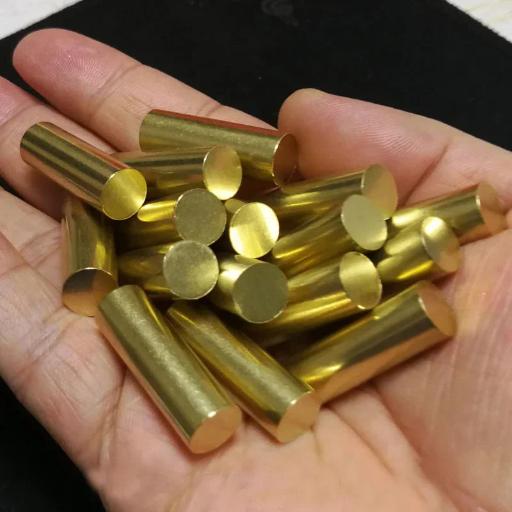
Zinc has the primary function of enhancing the strength and hardness of H59 brass. The stronger and harder the alloy, the better it will resist wear and stress during applications that require durable materials. Furthermore, zinc is pretty cheap and abundantly available, which makes H59 brass cheaper.
Effect of Zinc Content on Properties
The properties of H59 brass, such as mechanical, physical, and chemical, are greatly influenced by zinc content. Generally, this particular kind of brass is composed of 59% copper, nearly 40% zinc, with the remainder being trace elements. The proportion of zinc directly affects characteristics such as tensile strength, ductility, and resistance to corrosion.
- Tensile Strength and Hardness: Higher zinc content in brass increases its tensile strength and hardness. Experimental studies, indeed, reveal that energy of zinc-rich brass materials is displayed during stressful mechanical applications. For instance, H59 brass exhibits high tensile strength ranging between 380 and 530 MPa, depending on the exact composition and heat treatment.
- Ductility: While a high content of zinc serves strength, it may hinder ductility marginally. H59 brass works well to balance the two properties so that it remains sufficiently malleable for forging, machining, and welding processes.
- Corrosion Resistance: Zinc also improves H59 brass corrosion resistance when exposed to moisture or mildly acidic environments. Conversely, slight increases in zinc content can render the alloy more susceptible to dezincification, a form of corrosion weakening the material by selectively leaching zinc. For curbing this risk, small quantities of aluminum or arsenic are added to the alloy in some compositions.
- Thermal and Electrical Conductivity: Zinc doesn’t contribute to higher thermal and electrical conductivity of the alloy compared with purer copper. Still, enough conductivity is left by H59 brass for practical uses.
The application potentials of zinc have been well considered and optimized for a wide range of end-uses of H59 brass. These include plumbing, electric materials, and decorative articles where resistance to strength, durability, and wear are of concern. Therefore, achieving a balance justifies the importance of correct alloy composition in relation to both performance and economic feasibility.
How Zinc Affects Machinability
Zinc plays the major role of improving the machinability of H59 brass and other copper alloys. Adding zinc to copper forms a more uniform microstructure, which reduces friction and heat during machining processes. Hence, this property makes the H59 brass ideal for the highest speed machining operations.
The researches show that brass alloys with zinc content from 30% to 40% yield the best result under machining conditions. For example, industry sources maintain that brass with about 38% zinc demonstrates machinability ratings up to 30% better than pure copper. This has been considered as the consequence of minimizing the adhesion of the material to cutting tools for cleaner cuts, longer tool life, and less maintenance.
Zinc also reduces the melting point of the alloy, thereby softening the material slightly for a smoother and more accurate machining process. Furthermore, zinc increases chip-breaking ability, allowing for the efficient removal of material during machining. Being able to fulfill these properties marks the importance of zinc to modern manufacturing industries.
Environmental Consideration
The use of zinc in the machining alloy carries duly important environmental considerations. Zinc is a recyclable material, and according to the International Zinc Association, almost 30% of the zinc produced worldwide is from recycled sources. This high recyclability conversely decreases waste and lessens the impact on nature caused by extraction from raw materials. Furthermore, latest manufacturing technologies favor greater efficiency in resource utilization, thereby reducing energy consumption in the production of such alloys.
Nevertheless, the environmental fallout from zinc mining and refining cannot be overlooked. Zinc extraction tends to pollute the soil and water when the operations are not handled well, especially regarding the runoff from mining activities. For instance, there have been reports of elevated levels of heavy metals, including zinc, due to improper waste management in mining areas affecting local ecosystems. To address this matter, measures are underway for the implementation of sound environmental regulations and cleaner production methods in modern-day mining operations.
On a much bigger scale, focus is now being paid to reducing emissions related to the production processes. The World Bank, indeed, reveals that through investments in green technologies and adoption of circular economy models within zinc-related industries, greenhouse gas emissions could be greatly lowered while also conserving natural resources. The endeavor is to ensure that zinc could be put to use without a trade-off for environmental integrity.
Understanding the Alloy Sheet and Brass Bar Forms of H59
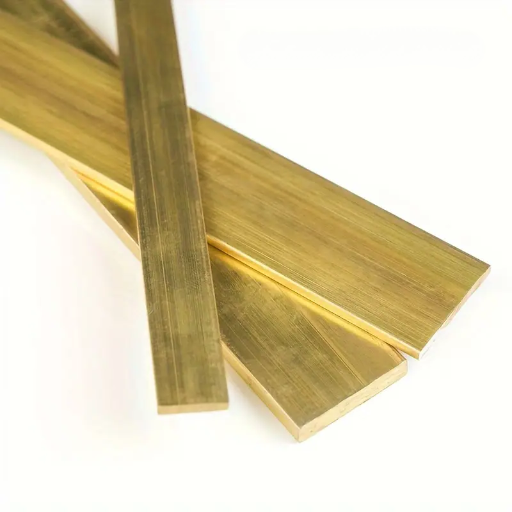
- Alloy Sheets- These are flat, thin sheets of brass of H59 grade. Their ease of manipulation and nice finish make them a nice choice for decorating electrical equipment, and industrial fixtures.
- Brass Bars-Solid cylindrical or rectangular bars of H59, to be used in machining, forging, and structural applications in industries such as construction and manufacturing, owing to their strength and machinability.
Differences Between Flat Bar and Alloy Sheet
Flat bars differ from alloy sheets in thickness, shape, application, and processing methods.
| Parameter | Flat Bar | Alloy Sheet |
|---|---|---|
| Thickness | Thick | Thin |
| Shape | Long, Rectangular | Flat, Wide |
| Use Case | Structural, Machining | Decorative, Fixtures |
| Flexibility | Rigid | Flexible |
| Processing | Forging, Machining | Cutting, Shaping |
Run-Down of the Uses in Construction
Brass bars find a myriad of applications in construction on account of their strength and machinability, on the one hand, and corrosion resistance and aesthetic appeal, on the other. A brass bar is usually implemented in architecture for railings, fixtures, and decorative accents, bringing in strength and style. These bars can also be used for plumbing, electrical works, and heavy industrial works, wherever durability and long service time are required. Furthermore, resistance to environmental factors, including wear and tear, has earned brass bars the status of being one of the most flexible metals for construction purposes.
Welding and Fabrication Methods
Welding and fabrication methods are needed during work on brass bars to ensure proper construction and finishing. Brass, being a copper-zinc alloy, requires specific techniques to maintain its structural integrity and finish during welding. The most widely applied method is the TIG welding process, which ensures better control over heat input and reduces oxidation during welding. It is recommended that a low zinc alloy of brass be used, since high zinc content poses the problem of excessive fumes and also increased weld porosity.
New research states that preheating brass to about 300°F to 450°F (150°C to 230°C) reduces cracks from welding. At the same time, this preheating step helps bending or cutting operations of fabrication processes, preventing stress cracks. For machining brass, carbide or HSS cutting tools are normally preferred as they provide more precision and lesser wear.
For industrial and decorative applications, finishing and polishing will also improve the appearance of brass components. Clear lacquers are generally sprayed after welding and fabrication to enhance corrosion resistance and minimize tarnishing. Because of these advances in welding and fabrication processes, brass bars remain a very much useful material for many industries, where both appearances and practicality must be met.
Reference sources
- Comparison of Color Metallography and Electron Microscopy in Characterizing the Microstructure of H59 Brass Alloy(Yuan et al., 2025)
- Publication Date: 2025-04-29
- Methodology: This study used color metallography, combined with X-ray diffraction (XRD), field emission scanning electron microscopy (FE-SEM), and electron backscattering diffraction (EBSD), to characterize the microstructure of H59 brass alloy. Aqua regia etching was used to prepare the color metallographic samples.
- Key Findings: The study found that color metallography could clearly distinguish α and β phases in H59 brass, accurately representing their morphology, distribution, and content (with average errors of 5.25% for α and 4.71% for β phase). The average error rate for phase content characterization was 4.98%. The brightness and darkness of the β phase were related to grain orientation. The researchers concluded that color metallography could replace EBSD for analyzing phase composition, distribution, content, and grain orientation in brass alloys, offering a cost-effective and efficient alternative.
- Study on the Effect of Surface Micro-texture on the Friction and Wear Performance of Brass(Chen & Deng, 2025)
- Publication Date: 2025-02-24
- Methodology: Precision ultraviolet laser machining was used to create four types of micro-textures (scale, rhombus, ellipse, and line) on the surface of H59 brass. The effects of texture shape, diameter, depth, and area density on friction and wear performance were investigated under dry and abrasive wet friction conditions.
- Key Findings: Elliptical micro-textures (major axis 200 μm, minor axis 100 μm, depth 125 μm, area density 10%) significantly improved the friction and wear resistance of H59 brass. Under dry friction, the friction coefficient decreased from 0.22 to 0.12, and the wear rate reduced by 17.3%. Under abrasive wet friction, the friction coefficient decreased from 0.52 to 0.23, with a 28.9% reduction in wear rate.
- Study on the evolution law and microstructures of melted marks of H59 brass conductor under overcurrent failure(Yan et al., 2024, pp. 130681P-130681P – 6)
- Publication Date: 2024-02-01
- Methodology: Overcurrent failure experiments were conducted on H59 brass conductors (0.5 mm and 0.8 mm thick) using different current intensities (80A-100A and 100A-120A). The evolution of temperature and microstructures were analyzed.
- Key Findings: The heating rate increased linearly with overcurrent intensity. The critical current intensities for melting fracture were 100A and 110A for 0.5 mm and 0.8 mm thick conductors, respectively. At critical current intensities, the microstructure showed an as-cast structure with α-phase orientation and transcrystalline fracture. Below critical intensity, H59-0.8 showed an isometric α-phase structure. Localized melting marks with a widmanstätten structure were observed in H59-0.5 at 90A.
Frequently Asked Questions (FAQs)
Q: What is H59 Brass?
A: H59 Brass is a brass alloy that is known for very good mechanical properties and corrosion resistance. It is widely used in connectors, radiators, and sheet metal fabrications.
Q: How does H59 Brass differ from H62 Brass?
A: Comparing H59 against H62 Brass, H59 contains less copper, making it cheaper with altered mechanical properties. H62 contains higher copper content, which can improve some properties such as thermal conductivity and corrosion resistance.
Q: What are the particular characteristics of the H59 Brass?
A: Brass H59 is known for its good machinability, durability, and corrosion resistance. It is used mainly for manufacturing brass products such as water pipes, terminals, and brass plates.
Q: Why is H59 Brass considered an ideal material?
A: H59 Brass is considered ideal due to its versatility, good mechanical properties, and ability to withstand various atmospheric conditions. It fits the bill for both cold working and hot working.
Q: What is the role of copper content in the properties of H59 Brass?
A: Depending on the copper content, H59 Brass will have variations in thermal conductivity, corrosion resistance, and wear resistance. Less copper than in other alloys such as H62 leads to differences in these properties and makes it more suitable for some applications.
Q: What about thermal conductivity of H59 Brass?
A: H59 Brass has a decent thermal conductivity, suitable for applications like radiators and connectors where heat dissipation is important.
Q: Can H59 Brass be used in nature-friendly applications?
A: Yes, H59 Brass can be used in environmentally sensitive applications because of its excellent corrosion resistance, and it is possible to add elements such as lead to enhance durability.
Q: For what motives would one work Brass H59 Sheets?
A: H59 Brass sheets find common applications in making brass surfaces, water pipes, and terminals owing to their good machinability and corrosion resistance.
Q: Could H59 Brass be used in atmospheric conditions?
A: Yes, H59 Brass is suitable for atmospheric use because of its durability and corrosion resistance, thereby posing strong versatility in the industrial scene.
Q: How does the presence of some elements such as lead influence H59 Brass?
A: The presence of such elements as lead in the composition of H59 brass improves machinability and also increases durability. These changes make it highly suitable for those specific applications where such attributes are required.


