


From the avionics to the automotive, aluminum grades are now the most loved materials and parts thanks to their unique characteristics of being strong, light and versatile in cleaning. Of these grades, 2a12 aluminium is one of the recognized and preferred types of aluminium due to its unique properties designed to serve extremely demanding application conditions. However, how much more beneficial is 2a12 Aluminium, and why should it be considered for your case? The objective of the given work is to reveal the key characteristics of 2a12 Aluminum, which industrial sectors prefer to apply it, and the merits that are yet to be explained for other kinds of material. This guideline helps a variety of industry readers to appreciate why 2a12 Aluminum is very effective in the latest designs and problems in technology.
What is 2a12 Aluminum, and its Chemical Composition?
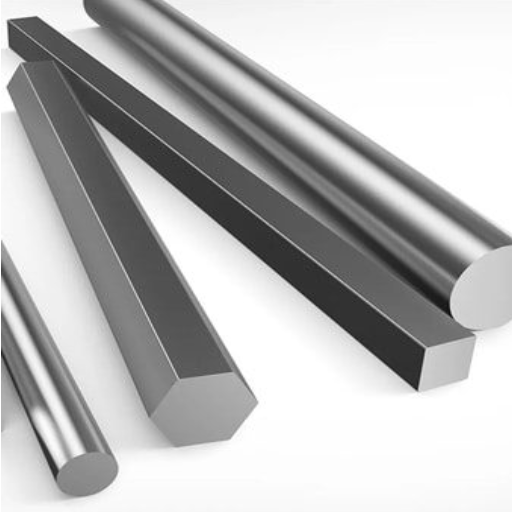
2a12 – gunmetal and after that, airplane grade aluminum is certainly an aluminum blended with copper, magnesium, and manganese. Loved for its natural and mechanical properties that enable it to be easily worked on, it is preferred in the vehicle and aviation industries, not only in construction work. Chemical composition 2a12 is determined to be within the following ranges: 3.8 to 4.9% copper, 1.2 to 1.4% magnesium, 0.30 to 0.90% manganese, and within 1.0% of 2a12, all other batches with silicon, iron, and so on. All these components effectively balance the alloy properties for the right withstanding strength and lightness without corrosion, making it fit for rugged environments.
Key Components of 2a12 Aluminum Alloy
The 2a12 aluminum alloy is mainly defined by a specific formulation that provides it with high mechanical properties and resistance against a challenging environment. A description of these essential ingredients based on the most up-to-date information follows:
- Copper (Cu)
The volume of copper in this alloy sums up to 3.8-4.9%, which provides great strength in the material and also effectively increases its heat resistance. This specification is what makes 2a12 aluminum most desirable for high-performance engineering activities, such as those requiring high strength and the ability to accommodate high temperatures.
- Magnesium (Mg)
This alloy features between 1.2% and 1.8% magnesium, which improves its ultimate tensile strength and promotes good machinability. It even facilitates precipitation hardening, which aids in loading the material with stress.
- Manganese (Mn)
Accumulating to 0.30-0.9%, of which about 0.30% will be acceptable, manganese improves corrosion resistance by relieving the formation of grain boundaries. This is essential in cases where moisture is present in the aggressive medium or salt exposure is present, like in the marine or aerospace industry.
- Silicon (Si)
At trace levels, typically less than 0.50%, silicon enhances the wear properties of the material and increases butt weldability, which allows the easy building up of the alloy components.
- Iron (Fe)
Another trace constituent, iron, which is often found at levels less than or equal to 0.50%, adds to the tensile strength without much loss in out-of-plane elongation. Notwithstanding the benefits iron content provides, an appreciable concentration might impair the engineering support companionship of the other elements, thus trying to minimize the amount added.
- Aluminum (Al)
In 2a12 aluminum alloy, aluminum is the main element responsible for the structure and the bulk of the weight. Aluminum enables lightweight, in addition to its thermal and electrical conductive properties, which are important in many industries, including metallurgical assemblies.
The ratios and values of these elements in 2a12 aluminium make it stronger than its weight, offer enhanced resistance to wear and tear, and are long-lasting in aggressive environments. This fact signifies that the alloy is used in cases requiring high precision, like the airframe of an aircraft, automobiles, and some structural designs.
How Does the Chemical Composition Affect Performance?
The strength and fatigue properties of alloy 2A12 aluminum-based materials depend mainly on its chemical composition. Indeed, copper is added to increase hardness and prevent plastic deformation during use under intense loadings. In this line, magnesium is included to increase strength and make it possible to use these materials in applications with high mechanical loads. Addition of manganese in the amounts less than 0.5-2% (like “<0.5” or” “only”)imity is advantageous because it minimizes low angle boundaries (SLID) on the metals. These defined element compositions facilitate obtaining the required material properties without problems, which is why the method of manufacturing materials is acceptable for critical applications, such as the production of aircraft parts and engines that shall work very accurately.
Comparison of 2a12 with Other Aluminum Alloys
Alloys such as LY12, 2024, or 6061 are often compared and differentiated from 2A12 in terms of hardness, corrosivity, density, and application.
|
Parameter |
2A12 |
6061 |
2024 |
LY12 |
|---|---|---|---|---|
|
Hardness |
120HB |
90HB |
High |
Similar to 2024 |
|
Corrosion |
Low |
High |
Moderate |
Moderate |
|
Density |
2.78-2.79 |
2.7 |
~2.78 |
~2.78 |
|
Strength |
High |
Moderate |
Very High |
High |
|
Applications |
Aerospace |
Structures |
Aircraft |
Aircraft |
What Are the Mechanical Properties of 2a12 Aluminum?

2a12 is known for its high strength-to-mass ratio and durability, making it suitable for high-stress applications. It possesses such mechanical properties as high tensile strength, good endurance of cyclic loading, and resistance to the effects of corrosion at an average level. This alloy easily handles machining and welding operations, which is why it is extensively applied. Furthermore, 2a12 remains useful in different temperature environments as this alloy is designed to save high-end operations.
Strength and Hardness of 2a12 Aluminum
A famous metal for its remarkable strength, 2a12 aluminum is utilized extensively in the automotive, aeronautical, and building equipment with the addition of its profound hardness. While in use, the tensile strength of this alloy is around 390 to 490 MPa, reducing slightly depending on the temperature and heat treatments employed. In addition, it also has a Brinell hardness of roughly 120 HB, which indicates its capacity to resist deformation when a load is applied. These excellent inherent properties derived from its composition and poor specific weight make the element perfect.expectException. It combines strain-defying capacities and lightness to allow it to be used in high-stress machine parts while still not compromising its functionality.
How Does Heat Treatment Enhance 2a12 Aluminum?
The modification of the mechanical properties of a metallic alloy is one of the principal advantages of heat treatment, as seen in the case of 2a12 aluminum alloys currently processed for sale. Through heat treatment processes, like solution annealing and age hardening, the structure of the alloy is improved by modifying the internal configurations of these materials, hence causing a significant improvement in the tensile and yield strength properties. These temperatures facilitate copper dissolution and homogenous distribution, which resists stress and deformation in the component. Still, it increases the surface wear resistance and toughness, making 2a12 aluminum appropriate for aerospace and other high-performance applications that need composites, which are very thin yet mechanically durable. In this respect, the study ensures that the material caters to operational requirements and quality aspects as specified for that industry.
Weldability and Machinability of 2a12 Aluminum
2a12 aluminum, however, does have certain drawbacks as it can be moderately fused, more so because of its elevated copper levels. The appropriate improvement surgeries and techniques, such as TIG or MIG welding, are widely employed in these cases, where sometimes even very complicated trainings are involved, for example, considerable CPU cores, and to prevent cracking, accurate heat control is required. This may not be restricted to welding techniques based on the parameters that influence the melting and consolidation of metal. Nevertheless, nealroances, pretreatment, and low pre-cooling at both preceding and after butt-welding stages are beneficial in relieving its destructive effects: Intracrystalline or residual shear stresses that are detrimental to bond strength.
Machinability is a pretty important factor influencing the use of 2a12 aluminum for specific purposes regarding the mechanical and tribological properties. The higher the grade, the more the machining processes are done in a high-speed region, and the more easily it can be milled, bored, or cut within close limits of size. According to machining standards, in free machining brass, 2a12 aluminum is defined as sixty percent of the machinability of free or hard machining brass. This would help achieve high production with fewer tool costs. Besides that, cutting friction and heating up the tools are minimized, preventing wear and improving cutting machining performance.
Information indicates that the alloy’s workability, in conjunction with other properties of strength, and in particular resistance to fatigue, ranks it as a unit isolated aluminum polytropic without deformability. Given that the metal possesses these properties, it is applauded in branches such as aerospace, automotive industry, manufacture of light metal constructions, etc., where accuracy of manufacture and operation is necessary.
What Are the Common Applications of 2a12 Aluminum?
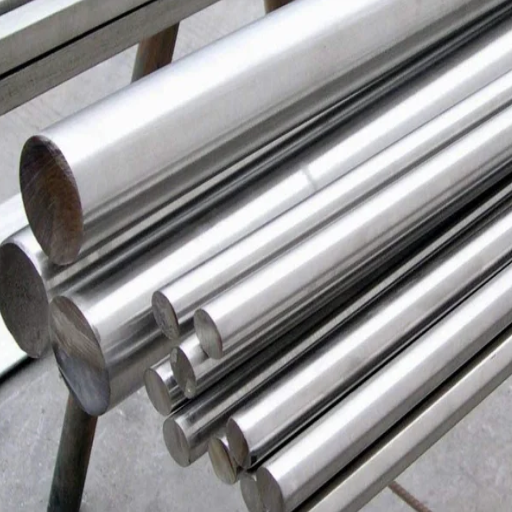
The 2a12 aluminum alloy is generally utilized particularly in applications that demand high yield strength and resistance to fatigue. These applications can be featured as follows:
- Aerospace: This particular material is used in making different parts of airplanes, mostly the fuselage, wings, and other important parts, as it has good machinability and excellent mechanical life.
- Car Industry: Suitability for manufacturing critical vehicle sub-assemblies such as chassis and suspension systems.
- Structural Components: 2A12 aluminum is also used to provide mechanical systems for buildings and bridges made of trusses and girders.
- Military Equipment: Finally, 2A12 aluminum is manufactured to armor vehicles and other fighting applications, like tanks, because of its impervious and unbreakable fabrication.
The foregoing applications show how the magnesium alloy is easy to work with, fits the purpose, and is cost-effective.
Use of 2a12 Aluminum in Aerospace and Aviation
One of the most essential features of 2A12 aluminum is its relatively high material strength values and the endurance limit to repeated load, which is very high. It is most often used in the aerospace and aviation industries. Its high mechanical characteristics render it suitable for constructing airplane fuselages, wings, and other significant parts that are stressed above the elastic limit, where toughness and wear resistance are essential. In addition, its acceptable workability and corrosion-resistant characteristics allow it to show peak performance in diverse environmental situations such as high altitudes and varying temperatures. For Aerospace, with its lightweight material, 2A12 Aluminum has become very important and valuable in modern aerospace. This situation continues to make this metal crucial for innovations and developments in aerospace engines.
How is 2a12 Aluminum Sheet Utilized in Manufacturing?
Mechanically speaking, the quality of 2A12 aluminum sheet is second to none. It is primarily this accolade that makes it a favorite in the manufacturing industry. For the most part, the specialized materials needed in modern aircraft construction have these high mechanical properties of the 2A12 aluminum sheet – very light, but tough – fuselages, wing parts, subassemblies, decoration, and assembly of military aviation. The component is beneficial because it can function under very low or high temperatures or any other harsh conditions.
Furthermore, the 2A12 aluminum sheet is suitable for customized part production as its machinability is excellent. Applicably, the transport and defense sectors have to go even further than classic techniques like turning or milling actual parts and components; actual components assembly is likely to be redundant, owing to the corrugation or versatility that is inbuilt to sugarcane bagasse materials. This enables the introduction of 2A12 aluminum structures, which could reduce the expansion of the vehicles by 20%, therefore reducing the production of cleaner adversaries that are more eco-friendly than damaging carbon dioxide.
Two-fold automotive and marine engineering applications have altered how businesses utilize this technology, with 2A12 aluminum sheets being explored for corrosion resistance. It is put to good use in marine and chemical plants, all for their corrosion resistance. Given this scenario, manufacturers have optimized their use of 2A12 aluminum and other means, such as CNC machining and laser cutting, to make precision components quickly, but with an anticipated profit margin. It is thus a first natural step in applied research in industry.
Applications in High-Strength Structures
Steel is no longer the go-to material for metal manufacturers. Various practical applications have arisen for the 2A12 aluminum alloy. These are five of the many dependent on it: these are where its mechanical properties—good tensile strength and machinability—decide it as the best.
- Aerospace Industry
Fuselage panels, wing frames, and support structure of the aircraft.
It is light but sufficiently sturdy to help reduce a plane’s total weight while improving its performance.
- Transportation Vehicles
Automobiles, buses, and even trains have some parts made of Al 2A12 intended for use in high-stress areas.
Conversely, obesity has long been a major player in the transport sector, and the material can be used to save weight and assure safety by mitigating other alternatives.
- Marine Engineering
There are sectors like shipbuilding where the hull may also include deck structure and reinforcements; most of them are made of this material.
Alloys do not attack and can resist corrosion in severe conditions of a marine body.
- Defense Equipment
Parts or components of such weapon systems as armored personnel carriers, weapon systems, etc within the military domain.
Under those conditions, one does not require high tensile strength and durability, and aluminum is best for this.
- Industrial Machinery
They design ordinary functional parts and the prominent members of relatively large machinery.
It can cater to operations taking place within compression buckets as well as pulling zones.
What Are the Corrosion Resistance Properties of 2a12 Aluminum?

AA aluminum is prone to a moderate level of disorder in mildly corrosive parties exposed to atmospheric moisture. At the same time, in highly corrosive and seawater environments, it is not as corrosion resistant as nonmonochrom heats of aluminum, such as the 5xxx or the 6xxx. To boost the extent to which it can be used in applications, the material is often modified chemically with various treatment methods, such as coatings and anodizing, to retard the rate of surface degradation and improve its stability in sectional applications.
Understanding Corrosion Resistance in 2a12 Aluminum
Elaborate measures are usually implemented following the most current research and practical knowledge to mitigate the corrosion of 2a12 aluminum. In most instances, protective coatings serve as paramount solutions to corrosion, including weather effects, like epoxy paints or powder coatings. In addition, processing known as anodization, which involves the formation of a dense layer of oxide on the surface of the aluminum, is used to enhance the corrosion resistance of aluminum against the saline and humid weather. Furthermore, recent advances in the field of materials are developing nanocoatings, and hybrid organic-inorganic films are also under development as they offer some advantage against the established ways of protection. If this planning is done and maintenance is applied, the service life of 2a12 aluminum under extreme conditions will be significantly increased.
Methods to Improve Corrosion Resistance
A couple of techniques have been recommended and implemented to decrease the susceptibility of the 2a12 aluminum to corrosion. Some of these are addressed, hence providing five different strategies;
- Anodizing
Generally, anodizing aims to form a thin and hard oxide on the metal’s surface that will impede destructive elements such as humidity and saltwater.
Usually, sulfuric acid is employed in the process, but in this case, it can increase the resistance to corrosion by around 20 to 30% compared to pure aluminum.
- Application of Protective Coating
Covering the surface of organic or inorganic parts, such as resistant coatings based on oligomer-modified Epoxy, relieves them from oxygen since this is one of the three substances that support combustion.
Tests conducted in a laboratory on monolithic films show a more than 50 % enhancement in overall performance compared to conventional coatings.
- Adding Corrosion-Resistant Elements through Alloying
Certain alloying elements, such as chromium or magnesium, can be introduced to improve the corrosion resistance of the material.
Experiments have discovered that even a 1-3% magnesium alloy performs better than the base alloy and resists 15% better in saline environments.
- Cathodic Protection
The zinc or magnesium sacrificial anode can protect the main structure from corrosion by making the anode corrode.
Furthermore, this method can be used to sequentially maintain the hulls of large water bodies and plants.
- Cleaning and Maintenance Schedule
Cleaning non-abrasives every so often can help remove contaminants on the surface, such as chlorides, which speed up wear.
In maintenance, it is possible to cut pitting by 40 percent in the 20th century.
The approaches mentioned above, used alone or in combination, can increase the 2a12 aluminum pretreatment period and enhance the material’s reliability in simplified forms.
Comparison with Other Alloys in Terms of Corrosion Resistance
Regarding corrosion resistance, 2A12 aluminum is lower than 6061, 2024, and LY12 aluminum alloys, thus competitive in different fields.
|
Alloy |
Corrosion |
Protection |
Treatment |
Applications |
|---|---|---|---|---|
|
2A12 |
Low |
Poor |
Anodizing |
Aerospace |
|
6061 |
High |
Excellent |
None |
Structures |
|
2024 |
Moderate |
Fair |
Coating |
Aircraft |
|
LY12 |
Moderate |
Fair |
Coating |
Aircraft |
Reference Sources
- Formation and fracture characteristics of friction stir lap joint of Alclad 2A12-T42 aluminum alloy at different tilt angles
- Authors: Zu-Huang Cheng et al.
- Published: June 8, 2023
- Journal: Welding in the World
- Citation Token: (Zu-Huang et al., 2023, pp. 1901–1910)
- Key Findings:
- The study investigates the effects of different tilt angles on the formation and fracture characteristics of friction stir lap joints made from Alclad 2A12-T42 aluminum alloy.
- It was found that the tilt angle significantly influences the joint’s mechanical properties and fracture behavior.
- Methodology:
- The research involved experimental welding of aluminum alloy samples at various tilt angles, followed by mechanical testing and microstructural analysis to assess joint quality and fracture characteristics.
- Study on the Correlation between the Microstructure Characteristics and Corrosion Behaviors of 2A12-T4 Aluminum Alloy under Thermal Strain
- Authors: Shuaihao Qian et al.
- Published: June 6, 2021
- Journal: Metals
- Citation Token: (Qian et al., 2021)
- Key Findings:
- This study explores how thermal strain affects the microstructure and corrosion resistance of 2A12-T4 aluminum alloy.
- The results indicate that the distribution of precipitated phases significantly impacts corrosion behavior, with optimal thermal conditions enhancing corrosion resistance.
- Methodology:
- The authors used thermal simulation technology to prepare samples under varying peak temperatures and strain levels, followed by microstructural analysis and electrochemical tests to evaluate corrosion resistance.
- Microstructure characteristics of Laser-MIG hybrid welded 2A12 aluminum alloy joint with titanium addition and heat treatment conditions
- Authors: J. Yan et al.
- Published: 2021
- Journal: Metals and Materials
- Citation Token: (Yan et al., 2021)
- Key Findings:
- The paper discusses the effects of titanium addition and heat treatment on the microstructure of 2A12 aluminum alloy joints produced by Laser-MIG hybrid welding.
- The findings reveal that titanium addition improves the microstructure and mechanical properties of the welds.
- Methodology:
- The study involved welding experiments with and without titanium addition, followed by microstructural analysis using various characterization techniques.
- Top Aluminum CNC Machining Parts Manufacturer And Supplier In China
Frequently Asked Questions (FAQs)
Q: What are the main differences between 2A12 aluminum and 6061 aluminum?
A: The main differences between 2A12 aluminum and 6061 aluminum are their alloy compositions and properties. 2A12 aluminum, a high-strength alloy, is primarily used in aircraft and aerospace applications. In contrast, 6061 aluminum is more versatile and widely used in various aluminum products due to its good corrosion resistance and weldability.
Q: Is 6061 aluminum plate suitable for structural applications?
A: Yes, 6061 aluminum plate is widely used in structural applications due to its excellent mechanical properties, strength, corrosion resistance, and weldability. It is often used in building frames, bridges, and other heavy-duty applications.
Q: How does the density of 2A12 compare to the density of 6061?
A: The density of 2A12 aluminum is approximately 2.85 g/cm³, while 6061 aluminum is about 2.70 g/cm³. This means 2A12 aluminum is slightly denser than 6061 aluminum, which can impact the weight of the final aluminum products.
Q: What applications are 2A12 and 6061 aluminum alloys commonly used in?
A: 2A12 aluminum is primarily used in aircraft and aerospace components due to its high strength-to-weight ratio. Meanwhile, 6061 aluminum is used in various applications, including automotive parts, marine structures, and general fabrication, because of its versatility and good corrosion resistance.
Q: What is the hardness of 6061 aluminum compared to 2A12 aluminum?
A: The hardness of 6061 aluminum typically ranges from 95 to 100 on the Brinell scale, while 2A12 aluminum is more rigid, often exceeding 120 on the Brinell scale. This increased hardness makes 2A12 aluminum more suitable for high wear resistance applications.
Q: Can 6061 aluminum be welded easily?
A: Yes, 6061 aluminum is known for its good weldability, making it suitable for various welding techniques, including gas and argon arc welding. It is often used for fabrication where strong joints are needed.
Q: Why is corrosion resistance not high in 2A12 aluminum?
A: 2A12 aluminum has lower corrosion resistance than 6061 aluminum due to its higher copper content. This makes it more susceptible to intergranular corrosion, especially in marine environments; thus, it often requires protective coatings when used in such applications.
Q: What is the price difference between 2A12 aluminum and 6061 aluminum?
A: Generally, 2A12 aluminum can be more expensive than 6061 aluminum due to its specialized properties and applications in the aerospace industry. However, prices can vary based on market conditions and the specific aluminum products purchased.
Q: Are any specific processing technologies used for 2A12 and 6061 aluminum?
A: Different processing technologies are employed for 2A12 and 6061 aluminum. While 6061 aluminum can be easily extruded and formed, 2A12 aluminum may require more complex processing techniques due to its hardness and strength, often involving special tools and methods to avoid cracking.


