


Sheet metal fabrication is the cornerstone industries. Automotive parts, anything imaginable: complex architectural designs, sheet metal fabrication is in the middle of it all. Each sheet metal offered carries its properties and advantages; choosing according to your project could be quite an overload for the mind. This guide takes you into the world of sheet metal fabrication, throwing light onto the major criteria you ought to consider while underlining some sheet metals that market holds most popular. So if you want the metal that represents durability, versatility, or maybe cheap, we will work with you to make sure the metal from your imagination comes into existence.
Understanding Sheet Metal Fabrication
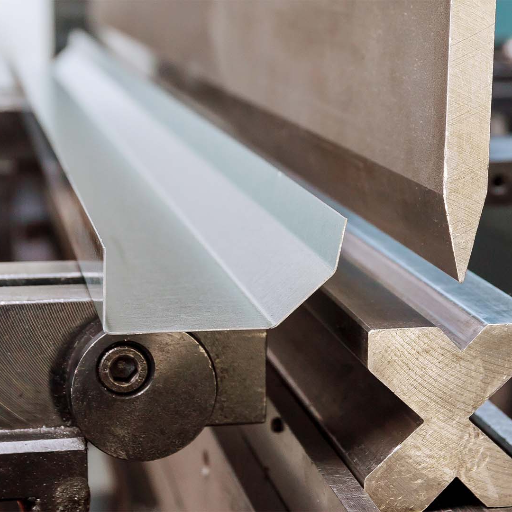
Sheet metal fabrication involves taking a flat sheet and working it into a structure of certain shape, being cut, bent, or assembled as required. Cutting may be by laser beam, bending with a large press brake, and joining by welding-the choice of method depending on the material and the requirements of the project so that the finished product is accurate and functional.
What is Sheet Metal Fabrication?
Sheet metal fabrication is a manufacturing procedure that involves the conversion of flat sheets of metal into structures or components. These sheets undergo diverse methods such as cutting, bending, forming, welding, and assembling into a product that meets exact requirements. Materials commonly working in these processes are aluminum, steel, stainless steel, and copper, to name a few, due to their strength and versatility. With the emergence of new fabrication technologies such as CNC machines and lasers, a new level of precision, productivity, and customization has been attained to meet the standards of automotive, aerospace, building, and electronics sectors.
Importance of Choosing the Right Metal
Selecting the right metal in a fabrication process is vital to achieving the functional requirements, durability, and aesthetic characteristics which one demands in a product. In general, a metal provides certain traits: strength, corrosion resistance, weight, and conductivity. Those characteristics directly influence a product’s intended performance and its life span. Stainless steel, for example, is a metal that is highly sought after in a corrosive environment when moisture is involved, whereas aluminum is preferred in aircraft and automotive applications due mainly to its lightness. The manufacturers should give due consideration to cost and sustainability issues when selecting a metal, with alternatives like recycled metals being part of the mix nowadays. These considerations, when properly weighed against the constraints and requirements of a project, will allow manufacturers to bring about better results while avoiding unforeseen difficulties.
Common applications of sheet metal fabrication
Due to its versatility and durability, sheet metal fabrication plays a crucial role in almost all industries. Automotive is one of the principal applications: the sheets are used to make body panels, structural members, and some highly intricate engine parts, to name but a few. Construction schools also rely heavily on sheet metal for roofing, cladding, and ductwork. Aerospace places a huge emphasis on producing airframe and engine components that are light yet strong, as does sheet metal. There are other instances with consumer electronics for metal cut to size being used for casings and internal frameworks. These instances are extreme evidence as to how paramount the role of sheet metal fabrication is in modern manufacturing and engineering.
Sites in the Metalworking Industry

- Steel: Steel is always considered strong, durable, and corrosion resistant. Construction, automotive applications, and industrial applications are its major uses.
- Aluminum: Being lightweight yet strong, aluminum is suitable for applications that require mobility or resistance to rust, such as aerospace, transportation, and consumer electronics.
- Copper: It has good conductivity and malleability. Widely used in electrical wiring, roofing, and decorative works.
- Brass: This alloy has copper mixed with zinc. It has both durability and an elegant appearance and is hence used for decorative purposes and for plumbing fixtures.
- Titanium: Being highly strong and light in weight and having high corrosion resistance, titanium is used for aerospace, medical implants, and other high-performance applications.
Steel: An Overview
Steel is perhaps one of the most versatile and broadly widely utilized materials in various industries. It is an alloy composed mainly of iron and carbon, with the carbon content imparting strength and hardness to the material. Other elements like chromium, nickel, or manganese may also be added to impart special characteristics like corrosion resistance or toughness. Steel remains popular because of its durability, adaptability, and relatively low cost and finds its place in construction, automotive industries, machinery, and appliances. Right from skyscrapers down to surgical instruments, steel has contributed generously to modern-day civilization.
Stainless Steel for Corrosion Resistance
It is an alloy that can resist corrosion and, therefore, best suited where corrosion could be caused by the presence of water, chemicals, or change in ambient temperature. At least 10.5% chromium is added to stainless steel to cause the formation of a thin oxide layer that is self-healing on the surface and therefore prevents the substrate metal from rusting and ensures that the steel will perform satisfactorily in harsh environments for a long period of time. Other elements may include nickel and molybdenum, whose presence further enhances durability, resistance to pitting, and specific applications. The exceptional properties of stainless steels make them an ever-important material in construction, medical equipment, and food processing.
Carbon Steel for Fabrication Projects
Carbon steel is widely used for fabrication works because of its strength, adaptability, and cost-effectiveness. It mainly contains iron and carbon and therefore has an excellent tensile strength and durability, which makes it suitable for structural applications, machinery, and tool applications. Depending upon the carbon content, it can be divided into low, medium, and high carbon steels, each with hardening and softening abilities. Although carbon steel may not have stainless steel resistance to corrosion, a suitable coating or treatment may be applied to make it highly resistant and hence durable. Its popular applications across various industries include construction and manufacturing, due to its adaptability and low price.
Different Sheet Metal Materials and Their Properties

- Aluminum – Aluminum being less dense, corrosion-resistant, and more malleable, is preferred for extremely high strength-to-weight ratio applications such as aerospace and automotive industry.
- Stainless Steel – Having good corrosion resistance and strength, stainless steels are mainly used for construction, medical devices, and food processing since they are durable and hygienic.
- Carbon Steel – Renowned for its strength and affordable price, carbon steel is largely used in structural and machining applications, though it does need to be coated with paint to resist corrosion.
- Copper – Copper has excellent thermal and electrical conductivity characteristics, therefore applies for electrical wiring, roofing, and decorative works.
- Brass – A copper-zinc alloy with a good resistance to corrosion and an attractive finish, brass is customarily used in plumbing, musical instruments, and arts and crafts.
Hot-Rolled Steel: Advantages and Uses
Hot-rolled steel is a popular versatile and economical choice for various applications. The steel is formed and worked at very high temperatures of above 1700°F (above the recrystallization point) so that it may be easily molded into desired shapes. It is important to mention one of the advantages of hot-rolled steel-that it can be cast in diametrically huge sizes, making it useful for heavy beams, rails, and heavy machinery.
Per the latest data acquired from industries, over 1.8 billion metric tons are produced annually in the global steel market, a large amount of which passes through the hot-rolling process. Hot-rolled steel finds a place in construction applications like bridges and buildings because of its strength and value for money. It also has a distinct blue-gray finish and can be further treated or coated, making it well suited for manufacturing automotive components, farming implements, and shipping containers.
Hot-rolled steel is otherwise very flexible and durable, unable to tolerate extremely heavy loads and temperature variations very well. However, slight surface imperfections might be observed because of the cooling, though its designation for structural applications and industrial uses remains unbeaten. These qualities are the main reason that hot-rolled steel is still in high demand in various applications worldwide.
Cold-Rolled Steel: Advantages for Precision Applications
Cold-rolled steel is known for its superior surface finish, higher strength, and more precise dimensions for applications requiring tight tolerance and good appearances; it is rolled at room temperature and then processed further for a smooth surface and its better mechanical properties. Other than manufacturing automotive body panels, cold-rolled steel is commonly used for appliances such as refrigerators and washing machines, while engineering applications for precision components are another notable use of the material. The high strength-to-weight ratio of cold-rolled steel has allowed manufacturers to develop lightweight products that are extremely durable, thus complementing the drive for sustainability and energy efficiency. Additionally, the material can be formed fairly easily into complex shapes without any compromise on the structural integrity of the finished products, thereby making it a material of choice for advanced engineering applications.
Alloy Options for Strength Enhancement
The strength-enhancing alloys are usually steel of very high strength, aluminum alloys, and titanium alloys. The high-strength steels, including the dual-phase steel and the advanced high-strength steels, mainly have a good strength and account for a little stretch, which is useful for automotive and structural applications. The aluminum alloys especially 7000 and 2000 series provide a very light solution with very good tensile performance which is more compatible with aerospace and transport industry. The titanium alloys, because of their spectacular strength-weight ratio and corrosion resistance, are the preferred alloys in aerospace, medical, and high-performance engineering fields. Every option is responsive to a particular need; this opens the possibility of diversified solutions.
Material Selection
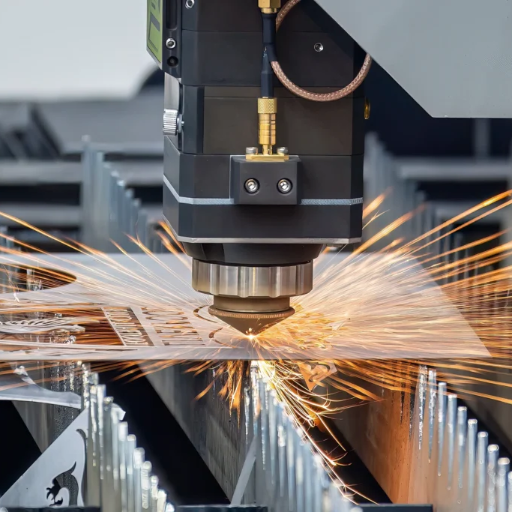
Material selectionu for a fabrication project is volitional upon an element of concern about its strength, weight, corrosion resistance, or environmental application. With the high strength and low cost, steel is an excellent choice offered to be incorporated into construction and heavy machinery. Aluminum alloys are used where light weight is required for aerospace and transport purposes, while titanium is considered for high-performance applications requiring an unfavorable strength-to-weight ratio and corrosion resistance. Optimal consideration of project requirements will optimize the choice and performance of materials.
Assessing Durability and Cost-Effectiveness
Material selection criteria important to a practical approach for considering long-term durability and cost-effectiveness include all other factors. For instance, steel stands for durability in terms of duration level as it deforms on heavy loads. Recent data suggests that structural steel, if maintained well, might last more than 50 years, and this might well be a cost-effective solution for large-scale projects.
Aluminum, although costly initially when compared to steel, confers the advantages of corrosion resistance and economy in maintenance, which reduce the long-term expenses. Aluminum structures seem to have a service life of 40 to 60 years, especially when exposed to moist and marine environments where corrosion should have otherwise been an issue.
The titanium, however, much more expensive than either steel or aluminum, has five times the best corrosion resistance in combination with strength-to-weight ratio. Engineering studies illustrate that in aerospace or medical applications, titanium components remain viable and intact for decades under extreme conditions because of its inertness.
The question of cost-effectiveness-the other side of the coin-considers life-cycle cost. Steel might be inexpensive initially but life cycle costs could magnify when frequent maintenance and repairs are considered. Aluminum on the other hand could cost more initially but its maintenance cost could be less, thereby realizing a saving in maintenance over time. Decision-making.OptionMakers opting for any material will need also to weigh material cost versus maintenance/repair and operational cost throughout the projects’ lifecycle in order to obtain the best value over the life span of the project: correlating durability with costs will make a clearer decision in material selection from both performance and budgetary viewpoint.
Choosing the Right Metal for Harsh Environments
In a harsh environment, about corrosive resistivity, strength, temperature sensibility, and maintenance demand, it shall stand first in priority during metal selection. Stainless steels, aluminums, or titanium work well due to their inherent rust and wear resistance. For extremes, however, protective coatings or specific alloys could give a higher degree of protection against environmental challenges. However, whatever that conduce good performance and endurance-in-challenging environments would uplift those attributes against their cost.
Finishing Processes and Their Impact on Selection
The finishing process helps one to select a material by improving some surface properties, such as corrosion resistance, wear resistance, or appearance. These processes may include anodizing, powder coating, or electroplating; all are applied to increase durability and performance, making one material more suitable than another for a specific application. The choice of finishing process should also consider material compatibility and operational demands.
Tips for Selecting the Right Sheet Metals
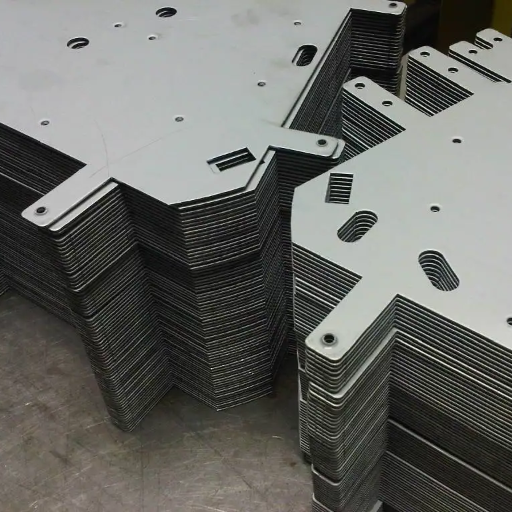
- Understand the application requirements: Strength, flexibility, corrosion resistance, and weight need consideration; the material must comply with what the application requires.
- Evaluate the environment: Things to consider include moisture, chemicals, and temperature extremes that may weaken the durability of the material.
- Check compatibility with finishing processes: The material should be amenable to coatings and treatments, so that it may be further optimized for performance and appearance.
- Consider cost and availability: Balance money with the value one can get along.
Evaluating Different Sheet Metal Types
The most common sheet metal types include stainless steel, aluminum, copper, brass, and carbon steel.
| Type | Durability | Corrosion | Strength | Weight | Cost | Use Cases |
|---|---|---|---|---|---|---|
| Stainless | High | High | High | Moderate | Moderate | Kitchen, Medical |
| Aluminum | Moderate | High | Moderate | Light | High | Aerospace, Auto |
| Copper | Low | High | Low | Moderate | Very High | Roofing, Wiring |
| Brass | Moderate | Moderate | Low | Moderate | High | Decorative, Tools |
| Carbon | High | Low | Very High | Heavy | Low | Machinery, Tools |
Common Types of Sheet Metal Materials
The table shows a comparison of the sheet metal materials based on price, property characteristics, and common applications. Stainless steel finds applications in several areas due to its durability-from the medical field to kitchens. Aluminum is light, yet sufficiently robust for aerospace and automotive applications. Copper has high conductivity and is therefore used for roofing and wiring. Brass is relatively decorative, with moderate properties. It is used for tools and decorative items. Carbon steel is strong, heavy, and employed for machinery and tools.
Factors in the Metal Fabrication Projects
When it comes to metal fabrication projects, I consider several factors. First of all, I tend to assess the requirements of a particular project, such as strength, weight, and durability requirements, so as to pick the most fitting metal. Properties of the metal also come into consideration, such as conductivity, corrosion resistance, and machinability of the metal. Budget also matters; schedule is also important to consider along with the intended use. Finally, I want to ensure that through fitting functionality with cost-effectiveness, and somewhat with aesthetics, the project will be set for success.
Reference sources
- Fabrication and Analysis of Denture Plate Using Single Point Incremental Sheet Forming
- Authors: H. Saad, Ahmed Z. M. Shammari, S. S. A. AlKareem
- Publication Date: June 5, 2023
- Summary: This study investigates the use of single point incremental sheet forming (SPIF) to manufacture denture plates from two types of stainless steel (304 and 316L). The research highlights the biocompatibility and cost-effectiveness of stainless steel for biomedical applications. The results confirm that SPIF can produce thin-walled components with satisfactory dimensional accuracy, with deviations predominantly within ±0.25mm.
- Methodology: The study involved the implementation of SPIF technology, where a hemispherical tool deformed the sheet metal into the desired geometry. A three-dimensional analysis was conducted to evaluate the geometrical accuracy and thickness distribution of the manufactured parts(Saad et al., 2023).
- Investigating the Structural Strength of Al5052-PVC-Al5052 Sandwich Sheets Using Lap-Shear and T-Peel Testing
- Authors: C. Padhy, et al.
- Publication Date: June 1, 2025 (upcoming)
- Summary: This paper explores the fabrication and testing of Al5052 base sheet material and Al5052-PVC-Al5052 sandwich sheets. The study aims to optimize the strength-to-weight ratio by investigating the structural integrity of these materials under various loading conditions. The results indicate significant enhancements in shear strength and peeling force due to the presence of PVC in the sandwich structure.
- Methodology: The research involved lap shear tests and T-Peel tests on different rolling direction combinations of the sandwich sheets. The maximum shear strength and peeling forces were measured, providing insights into the failure mechanisms(Padhy et al., 2025).
- A Brief Review on Advanced Sandwich Structures with Customized Design Core and Composite Face Sheet
- Authors: S. Sahu, P. Sreekanth, S. K. Reddy
- Publication Date: October 1, 2022
- Summary: This review discusses the design and fabrication of advanced sandwich structures, emphasizing the importance of core design and material selection for face sheets. The paper highlights various core designs, including truss, foam, and honeycomb structures, and their applications in lightweight, high-performance composites.
- Methodology: The review synthesizes existing literature on sandwich structures, focusing on material properties, fabrication techniques, and performance evaluations. It also addresses challenges in manufacturing and future directions for research(Sahu et al., 2022).
- Top sheet metal fabrication Parts Manufacturer and Supplier in China
Frequently Asked Questions (FAQs)
What materials are most commonly used in sheet metal fabrication?
Common sheet metal fabrication materials include mild steel, stainless steel, and galvanized steel. Mild steel has less carbon content, implying it is easy to work with and cost-effective. Stainless steel is a harder metal and provides a better resistance to corrosion, especially against marine or outdoor applications. Galvanized steel, on the other hand, is zinc-coated and requires less maintenance, which is preferable when the project will be exposed to an unwelcoming environment. The properties of each material allow the engineer to select any one of them depending on the requirements of the fabrication project.
How do you select the right material for your sheet metal fabrication project?
Selecting the material for sheet metal fabrication usually entails a detailed few considerations. The first step in material selection is to consider the environment that your metal product will be subjected to; corrosion-resistant materials like galvanized steel or stainless steel could be chosen in case of outdoor applications. Other things to consider would be the mechanical properties, such as strength and ductility; stainless steel is usually stronger than mild steel. Further, cost and availability of the metal could be considered in making the choices. Knowing exactly what you want in your projects would lead to the perfect material for your purpose.
What are the benefits of galvanized steel in metal fabrication services?
Galvanized steel may be advantageous in various ways in metal fabrication, especially in relation to an increase in corrosion resistance. The zinc coating protects the steel from rusting and disintegrating when it is exposed to moisture or other chemicals. This kind of material fairly maintains its lightweight reputation compared to other metals, and for sure, sheet metal parts need to weigh the same as a functional structure. Also, galvanized steel is affordable while being very well stocked in suppliers’ inventories. It is durable enough for use indoors and outdoors.
What differences exist between steel and aluminum in sheet metal fabrication?
Both steel and aluminum possess characteristics of their own that usually affect the use of these two metals in sheet metal fabrication. Steel, particularly mild steel, is generally strong and durable and is used in heavy-duty applications. Aluminum, conversely, weighs less and provides a greater resistance against corrosion than mild steel, thus making it appropriate in applications that cannot afford the luxury of weight, such as transport engineering. Nevertheless, aluminum may not handle the capacity that steel can, and this factor should take its place in consideration during selection. The deciding factor between steel and aluminum is usually which one fits better into the requirements presented for the task, such as the level of strength, weight, and environmental conditions.
What types of sheet metal are appropriate for different applications?
Different kinds of sheet metal are selected based on what applications they are intended for. For example, in food processing and in medical equipment, stainless steel is used for its corrosion resistance and ease of cleaning. Mild steel is used where structural members are involved and general fabrication, given its value and low price. Galvanized steel goes great for any outdoor use where moisture exposure is present, while aluminum is commonly used in lightweight part manufacturing. Knowing very well the characteristics of different sheet metals will guide you to decide on which is best for your own type of application.


