


When it comes to manufacturing and shipping across borders, the identity of “Made in Taiwan” versus “Made in China” carries with it a subtle issue of quality, innovation, and reliability. This has put businesses and consumers alike in a dilemma over which manufacturing power they should choose, but what really differentiates them? The article lays bare the distinctions, covering elements such as quality of manufacture, labor practices, technological advancement, and supply chain reliability. The differences become very important when you are preparing a business sourcing decision or a consumer trying to seek out better products. With us, discover the competitive strengths of Taiwan and China within the manufacturing world and what this implies for your choice.
Historical Overview

Taiwan has always been known for its focus on high-quality manufacturing, technology mapping to the needs of premium goods, while Chinese manufacturing is recognized for producing in bulk while minimizing cost and maximizing scale. All these unique advantages matter depending on how one weighs upstream quality, cost, and volume.
Evolution of Manufacturing in Taiwan
In time, Taiwan metamorphosed from a labor-intensive and basic manufacturing base to high-tech and innovation-driven industries. How the Taiwanese semiconductor manufacturing rose is a case in point: TSMC holds more than 50 percent of the global market share in semiconductor manufacturing in 2023, thereby placing Taiwan as a key player in the international technology supply chain system.
Taiwan has become a major force in precision machinery, electronics, and green energy technologies. A more recent report from a trade and market research organization reveals that around 90% or more of laptops sold worldwide are either made in Taiwan or by Taiwanese companies. With this, the wide electronics industry continues to be dominated by Taiwan, which moreover pursues a green agenda that pushes the manufacturers in Taiwan toward green manufacturing methods and circular economy practices, making “Made in Taiwan” much more acceptable in the sustainability arena.
Key Milestones in Mainland China’s Manufacturing
Mainland China has become the world’s number one manufacturing center, accounting for nearly 30% of global manufacturing output in recent years. Several key milestones lie behind the rise and development of Mainland China’s industries: Reports highlight that China leads in manufacturing steel, electronics, textiles, and automobiles. Roughly, producing one billion metric tons of crude steel in 2022 accounted for a little over half of world production.
The strength of Chinese manufacturing is also reflected in its electronics sector. Estimates say about 70% of the world’s smartphones are assembled in China, benefiting from a vast supply-chain network and top-notch production facilities. Furthermore, the push into high-tech industries is evident in China’s big strides into semiconductors, electric vehicles, and robotics. The EV market in China is projected to become nearly 40% of global sales by 2030.
On a policy level, “Made in China 2025” and other initiatives have promoted innovation and manufacturing upgrades. Investments focus on endowing automation and AI capabilities to traditional factories, transforming them into smart manufacturing units, thereby raising levels of efficiency and international competitiveness. All these developments clearly position China as the world’s third-largest trade power and a forerunner in industrial innovation.
Comparative Historical Context
Key developments in industrial revolutions, global manufacturing trends, and technological advancements form the comparative historical context.
| Key Points | Description |
|---|---|
| 1st Revolution | Mechanization |
| 2nd Revolution | Mass production |
| 3rd Revolution | Automation |
| 4th Revolution | Smart tech |
| Global Shift | Asia’s rise |
| Tech Role | AI and robotics |
| Policy Impact | State initiatives |
Quality and Innovation
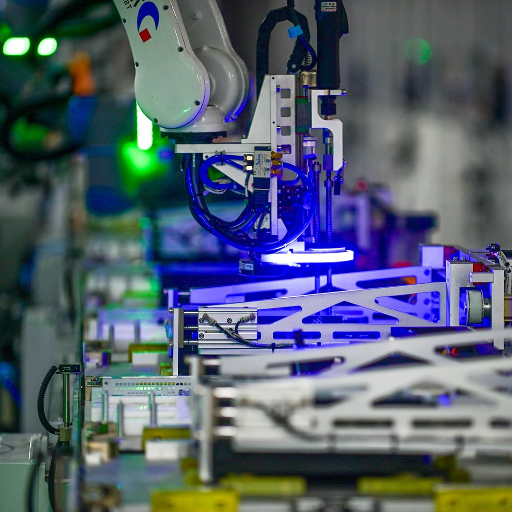
The genesis of developments in areas of industries and services has been in technological development in the context of globalization, followed by strategic policy formulation. Therefore, with each industrial change, the majority of the changes become disruptive right in front of our eyes, with the present one focusing on smart technologies, AI, and robotics. The global trend of shifting towards Asia again points to regional dynamics, with the state taking another intervention in pushing forward industrial progress and innovation.
Quality Control Standards in Taiwan
Taiwan has maintained quality control, with stringent manufacturing standards and certifications recognized internationally. Recent developments indicate that the Industrial Development Bureau of Taiwan has taken up the mantle of promoting ultra-high precision industries and assuring conformity with international quality certifications such as ISO 9001 and ISO 14001. In the semiconductor industry alone, Taiwan represents more than 60% of the foundry market worldwide, with top-notch quality control systems put in place by manufacturers, exemplified by very few defects, with TSMC currently recording defect rates of 0.1% per 100 chips.
Furthermore, the testing of Taiwan export products, particularly in electronics and machinery, goes through stringent procedures to meet international criteria. According to recent data, Taiwan exported $446 billion worth of goods in 2022, further cementing its reputation as a nation that values reliability and quality. The government initiatives giving subsidies for quality improvement technologies are still helping corporations meet international standards so that Taiwan will continue to be considered a manufacturing powerhouse.
Innovation in Made in China Products
China has come very far in its path to innovation to diffuse advanced technologies to manufacturing and to maintain global competitiveness. It is said, according to recent data, that China exported almost $3.59 trillion worth of goods in 2022, retaining its stance as the world’s top exporter. Ranging from advanced electronics to electric vehicles, high-end technologies related to artificial intelligence, robotics, and green energy solutions are being applied progressively in their production. The production and export of electric vehicles have seen rapid growth, with Chinese automakers such as BYD and NIO becoming quite influential on the global stage. The “Made in China 2025” initiative further strengthens China’s technological capabilities by pursuing strategic sectors such as aerospace, semiconductors, and biotechnology. Such developments mark China’s rising emphasis on quality and innovation, gradually shifting its image from a low-cost manufacturer to that of being at the frontier of technological development.
Industry Examples: Electronics and Textiles
Electronics Sector
China is still top-ranking globally in the electronics industry, manufacturing a large share of consumer electronics, components, and semiconductors in the world. Recent data show that, in 2023, the country produced almost 30% of global semiconductors, marking itself as a key player in the electronics supply chain. Huawei, Xiaomi, and Lenovo, among others, are major enterprises in China that continue to dominate global markets with products that challenge the limits of technology and affordability. Moreover, investment in chip manufacturing is never diminishing with the Chinese government pumping billions of dollars toward gaining self-reliance in the semiconductor industry in response to US sanctions on chip exports.
Textile Industry
The textile industry continues to be another arena of competitiveness for China, being the world’s largest textile producer and exporter. As per 2023 statistics, China furnished nearly 37% of the world’s textiles, earning exports of more than $330 billion annually. The industry has taken into a path towards sustainability, introducing environmentally friendly technologies and practices to target environmental-conscious consumers. Emerging technologies, including robotic weaving and digital fabric printing, have been able to further automate production lines and improve efficiency while reducing waste. These changes are the face of how the sector is moving from traditional production methods to an advanced technological solution.
Cost Efficiency

The textile industry must achieve cost efficiency by automation, mass production, and material innovation. Automation cuts labor costs and human errors, while mass production brings down costs through economies of scale. On top of that, advances in synthetic and sustainable materials lead to cost savings that come from reduced waste and optimal resource usage.
Labor Rates: Taiwan versus Mainland China
The differences in labor costs between Taiwan and Mainland China are quite stark, if some slight disparities into consideration are made, with some economic factors such as wage institutions, policy formulation, and supply-side dynamics being considered. Present data shows that a manufacturing worker in Mainland China gets an average monthly wage of about $1,150 US dollars, whereas in Taiwan, the same group of workers is able to enjoy an average monthly wage of $2,500 US dollars. These are mostly driven by Taiwan’s higher costs of living, labor protections, and labor that focuses on industries of a higher technical nature.
Moreover, although China has been considered a cheap production base in recent years, levels of wages are rising. This is due to urbanization and government policies targeted at promoting domestic consumption. On the other hand, Taiwan is trying, albeit with increasing wage levels, to distinguish itself as high-end and specialized manufacturing, relying heavily on its skilled labor force. Hence this dynamic is slowly reshaping global supply chain strategies, as firms are starting to balance the prices against quality and expertise while seeking operations in these two regions.
Raw Material Availability and the Costs Caused by Logistical Arrangements
The availability of raw materials is paramount to their supply chain and issues of logistics concerned about feasibility and cost-effectiveness of their operation. As one of the largest suppliers of raw materials, especially in electronics, textiles, and machinery, China is rarely paralleled. However, disruptions following recent stricter environmental policies and looming geopolitical tensions have somewhat downgraded the steady supply of those critical resources. According to recent reports, rare earth element exports from China, critical to high-tech manufacturing, declined about 15% year over year in 2023 as China sought to focus more on domestic consumption and somewhat limit market price levels.
Aside from raw material sourcing considerations, however, global logistical costs are soaring, constrained by increasing fuel prices, container shortages, and prolonged port congestions. Although Taiwan is highly dependent on imported raw materials, some shipping challenges have been eased due to its strategic location and well-advanced port infrastructure. By contrast, recent data point to an increase of 10% in the average container shipping cost from Taiwan to major global destinations in the past year, which is a far cry from the 20%-30% surge rate of global maritime charges, as shared by some industry sources. Merging this development with digital logistics platforms allows these companies to optimize their logistics routing and shipping costs in the sourcing or operational activities in Taiwan.
Likewise, these factors require a holistic approach to consider supply chains that would weigh up the matters of raw material availability and logistics against the need for a consistent level of quality and service.
Cost Analysis: Manufacturing Alternatives
Since the start of the continuous fluctuations in global manufacturing costs brought on by a wide range of factors, including working costs, availability of raw materials, and political conflicts, new data sustains this trend. Reported from a Google Search, developments in Southeast Asia are experiencing a considerable surge in manufacturing activities that provide advantages in terms of labor costs compared to established hubs such as China, where wages have been steadily rising at an average rate of 8-10% per annum in the last decade.
Rising energy costs continue to make operational costs prohibitive. As an example of this is the more than 50-percent price increase of natural gas in Europe over the last year, impelling manufacturers either to look for alternative energy or relocate to one region that can provide more stable supply. These other regions, especially Vietnam and Indonesia, are taking advantage of these issues by providing incentive packages and reduced utility costs for making the alternative to diversification very enticing.
In addition, automation, as well as smart manufacturing technologies, are increasing in their power to shape costs. It has been reported that with the integration of AI-driven production systems, one can raise efficiency by 20 percent, thus counterbalancing increasing labor cost-market in a number of them. That is what companies are currently weighing: their own immediate cost savings alongside the potential long-term value from investing in these technologies to keep them in front of competitors globally.
They therefore make a strong case for an encompassing cost comparison of manufacturing alternatives, where dynamic variables affecting cost and the strategic impact are crucial factors that have to be considered by the business.
Technological Advancements
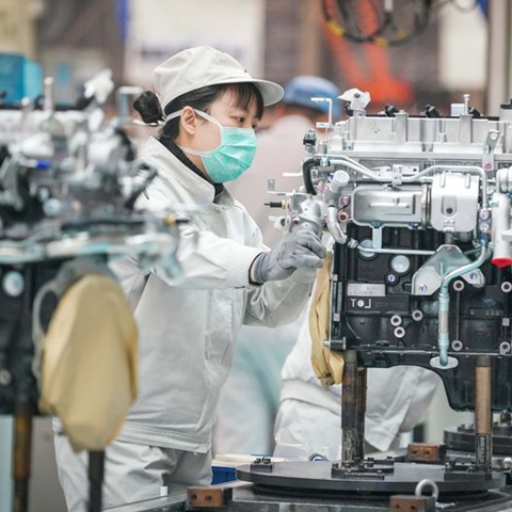
Technological advancement has changed the productivity and efficiency of manufacturing. Automation, robotics, and AI have perhaps been the most drastic changes, cutting production times and costs. These measures aid businesses in operations optimization, quality control, or more-flexible market demand adaptation. Therefore, investing in up-to-date technology becomes crucial for companies intent on maintaining competitive growth in a changing global marketplace.
How IoT Helps in Taiwan’s Manufacturing
The manufacturing industry in Taiwan has undergone transformation in its production processes owing to IoT connectivity of everything from devices, systems, and processes through a smart network. Industry reports say Taiwan leads in IoT adoption, aided by the strength of the semiconductor industry and technological know-how on the island, thereby promoting real-time monitoring, predictive maintenance, and data-driven decision-making throughout manufacturing facilities.
The latest data highlight Taiwan’s leading position globally in the production of IoT hardware,sensor, and communication module, which can greatly aid smart factory operation. Ninety-two-percent of Taiwanese manufacturers implement IoT solutions to improve operational efficiency, according to a 2023 report by Market Intelligence & Consulting Institute (MIC). In addition, smart systems have managed to reduce downtime by up to 25% and increase operational availability by 10%.
With programs endorsed by the government, such as the Smart Machinery Industry Promotion Program, Taiwan keeps innovating by encouraging ties between academics and industry. The fusion of IoT and AI developments has also paved the way for new opportunities to pursue manufacturing automation, supply chain optimization, and energy efficiency. Taiwan’s success story of IoT penetration would definitely be a voice to reckon with in global manufacturing trends in the forthcoming years.
Technology Innovations in Mainland China
Mainland China sees itself as wielding the giant spanner of technology and hence carries technological innovations that cut across the various ends of the whole industries. Treaty reports agree that heavy investments take place in R&D in China, to the tune of close to $441 billion in 2022, to become the second-largest R&D spender in the world, just behind the United States. Besides, the Chinese Government has particularly made targeted efforts in some fields, such as artificial intelligence (AI), 5G, quantum computing, and renewable energy, so that it can provide them with the most suitable breeding ground to continue innovating.
China leads the development of AI, with over 1,100 AI companies contributing nearly 12% of the global AI market by 2023. The rapid pace of China’s 5G roll-out is another evidence for its technological strength, having constructed more than 2,9 million 5G base stations by the middle of 2023 alone, accounting for more than 60% at the global level. Besides, Mainland China is indeed ruling the EV market with more than 60% of world’s production of EVs and a big chunk of battery production, especially lithium-ion batteries.
Such developments are going hand-in-hand with the rising green technology agenda. For instance, cities of lasting development are setting standards for sustainable urban development by having Shenzhen nearly fully electrify its public transportation system. With continuous investments and a strategic approach, Mainland China is on the course of becoming the powerhouse fueling the next wave of global technological transformation.
The Influence of Technology on Production Efficiency
Each day technological changes are restructuring production efficiency in many industries, placing them on an unprecedented high in their levels of output and cost reduction. Automation and Artificial Intelligence (AI) stand at the forefront in the transformation. For one, according to recent data, the global market size for automation in manufacturing is predicted to have a CAGR of 9.2% between 2023 and 2028 and reach a valuation of over $350 billion by the year 2028. Such growth is a clear sign that siphoning up of robotics, machine learning algorithms, and advanced analytics has indeed been common.
Certain industries are witnessing huge efficiencies across processes by combining technology and human talents. For instance, smart factories with IoT devices could cut downtime by almost 50% through predictive maintenance and real-time monitoring systems. In addition, AI-based supply chain management has raised demand forecast accuracy rates to over 85%, which helps cut down on wasting and optimizing present inventory.
China is, however, one of the global leaders in technology adoption and has bewilderingly enhanced “smart manufacturing” implementations. Reports indicate that shipments of industrial robots grew by over 45% in 2022, solving the issue of shortages and boosting productivity on the other hand. Likewise, additive manufacturing (3D printing) has, in the aerospace industry, brought down the time required for prototyping by 90%, thus speeding the time to market for new products.
As technology keeps morphing, businesses stand to gain improved efficiency, lesser operational struggles, and good sustainability-a trifecta necessary for any company to remain competitive in this increasingly digitalized global economy.
Case Studies

Case Study 1: Workforce Automation
A medium-size manufacturing concern installed a set of robots in order to tackle shortage of labor, and improve productivity. Within a year, production increased by 30%, whereas operational costs were lowered by 15%. This allows the concern to meet growing demands with efficiency and to price competitively in the market.
Case Study 2: Additive Manufacturing for Aerospace
In 3D printing of aerospace components for prototyping, the old way was set aside: prototyping cycle time was cut to 15% compared to the earlier cost of 50%. With the speeded-up roll-out of novel products, customer satisfaction and market share were hugely enhanced.
Successful Companies Choosing Taiwan
Having served as an epicenter for innovation and manufacturing, the island of Taiwan has seen a large number of successful companies opening facilities there. With its prime location in East Asia, Taiwan is able to offer easy access to the most important markets in the region, thus making it an attractive option to a business which wishes to extend its wings. Taiwan is famously recognized for its advanced technology infrastructure and skilled labor in such vocations like semiconductors, electronics, and precision engineering. The policies and incentives of the government aimed at enhancing foreign investment have created an environment that is hospitable to multinational corporations. As a testimony to that are companies like TSMC and Foxconn that aced in utilizing the offerings of Taiwan.
Case Studies of Manufacturing in Mainland China
Most of the mainland Chinese manufacturing retains image of a global leader-by virtue of massive production capacity balanced with efficient supply chain and competitive costs. According to latest figures, China has caused almost 30 percent percentage of world manufacturing output and sits as the largest manufacturing economy now. Electronics, automotive, and textile manufacturing remain key and big in China’s industrial arena, supported by high-level technology and automation paved across the finest factories.
For example, with China solidified as the world’s number one consumer electronics manufacturer as of 2023, brands such as Huawei, Xiaomi, and Lenovo have promoted their products both locally and internationally. Also, the automotive industry produced over 27 million vehicles in 2022, the growth mainly driven by electric vehicles (EVs). The EV market in China is home to great brands such as BYD and NIO that have witnessed explosive growth due to government incentives and global demand for green transport.
Moreover, with investments in smart factories and Industry 4.0 technology, these core areas in China are granted a further boost in enhancing manufacturing capacity. Informed guesses have touted that by 2025, the percentage of giant smart manufacturing enterprises in China will exceed a quarter, thus greatly improving production efficiency as well as lowering costs. These splashes of opportunities are further supported by strong government policies such as “Made in China 2025” aimed at upgrading key industries and promoting innovation.
China might have challenges to its manufacturing dominance, including rising labor costs, geopolitical tensions, yet its ability to adapt has made sure it will still remain relevant in global economics.
Lessons Learned from These Two Regions
What I learned in these two regions is the necessity of a balance between innovation and policies that are strategically applied. On the one hand, advanced technologies and critical industries need to be actively nurtured; on the other hand, issues such as rising costs and global tensions have to be addressed if we want lasting growth and competitiveness.
Reference sources
-
- Comparison of Hong Kong And Taiwan Economic Development in the Context of the Oil Crisis
- Authors: Zhekai Zhu
- Publication Date: December 13, 2023
- Summary: This paper analyzes the economic responses of Hong Kong and Taiwan to the oil crises of the 1970s. It finds that Taiwan’s economy reacted quickly to the oil shock with a moderate decline, largely due to its strong import substitution industry. In contrast, Hong Kong experienced a more significant recession that lagged behind global crises, attributed to its rapid growth in finance and real estate, which created economic instability. The study suggests that retaining high-end manufacturing can stabilize the economy.
- Methodology: The study employs a comparative case analysis of the industrial structures and development strategies of Taiwan and Hong Kong before and after the oil shocks(Zhu, 2023).
- Drivers and customer satisfaction outcomes of CSR in supply chains in different institutional contexts: A comparison between China and Taiwan
- Authors: R. Jean, Zhiqiang Wang, Xiande Zhao, R. Sinkovics
- Publication Date: June 8, 2016
- Summary: This research examines how corporate social responsibility (CSR) initiatives in supply chains affect customer satisfaction in China and Taiwan. It finds that while CSR positively impacts customer satisfaction in both regions, the drivers of CSR differ significantly. In China, regulatory and efficiency forces drive CSR, while in Taiwan, competitive advantage is the primary driver.
- Methodology: The study uses data collected from manufacturing factories in both regions and employs partial least squares analysis to examine the relationships between CSR drivers and customer satisfaction(Jean et al., 2016, pp. 514–529).
- A Comparison Study of Manufacturing Industry in Taiwan and China: Manager’s Perceptions of Environment, Capability, Strategy and Performance
- Authors: Wen-Shinn Low, S. Cheng
- Publication Date: January 1, 2006
- Summary: This study explores the perceptions of managers in Taiwan and China regarding their manufacturing environments, capabilities, strategies, and performance. It highlights differences in managerial perceptions that may influence operational effectiveness and competitiveness.
- Methodology: The research employs qualitative methods, including interviews and surveys, to gather insights from managers in the manufacturing sector(Low & Cheng, 2006, pp. 19–38).
- Comparison of Hong Kong And Taiwan Economic Development in the Context of the Oil Crisis
Frequently Asked Questions (FAQs)
What are the key differences between manufacturing in Taiwan and mainland China?
The variations in manufacturing in Taiwan and China are chiefly associated with values given to quality, labor costs, and supply chain efficiency. With high quality production, Taiwan is renowned especially in those sectors involving electronics and precision tools. While China is good for scale manufacturing and cheap labor, it still has certain hindrances when it comes to assuring product quality. Also, the tariffs add to the costs that diminish the appeal of Chinese-made goods across the globe. Hence, looking into Taiwan is better for these businesses regarding services that require better quality and reliability.
Why has choosing Taiwan as an alternative weathering benefit?
There are some benefits to be gained by choosing Taiwan as an alternative for manufacturing, including suppliers producing high-quality goods and modern technology. Taiwanese factories are known for quality assurance, thus for the most part, again producing quality goods, which are often better than quality goods made in China. Besides that, the Doing Business Report of the World Bank identifies Taiwan as an easy place to do business, thus benefiting operational efficiency. Finally, with such trade tensions, the majority of companies are going after a good alternative to mainland China that will mitigate their risks in the supply chain.
In what respects does Taiwan stand out as a leader in manufacturing vis-à-vis China?
By focusing on high-value products and innovative technologies, Taiwan leads the manufacturing industry. Taiwan has established a name for manufacturing quality tools and electronic components, often considered superior to those produced in China. Research and development also occupy an important place in their focus on advanced manufacturing. Whereas China excels in volume production, Taiwan produces high-quality, highly specialized products; this ability to combine quality and specialization is attractive to companies looking for better quality and reliability.
What are the advantages of Taiwanese products over those from China?
Taiwanese products would generally be better in quality and durability than many Chinese-made products. This is largely owing to Taiwan’s strict manufacturing standards and emphasis on quality assurance throughout the processes of production. Also, the superior skills of Taiwan workers and advanced technologies for manufacturing have made their consumer products better on performance quality. Increasingly, companies regard quality as being more important than price, hence very much looking into Taiwanese products and making them the preferred ones in many markets, especially in electronics and automotive components industry. Thus, quality forms a vital component in making Taiwan a strong competitor in the global manufacturing sector.
How do Tariffs affect manufacturing in Taiwan vis-a-vis China?
Like tariffs greatly affect the manufacturer between Taiwan and China. Because of ongoing trade disputes, tariffs against Chinese goods could lessen the competitiveness of products manufactured in China in certain markets. On the contrary, with Taiwan subjected to low tariffs and favorable trade agreements, it would be a better choice for companies trying to avoid dumping costs imposed by tariffs on Chinese products. Equally, in Taiwan, the capability of sourcing materials and components locally can contribute to a more cost-effective and efficient supply chain. Thus, in choosing between Taiwan and China, looking at the tariffs impact would strongly support businesses eager to reroute their manufacturing strategies.


