


Stainless steel remains the indisputable first choice for the most demanding industrial applications, producing durable, versatile, and pleasing sheet-metal products. In architectural applications and industrial settings, the demand for custom stainless steel fabrication is increasing, driven by its exceptional strength, corrosion resistance, and aesthetic appeal. This article will explore the world of stainless steel metal fabrication and argue for its importance in the industry, highlighting the advantages of custom solutions and how these modern approaches are giving rise to new methods in creating the best sheet-metal products. Valuable information has been provided for contractors, designers, and manufacturers alike to help them understand why stainless steel fabrication is the solution for their next project.
Introduction to Stainless Steel in Metal Fabrication
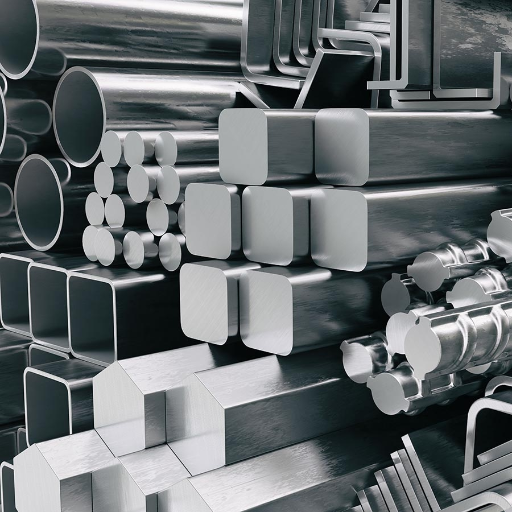
Containing hardness, corrosion resistance, flexibility, low maintenance, stainless steel is a versatile material that finds uses in all metalworking processes. It usually comprises an alloy of iron and chromium-nickel elements that can withstand harsh environments without dulling its beauty. This makes it suitable for various applications, including construction, automotive work, medicine, and food processing. Furthermore, according to specifications, stainless steel can be shaped and fabricated into various forms using modern fabrication processes.
Importance of Stainless Steel in Modern Manufacturing
Due to its durability, corrosion resistance, and versatility, stainless steel is widely used in modern manufacturing. Its application is spread across several industries: construction, health, and food, because it is hygienic and easily maintainable. With the advent of material sciences, recyclability has also been enhanced, making it a green choice for environmentally sustainable manufacturing processes. Flexibility in its use, combined with the ability to withstand extremes of temperature and environment, makes stainless steel a material that remains at the forefront of innovation and longevity in the production of numerous products.
Overview of Metal Fabrication Processes
Metal fabrication involves cutting, shaping, and assembling metal materials to form structures or products. Now, the treatments of cutting might involve splitting the material with shears, lasers, or plasma; it includes bending, which can be achieved with press brakes or hammers; and welding, which joins metal pieces under heat or pressure. Alongside machining, stamping, and casting are some of the other famous methods. The choice depends on design considerations of the project and the nature of the metal itself. Today, with the latest developments, CNC machinery commands a high level of precision and speed, making the sector crucial for applications in construction, manufacturing, and technological areas.
Key Benefits of Using Stainless Steel
- Corrosion Resistance: Stainless steel is highly corrosion-resistant and rustproof, making it suitable for use in corrosive environments that involve moisture, chemicals, and varying temperatures.
- Durability: It is robust and durable, able to withstand the burden of exposure to harsh conditions with minimal wear.
- Low-Maintenance: Stainless steel is considered resistant to staining and corrosio,n requiring minimal maintenance, ensuring maintenance costs are reduced over time for the user.
- Aesthetic Appeal: Its smooth and glossy surface enhances the beauty of any structure or product, giving it a modern yet professional appearance.
- Recyclability: This material is environmentally friendly, as it is fully recyclable, thereby contributing to waste reduction and resource conservation.
Understanding Stainless Steel Fabrication
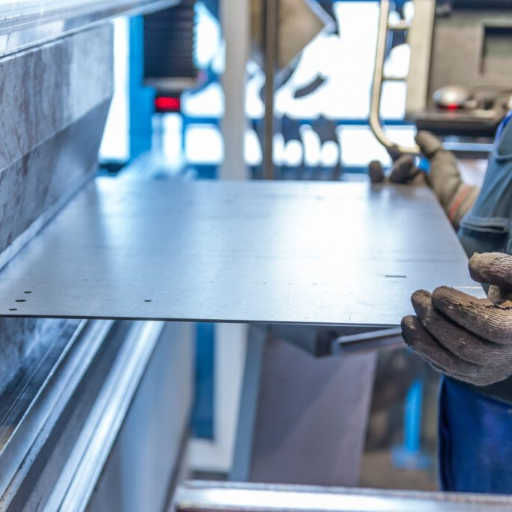
Stainless steel fabrication refers to the process of cutting, shaping, and assembling stainless steel material for any structures or products. While machining is the most frequent practice, welding, bending, and polishing are among other primary processes. Stainless steel has a long-standing reputation due to its excellent durability, corrosion resistance, aesthetics, and widespread use in the construction, automotive, and manufacturing industries. In fabrication, these advanced methods and precision tools are used to ensure that final products give strength and finishing to the material.
What is Stainless Steel Fabrication?
Stainless steel fabrication is a process in which various types of metals in raw form are converted into end components and products that cater to diverse functional and aesthetic requirements. These operations usually involve cutting, welding, bending, assembling, and polishing. Stainless steel is generally recommended for fabrication due to its properties of strength, corrosion resistance, and elegance.
Technological advancements have enabled the development of precision tools and computer-aided machinery, such as CNC (Computer Numerical Control) equipment, which facilitates the fabrication of various materials with accuracy and speed. Stainless steel fabrication is widely used in industries such as construction, medical devices, food processing, and automotive to develop durable and hygienic solutions. It thus finds its place in manufacturing, ranging from kitchen appliances to architectural structures, industrial equipment, and precision machine parts.
Common Techniques Used in Stainless Steel Fabrication
Cutting
It is the first step, wherein stainless steel is cut into desired shapes and sizes using tools such as laser cutters, plasma cutters, or waterjets.
Welding
This technique involves joining stainless steel components to ensure a strong bond while maintaining the material’s integrity.
Forming
Shaping stainless steel into a specific mold through bending, rolling, or forging, according to design specifications.
Polishing
A finishing procedure that makes the surface of stainless steel finer, more aesthetically pleasing, and likely more resistant to corrosion.
Machining
Ultimately, it involves drilling, milling, or turning stainless steel into intricate parts that require exact specifications, utilizing precision tools such as CNC machines.
Choosing the Right Alloy for Your Project
The decision-making process for selecting the best alloy involves factors such as the specific application, environmental conditions, and mechanical property requirements. For example, does the alloy require greater corrosion resistance? Or should it be stronger or heat-tolerant? Considering these scenarios can provide the insight needed to select the appropriate option, allowing for the best performance of the construct as well as its longevity.
Consider these basic factors:
- Corrosion Resistance – Atmospheric moisture, chemical, or salt attacks may conjoin and degrade the corrosion resistance provided by 304 or 316 stainless steels.
- Strength and Durability – Duplex stainless steels or martensitic stainless steels are preferable for situations in which strength is more emphasized.
- Temperature Performance – When subjected to high temperatures, heat-resistant grades such as 310 and 321 are preferable for stability and performance.
- Aesthetic Appeal – If an appealing look is considered,a polished or nice-looking alloy such as 304 should be considered.
Conduct a thorough assessment of the demand and environment to determine the best approach for your operation. Besides materials specifications, the best choice can be made after consulting experts in the subject.
Custom Stainless Steel Fabrication Services
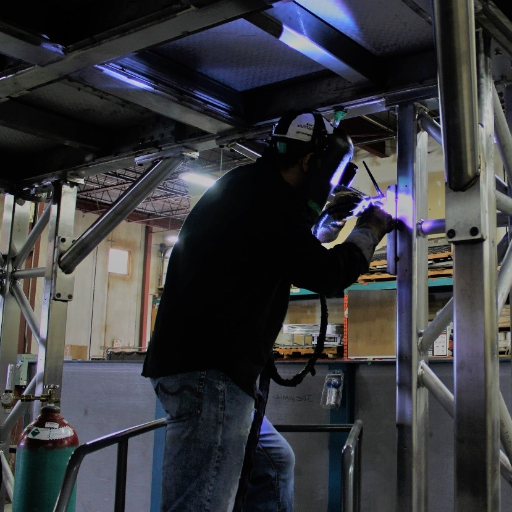
Our expert stainless steel fabrication service is tailored to meet your specific requirements. Hence, a variety of alloys are available to meet different operational requirements and environmental conditions. Among other things, if you require a heat-resistant, corrosion-resistant, or aesthetically pleasing alloy, our expert team will guide you through the decision-making process to ensure that you select the best and most efficient solution available for your project. Please do not hesitate to contact us to discuss your requirements and receive personalized recommendations.
What is Custom Stainless Steel Fabrication?
Custom stainless steel fabrication involves the design, shaping, and assembly of stainless steel components tailored to a client’s specific requirements and applications. Using heavy machinery, skilled labor, and modern technologies, these processes enable the creation of structures and products in steel that are unique to each industry, with architecture, manufacturing, healthcare, and food processing industries being just a few examples. Being a robust material, stainless steel, which is also anti-corrosive and aesthetically pleasing, serves a variety of functions in fabrication. The custom fabrication procedure proceeds by cutting, bending, welding, and polishing to exact dimensions and finishes. The use of this technological setup will allow new design solutions to be realized through the latest fabrication technology, yielding long-lasting results tailored to their unique operational requirements.
Benefits of Custom Metal Fabrication
How to Select a Reliable Fabricator
Some of the things to consider when selecting a reliable fabricator:
- Experience and Expertise: Look for fabricators with industry experience and those who have already proven their ability to handle projects similar to yours. Experience often answers to quality and efficiency.
- Reputation: Find out what customer reviews, testimonials, and general industry reputation say about the fabricator. The fabricator should be recognized for producing high-quality products and for manufacturers who can deliver on time.
- Capability and Equipment: Verify that the fabricator possesses all the necessary tools and machinery required for your project, taking into account whether it is a small-scale or large-scale project.
- Material Quality: The fabricator should use materials of the highest quality to ensure the longevity of the final product and its optimal performance characteristics.
- Cost & Transparency: Compare quotes from a few providers, but also pay attention to value for money. Select a fabricator that provides pricing with no hidden fees.
- Communication and Customer Service: The fabricator should be a good communicator, maintaining consistent contact with you, ensuring that communication throughout the project’s lifetime proceeds smoothly.
These factors ensure that you choose a fabricator that best fits your project needs and who will deliver outstanding results.
Sheet Metal Fabrication Techniques
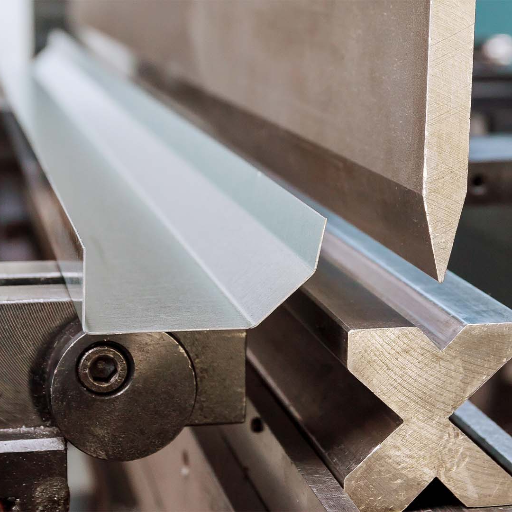
Sheet metal fabrication encompasses a range of processes that can be tailored to meet the specific requirements of individual projects. One of the more common methods involves cutting, where materials are sized using shears or lasers. Bending, on the other hand, uses press brakes to apply force to the metal, altering its shape. Welding joins pieces of metal together. And then, depending on specific design and functional parameters, one might have stamping, punching, or assembling. The selection of the most suitable method plays a crucial role in maximizing precision and efficiency during the fabrication process.
Overview of Sheet Metal Fabrication Processes
Sheet metal fabrication is considered a very versatile set of processes for producing parts and products from thin metal sheets. The cutting method can be performed using a laser, waterjet, or traditional shearing, with every step taken to ensure accuracy in dimensions. Bending involves giving an angle to the component by pressing it through a press brake. Welding enables the joining of pieces to produce a strong bond. These techniques are selected based on the material, design, and functional requirements of the project. CAD and automation have introduced advantages, which in turn help the fabrication process become one of the most viable manufacturing alternatives in almost any industry.
Popular Finishing Options for Stainless Steel Sheets
These sheets are utilized in numerous industries due to their unmatched durability, corrosion resistance, and aesthetic appeal. They, therefore, have several finish options to choose from:
Mill Finish
It is the most basic finish, neither polished nor clean. It is sometimes used in industrial applications, where surface appearance is not a primary concern.
Brushed Finish
This is a very popular finish, giving the steel a unidirectional satin finish with a slight texture. It has applications in both architectural and interior design, where aesthetics play a significant role.
Mirror Finish
This highly reflective and polished mirror finish is primarily decorative in nature and is chosen by customers with exceptionally high standards of design application. For instance, it might be selected for elevators or luxury appliances.
Matte Finish
This is a non-reflective finish, smooth to the touch, and has a dull appearance. It is used wherever glare is not desirable.
Bead-Blasted Finish
This finish is achieved by blasting the surface with fine abrasive material, resulting in a uniform, matte texture that often hides surface imperfections.
Electropolished Finish
This is a state-of-the-art finishing technique that removes a thin layer of material to produce a smooth, shiny surface and an extremely corrosion-resistant finish, often applied to instruments used in surgical and food applications.
Note: Each finishing method is adapted to specific functional, as well as aesthetic, requirements intended to ensure that the stainless steel sheets dry relentlessly onto the application of varying industries and commercial businesses.
Applications of Stainless Steel Sheet Metal Parts
- Construction and Architecture
Due to its durability and beautiful appearance, stainless steel sheet metal is being used sky-high for building facades, roofing, and structural support. - Food Processing and Catering
Its hygienic property makes it perfect for countertops, kitchen equipment, and food storage containers. - Medical Equipment
Stainless steel is used in surgical instruments, hospital equipment, and sterile environments for resistance against corrosion and ease of cleaning. - Automotive and Transportation
Because of the stainless steel’s strength and resistance against wear, automotive parts, exhaust systems, and public transportation vehicles are some of the many things into which it gets fabricated. - Energy and Power Generation
Stainless steel sheets are used throughout power generation from wind turbines, through power plants, to solar panel frames in order to endure extreme environmental conditions.
Industry Applications of Stainless Steel
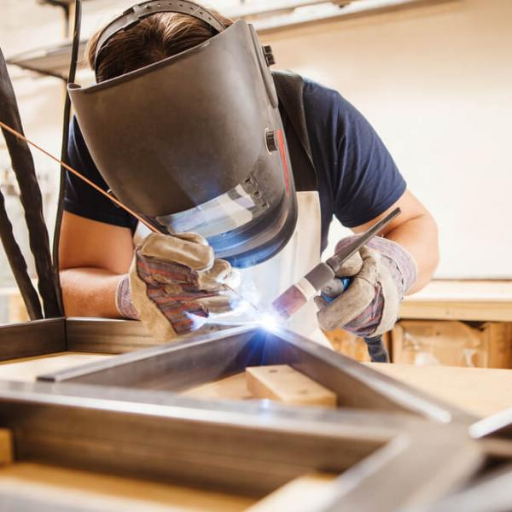
The inherent properties of this type of looking-at-the-rainbow steel, such as strength, resistance to corrosion, and versatility, merit its wide application in different industrial sectors. Applications range from medical and hospital items to automotive parts to energy infrastructure. Stainless steels find application wherever extreme conditions must be faced and ease of maintenance, along with long life, are essential attributes, thereby posing the need for strength and reliability.
Stainless Steel in Architectural Applications
Being strong, corrosion-resistant, and extraordinarily beautiful, it is highly favored in architecture. The construction of structural elements, such as columns, beams, and facades, along with railings and cladding, also utilizes stainless steel applications. Being able to withstand harsh weather and requiring minimal maintenance, it is a preferable material for use in architectural projects that are either functional or design-driven. That sleek, modern look blends perfectly with contemporary designs, offering both durability and a sense of presence.
Role of Stainless Steel in Structural Applications
Due to its excellent strength, corrosion resistance, and versatility, stainless steel is widely used in critical structural applications. It is used in the construction of bridges, high-rise buildings, and industrial sites where life expectancy is a key consideration. One of the attractive qualities of stainless steels is their resistance against stress and environmental conditions such as moisture or oxidation, thus remaining structurally sound for several decades with very little maintenance. Additionally, in harsh marine or chemical conditions, higher-grade stainless steels, such as duplex and super-austenitic, are often used. Ultimately, this flexibility enables architects and engineers to design complex and sophisticated structures that meet both functional and aesthetic requirements.
Future Trends in Stainless Steel Fabrication
This technology, sustainability, and the very nature of stainless steel fabrication are inseparably intertwined. New methods, referring to additive manufacturing like 3D printing, permit the production of stainless steel components that are highly complex and very precise with minimum material waste. Apart from this, recycling technology development and low-carbon mismarking stainless steel products are stimulated by classified demand for greener solutions. The integration of automated systems, such as robotics and AI, will have a direct impact on the efficiency and accuracy of fabrication processes, thereby reducing manufacturing time and costs. They are all signs of an innovation-driven and environmentally conscious stainless steel industry yearning to meet the dynamic demands of the international market.
Reference Sources
-
Leading Stainless Steel Fabricator Manufacturers
This site provides insights into companies using advanced technology for stainless steel solutions. -
Choosing the Best Stainless Steel Fabricator for Your Aerospace Manufacturing Project
Snowline Engineering discusses reliable contract manufacturing and stainless steel fabrication for aerospace projects. -
S&W Metal Products: Custom Solutions Manufacturing
S&W Metal Products specializes in precision-engineered custom solutions, including fabrication, prototyping, and assembly. - Top custom stainless steel parts Manufacturer and Supplier in China
Frequently Asked Questions (FAQs)
Ready to start your stainless steel fabrication project? Contact our expert team today for custom solutions tailored to your specific requirements.


