


The Significance of metal fabrication in commerce cannot be overemphasized because it is the heartbeat of various industries, ranging from aeronautics, motor vehicles, building, and even commodities. The major scope of metal works is the formulation of specific functional metal parts from raw metal. The following detailed article makes a deep dive into the complex processes of customized steelwork and sheet work fabrication and explains the principles of the equipment and technologies employed. All this is based on the analysis of the instruments, methods, and areas of metalworking influencing the development of the sector.
Introduction to Metal Fabrication Parts
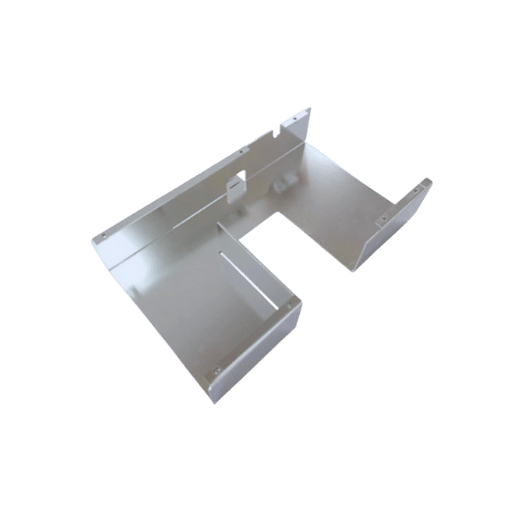
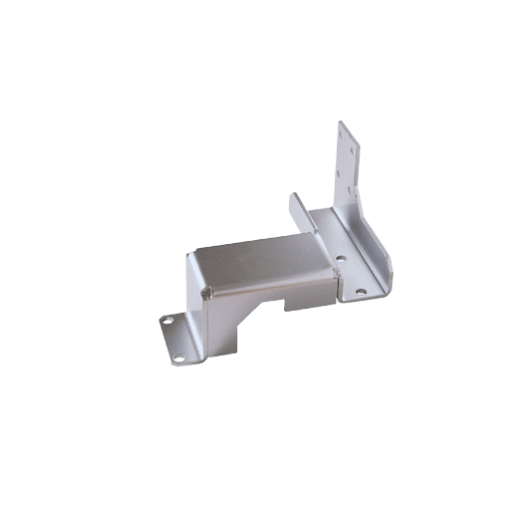
Essential parts in any industry are the machinery parts or building structures consisting of the metal fabrication parts; any components which are shaped and assembled into the larger structure. These structures or machinery are used in many architectural or constructive industries, including construction, automotive, machinery, steel, and architecture.
What Are Metal Fabrication Parts?
The metal fabrication parts are formed via different methods such as fabricating, i.e., cutting, bending, and welding. This process is carried out to manufacture working components for various uses. Some of these components are fabricated according to certain stipulated standards as per the construction, automotive industries, and aerospace, among others. Custom sheet metal fabrication is rampant. They are extremely essential in the manufacturing of most tools, machines, and structures. This leads to the productivity and effectiveness of the implemented functions.
The Role of Metal Fabrication in Modern Industries
In many industries today, metal fabrication plays a very important role in industries as it serves as a basis for manufacturers to make strong and amazing parts in production as well as building infrastructure. Construction is one of the industries that employs metal fabrication unless there’s structural steel work involved, while vehicles cannot be made without using metal fabrication parts. The aerospace uses carefully manufactured parts too, to improve security and flight ideas.
!
Why Quality Matters in Metal Fabrication Parts
- Structural Integrity: The components in a system that is correctly designed through metal fabrication parts remain nontoxic and are able to exhale strong forces and environmental factors. On the contrary, this factor is more important in the case of other sectors like construction or even aviation where safety is on high alert.
- Compatibility and Accuracy: Correct fabrication of parts ensures smooth installation within larger assemblies or apparatuses. Precision allows several things: it averts any chances of mistake during fabrication, improves the effectiveness of the product and the cost incurred in carrying out rework in case such mistakes are made is usually low even during the actual doing of the project.
- Long-lasting and Reliable: High-quality materials and fabrication procedures enable parts that are not prone to wear, corrosion, and many other forms of degradation. The use of highly reliable components makes it possible to increase the useful life of the final product without additional expenditures for maintenance, with corresponding performance improvements.
The Significance of Quality Materials in Metal Fabrication
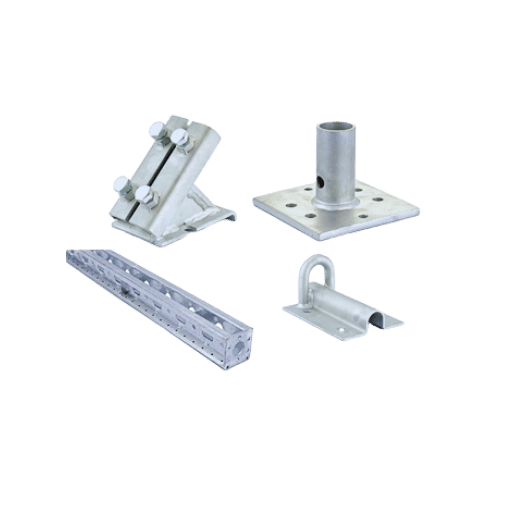
Overview of Common Metals Used
Steel
Construction, automotive, and other industries cannot do without steel because of its huge strength and flexibility. There are different types, such as carbon steel, stainless steel, and alloy steel.
Aluminum
Being light in weight and corrosion-free, aluminium finds practical use in aerospace, transport, and packaging sectors. It is also anti-corrosion, very conductive, and recyclable.
Copper
Copper is one of those materials that is known for its amazing ability to conduct electricity, and thus is commonly used for electrical purposes such as wiring, plumbing, and other electronic parts. The high thermal conductivity of copper makes it very relevant for heat exchangers as well.
Brass
This is a zinc and copper alloy, which presents itself as a good corrosion-resistant material as well as being easily machineable in most cases, making it suitable for decorative components, invocations, and other low-friction metal fabrication parts, such as mandolins, trumpets, etc.
Titanium
High strength to weight ratio, good corrosion resistance, and biocompatibility make Titanium an important metal in aeronautics, medicine, and sea crafts production.
Nickel
Because of its high resistance to corrosion and highest temperatures, Nickel is chiefly consumed in the manufacturing and production of stainless steel, batteries, or metal fabrication parts, including superalloys used in turbine components.
Emerging Materials in 2025
| Material | Key Properties | Applications |
|---|---|---|
| Graphene | Exceptional strength, thermal & electrical conductivity | Electronics, energy storage, composites |
| Metal-Organic Frameworks (MOFs) | Highly porous structure | Gas storage, separation, catalysis |
| Self-Healing Polymers | Damage repair capability | Construction, automotive, electronics |
| Biodegradable Plastics | Environmental sustainability | Packaging, consumer goods |
| 2D Materials Beyond Graphene | Unique electronic properties | Electronics, optoelectronics |
✓
Material Selection: Balancing Cost, Strength, and Functionality
- Price: Appropriate selection of materials will involve the raw material price, cost of production as well the sum of the costs every year so that a large volume change can be offset without the quality being reduced.
- Performance: For many materials, such as the ones used to create or clad different structures, the materials with the detection equipment type function should have some strength, toughness and elasticity.
- Performance: The material to be specified shall include any other material properties that assist in fulfilling the performance functions of the item including non-load bearing structural components, thermal insulation, electrical conductivity or chemical containment among others.
Modern Techniques and Tools in Metal Fabrication

Cutting-Edge Technologies
The more veracious metal fabrication processes have been fueled by among other things the augmentation in technology. This has come in many forms including:
🔥 Laser Cutting
Essentially entails the use of laser beams to cut metal components thereby enabling efficient and precise operation.
🖨️ 3D Printing
Allows for the fabrication of simple to complex geometries using metallic powders which reduces the amount of material wasted and is fast.
⚙️ CNC Machining
Harnesses computerized machines that accurately shape and refine raw materials to achieve the desired finish.
🤖 Robotic Welding
It is responsible for the speedy and accurate welding of metal parts, hence practical reductions in human errors.
💧 Water Jet Cutting
Uses a mixture of high pressure water and grid to make smooth and straight lines without affecting the integrity of the metal’s surface.
Automation and Robotics
Robotics and automation are essential to effective manufacturing in contemporary society, because they help to simplify procedures, minimize lead time, and increase accuracy. It is efficient to work, where everyone does monotonous work and does it well without any mistakes, thanks to systems of automation. Robotics technology allows for precise execution of challenging production operations like the assembly and inspection of devices. In addition, they reduce health and safety risks in the workplace by affording less engagement of workers in confined spaces.
Additive Manufacturing (3D Printing)
The process of depositing material as layer by layer according to the digital design to create objects is called additive manufacturing or 3D printing. In particular, advanced technology offers countless solutions, which include intricate and extremely customized constructions, which in turn are not achievable to any extent by conventional manufacturing.
Benefits of 3d printing:
- Material efficiency
- Speedy Prototype
- Design Freedom
- Complex Design Elements
- Possibility of Customisation
Challenges Faced by Metal Fabrication Manufacturers
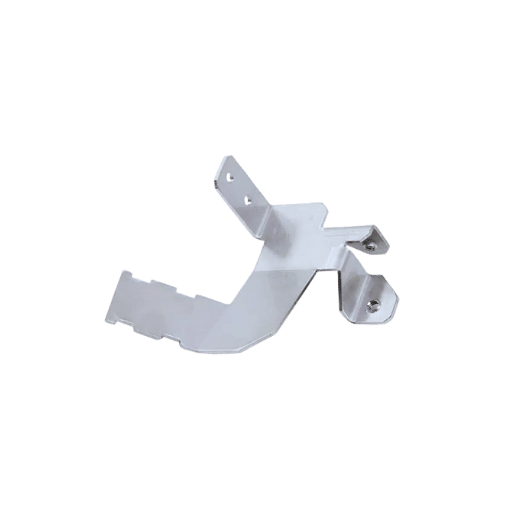
⚠️ Disruption in Supply Chain
Issues: Scarcity of materials, prolongation in transportation, and demand variations that add up overhead costs and stretch lead time.
Resolution:
- Increase alternatives in suppliers base
- Develop manage spare parts strategy
- Use community resources as much as possible
- Adopt instant monitoring equipment
👷 The Lack of Skilled Labor
Causes: The employees are getting old; there are not enough training programs, and the requirements of the industry do not meet those of the education sector.
Ways to Solve:
- Increasing worker skills by placing funds in upskilling initiatives
- Fostering collaborations with learning institutions
- Introducing automation
- Offering competitive remuneration
🌱 Pressures of Sustainability
Current concerns: Bringing down the levels of carbon emissions, lowering the amounts of waste, and respecting deeply rooted eco-treaties.
Actions:
- Turning to new age sources of energy
- Enhancing effectiveness of supply chains
- Adapting to the circular economy within operations
- Technologies providing energy saving
Future Trends in Metal Fabrication
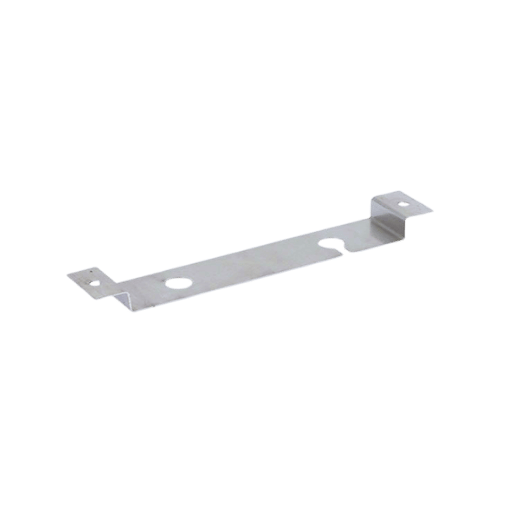
Sustainability and Green Manufacturing
The metal fabrication industry is clearly partial to the ideals of sustainability and org banners production. Sustaining an arbitrage will, in practice, depend on less consumption of energy strategies which involve, rather than mere recycling of all composites, sustenance of technological advances. Such approaches are necessary for the achievement of objectives regarding the environment as well as for sustaining high levels of production, which is important in the long run in a competitive market.
Customization and On-Demand Production
The dynamics of the metal forging sector are being transformed by the consumer-specified and the on-demand manufacturing processes, as these improve precision and efficiency by targeting particular individual customers’ requirements. Such practices involve the introduction of new technological solutions including CAD and intelligent robots, and in such technology, the making of custom items in small quantities is places for customer satisfaction without affecting the quality further or the deadlines of delivery.
Benefits of Customization:
- Curbing wastage and maximizing resources
- Improved customer gratification as a result of customized services
- Better flexibility in business operations
- Improved competitiveness in dynamic market settings
Integration of AI and IoT
The use of Artificial Intelligence (AI) and Internet of Things (IoT) in industrial processes facilitates intelligent decision making that is also based on data. This is achieved through the enhancement of IoT through AI which uses data churned by all the interconnected devices to millions and detects patterns and proffers solutions.
| Application Area | AI/IoT Benefits | Example |
|---|---|---|
| Manufacturing | Predictive maintenance, automated adjustments | Real-time equipment monitoring |
| Smart Homes | Energy optimization, convenience | Automated energy consumption analysis |
| Industrial Operations | Reduced downtime, efficiency improvement | Pattern recognition for issue prediction |
Spotlight on Specific Topics
The Rise of Aluminum in Lightweight Applications
Greater use of aluminum in modern lightweight technologies stems from excellent strength to weight ratios, corrosion resistance and the ability to be easily recycled. In automobile production, aviation and construction sectors, there is a wide application of aluminum to minimization of weight while maintaining strength of the structure.
🚗 Automotive
In aluminum parts, it improves the fuel efficiency by making the vehicle light due to which aluminum maintains the strength.
✈️ Aerospace
Aircraft frames apply aluminum to impart performance with minimal consumption of fuel.
♻️ Sustainability
Aluminum is abundant and can be recycled, thus exactly fitting the bill for modern lightweight engineering solutions.
🔥 Laser Cutting: Precision and Speed
High precision
Laser cutting is unrivaled in precision, and allows for complex and intricate shapes to be delineated with very narrow tolerances. This precision is very much needed in industries such as electronics and medical manufacturing, where delicate components are manufactured.
Efficiency
Occasionally, speed allows the laser cutting method to be the best choice for mass production. It can work on all the different materials with little set-up time, which translates into cheaper overall production cost.
Metal Fabrication for Renewable Energy
The development of the technology and design of renewable energy systems significantly depend on the level of metal fabrication industry. Aspects of accurate metal work provide for durability, safety and efficiency of such systems.
| Application | Components | Benefits |
|---|---|---|
| Wind Turbines | Towers, nacelles, rotor hubs | Structural durability, weather resistance |
| Solar Panels | Frames, mounting systems | Corrosion resistance, lightweight design |
| Hydropower | Turbine casings, intake screens | Optimal performance, extended lifespan |
Practical Applications and Case Studies
Success Stories in Metal Fabrication
🌪️ Customization for Wind Turbine Components
Challenge: Custom design and manufacture steel and aluminum components for wind turbines.
Solution: Advanced CNC machining with high precision tolerance to ensure efficiency and reliability.
Results: Lightweight materials reduced logistics and installation costs, improving the viability of an entire project.
☀️ Solar Panel Mounting Systems
Challenge: Develop steel-resistant systems to mount solar panels in coastal regions.
Solutions: Use of stainless steel and anodized aluminum in order to withstand environmental conditions.
Results: Extending the life of the infrastructure and lowering maintenance costs for the provider.
💧 Hydropower Infrastructure
Challenge: Constructing intake screens and turbine casings for hydropower projects.
Solution: Laser cutting and welding for complicated designs with very little material waste.
Results: Better water flow management and enhanced energy generation efficiency.
How to Choose the Right Fabrication Partner
1
Experience and Expertise
Search into the partner’s history and background in your industry. If a fabrication partner has the foreknowledge, they are conversant in the demands of your project.
2
Technological Capabilities
Evaluate the technology and equipment the partner uses. With CNC machines, laser cutters, or robot welders, your partner assures precise operations following stringent time parameters, thereby ensuring high quality.
3
Quality Assurance Processes
Find out about the certifications, inspection regimes, and standards that conform to your quality partner!
4
Customization and Flexibility
Choose a partner that can provide the kind of customizations suitable to your project requirements. They must be able to work in situations where specification demands are difficult.
5
Reputation and References
With a partner in tow, look at client testimonials, case studies, industry references, if any. A clear track record accounts for reliability and performance.
Tips for Designing Fabrication-Friendly Parts
💡 Design Best Practices
📐 Simplify Geometry
Design parts keeping in view simpler geometries for ease of manufacture. Avoid complex geometries and features that might require excessive tooling or programming in two or more processes.
📏 Standardize Dimensions
Wherever applicable, use standardized dimensions and tolerances to further ease production and help reduce costs associated with customization. This will enable off-the-shelf components to be used wherever possible.
⚖️ Minimize Excess Material
Try to limit the use of excess materials. This will make the design economical and will conserve materials. Make sure to optimize wall thicknesses to optimum design considering material strength instead of over-rigid designs.
🔧 Provide Access for Tooling
Provide tooling access during fabrication of parts. Good spacing and orientation prevent bottlenecks and defects in manufacturing.
🔩 Assembly oriented
Make features for the parts to fit one another with no unnecessary adjustments. Things like alignment tabs and simplified fastening points will hasten assembly.
Frequently Asked Questions (FAQs)
📚 Reference Sources
1. Mid-State Technical College – Metal Fabrication Program Guide
- Metal Fabrication Program Information Guide
- A detailed manual on working with several metals and assembling structural metal products.
2. American Fabrication Academy
- Metal Fabrication: Expectation Vs. Reality
- A teaching resource delineating the processes involved in metal fabrication.
3. ResearchGate – Study on Metal Parts Fabrication
- Study and Analysis of Metal Parts Fabricated Through Fused Deposition Modelling
- An academic study of metal fabrication through fused filament technology.
5. Sheet metal
6. Metal
7. Top custom stainless steel parts Manufacturer and Supplier in China
🎯 Key Takeaways
The technological cutting edge is sharpening the industries, all being brought into metal fabrication, molded by sustainable practices, and customized according to the ever-increasing demands of today.
From aerospace to renewable energy, successful metal fabrication projects stand upon the foundation of material choice, fabrication methods, and, all too often, someone you can physically lean on.


