


Acrylonitrile Butadiene Styrene (ABS) is a versatile thermoplastic polymer used extensively in automotive, electronics, and 3D printing industries. Understanding its melting point and thermal properties is crucial for proper material processing and product performance. This comprehensive guide explores the characteristics, thermal behavior, and practical applications of ABS.
Introduction to ABS Plastic

What is Acrylonitrile Butadiene Styrene?
Acrylonitrile Butadiene Styrene (ABS) is one of the most widely used thermoplastic polymers across various industries due to its excellent properties. The plastic is lightweight yet highly durable, strong, and hard. ABS consists of three key components: acrylonitrile adds chemical resistance and high-temperature stability, butadiene provides flexibility and shock resistance, and styrene contributes a glossy appearance and excellent processability.
The material is widely used in automotive parts, 3D printing, protective helmets, and consumer electronics. Its adaptability and low cost make ABS the number one choice for manufacturers. Recent breakthroughs focus on eco-friendly solutions, including recyclable and bio-based ABS alternatives that maintain performance while not compromising environmental responsibility.
Chemical Composition of ABS Plastic
ABS plastic comprises three main monomers, each contributing distinct properties:
- Acrylonitrile: Provides chemical resistance and thermal stability, enabling ABS to withstand harsh environments.
- Butadiene: Contributes toughness and impact resistance, making ABS resilient to stress and shock.
- Styrene: Adds rigidity, glossy finish, and superior processability, facilitating manufacturing.
This synergistic combination creates a polymeric material that is strong, flexible, and easy to manufacture, making ABS ideal for both industrial and consumer applications.
Properties of ABS as a Thermoplastic Material
Impact Resistance
Provides excellent protection against stress and impact, maintaining toughness even at freezing temperatures.
Lightweight & Strong
Combines low weight with superior tensile strength, effortlessly handling mechanical loads.
Thermal Stability
Maintains shape and performance in heat applications up to its glass transition temperature without significant degradation.
Chemical Resistance
Resists the harmful effects of oils, acids, and bases, ensuring durability in challenging environments.
Processability
Easily processed through injection molding or 3D printing, allowing extensive design flexibility.
Aesthetic Appeal
Features a glossy finish and can be easily pigmented, offering aesthetic flexibility for consumer products.
Melting Point and Thermal Properties of ABS
Understanding the Melting Point of ABS
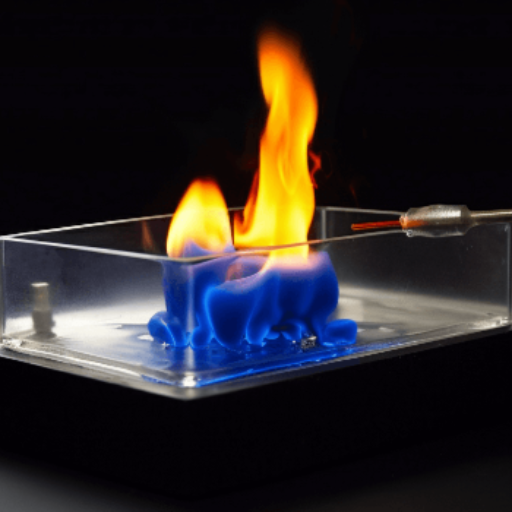
ABS is not like crystalline substances which have a clearly defined melting point. Instead, it presents a glass transition temperature (Tg) near 105°C (221°F). At this point, ABS transitions from a complex, glassy form to a soft, rubbery state suitable for molding or shaping. This distinction is crucial for proper material handling in temperature-sensitive applications, as prolonged exposure to high temperatures can cause deformation or loss of strength.
Key Point: Unlike crystalline polymers, ABS gradually becomes workable across a temperature range rather than undergoing sudden liquefaction. This property allows ABS to maintain stability at higher temperatures up to its Tg, while requiring careful monitoring to prevent overheating.
Softening Point vs. Melting Point
As an amorphous polymer, ABS does not exhibit a distinct melting point like crystalline substances. However, its softening point is defined by the glass transition temperature (Tg), approximately 105°C (221°F). The material’s softening process begins at this temperature and continues until it reaches plasticity, where rubber-like characteristics emerge.
This distinction is essential in practical applications. The lack of a defined melting point means ABS gradually becomes workable rather than suddenly liquefying. Temperature monitoring is necessary in any ABS application to prevent deformation or functional loss from extended exposure above the Tg threshold.
Factors Affecting the Melting Temperature of ABS
Key Influencing Factors
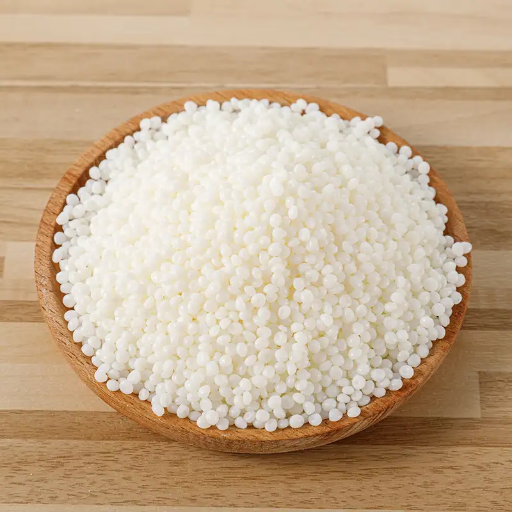
- Polymer Composition: The specific ratio of acrylonitrile, butadiene, and styrene determines thermal characteristics and melting behavior.
- Additives and Fillers: Flame retardants, colorants, and reinforcing agents modify thermal performance and alter melting temperature.
- Processing Conditions: Cooling rates, extrusion speeds, and molding temperatures influence crystalline structure and melting temperature.
- Moisture Content: High moisture during processing can diminish thermal properties and lower the perceived melting temperature.
- Environmental Factors: Ambient temperature, pressure, and exposure to sunlight or heat sources affect thermal behavior in actual applications.
Impact of Additives on Thermal Properties
Additives are indispensable materials that modify the thermal characteristics of ABS. Flame-retardant additives can raise the melting and ignition points, improving thermal stability. Conversely, plasticizers lower the glass transition temperature, making ABS more pliable but with lower heat resistance.
Glass fibers as reinforcing agents enhance heat resistance and strength, while fillers such as calcium carbonate influence thermal conductivity. The selection and quantity of additives determine thermal behavior, providing manufacturers the flexibility to adjust characteristics for specific applications.
Effects of Manufacturing Processes
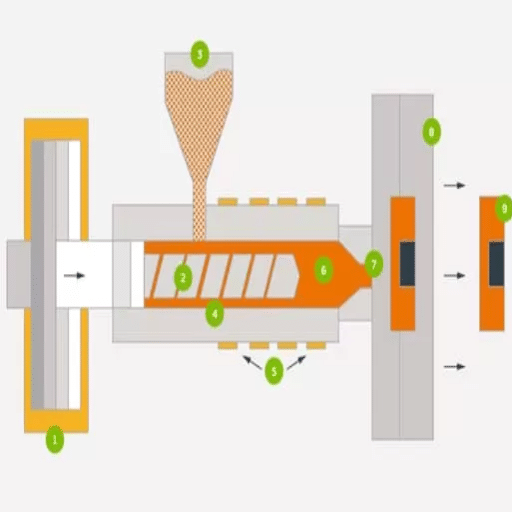
The melting point of ABS depends on the materials used and the production methods employed. Extrusion temperature, cooling rate, and percent crystallinity all influence the thermal characteristics of ABS. Higher extrusion temperatures typically result in better polymer mixing and improved thermal consistency. However, rapid cooling may result in a less well-defined crystal structure, slightly lowering thermal stability.
Additives or reinforcements incorporated during production greatly influence heat resistance and performance under thermal stress. Proper regulation of these manufacturing processes enables the achievement and enhancement of ABS thermal performance suited for marketed applications.
Influence of Polymer Structure and Crystallinity
Due to its amorphous structure, ABS does not exhibit a well-defined melting point but instead presents a glass transition temperature around 105°C. The polymer structure and degree of crystallinity determine this thermal property. ABS, as a three-component copolymer, has a ratio of monomers that dictates both its non-crystalline nature and limited crystalline areas.
Unlike higher-crystallinity materials, which exhibit well-defined melting points, ABS’s overall amorphous structure lacks the orderly molecular organization required for distinct melting transitions. Factors such as the acrylonitrile-to-styrene ratio and the butadiene phase distribution affect Tg. For instance, increased acrylonitrile content improves rigidity and thermal resistance, potentially raising the glass transition temperature. Understanding polymer structure enables manufacturers to control ABS properties for specific thermal applications.
Measurement Techniques for ABS Melting Point
Differential Scanning Calorimetry (DSC)
Differential Scanning Calorimetry (DSC) is one of the most significant methods for determining the thermal properties of ABS. Since ABS is amorphous, it lacks the sharp melting point of crystalline materials but readily reveals glass transition temperature (Tg) and other thermal transitions. DSC measures heat flow linked with temperature changes, providing data on transitions, thermal stability, and decomposition temperatures.
Manufacturers evaluate ABS thermal durability by analyzing Tg, typically 105°C to 110°C, depending on formulation and component ratios. This method provides critical data for industries such as automotive and consumer goods, where thermal performance demands precision.
Thermogravimetric Analysis (TGA)
Thermogravimetric Analysis (TGA) is a reliable technique for analyzing the thermal characteristics of ABS, particularly degradation. Since ABS lacks an actual melting point due to its amorphous structure, TGA provides accurate information on the temperatures at which it begins to lose mass, typically in two major steps. The first significant weight loss occurs at approximately 300°C where the polybutadiene phase degrades. The second loss phase occurs at about 400°C where the acrylonitrile-styrene matrix decomposes. This data proves significant for determining thermal stability and setting appropriate processing conditions.
Comparative Analysis of Measurement Methods
| Method | Key Principle | Accuracy | Cost | Sample Size | Notes |
|---|---|---|---|---|---|
| DSC | Heat flow | High | Moderate | Small | Precise data |
| TGA | Mass change | High | Moderate | Small | Thermal loss data |
| Visual | Direct observation | Low | Low | Varies | Less precise |
Comparative Analysis of Melting Points and Thermal Characteristics

ABS vs. PLA: Melting Point and Applications
ABS offers higher melting point and superior durability, while PLA is biodegradable, easier to print, and suited for lower-temperature applications:
| Parameter | ABS | PLA |
|---|---|---|
| Melting Point | ~105°C | ~60°C |
| Durability | High | Moderate |
| Biodegradability | No | Yes |
| Ease of Printing | Moderate | High |
| Heat Resistance | High | Low |
| Environmental Use | Indoor | Indoor/Outdoor |
| Flexibility | High | Low |
| Common Use | Prototypes | Models |
ABS vs. PETG: Thermal Stability and Performance
Both ABS and PETG offer distinct thermal stability and performance characteristics, making them suitable for a range of applications. ABS offers superior thermal resistance, with a glass transition temperature of approximately 105°C, making it ideal for high-heat applications. This makes ABS suitable for automotive and industrial prototyping, where high temperatures are common.
PETG offers a middle ground between thermal stability and ease of printing, with a glass transition temperature of about 80°C. While PETG has lower thermal resistance than ABS, it excels in chemical resistance and warps less during printing, offering a more user-friendly experience. In terms of mechanical properties, PETG offers greater flexibility and impact resistance, making it suitable for outdoor and stress-prone environments—however, ABS’s rigidity and strength make it well-suited for structural components. From an environmental perspective, PETG wins with its recyclability, while ABS lacks eco-friendly qualities.
The choice between ABS and PETG depends on specific application needs regarding heat requirements, mechanical stress, and ease of printing.
ABS vs. PVC: Understanding the Differences in Thermal Properties
The thermal properties of ABS and PVC differ significantly, making them suitable for different applications. ABS has a thermal deformation temperature of about 105°C, providing higher heat resistance for use in moderate-heat areas without structural damage. PVC, conversely, has lower thermal resistance and generally softens at 60°C to 80°C. However, PVC is often chemically treated to enhance thermal stability for applications requiring prolonged heat exposure.
These differences make ABS the first choice for applications subject to high thermal stress, while PVC operates well in lower-heat requirements. Understanding these thermal distinctions enables proper material selection for specific environmental conditions.
Reference Sources
-
Thermal Properties of Products Based on ABS/PC – A study focusing on the thermal properties of ABS and its blends, particularly for industrial applications.
-
3D Printing: Overview of ABS Evolvement – Discusses the thermal behavior of ABS, including its melting point, in the context of 3D printing.
-
Thermal Characterization of Acrylonitrile Butadiene Styrene (ABS) – Analyzes the thermal properties of ABS produced through different manufacturing processes.
-
Estimation of Melting Points of Organics – Provides insights into calculating melting points, applicable to ABS and similar thermoplastics.
-
Acrylonitrile-Butadiene-Styrene (ABS) Polymers – A detailed resource on ABS polymers, covering their thermal and mechanical properties.
Frequently Asked Questions (FAQs)
What is the melting point of ABS plastic?
ABS melting point generally lies between 210 and 260°C, most commonly around 220°C (428°F). However, since ABS is amorphous, it doesn’t have an actual melting point but rather a glass transition temperature (Tg) around 105°C where the material transitions from hard to soft. The 220°C range represents processing temperatures for 3D printing and injection molding applications.
How does the glass transition temperature relate to ABS polymer?
The glass transition temperature (Tg) of ABS is approximately 100°C (212°F). Below this temperature, the material is more brittle. Above it, polymer chains gain greater freedom of movement, producing a flexible material suitable for various applications in the plastics industry. This transition is critical for determining processing temperatures and end-use performance characteristics.
What are the thermal properties of ABS materials?
ABS materials exhibit exceptional thermal stability, maintaining their dimensions with little change at high temperatures. They excel under high-temperature and stress conditions with a heat deflection temperature of approximately 100°C. This thermal resilience makes ABS ideal for demanding applications requiring sustained performance under thermal stress.
Can you explain the crystallinity of ABS copolymer?
ABS is primarily an amorphous copolymer with low crystallinity. This characteristic is responsible for the material’s high impact resistance and toughness—critical properties in applications such as LEGO bricks and industrial components. The amorphous nature prevents the material from having a sharp melting point while enabling its distinctive mechanical properties.
What is the significance of the melt flow index in ABS?
The melt flow index (MFI) characterizes the processing behavior of ABS plastic during melting and forming. Higher MFI indicates greater material fluidity at the thermal processing limits, which is significant for injection molding applications that require complex shapes and detailed designs. MFI measurement helps manufacturers optimize processing parameters.
What role do styrene and acrylonitrile play in ABS properties?
Styrene and acrylonitrile are two key monomers constituting the ABS copolymer. Styrene provides the material’s hardness and gloss finish, while acrylonitrile grants chemical resistance and heat endurance. This combination creates a well-balanced plastic suitable for diverse applications ranging from consumer goods to industrial components.
Conclusion
Understanding the ABS melting point and thermal properties is essential for effectively leveraging this versatile thermoplastic. While ABS lacks a traditional melting point due to its amorphous structure, its glass transition temperature of approximately 105°C defines its thermal behavior and processing windows. By carefully considering polymer composition, manufacturing processes, and additive selection, engineers and manufacturers can optimize ABS for specific applications, from automotive components to 3D-printed prototypes. By recognizing the distinctions between ABS and alternative materials like PLA, PETG, and PVC, professionals can make informed decisions, ensuring that material selection aligns with the thermal requirements, mechanical demands, and environmental considerations of their specific applications.


