While laser cutting and waterjet cutting are well-known methods due to the advantages they give, gest emptying and versatility, it should be remembered also that such two techniques have quite few factors in common; the technology, the effective materials, and also the performance level. For that reason, for manufacturers and also for engineers or policy makers, it is very important to appreciate such differences to formulate a conclusion for a given project. This paper compares laser cutting and waterjet cutting closely in order to dimensionalize their strengths and weaknesses and the instances at which they are best used. After this discussion, you will realize how choosing the best of both these approaches is simple.
Introduction to Cutting Edge Technology
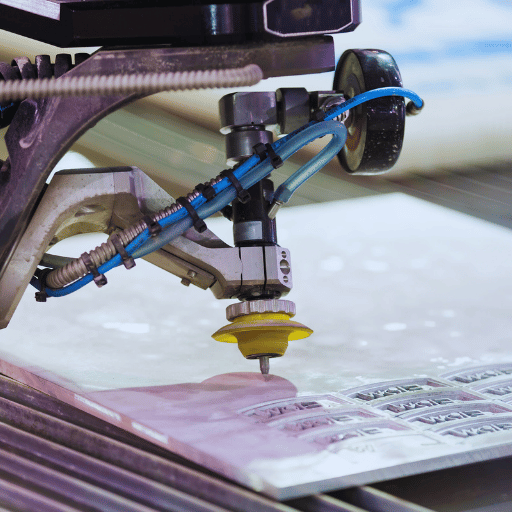
There are two principal cutting technologies used today. They are laser and waterjet cutting. These two methods, however, share a similar goal: to facilitate steady deformation of different types of materials. Laser cutting can be associated with recalibration of the beam emitted by the source in order to cut or melt designated areas. This procedure is quite fast and accurate, particularly when thin metals and other types of non-metals are used. Waterjet cutting, on the contrary, uses water under high pressure and most of the time, does include abrasive particles in cases of moderate perforation, but its peak application includes cutting thick metals, composite materials, or even stones. These techniques are very efficient when applied properly, but for different materials, accuracies, and job-specific requirements, the methods on hand differ.
Laser Cutting in Focus
Laser cutting is a technique used to cut through, melt, or vaporize different materials with the power of a highly concentrated laser for industrial or artistic purposes.
Scope of Waterjet Cutting
Waterjet cutting is a type of cold cutting that employs a jet of water at high pressure to cut materials in a very precise manner without the use of heat, which is suitable for high precision and high straightness of cut applications.
Significance of the Right Cutting Application
The proper cutting technique is an essential element ofproject implementation to achieve the end results. In my opinion, this choice is dictated first and foremost by the type of material one is dealing with, the precision level required, the quality of edges that need to be achieved, and whether or not the material is resistant to high temperatures. Thus, laser cutting is best performed in metal or acrylic work where there is a lot of detail work, while waterjet cutting is most effective for thicker and heat-intolerant materials such as stone work or composites. In this way, it is possible to achieve the highest level of effectiveness, saving money, and accurately performing the specific task.
What Happens in High-Powered Laser Measurements
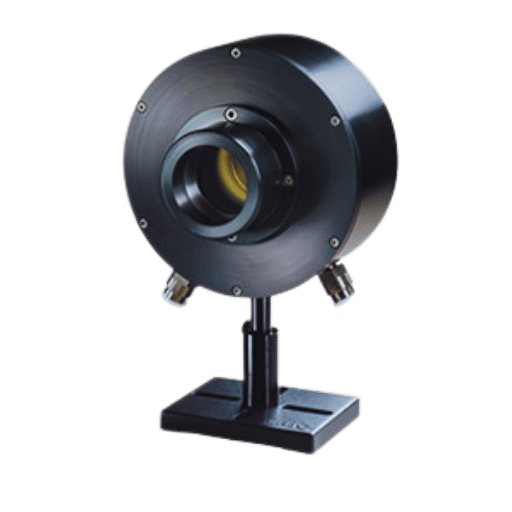
The Technique in Laser Principles
In a typical laser setup, a tightly focused laser beam is produced from the laser resonator and directed onto the surface of the material through various increments. The surface of actual material is exposed to an immense thermal effect, which causes melting, vaporizing, or even burning of the surface, mostly with the help of gases, which is not ideal if one wants to cut minimal lines or engrave shapes.
Materials That Can Be Laser Cut
Depending on what one is trying to achieve, laser cutting can be well-suited for different materials, including but not limited to:
- Metals: Metals like steel, aluminum, stainless steel, and titanium, for their immense strength and capabilities, are quite often employed.
- Plastics: These include acrylic and polycarbonate, and select a count of polypropylene as some of the plastic materials that may accommodate delicate patterns and prototypes.
- Wood: Plywood, MDF, and various types of wood are applicable for accuracy and variation in cuts.
- Whereas any material with a textile nature, such as cotton, synthetic polyester, or nonwoven felt, consumed in designing items or performing products can be dissected using laser technology.
- Paper and Cardboard: This material is mainly used in producing packages, architectural models, and samples due to the simplicity of processing.
However, the reaction of each of the materials to the laser is different, and this may matter depending on the thickness, density, or finish of the material. Always check the specific laser cutter that you are using to confirm the cutting materials.
Applications in Metal Fabrication
- Laser Cutting in the Manufacture of Machines and Vehicles: Parts that are intended to fit in machines, vehicles, and even aircraft are made using a tool that is modified from the ordinary manufacturing techniques.
- Construction Itinerate cutting: Metal panels or ornamental features in the buildings or interior decor are being cut accurately for their intended purpose.
- Surgical Instruments: This represents the manufacturing of surgical instruments or medical devices made with precision.
- Lifecoins and Quarter Cuts: Elements made up of round shapes in electronics that are made out of metal are produced using laser cutting vs. waterjet cutting or any of such technologies.
- Crafting Jewel: Precision-manufactured metals, distinctive and most beautiful designs in sterling metal work are done effectively using laser beams.
- Prototype Works: Quick-made prototypes out of metals, including tests and modifications in the design stages.
- Vehicle Repair and Servicing: Sections or panels of a vehicle are precisely cut or designed for overriding or restoring specific services such vehicles.
- Tags and Indentification: Unique metal tags or labels for corporate or branding purposes are designed and applied in detail for this purpose.
How Waterjet Cutting Works
Mechanics of Waterjet Cutting
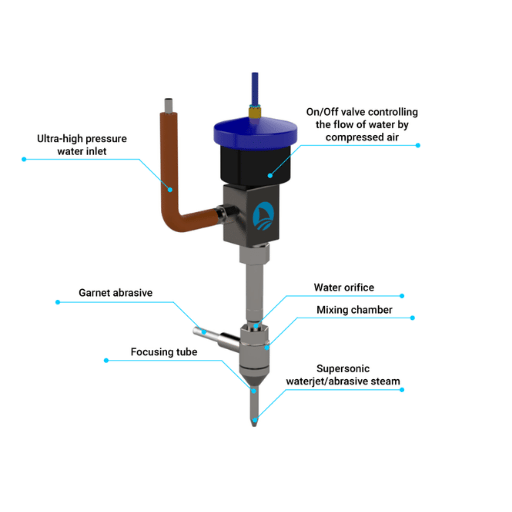
Water jet cutting involves the use of a high-velocity stream of water mixed with abrasives to cut through tough materials. The method begins with the pumping of water to a very high pressure, which can get to 60,000 psi or more. This concentrated and high-pressure water stream is passed through a small outlet orthogonally placed to cut the sheet material. When garnet and other abrasives are used, the waterjet systems can cut through the stronger structures of metals, ceramics, and even composites with high accuracy and almost no heat-affected zones.
Materials Suitable for Waterjet Cutting
Thanks to adaptability and accuracy, waterjet cutting has proven to be effective with different materials, for instance, the most well-known ones are as follows:
- Metals: Iron, aluminium, brass, tin, or their alloys.
- Plastics: Kinedon, multiwall, and high-density sheet.
- Glass: Flatautoglass, bulletproof glass, or just plain glass.
- Ceramics: Kantealgautas tetoss georgetton cetalocceramics.
- Composites: CFRP or GRP, or glass reinforced polymer.
- Stone: Rocks like syenite, limestone, slate, and several other stones.
This process can be particularly neat with materials averse to heat without the unwanted heat effect.
Applications in Sheet Metal Fabrication
- Cutting and Shaping: Cuts are made with precision, shapes are on a contour, and can have specific designs ordered and cut accordingly.
- Stretching: Steel sheets are bent, rolled, or stretched into the desired shape.
- Assembly: Joining techniques such as welding, riveting, and gluing are used during the assembly of pieces together.
- Finishing: Sanding to create a smooth surface, polishing, and applying coatings are all used to ensure that the product looks better and lasts longer.
- Perforating and Shaping: Making holes and shapes for functional use as well as decoration
- Model Making: Quick parts building to test an idea or make a concept.
- Casing Ku Cases: Making enclosures for electronic equipment, machinery, or appliances.
- Building Components: A wide range of products that include wall panels, cladding sheets, and other design elements.
- Vehicle and Aviation: Making structures like the body of the car and the frame of the plane.
- Heating and Ventilation: Air Conditioning. While manufacturing systems, sheet metal is needed to produce other components, which are shells/chassis, ducts, vents, and more.
- Electrics: Manufacturing panel boards, cases, brackets, etc.
Comparative Analysis: Laser Cutting vs. Waterjet Cutting

Precision and Accuracy
Laser Cutting vs. WaterJet Cutting in precision and accuracy: Laser Cutting, on the other hand, allows to utilize higher accuracy and precision, finer details or more filigree of an object are achievable. The process includes the ability to cut within 0.003 inch tolerance and thus allowing most of the delicate work without compromising their accuracy. On the other hand, the waterjet cutting, although applicable, has tolerances are almost at around ± 0.005 inches, and of course, this varies with material type and thickness. Nevertheless, waterjet cutting is cold. Therefore, there is no heat distortion of the material being cut. All cuts are very accurate, but laser cutting would be done on such intricate heat-resistant materials, and water jet on non-intricate or thick, or heat-sensitive materials.
Speed of Cutting
If the speed of cutting is to be contrasted, laser cutting is usually better than water jetting in the context of thin materials. The laser beams are fast enough to move across the material while reducing the time it takes to make cuts. On the other hand, waterjet cutting works effectively, however, much more slowly because it involves eroding the material by blasting high-pressure water along with abrasives. For projects where time is of the essence, laser cutting is the best option.
Operation Costs and Effectiveness
Operation costs and efficiency differ by a wide margin across laser cutting versus gkeumi cnklts vs. wodie cutting. Even though it is usually easier to laser cut thin, delicious materials, which makes it cheaper due to shorter processing and relatively lower wastage of materials. It is more energy efficient than water jet cutting per cut, thereby lowering the cost to cut. On the other hand, for thick or otherwise heat-sensitive materials, water jet becomes more cost-effective because, as opposed to vacuum welding, this technique does not cause distortion, and also the edges are flat, such that further processes may be minimized. In addition, one might more efficiently run either of the two technologies depending on the best cost performance efficiency determined by factors such as the specific material of interest, its thickness, as well as the nature of the project.
Choosing the Right Cutting Method

Factors to Consider: Material Type and Thickness
- The Type of Material: Various cutting techniques are more applicable to different materials. As an example, a laser beam ablates material such as steel, stainless steel, and aluminum very efficiently, but composite materials, glass, ceramic, and thick metals are better cut using water jets. Analyze the type and properties of the item to be cut vis-à-vis the cutting method.
- The Breadth: The breadth of the material is highly important in deciding the cutting method to be employed. Laser cutting seems to be very appropriate or very efficient and effective for very thin materials up to a moderate thickness, that is, up to twenty millimeters, for metallic materials. However, laser cutting, in comparison to waterjet cutting, is not very suitable to cut thick material of several inches, as edge burn is a serious concern.
- Material Reactivity: If there is a concern with deformation due to heating or heating of the material, the waterjet method is preferable as it is a cold method, relieving the material from the heat process.
- Material aspects: For very strong or very abrasive surfaces, it is better to use water jet cutting since this technique makes it possible to cut through strong materials without damaging the cutters, unlike laser cutting, which can not work on such surfaces.
Cost Considerations for Cutting Services
When choosing a particular service for cutting, several factors should be considered, namely the price of cutting, which includes: the selection of adequate cutting equipment, the material to be cut, as well as the degree of difficulty of the design. Laser cutting is less costly, adjustable for cutting thin and standard materials compared to other methods, as it is fast and cheaper in terms of operation. On the other hand, such considerations make water jet cutting cheaper because, for such activities, although initial operational spending is higher, direct costs are reduced, and associated rework is not exclusive. Meaning it is more cost-effective for thick materials or the ones requiring high precision or high-quality surfaces may not be cheap in laser cutting vs. waterjet cutting.
Recommendations for Specific Industries
1. Automotive market
To make precise and clean cuts, laser cutting is one of the proven techniques because it is effortless and saves time when working with metals, especially aluminum and stainless steel, that is often used in automotive production.
2. Aero Engineering
The use of waterjet cutting is more appropriate for the aerospace field, as it allows processing many modern materials, including titanium and composites, without destroying their structure with the application of heat.
3. Building Industry
In terms of construction materials, e.g., metals, steels, etc., laser cutting comes in handy as it improves productivity and accuracy for major constructions where any moment and waste of materials or time is costly.
4. Medical Equipment Manufacturing Industry
Especially in the furbishing of screws and any other delicate instrument in the medical industry, laser cutting is preferred since it is accurate and the health sector has very high quality standards.
One method that can be used is to tailor the cutting processes for each industry. Therefore, the industry can enhance productivity, reduce costs, and improve the quality of products.
Frequently Asked Questions (FAQs)
Q: What is the primary distinction between laser cutting and waterjet cutting techniques?
A: While laser cutting employs the use of a powerful laser beam in cutting materials by either melting, burning, or vaporizing them, waterjet cutting avails a high pressure of a jet of water (mixed or otherwise with abrasives) to separate materials. The cutting principles, as well as the nature of materials intended for machining, are the main differentiating aspects between the two processes.
Q: How accurate are these approaches?
A: Both processes boast high levels of accuracy. However, the advantage of laser cutting is that a much finer detail can be cut out, especially where the material in question is thin, because the kerf is very small. Cutting through with a waterjet also gives precise results, but it can work better with thick materials because there is no heat involved that could alter the material’s structure.
Q: What are the different types of Materials that can be cut by a Laser?
A: Metals such as steel, aluminum, and titanium, as well as plastics, wood, glass, and some textiles, are the materials that work particularly well with laser cutting. However, certain reflective metals might need adjustments to prevent the laser from being damaged.
Q: Which material is best for cutting with a water-jet?
A: Almost all materials are cut by waterjet. Metals, ceramics, composites, glass, stone, and rubber typically come to mind. It is very efficient in cutting thick or fragile materials, as the machine does not generate heat that would affect the material in the course of cutting.
Q: Would any of these techniques allow the cutting of reflective materials?
A: It is more suitable to utilize waterjet cutting for reflective materials because laser cutting can become problematic due to the possibility of the laser beam reflecting.
Q: In which fields is laser cutting mostly employed?
A: Laser cutting is often used in industries that focus on digital, automotive, aerospace, jewelry, and signage production.
Q: In what situations should waterjet cutting be employed?
A: Waterjet cutting is a popular choice in industries such as construction, aerospace, and manufacturing, especially when the workpiece is too thick or hard. It is also used when clean cuts are necessary without introducing any stresses to the material.
Q: What are the benefits associated with the use of laser cutting?
A: There are positives and negatives to laser cutting. Some positives include good precision, fast cutting speed, and the ability to make detailed patterns. Additionally, the kerf is quite small and hence, there is no material wastage. On the downside, it emits heat, and this can discourage its application in some materials and/or in some thicknesses.
Q: What aspect of waterjet cutting is considered a benefit?
A: Waterjet cutting can process many materials, and it is difficult to overheat most materials, such as plastics that would otherwise melt or corrode during cutting. This allows for the cutting of larger thicknesses than with laser cutting and cutting more materials than laser cutting.
Reference Sources
1. This is the title of the paper: Improved Waterjet-Guided Laser Cutting System to Achieve High Quality of Surface of AISI 1020 Steel Sheets
- Authors: Muhammed Paksoy et al.
- Journal: Materials
- Specification: 1st August 2024
- Key Phrase to be Used When Referencing the Gain: (Paksoy et al., 2024)
- Accumulation: The paper examines whether laser with water guidance makes any difference in the cutting ability of the steel sheets in AISI 1020 grade. This particular work compares the results that are achieved by laser cutting vs. waterjet cutting (Laser cutting with waterjet-guided laser cutting). A mechanism has been put forward for laser beams to pass through a thin film.
- The samples from AISI Steel sheet, large in thickness, ranging from 1.5 mm up to 3 mm, were treated with varying speeds and powers of the lasers. Main conclusions state that,
- There was a reduction in surface roughness and also for kerf, dross, and thermal damages on work pieces when using the FRC strategy, than in the single LAS strategy.
Reducing surface roughness was one of the influences of speed, more than focusable laser beams, more evident in low thickness.
Materials and Methods: For this study, the surface profile was measured using 3D roughness profilometry while the surfaces were evaluated by the nuclear scanning images.
2. Research and Analysis of Lateral Waterjet Laser Cutting of an SS304 Brush Seal: An Experimental and Numerical Review
- Authors: Xu Qin et al.
- Journal: Optics Express
- Issue Date: June 18, 2024
- Referencing: (Qin et al., 2024, pp. 25118–25134)
- Abstract: The study delves into the fabrication of gas turbine brush seals using principles of lateral waterjet laser cutting. The research focuses on assessing the optimal processing parameters to improve the quality of the cut. The key observations of the study were:
- The best conditions were 500 W laser power, 15 mm/s scanning speed, 10 m/s maximum waterjet speed, and 1 mm standoff distance, which helped in minimizing thermal damage as well as creating parts with accurate thicknesses.
- Based on numerical modeling results, the mechanism of cutting was described, and active control of the molten material was highlighted.
Purpose: The research is both experimental and computational, and it investigates the influence of different parameters on the cutting results, such as the width of the cut and the extent of the heat-affected zone.
3. Waterjet | Diane Bryant Engineering Student Design Center – A compendium from UC Davis describes the process of waterjet cutting and compares and contrasts it with other alternative cutting methods, such as laser cutting.