Stainless steel chimney parts are considered to build a strong and safe chimney that acts with efficiency for a longer duration, yet their importance is given very little heed. If you are building a new fireplace or working on some improvements on an existing chimney, it would be very good to know what these components are and the different types they come in. This article will cover every detail you will ever want to know about stainless steel chimney parts, including their durability, heat resistance, and their capacity to resist the most severe weather conditions. Furthermore, we will also discuss in detail all the other important components of your chimney system, including liners, caps, and flashing, and show you how they combine to protect your home from all weather hardships while improving performance. The knowledge gained here will put you in a suitable position to make wise decisions for your chimney system for its safety and adequate performance through the coming years.
Understanding Stainless Steel Chimney Components
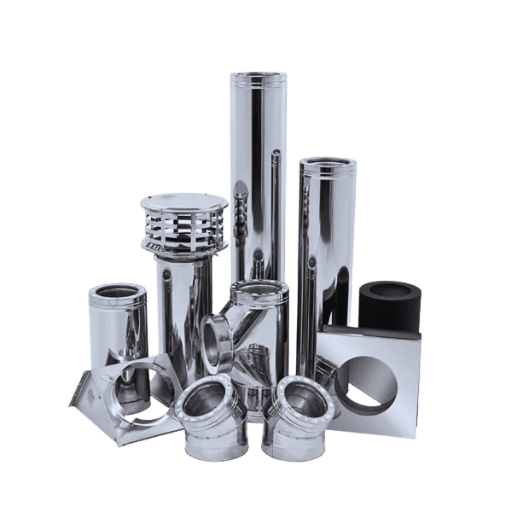
When it comes to chimney components, stainless steel enjoys an excellent reputation for reliability and performance. They are corrosion-resistant, which means they can withstand moisture and the acidic byproducts of combustion. Durability means fewer replacements, increasing the product’s operational life. The lightness of stainless steel components halfway ensures easy installation and maintenance. Stainless steel maintains its structural characteristics while exposed to very high temperatures, thereby increasing the safety and efficiency of the chimney systems. All these factors convince any homeowner with an eye for affordable and reliable chimney solutions to go with stainless steel.
What is a Stainless Steel Chimney?
Stainless steel chimney comprises chimney systems mainly built using stainless steel materials with the prime aim to effectively eject smoke or gases and other combustion byproducts coming from fireplaces, stoves, or industrial units. Due to their corrosion resistance, stainless steel chimneys handle well the emission temperatures and exposure to moisture or acidic condensates. A typical stainless steel chimney system is of insulated double- or triple-wall construction to ensure that heat is not lost during conduction. Temp is at its best during conduction. These types of pipe systems are customizable, capable of accommodating any type of fuel, very low-maintenance, and versatile in their applicability, making them an excellent choice for any residential or industrial use.
Types of Stainless Steel Used in Chimneys
Chimneys employ various kinds of stainless steels: AISI 304, 316, 430, 304L, 316L, and 904L, as well as flexible stainless steel liners.
|
Type |
Grade |
Use Case |
Fuel |
Key Feature |
Limitations |
|---|---|---|---|---|---|
|
Single-Wall |
304/316L |
Interior |
Wood |
Lightweight |
Poor insulation |
|
Double-Wall |
304/316L |
Residential/Commercial |
Multi-fuel |
Insulated |
Higher cost |
|
Triple-Wall |
316L/904L |
External/Cold areas |
Multi-fuel |
High safety |
Bulky |
|
Flexible |
316Ti/904L |
Relining |
Multi-fuel |
Flexible |
Limited durability |
|
Pressure-Sealed |
316L |
Industrial |
Gas/Oil |
Leak-proof |
Specialized use |
Benefits of Using Stainless Steel for Chimney Pipes
- Durability: Being stainless, it offers excellent corrosion resistance to maintain its long-life performance even in harsh and unfavorable environmental conditions.
- Temperature High: It stands extreme temperatures, thus being apt for chimney systems handling hot gases.
- Maintenance Low: Minimal maintenance is required for stainless steel since it can’t rust or tarnish.
- Versatility: Ideal for many applications in residential, commercial, and industrial environments and different types of fuels, including wood, gas, and oil.
- Easy Installation: Available in a wide variety of formats, such as rigid, flexible, or insulated, stainless steel chimney pipes provide options facilitating easy and fast installation.
- Safety: Offering good structural strength, some varieties, such as double-wall and triple-wall, offer good fire safety and reduce heat transfer to adjacent materials.
- Cost-Effective: Stainless-steel chimney pipes, although initially expensive, remain very inexpensive over time due to their long life and little maintenance.
- Visual Appeal: It lends a sharp and professional look to the design of both the interior and exterior.
Key Parts of a Chimney System
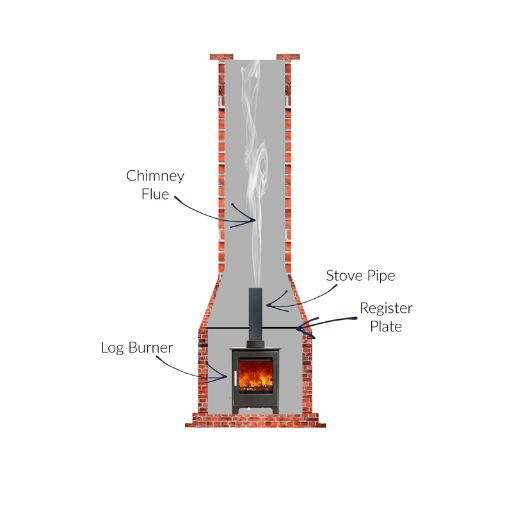
Components of a Class A Chimney Pipe
A Class A chimney pipe, or simply a double- or triple-wall chimney, comprises multiple highly essential elements required for the safe venting of exhaust gases emanating from fireplaces, stoves, or even other appliances. These are:
|
Component |
Purpose |
|---|---|
|
Pipe Sections |
Core venting system |
|
Chimney Cap |
Blocks debris/animals |
|
Roof Flashing |
Seal roof penetration |
|
Storm Collar |
Prevents water entry |
|
Support Brackets |
Ensures stability |
|
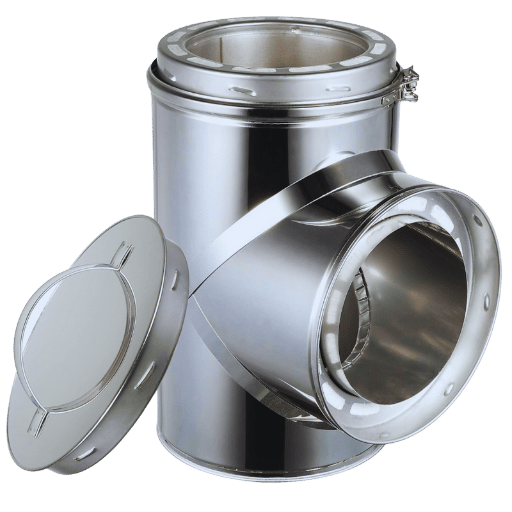
Tee Sections |
Horizontal transitions |
|
Clean-Out Caps |
Simplifies maintenance |
|
Firestop Shields |
Fire safety |
Each of the components, when brought together, makes a sturdy chimney system, well-installed and well-compliant with code. Modern data has shown that when installed properly, Class A chimney systems maintain the highest level of safety, best energy efficiency, and maximum durability for residential and commercial applications.
Understanding the Flu and Flu Liner
The flue and flue liner are essential members of a chimney system, made to properly vent gases and byproducts from a fireplace, stove, or furnace to the outside. The flue acts as a passageway for these gases, whereas the flue liner offers protective value in terms of insulating the surroundings against heat and in preventing the combustible materials from reacting with them. Flue liner systems may also improve system performance by improving response drafts and reducing deposits of creosote, which is an ignition fire hazard. Codes have to be adhered to regarding construction, and inspections are to be carried out regularly for flues and flue linings to ensure safety and utility.
Different Types of Stove Pipes
|
Type |
Key Use |
Material |
Clearance |
Insulation |
Special Notes |
|---|---|---|---|---|---|
|
Single-wall |
Indoor vent |
Metal |
18 inches |
None |
Cost-effective |
|
Double-wall |
Indoor vent |
Metal |
6 inches |
Air-insulated |
Safer, better draft |
|
Triple-wall |
High-temp vent |
Metal |
2 inches |
Multi-layer |
High insulation |
|
Class A |
All-fuel vent |
Metal |
2 inches |
Insulated |
For wood, coal, oil |
|
Direct vent |
Gas vent |
Metal |
1-3 inches |
Coaxial/Colinear |
Sealed system |
|
Type B |
Gas vent |
Metal |
1 inch |
Double-wall |
For gas appliances |
|
Pellet vent |
Pellet stoves |
Metal |
1 inch |
Double-wall |
Compact, efficient |
Installation Guidelines for Stainless Steel Chimneys
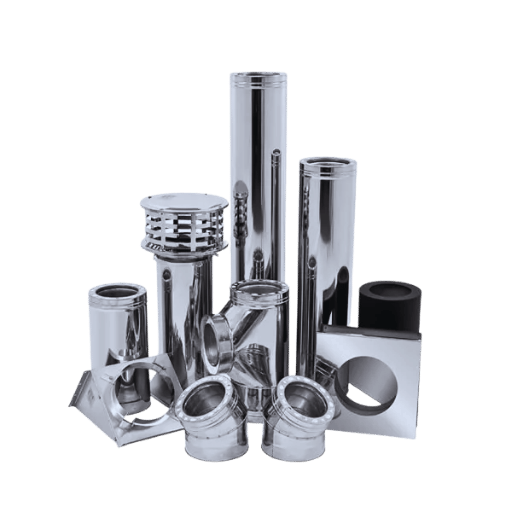
Installing a Double-Wall Chimney Pipe
A double-wall chimney pipe installation involves securely joining pipe sections, maintaining the required clearance from combustible material, and following the manufacturer’s instructions for safety and efficiency.
Proper Techniques for Flu Installation
Some of the correct methods for installing a flue are to ensure a straight and secure assembly, keep the required clearances from combustibles, and use methods of sealing and connection that are suitable.
Common Mistakes to Avoid During Installation
|
Key Point |
Mistake |
Impact |
Solution |
|---|---|---|---|
|
Planning |
Poor planning |
Inefficiency |
Detailed layout |
|
Measurement |
Incorrect sizes |
Misfit issues |
Double-check sizes |
|
Preparation |
Skipping prep |
Weak foundation |
Prep thoroughly |
|
Tools |
Wrong tools |
Damage/errors |
Use proper tools |
|
Sealing |
Poor sealing |
Leaks/damage |
Quality materials |
|
Acclimation |
Skipping process |
Warping/gaps |
Allow adjustment |
|
Fastening |
Inadequate screws |
Loose panels |
Follow guidelines |
|
Direction |
Wrong alignment |
Aesthetic issues |
Plan direction |
|
Codes |
Ignoring rules |
Legal penalties |
Follow regulations |
|
Inspection |
Skipping checks |
Hidden flaws |
Post-install check |
Maintenance and Safety of Stainless Steel Chimneys
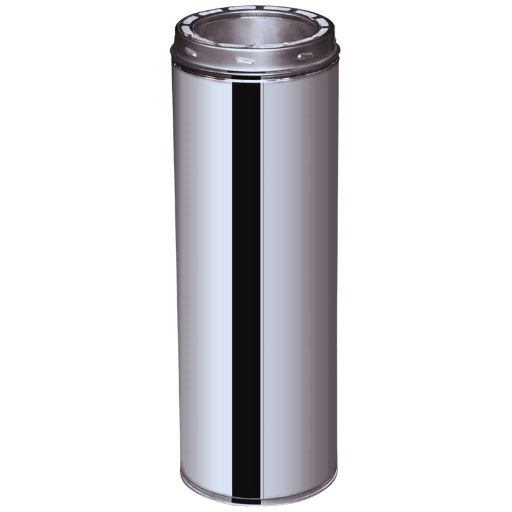
Regular Inspection of Chimney and Flue
Stainless steel chimneys and flues require regular inspection to ensure the functionality, safety, and efficiency of the system. From the latest findings, inspections should ideally be taken up at least once a year, in view of the Chimney Safety Institute of America (CSIA) recommendations, and backed by the search data showing popular chimney issues like creosote accumulation, corrosion, and structural damage. Specifically, such an inspection should seek blockages, leaks, or issues in deterioration that could affect the performance or present a possible safety hazard. Proper maintenance, clean-ups, and repairs all help in imparting topmost performance and reducing hazards, such as chimney fires, and the emission of hazardous gases. Certified persons should perform inspections for the safeguarding of standards and long-term durability of the system.
Cleaning Solutions for Stainless Steel Chimneys
When cleaning a stainless steel chimney, I usually recommend the use of a non-abrasive cleaner developed for stainless steel surfaces. Mild detergent products or a simple vinegar-water mixture do well for removing grease and soot, neither scratching nor damaging the steel. The dirtier the stains, the softer the cloth or sponge that I apply. Cleaning is good for keeping the chimney looking nice; cleaning also keeps the chimney working well and extends its life.
Signs that Indicate Repair Needs
- Visible Cracks or Dents – Structural damage, such as cracking or denting, can compromise a chimney’s integrity and performance.
- Rust or Corrosion – If rust does show up, this would indicate the weakening of the stainless steel and the need to immediately stop such degradation.
- Discoloration or Stains – A lingering discoloration could be due to overheating or improper ventilation somewhere in the system.
- Unusual Smoke or Odors – Excessive smoke or foul odors can point to some form of blockage or internal problem that needs examination.
- Reduced Draft Efficiency – A decline in draft performance can mean clogging or misalignment of chimney components.
From time to time, inspections and maintenance will also assist in addressing these signs at the onset, thereby ensuring that the chimney is working safely and efficiently.
Choosing the Right Stainless Steel Chimney Parts

Factors to Consider When Selecting a Chimney Pipe
- Material Quality – Make sure that the pipe is made of high-grade stainless steel for long life and resistance to corrosion.
- Pipe Diameter – The pipe diameter must be that of the heating appliance to provide a good draft and avoid problems with air passage.
- Insulation – Double-wall or insulated pipes may be considered for better heat protection and less heat transfer to surrounding structures.
- Temperature Rating – Select a pipe rated for temperatures under which the appliance will function to allow safe usage.
- Compatibility – Determine the compatibility of the pipe with your existing chimney system or heating unit to avoid installation issues.
- Type of Appliance – Adopt a pipe suited for your specified appliances, like wood stoves, fireplaces, or gas heaters.
- Length and Configuration – Lay out the required length and configuration, such as vertical or horizontal installation, to minimize bends and ensure proper drafting.
- Local Codes and Standards – Make sure that the chimney pipe adheres to the safety and installation building codes as well as standards set locally.
- Budget – Considering balancing between quality and cost is always the right way to pick an option that your budget cannot resist.
Comparing Duratech Chimney Pipes with Other Options
Duratech chimney pipes are compared against various others like DuraPlus, ShastaVent, Selkirk, and Excel, with emphasis on aspects like insulation, safety, ease of installation, and cost.
|
Parameter |
Duratech |
DuraPlus |
ShastaVent |
Selkirk |
Excel |
|---|---|---|---|---|---|
|
Wall Type |
Double |
Triple |
Double |
Double |
Double |
|
Insulation |
Ceramic |
Ceramic+Air |
Ceramic |
Mineral |
Ceramic |
|
Safety |
High |
High |
High |
High |
High |
|
Install |
Easy |
Easy |
Easy |
Moderate |
Moderate |
|
Cost |
Moderate |
Moderate |
Low |
High |
High |
Recommendations for Quality 316L Stainless Steel Parts
Selecting 316L stainless steel parts requires prioritizing components with the material certificates so as to meet the industry requirements for durability and corrosion resistance. The particularities lie in focusing on components manufactured by reputed suppliers with consistent quality. Components must undergo testing (typically tensile and corrosion testing) to prove they stand the test of diverse operating conditions. They should also be precisely machined and finished to afford the utmost compatibility and reliability during installation.
Frequently Asked Questions (FAQs)
Q: Why is stainless steel generally chosen for chimney parts?
A: Stainless steel is chosen because it is durable, corrosion-resistant, and capable of withstanding extreme temperatures. Such constituents work well for chimneys confronted with severe heat and are corrosive by nature owing to combustion.
Q: What chimney systems are meant to carry stainless steel parts?
A: Stainless steel parts are suitable for wood, pellet, gas, or oil systems in every respect. Always confirm with your system manufacturer about suitability.
Q: Can stainless steel chimney parts still be used in masonry chimneys?
A: Yes indeed; stainless steel liners are commonly used in masonry chimneys to improve safety and efficiency. A stainless steel liner helps to radiate heat and keeps acidic by-products of combustion from attacking the chimney.
Q: Are stainless steel chimney liners easy to install?
A: The installation of a chimney liner can be a DIY project for some homeowners. However, professional installation is highly recommended to get proper fitting, performance, judgment, and local codes.
Q: What sizes do stainless steel chimney parts come in?
A: Stainless steel parts are made in many diameters and lengths to cover a great variety of chimney sizes and configurations. Measure the actual dimensions of your chimney before purchasing for best results.
Q: How can stainless steel chimney parts be cleaned?
A: Regular cleaning can be done by using chimney brushes and rods suitable for your chimney system. However, it is advisable to engage a professional chimney sweep yearly for thorough maintenance. Never use harsh chemicals containing acids or abrasives, which could deteriorate stainless steel surfaces.
Q: Will stainless steel parts against creosote build-up?
A: They do not build up creosote, although having a smooth interior surface and good ventilation reduces buildup immensely. Regular maintenance is the key factor to keeping creosote levels low.
Q: How often should stainless steel chimney parts be inspected?
A: Annual inspections should be considered, or more regularly if it is heavily used, to catch wear and damage at the earliest.
Reference Sources
1. Analysis of the causes determining dimensional and geometrical errors in 316L and 17- 4PH stainless steel parts fabricated by metal binder jetting.
- Authors: M. Zago et al.
- Publication Date: March 16, 2024
Key Findings:
- The investigation concerned the dimensional and geometrical accuracy of stainless steel parts fabricated by metal binder jetting.
- Linear shrinkage is anisotropic and is greater in the building direction (Z) than in the building plane (X and Y).
Further attention is drawn to the fact that the position in the printing chamber has a major influence on the sintered density and dimensional change.
Methodology:
- Samples in various parallelepiped boxes with variable hole diameters were produced and measured using a coordinate measuring machine to measure dimensional changes at both green and sintered states (Zago et al., 2024).
2. Influence of aging treatments on 17-4 PH stainless steel parts made via material extrusion AM mediums
- Authors: A. Pellegrini et al.
- Publication Date: 23 February 2023
Key Results:
- The study investigated how aging treatments affected the mechanical properties of 17-4 PH stainless steel parts produced with material extrusion.
- The aging treatments came more into play, especially affecting hardness and porosity; the H900 aging produced a maximum hardness increase of 52%.
Methodology:
- In the study, parts were produced by three extrusion-based manufacturing processes. Mechanical tests were performed to compare the effects of aging conditions(Pellegrini et al., 2023, pp. 163-178).
3. Comparative study on the properties of 17-4 PH stainless steel parts made by metal fused filament fabrication process and atomic diffusion additive manufacturing
- Authors: F. Lavecchia et al.
- Publication Date: August 22, 2022
Major Discoveries:
- The paper compared and contrasted the mechanical properties and microstructural features of 17-4 PH stainless steel manufactured by two different additive manufacturing processes.
- With atomic diffusion additive manufacturing, surfaces with better mechanical properties and lesser roughness could be fabricated when compared to metal fused filament fabrication counterparts.
Methodology:
- Tensile specimens from 17-4 PH stainless steel were fabricated by both of these processes, and mechanical and microstructural characterizations were carried out to check for property differences (Lavecchia et al., 2022).
5. WFS5 – Chimneys – A complete guide from the University of Idaho on insulated prefabricated chimneys, including stainless steel components.
6. Chimney