


This article will analyze 17-4 PH stainless steel, a very strong type of steel that is manufactured for strength, durability, and versatility. Wherever design projects entail aerospace, medical devices, or industrial machinery, this particular alloy lends characteristics that set it apart from standard stainless steels. So what makes 17-4 PH such a special steel and is it worthy of any demanding application? Here is the complete breakdown of 17-4 PH stainless steel, its primary properties, common applications, and how it benefits important industries. After going through the article, one will have no doubt in his mind as to why this material is still the darling of engineers and manufacturers across the world. Get ready to explore what genuinely makes 17-4 PH stainless steel a giant in material sciences!
What is 17-4 Stainless Steel?
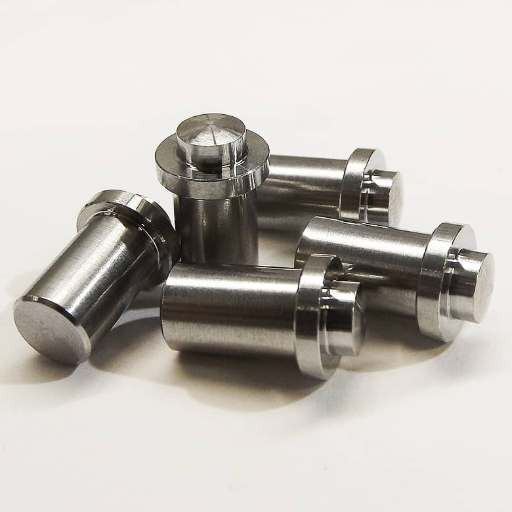
17-4 stainless steel, also known as 17-4 PH, is a precipitation hardening stainless steel. Its hallmark is the combination of extremely high strength and corrosion resistance while maintaining durability in various environments. It is essentially the toughness of stainless steel with properties that can be enhanced through heat treatment. Thus, this makes it a very versatile steel for various applications in aerospace, chemical processing, and energy production.
Understanding 17-4 PH Stainless Steel
17-4 PH stainless steel is a special alloy whose properties depend on its chemical composition and the precipitation hardening mechanism. The term “17-4” indicates the approximate composition of 17 percent chromium and 4 percent nickel, with small amounts of others such as copper and niobium. This composition endows the alloy with good resistance to corrosion and strength.
One of the most important characteristics of the 17-4 PH is that it can be heat treated to achieve different degrees of hardness and mechanical strength. Precipitation hardening entails treating the material to specific temperatures at which controlled formation of particles reinforcing the strength and durability of the alloy takes place. Variations in its properties thus render the 17-4 PH stainless steel particularly useful when resilience and resistance to adverse conditions are required. The material has found common use in parts requiring high reliability, such as turbine blades, medical equipment, and marine equipment.
Crucial Physical Properties and Chemical Composition
The 17-4 PH stainless steel has a unique set of physical and chemical properties. High tensile strength, excellent corrosion resistance, good toughness at both high and sub-zero temperatures are among the key physical properties of this material. Other physical properties have to do with low thermal expansion and retention of structural integrity even under prolonged stress; all these make it suitable for harsh environmental applications.
From a chemical standpoint, the stainless steel is essentially an iron-based alloy with varying amounts of chromium and nickel, along with trace elements such as copper, manganese, silicon, and niobium. The particular microstructures developed due to these elements are responsible for its precipitation hardening ability and corrosion resistance. The composition and controlled heat treatments allow this alloy to be finely tuned for specific combinations of properties that are needed for particular performance criteria.
Differences Between 17-4 and 304 Stainless Steel
The primary differences between 17-4 and 304 stainless steel lie in their composition, strength, corrosion resistance, heat treatment, and applications.
| Key Point | 17-4 Stainless Steel | 304 Stainless Steel |
|---|---|---|
| Composition | Includes copper & niobium | Iron, chromium, nickel |
| Strength | High strength | Lower strength |
| Corrosion Res. | Superior | Good |
| Heat Treatment | Hardenable | Not hardenable |
| Applications | Aerospace, marine | Food, medical |
Why Use 17-4 PH Stainless Steel for Industrial Applications?
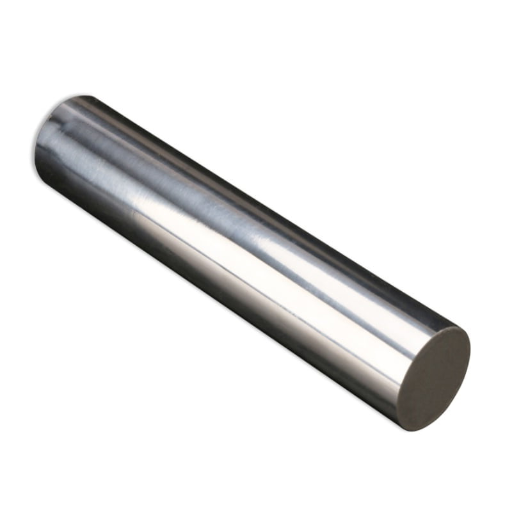
17-4 PH stainless steel is a good choice for industrial applications because it boasts superb strength and corrosion resistance, as well as flexibility. Its ability to be heat treated gives this alloy added durability, making it suitable in tough environments. It gains a very good name in the aerospace, marine, and chemical industries, standing up to harsh environments so that it lasts longer with less maintenance.
Benefits of High Strength and Corrosion-Resistance
17-4 PH stainless steel is a worthy product because of its rare combination of high strength and corrosion resistance and therefore is chosen for industrial and engineering applications. Its ability to resist corrosion stands out as a beneficial feature. It can resist mechanical loads imposed on it and applied growth stresses, leading to tensile strength that goes from 930 MPa to 1,410 MPa (135,000 to 204,000 psi) dependent upon the treatment. It is employed for turbine blades, valves, and fasteners, which are normally subjected to high loads and mechanical stresses. Corrosion resistance guarantees that it will resist all wear in difficult environments for long periods. It performs well in the marine environment, better resisting the degradation induced by saltwater than many other stainless steel grades. For example, studies have shown that it suffers very little pitting or crevice corrosion from exposure to chloride-rich environments. The corrosion resistance also qualifies it for chemical processing equipment, in that it will resist attacks from acidified solutions of dilute nitric acid and chlorine.
On the whole, such a combination of high strength and corrosion resistance would allow for less maintenance and longer life span of the components and accordingly benefits industries where strength is needed under harsh conditions.
Applications in Aerospace, Oil and Gas, and Beyond
Nickel alloys are widely used in aerospace in view of their dissipation of extreme high temperatures and resistance to corrosion, enabling them to perform reliably in jet engines and turbine components. On the other hand, in the oil and gas industry, they are very much preferred in corrosive environments, a case of drilling operations and subsea pipeline construction. It is given wider applications in power generation and chemical processing wherever strength and environmental degradation resistance are needed.
Comparison with Other Alloys
When comparing against other commonly used alloys, nickel alloys would often outperform under extreme conditions by virtue of their unique property set, which stainless steel, for instance, is well-known for: corrosion resistance and strength but is generally unsuitable for very high-temperature applications in comparison with nickel alloys. Nickel-based alloys like Inconel can remain strong above 2,000°F (1,093°C), which facilitates their application in aerospace and power generation environments.
Conversely, aluminum alloys are considered more lightweight of cost-effective but lack corrosion and heat resistance as found in nickel alloys. This, therefore, renders aluminum alloys best suited for purposes where weight-saving is of much concern, which forms the main aspect of automotive and general industrial productions, excluding harsher environments.
Titanium alloys maintain excellent strength-to-weight ratios as well as provide very good corrosion resistance especially in the presence of marine and medical applications. However, they are generally costly and have limited abilit¡es for prolonged exposure to very high temperatures compared to nickel alloys.
Data from recent industry studies revealed that in high-temperature conditions, nickel alloys have nearly double the tensile strength of standard stainless steel. Moreover, nickel alloys can maintain approximately 90% of their mechanical properties at elevated temperatures, compare that to approximately 60-70% measured for their exceptions such as steel or aluminum alloys. Their greatest resistances to oxidation and thermal fatigue therefore cement their position in the industries where high-performance materials are required under extreme conditions. This accounts for why nickel alloys have emerged as preferred materials in terms of long-term reliability and efficiency in an extremely demanding application-oriented arena.
Methods of Workings of Precipitation Hardening
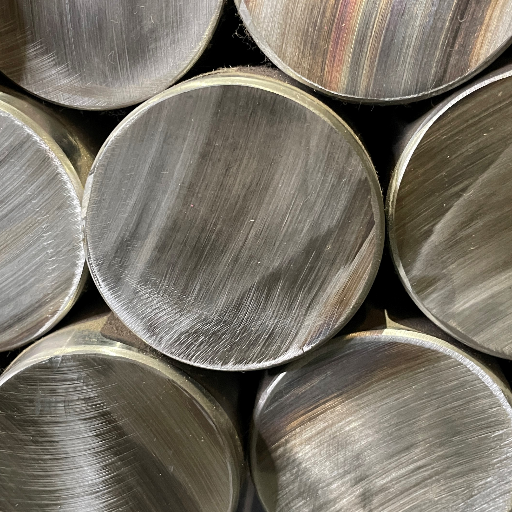
The precipitation hardening procedure requires the alloy to be heated to specific temperatures at which soluble elements are able to dissolve into the matrix. With rapid cooling, the elements are trapped in a supersaturated state. This is the solution treatment. During aging, the material is heated to a temperature lower than that used in solution treatment for a time set by the manufacturer. At this temperature, precipitates or very fine particles will form that block dislocation movement or glass slides, ultimately strengthening the material. The precipitation hardening process thus renders the material much harder and stronger.
Role of Heat Treatment in Hardening Process of 17-4 PH
The heat treatment is an important aspect in the hardening of 17-4 PH stainless steel, which is a precipitation-hardening martensitic alloy, boasting excellent mechanical properties and corrosion resistance. This alloy undergoes a multi-step heat treatment process consisting of solution treatment followed by aging for enhanced strength and durability.
In solution treatment, the alloy is heated to between 1,040 and 1,065°C (1,900 and 1,950°F) to dissolve chromium carbides and any other soluble elements into the matrix. It is then rapidly cooled by water quenching to retain these elements in a supersaturated state. This step prepares the alloy for aging.
During precipitation hardening so-called aging-, the material is reheated in a temperature region of 480–620°C (896–1,148°F) for a predefined period of time depending on the required mechanical properties. For example, aging at about 482°C (900°F) for 1 hour, followed by air cooling, increases the hardness and tensile strength, because a large number of fine copper-rich precipitates develop in the microstructure that can interfere with dislocation movement and provide substantial strengthening.
From the data of different researchers, 17-4 PH steel attains the maximum tensile strength of nearly 1,314 MPa or 190 KSI while keeping its high toughness when aged at 482°C (900°F). The corrosion resistance generally stays steady for different aging temperatures; hence, the application of this alloy has been observed in aerospace, chemical processing, and marine environments. About heat treatment, it is crucial to have precise control to fit the properties of 17-4 PH steel to particular industry applications.
Effects on Tensile Strength and Hardness
On tensile strength and hardness, aging temperatures utilized during heat treatment are of great importance for 17-4 PH steel. For a particular practical case, the engineer will subject the aging to match the desired strength and toughness. It has been found as optimum results are obtained when age-hardening at about 482°C (900°F), resulting in tensile strengths of approximately 1,314 MPa (190 KSI) and Rockwell hardness values of about 36 HRC for this grade of steel.
Lower temperature aging such as 427°C (800°F) would increase the hardness to above 40 HRC but reduce the toughness. Aging near 593°C (1,100°F) lowers hardness and tensile strength and increases ductility, thus allowing the properties of 17-4 PH steel to be tailored to perform needs for wear resistance in marine components or flexibility in aerospace fasteners.
Considering recent data, strict temperature monitoring during heat treatment is indispensable, guaranteeing equality in yield value. For any specific environment requiring the utmost mechanical performance, the gain in understanding of temperature-property relationships will ensure that 17-4 PH steel remains highly strong whilst resisting environmental deterioration.
Understanding the Martensitic Transformation
Martensitic transformation is a diffusion-less transformation that takes place mainly during rapid cooling down or quenching of materials. This transformation bears an important consequence for alteration of mechanical properties and treatments of materials, such as 17-4 PH steel, which will then gain great hardness and strength properties. This transformation occurs quickly by changing the crystalline structure from austenite (FCC) to martensite (BCT or BCC) without any atomic diffusion, leading to the rapid rearrangements in building a very hard crystal, but sometimes increase the brittleness.
Recent study has disclosed the importance of the temperature window of martensitic transformation. For example, in 17-4 PH steel, the martensite start (M_s) temperature is normally between 215°C and 325°C, depending on the specific heat treatment process and alloy composition. Keeping tight controls over this temperature window ensures the desired balance of high strength and toughness can be achieved. It has also been found that the magnitude of the transformation strain, in conjunction with subsequent heat treatment steps such as ageing, is directly correlated with the final tensile strength, which can attain levels of up to around 1,035 MPa for 17-4 PH steel under optimum conditions.
The behavior of martensitic transformation is often examined via advanced techniques such as dilatometry and transmission electron microscopy (TEM), thus further investigating phase transformations at the microstructural level. Moreover, extensive thermal cycling tests have demonstrated that precise tempering following martensitic transformation can enhance resistance to stress corrosion cracking, especially in extreme environments, such as marine or chemical processing industries. These discoveries stress the necessity of closely managing every aspect of the martensitic transformation process to ensure maximum benefit of the material.
Characteristics of Weldability and Formability
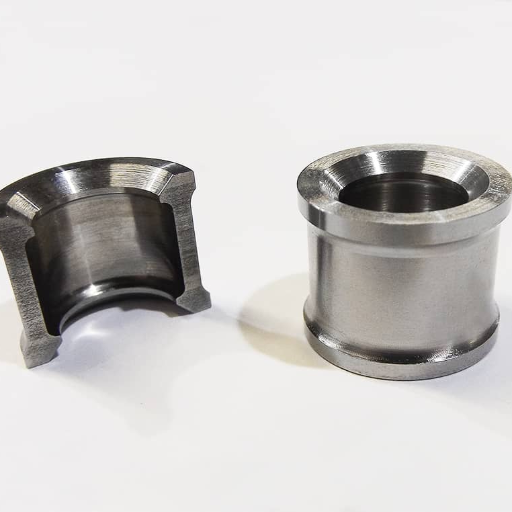
Martensitic steels have a slightly lower weldability due to their high carbon content. This causes cracking during welding in many instances. Preheating and post-weld heat treatment are commonly required to reduce the risks. Elongation is constrain ed; they’re generally harder and less ductile than steels of other types. Good control over heat treatment and chemical composition can enhance weldability and formability to suit application requirements.
Welding Challenges for 17-4 Stainless Steel
The unique composition and properties of 17-4 stainless steel present several problems while welding. The main difficulty is that, if not done properly, welding can have adverse effects on corrosion resistance and strength of the materials. Hawaiian-styled cracking due to higher carbon content plus alloying elements based on chromium and nickel can form an issue for cracking throe during welding.
Preheating processes are often deemed necessary to reduce thermal gradients that may otherwise end up in cracking. It has been found that preheating between 250°F and 350°F (120°C and 175°C) yields good results. Further to this, PWHT is essential in restoring the mechanical properties initially wanted of the material and to relieving stresses residual stresses generated by welding. Best results are usually obtained after employing a tempering cycle of about 1150°F (620°C) for two hours after the welding.
The control over intermetallic phases also presents another complication to welders. Deathly tardy formation of delta ferrite or sigma phase while slow cooling rate occurs during welding degrades the toughness and corrosion resistance. Using filler materials that are specially matched to 17-4 stainless steel, like filler materials conforming to AWS E630/ER630, also make the problem less.
In brief, welding 17-4 stainless steel well warrants good preparation, correct filler materials, and well-established heat treatments. Through research, it has been shown that following these practices ensures that the welding has mechanical properties equivalent to the base metal, which is of paramount importance in aerospace, marine, and chemical applications.
Formability Enhancement Technologies
Techniques to improve the formability of 17-4 stainless steel require fine-tuning of material properties and processing methods. Several approaches were developed to enhance elongation, ductility, and overall deformation capabilities of this alloy without the loss of mechanical strength. Some of the important practices include correct annealing, accurate control of material composition, and implementation of advanced forming technologies.
Annealing Processes: Solution annealing around 1900°F (1038°C) followed by rapid cooling, impart high ductility and formability to the steel. Stress relief annealing at low temperatures around 1100°F (593°C) reduces residual stresses accumulated from prior treatments.
Additives and Material Composition: The balance of alloying elements—specifically carbon, manganese, or silicon—is adjusted to improve formability. Studies reveal that the reduced carbon content results in a major increase in elongation, making the material easier to deform with less chancing of cracking.
Advanced Forming Methods: Hydroforming, where shapes are formed using fluid pressure, and warm forming, wherein deformations occur under moderately elevated temperatures (200°F-400°F), have shown better results compared to cold forming. These techniques tend to smooth the deformation with even stress distribution.
Data Supporting Improvements: Recent research reveals that the elongation percentage of 17-4 stainless steel can be enhanced by about 15% by optimal annealing treatments, while warm-forming treatments reduced the forces needed for forming by about 25%. This information hence points toward huge forward steps in formability and process efficiency.
With the use of such techniques, the industry will be capable of manufacturing high-grade 17-4 stainless steel with minute details, thereby ensuring bleak quality and performance.
What Are the Uses of 17-4 PH Stainless Steel?
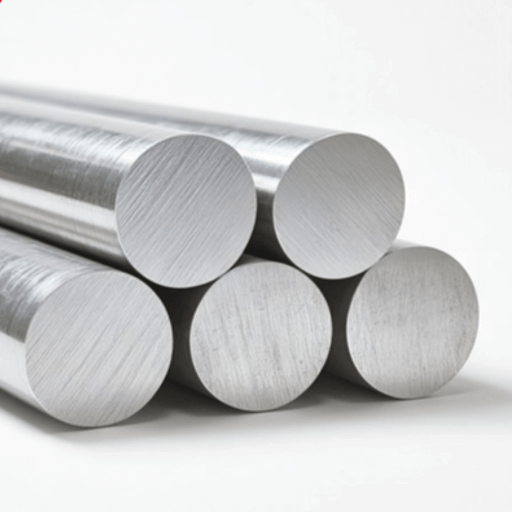
17-4 PH stainless steel finds an extensive range of applications where high strength, corrosion resistance, and durability are required. Some of the common utilizations of this steel grade include aerospace components, medical instruments, chemical processing equipment, and marine environments. The metal finds great help in applications that require the use of higher mechanical properties in adverse conditions.
Applications in Valves, Shafts, and Fasteners
Valves, shafts, and fasteners are all common uses of 17-4 stainless steel that benefit from its combination of strength, corrosion resistance, and toughness. Deterioration is costly; these properties ensure that high-quality mechanical performance can be sustained in an environment where wear is a concern.
Application in Petrochemical and Chemical Processing
In the petrochemical and chemical processing industries, 17-4 PH stainless steel functions with an efficient synergy of properties, including high strength, extraordinary corrosion resistance, and excellent toughness. The steel can resist highly corrosive chemicals and environments, such as acids, chlorides, and industrial fluids, and is thus employed in pumps, impellers, heat exchangers, and reacting vessels.
Data indicate that one of the more prominent features of this stainless steel, 17-4 PH, is maintaining mechanical performance over a temperature range of -50°F to 600°F (-45°C to 316°C) which is very important when processes are conducted under harsh thermal conditions. Additionally, the precipitation-hardened nature would allow for minimal distortion during heat treatment, hence easier fabrication of components with high precision. Studies from the industry also reveal that the corrosion properties of this alloy are sustained at chloride concentrations of up to 300 ppm, greatly reducing the chances of stress corrosion cracking-a big challenge that chemical process engineers often face.
Factors like the long operation period that stainless steel materials are affected by and reduced maintenance stress in such aggressive conditions go far in affirming its economic viability. Reliability and efficiency have become paramount factors in the present market; hence 17-4 PH remains a class favorite in petrochemical and chemical Industry.
Why It’s Preferred in Ball Bearings and Corrosive Environments
I prefer 17-4 PH stainless steel in ball bearings and corrosive environments because of its exceptional combination of strength, corrosion resistance, and durability. Its ability to withstand high-stress conditions and resist deterioration in harsh environments, including exposure to moisture and chemicals, makes it ideal for demanding applications. In addition, it requires less maintenance and ensures reliability over time, thus giving the steel high value in these demanding environments.
Reference sources
- The effects of fabrication atmosphere condition on the microstructural and mechanical properties of laser direct manufactured stainless steel 17-4 PH
- Authors: D. Wang et al.
- Journal: Journal of Materials Science & Technology
- Publication Date: June 20, 2019
- Key Findings: This study investigates how different fabrication atmosphere conditions affect the microstructure and mechanical properties of 17-4 PH stainless steel produced via laser direct manufacturing. The results indicate that the atmosphere significantly influences the mechanical properties, with variations in microstructure leading to differences in hardness and tensile strength.
- Methodology: The authors employed experimental techniques to analyze the microstructure and mechanical properties, including tensile tests and microstructural characterization through microscopy(Wang et al., 2019).
- Effect of spiral scan strategy on microstructure for additively manufactured stainless steel 17–4
- Authors: H. Yeung et al.
- Journal: Manufacturing Letters
- Publication Date: April 30, 2021
- Key Findings: This paper explores the impact of different spiral scan strategies on the microstructure of additively manufactured 17-4 PH stainless steel. The findings suggest that the scan strategy can significantly affect the grain structure and mechanical properties, with certain strategies leading to improved performance.
- Methodology: The study utilized various additive manufacturing techniques and analyzed the resulting microstructures using scanning electron microscopy (SEM) and mechanical testing(Yeung et al., 2021).
- Adhesiveness of TiO2 PVD coating on electropolished stainless steel 17–4 PH orthodontic bracket
- Authors: S. Supriadi et al.
- Journal: Materials Research Express
- Publication Date: July 3, 2019
- Key Findings: The research demonstrates that titanium dioxide (TiO2) coatings can enhance the performance of 17-4 PH stainless steel orthodontic brackets. The study found that electropolishing significantly improved the adhesion of the TiO2 coating, which is crucial for the longevity and effectiveness of orthodontic devices.
- Methodology: The authors varied electropolishing conditions and analyzed the surface roughness and coating adhesion using micro Vickers hardness tests and qualitative assessments(Supriadi et al., 2019).
Frequently Asked Questions (FAQs)
Q: What is Stainless Steel 17-4?
A: Stainless Steel 17-4 is a martensitic precipitation hardening stainless steel which exhibits good corrosion resistance and high strength. Due to its excellent machinability and hardenability, it is applied in many industries.
Q: Can 17-4 Stainless Steel withstand corrosion?
A: This alloy steel combines high strength with corrosion resistance to be used where strength is required in corrosive environments. Hence it can resist corrosive substances due to the presence of chromium stabilizing elements.
Q: What are some of the common applications for Stainless Steel 17-4?
A: Stainless Steel 17-4 finds application in food processing equipment, in aerospace, and in other industries where high strength materials are needed. Its relatively low price accounts for its use in numerous applications, all requiring a strong and durable material.
Q: What does the term ’17-4PH’ imply?
A: The name “’17-4PH” is derived from the alloy composition comprising 17% chromium and 4% nickel, while PH means precipitation hardening, which is a heat treatment process used to improve the strength and hardness of the steel.
Q: By which method does 17-4 stainless steel possess high-strength properties?
A: 17-4 stainless steel possesses its high-strength characteristics by precipitation hardening, a process by which the alloy is heated up to a certain temperature and then cooled down under a controlled environment to enhance its strength and durability.
Q: Describe the heat treatment conditions for Stainless Steel 17-4.
A: Stainless Steel 17-4 common treatments include H900 and H1150 and others, all varying in temperature and time parameters, thus, in hardness and strength, to suit different application needs.
Q: Is Stainless Steel 17-4 the same as other standard hardenable stainless steels?
A: No. Being martensitic precipitation hardening stainless steel, Stainless Steel 17-4 is very special among other standard hardenable stainless steels for the combination of very tough and strong corrosion resistance.
Q: How well can Stainless Steel 17-4 be machined?
A: Stainless Steel 17-4 is considered to machinable and is easier to work with compared to other very high-strength alloys. It allows for very accurate machining procedures to produce components that will benefit most from such a capability.
Q: For what reason is stainless steel 17-4 preferred in aerospace?
A: Stainless Steel 17-4 is superior in an aerospace application because of its high strength and corrosion resistance alongside its capacity to withstand very high-stress conditions; this makes it an excellent choice for critical aerospace components.


