


Carbon fiber is known for its strength-to-weight ratio, a revolutionary feature in various sectors, from aerospace and automotive to sports equipment and renewable energy. But with further evolution in technology, we seem to be speeding toward entering another realm-admittedly one where high-strength carbon fiber composites are yet again revolutionizing design possibilities. This modern material is working to change performance expectations and completely redefine what is feasible regarding sustainability and innovation. In the article, some reasons why high-strength carbon fiber stands to become the future composite material will be discussed, alongside some of its unique properties, major applications, and how it will shape the world tomorrow. Whether you are an experienced engineer, have never really looked into it, or just want to get a little background on cutting-edge materials, this blog will look at the exciting possibilities of high-strength carbon fiber.
What is High-Strength Carbon Fiber?

A high-strength carbon fiber is a lightweight, durable material composed of thin carbon strands tightly woven and bonded with resin to create a powerful composite that is resistant to wear. Rated for its high strength-to-weight ratio, high-strength carbon fiber can be five times stronger than steel yet weigh a fraction of it. It resists corrosion and endures high temperatures, making it ideal for aerospace, automotive, and construction applications. The advanced material offers strength, versatility, and performance under demanding conditions.
What Makes High-Strength Carbon Fiber Unique?
High-strength carbon fiber distinguishes itself by an unmatched array of properties, offering applications across a broad spectrum. The high tensile strength allows it to bear heavy loads without deformation, while its light weight offers increased efficiency and performance in aerospace and automotive sectors. The material also has resistance to fatigue, chemical corrosion, and extreme temperatures, furthering its capacity for durability in harsh environments. Recent advancements in carbon fiber technology involving enhancements in manufacturing processes and integration with nano-materials have enhanced the promise of such materials. Thus, high-strength carbon fiber has become a pivot for engineering and innovation in this day and age.
Applications of High-Strength Carbon Fiber
High-strength carbon fiber is revolutionizing many industries through its unmatched properties. Here are five major applications that this material is involved with:
- Aerospace
Carbon fiber is extensively used in manufacturing aircraft components such as wings, fuselages, and propellers because of its ideal strength-to-weight ratio. It decreases the overall weight of the aircraft, increasing fuel efficiency and performance. Hence, much of the Boeing 787 Dreamliner is made of 50% carbon fiber reinforced composite materials.
- Automobile
In the automobile industry, carbon fiber is used for higher-strength lightweight frames and panels manufacturing. This increases speed and fuel economy while preserving safety and durability. Carbon fiber components are therefore used heavily by manufacturers of luxury and sports cars like Lamborghini and BMW.
- Sports Equipment
Carbon fiber is used in sports equipment like tennis rackets, bikes, and golf clubs to improve performance and durability. Being featherweight allows the athlete to perform with more control and precision, increasing performance.
- Wind Energy
The design of wind turbine blades requires strong yet light materials. Carbon fiber stands out in building longer and more efficient turbine blades, boosting energy output, and cutting maintenance costs.
- Medical Devices
Carbon fiber is now utilized more in medical applications, including prosthetics, surgical instruments, and imaging devices. Because of its lightweight and radiolucent characteristics, it can be used to construct advanced and comfortable medical equipment for patients and practitioners alike.
How Does High-Modulus Carbon Fiber Compare to Other Types?
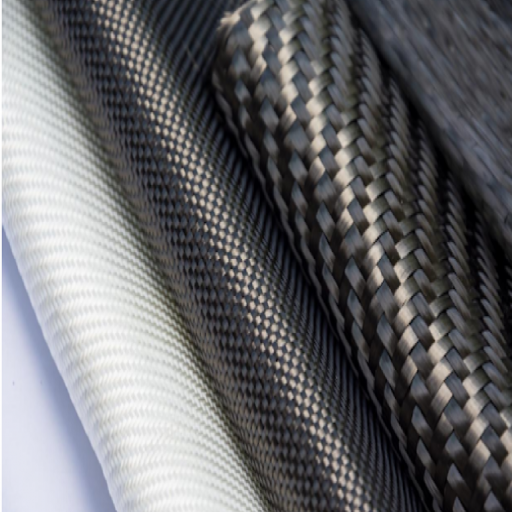
High modulus carbon fiber is mainly differentiated by stiffness and strength-to-weight ratio. The tensile modulus is very high, resisting deformation better when stresses are applied than the standard or intermediate modulus fiber. It is, therefore, the fiber for applications where rigidity matters, such as aerospace components, sporting goods, and high-performance robotics. However, since these are usually costlier and less flexible, their use might be limited to projects requiring curvature or dynamic movement variables. In circumstances where stiffness is paramount, though, they may be almost brittle compared to the lower modulus fiber.
Standard Modulus vs. High Modulus Carbon Fiber
Standard modulus carbon fibers are relatively cheap, somewhat stiff, and high in strength; while High modulus, as the name suggests, offers stiffness but less strength and is rather costly.
|
Parameter |
Standard Modulus |
High Modulus |
|---|---|---|
|
Stiffness |
Moderate (33-36 MSI) |
Very High (57+ MSI) |
|
Strength |
High (500-700 KSI) |
Moderate (640 KSI) |
|
Cost |
Low |
High |
|
Applications |
General-purpose |
Aerospace, precision |
|
Weight |
Lightweight |
Lightweight |
|
Durability |
High |
Moderate |
Intermediate Modulus Carbon Fiber Explained
Intermediate modulus carbon fiber is a flexible fiber that is being applied in many areas, capable of striking a balance of stiffness, strength, and cost. The fibers are stiffer than the standard modulus grade but have better flexibility and toughness than their high modulus counterparts. This makes them suitable for design applications in performance cycling, aerospace, and renewable energy, requiring a measure of flexibility together with strength. Its flexibility and competitive properties make it attractive for engineers and designers seeking a solution halfway between extremes.
Strength and Stiffness in Different Modulus Carbon Fibers
The modulus rating is the very essence of strength and stiffness in carbon fibers. Low modulus carbon fibers have greater strain-to-failure ratios, meaning they are capable of enduring more deformation. Therefore, they are good with applications that demand flexibility and impact resistance. Being a combination of stiffness and tensile strength, intermediate modulus carbon fibers serve well within the range demanding an intermediate level of performance.
There’s high modulus carbon fiber with the most excellent stiffness, but the best thing is that it has reduced tensile strength and elongation capacity. These fibers have their rigidity maximized in aerospace or precision equipment applications, where deformation cannot be tolerated under heavy loads. Once these differences are understood, engineers and manufacturers can tailor the fibers’ attributes to their specific design purposes and performance goals, considering weight, durability, and performance metrics for the best mix.
What Are the Key Benefits of Using Carbon Fiber Composites?
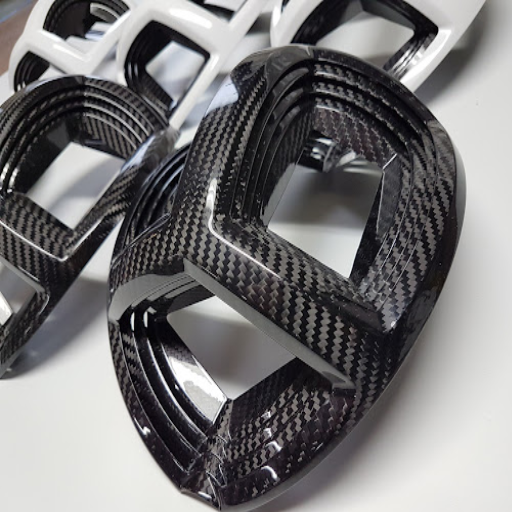
Some prime benefits that make carbon fiber composites indispensable for advanced engineering and manufacturing are as follows:
- Lightweight: Carbon-fiber composites are much lighter than steel or aluminum, enhancing efficiency and reducing the energy consumption of vehicles and aircraft.
- High Strength-to-Weight Ratio: Carbon-fiber composites are very light but strong, bearing great force.
- Durability: These materials are corrosion-resistant, fatigue-resistant, and environment-resistant, securing their long life even under adverse operating conditions.
- Design Flexibility: Carbon-fiber composites can be molded into complex shapes, which lend themselves to innovative and precise designs.
- Energy-efficient: By reducing weight, they help save fuel and lower operational costs in many industries.
With the above benefits in mind, carbon fiber composites are used in aerospace, automotive, sporting equipment, and civil engineering, among other applications.
High Strength-to-Weight Ratio in Carbon Fiber Composites
Carbon fiber composites break new ground in modern engineering and design materials because they have a high strength-to-weight ratio. Up-to-date data reveals that this fiber could have tensile strength of around 500,000 psi while at the same time weighing much less compared to steel or aluminum. A fantastic feature- lightweight yet strong- ensures that structures are durable yet efficient. This property, therefore, benefits the aerospace and automotive industries through reduced fuel consumption and better performance. The use of carbon fiber composites is increasing day by day with manufacturing technologies and design upgrades.
Comparing Mechanical Properties of Carbon Fiber Products
Drawing parallels with carbon fiber products, they range from stiffness-feel-strong-costwise: standard modulus offers versatility, intermediate allows for higher strength, and high modulus pays more for stiffness.
|
Parameter |
Standard Modulus |
Intermediate Modulus |
High Modulus |
|---|---|---|---|
|
Stiffness |
Moderate (33-36 MSI) |
Higher (43-47 MSI) |
Very High (57+ MSI) |
|
Strength |
High (500-700 KSI) |
Higher (800-1000 KSI) |
Moderate (640 KSI) |
|
Cost |
Low |
Moderate |
High |
|
Applications |
General-purpose |
Aerospace, industrial |
Aerospace, precision |
|
Weight |
Lightweight |
Lightweight |
Lightweight |
|
Durability |
High |
High |
Moderate |
What Industries Utilize High-Performance Carbon Fibers?
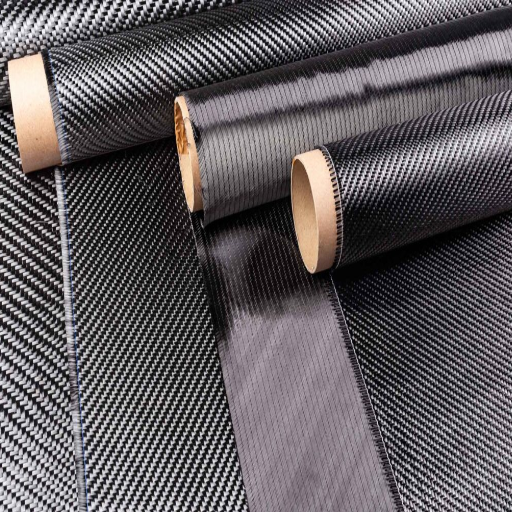
Performance carbon fibers find numerous applications in various sectors due to their strength, light weight, and durability. The following are some of the main sectors:
- Aerospace and Defense: Carbon fiber is used in germane areas of “…”, aircraft structures, satellites, and military equipment for “…ideal performance and weight reduction.”
- Automotive: Used for constructing lightweight body panels and structural components of luxury and performance vehicles.
- Sports: The fibers are used to make sports equipment such as bicycle frames, tennis rackets, and golf clubs, which demand strength yet precision.
- Renewable Energy: The manufacture of wind turbine blades requires the highest strength-to-weight ratio afforded by carbon fibers.
- Industrial Applications: Nitrogen-resistant robotic carbon fiber arms, pressure vessels, and carbon fiber parts for high-performance machinery.
Each of these sectors uses carbon fibers for products that require efficiency, durability, and precision.
Aerospace Applications of Carbon Fiber Composites
Carbon fiber composites have entirely transformed the picture in the aerospace industry, giving them almost unheard-of attributes of strength, lightness, and performance. They are mainly employed in manufacturing aircraft parts, where weight reduction is critical in boosting fuel efficiency and carrying capacity. Being less susceptible to corrosion and fatigue, these materials guarantee that aircraft components enjoy longer operational life and require less maintenance. And further, carbon fiber composites able to withstand extreme heat and stresses become the ideal choice for aerospace applications, notably spacecraft and satellites. With carbon fiber composites onboard, aerospace engineering continues innovating toward safer and more efficient air travel and space exploration.
Automotive Industry: The Role of High-Strength Carbon Fiber
High-strength carbon fiber has undoubtedly changed our automaking industry with its properties of being lightweight yet the toughest alternative available against steel or aluminum. By weighing less, it promotes fuel economy and improves overall vehicle performance; thereby lessening pollution and satisfying the demand placed by customers for high performance. With exceptional strength, carbon fiber also ensures good safety as it absorbs energy during a collision to a large extent. Carbon fiber is leading in the manufacturing of electric vehicles, where weight is a crucial parameter to enhance battery efficiency and range. High-strength carbon fiber enables the automotive sector to leapfrog into significant areas, as it is a perfect confluence of innovation and sustainability.
Industrial Applications of Carbon Fiber Reinforced Materials
Carbon fiber-reinforced materials have been used industrially thanks to their excellent strength-to-weight ratio and resistance to corrosion and weathering. In aerospace, they are used to build lightweight yet strong components, such as a fuselage, wings, or tail assemblies. Carbon fiber is also embedded in sporting equipment like tennis rackets, bikes, and golf clubs to increase performance and longevity. The energy industry uses carbon fiber for wind turbine blades, where the lightweight properties of the material reduce fatigue on mechanical parts and increase efficiency in energy generation. Furthermore, construction and high-performance marine vessel design use carbon fiber composites for infrastructure reinforcement and design towards light weight and robustness, respectively, thereby underscoring carbon fiber’s essential role in modern manufacturing’s engineering constellations.
Reference Sources
- High-strength carbon-fiber reinforced polyamide 6 composites additively manufactured by screw-based extrusion (Li et al., 2022)
- Key Findings:
- Developed a method to additively manufacture high-strength carbon-fiber reinforced polyamide six composites using screw-based extrusion.
- The composites exhibited a tensile strength of 555 MPa, significantly higher than typical 3D-printed polymer composites.
- Adjusting printing parameters such as layer thickness, hatch spacing, and printing temperatures tunes the mechanical strength of the 3D-printed specimens.
- Methodology:
- Prepared carbon-fiber reinforced polyamide six prepreg filament with 40 vol% carbon fiber.
- 3D-printed unidirectional carbon-fiber reinforced polyamide six specimens using the prepreg filament.
- Evaluated the mechanical properties of the 3D-printed specimens and investigated the effects of printing parameters.
- Key Findings:
- Obtaining high-strength carbon fiber based on polyphenylene sulfide by ATL method with laser heating (Dvoryantsev et al., 2023)
- Key Findings:
- Developed a method to manufacture high-strength carbon fiber from polyphenylene sulfide (PPS) using Automated Tape Laying (ATL) with laser heating.
- The carbon fiber composites exhibited high mechanical properties, with a tensile strength of 2712 MPa and an interlaminar shear strength of 75 MPa.
- The composites’ vacuum heat treatment improved the adhesion between the PPS tapes and removed defects, leading to enhanced mechanical properties.
- Methodology:
- Prepared PPS-based carbon fiber prepreg using the ATL process with laser heating.
- Fabricated carbon fiber composite plates using the prepreg and evaluated their mechanical properties.
- Investigated the effects of reinforcement, pressing, and vacuum heat treatment on the composite properties.
- Key Findings:
- Drilling performance of uncoated brad spur tools for high-strength carbon fiber-reinforced polymer laminates (Lin et al., 2021, pp. 1879–1889)
- Key Findings:
- Investigated the drilling performance of uncoated carbide brad spur tools when machining high-strength carbon fiber-reinforced polymer laminates.
- Tool wear significantly impacted the drilling process and the quality of the machined hole wall surfaces.
- The dominant wear mode was abrasion wear, and the uncoated brad spur drills exhibited high resistance to abrasion wear in drilling the high-strength composites.
- Methodology:
- Performed drilling experiments on high-strength carbon fiber-reinforced polymer laminates using uncoated carbide Brad Spur tools.
- Analyzed the tool wear mechanisms and their effects on the thrust force, hole dimensional accuracy, and drilling-induced delamination.
- Key Findings:
- Top carbon fiber cnc machining Parts Manufacturer and Supplier in China
Frequently Asked Questions (FAQs)
Q: What is the flexural strength of high-strength carbon fiber?
A: The flexural strength of high-strength carbon fiber can vary, but it typically ranges from 300 to 600 MPa, depending on the specific type of carbon fiber composite materials used.
Q: How are composite materials made using continuous carbon fiber?
A: Composite materials using continuous carbon fiber combine high-strength carbon fibers with a polymer matrix, such as epoxy. This process often involves layering the fibers to create a strong, lightweight material.
Q: What role does Toray play in carbon fiber manufacturing?
A: Toray is a leading manufacturer of high-performance carbon fibers. They produce various types of carbon fibers, including pan-based carbon fibers, known for their high strength and modulus, which are essential for advanced composite materials.
Q: What is the modulus of elasticity in carbon fiber materials?
A: The modulus of elasticity in carbon fiber materials measures their stiffness and resistance to deformation. High modulus fibers can have a modulus of elasticity exceeding 300 GPa, contributing to their high application performance.
Q: What are the different types of carbon fiber?
A: There are several types of carbon fiber, including high-strength, high-modulus, and intermediate-modulus fibers. Each type has unique properties that suit various applications, like aerospace, automotive, and sporting goods.
Q: How does the fiber production process affect the strength of carbon fiber?
A: The fiber production process, which typically involves spinning polyacrylonitrile (PAN) into filaments and subsequent carbonization, significantly influences the strength of carbon fiber. The quality and alignment of the carbon atoms during production determine the final strength and modulus.
Q: What is the relationship between tensile strength and modulus in carbon fiber?
A: Carbon fiber’s tensile strength and modulus are interconnected; high strength usually accompanies high modulus. This means that materials with higher tensile strength often demonstrate greater stiffness and resistance to deformation.
Q: What are the benefits of using carbon fiber composite materials in engineering?
A: Carbon fiber composite materials offer numerous benefits, including high stiffness, low thermal expansion, and excellent strength-to-weight ratios. These properties make them ideal for applications requiring high performance and durability.
Q: How does the thermal expansion of carbon fiber compare to other materials?
A: Carbon fiber has a low thermal expansion coefficient compared to metals and plastics, making it an excellent choice for applications with critical dimensional stability under temperature changes.
Q: What are the advantages of using high modulus fibers in applications?
A: High-modulus fibers provide significant advantages, such as increased rigidity, reduced weight, and improved resistance to deformation. These features make them particularly valuable in aerospace, automotive, and high-performance sporting equipment.


