When it comes to industries that require the highest performance levels and long-lasting materials, Torlon polyamide-imide (PAI) is one among the few that inevitably surface as a lifeboat. This extreme plastic, without question, is prized for its mechanical strength, thermal barriers, and corrosion resistance, prime features utilized in applications that are not allowed to fail. Nonetheless, there is a caveat with this perspective, in that one may not be able to guarantee the desired results in such violent environments without specialist machining processes that cater to Torlon’s complex nature. This piece discusses PAI machining and some of the breakthrough techniques that help deliver outstanding performance within aerospace, automotive, medical, and other critical industries. Learn how fine artisanship creates, among others, a transformative use of Torlon for advanced operations.
Understanding PAI and Its Unique Properties
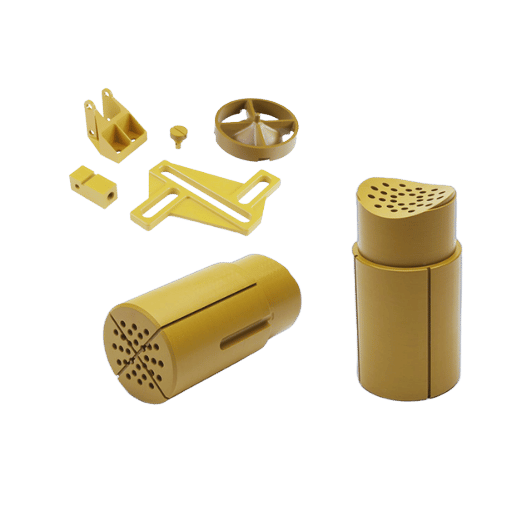
Polymers, including PAI, have numerous strong characteristics and a few weak ones as well. These materials do not get deformed easily, even at high temperatures and in aggressive media. When PAI is processed, it occupies a broad range of materials, namely engineering stress areas such as military use, health sectors, or vehicles. The blend of such properties and their very stiff and stable molecular structures provides PAI and other related materials greater scope than most engineering materials in terms of mechanical and thermal properties.
What is PAI (Polyamide-Imide)?
PAI (polyamide-imide) is a durable polymer that demonstrates superior mechanical properties, can withstand higher temperatures without degradation, and is chemically stable. The polymer is non-crystalline and does not collapse at temperatures much lower than 300°C (about 572°F) or higher, thus predictable even under extreme conditions. More so, as it has very good resistance to wear and a low coefficient of friction, it can operate in such conditions and even under high wear and endurance conditions. It has applications in the aviation, car industry, and electronics industries, where it also holds bearing, sealing, bushing or insulation materials. Because of its high glass transition temperature and excellent dimensional stability, it is usually preferred for applications where great accuracy and dependability are required. The space of polymer innovation constantly expands the range of PAI’s utilization, which further signifies its functional and unique characteristics.
Unique Properties of Torlon PAI
Torlon PAI Ng’ represents an outstanding combination of very good mechanical, thermal, and tribological properties such as high strength and dimensional stability. It also precisely maintains Wei & Wan shapes without any of the aforementioned aspects being compromised, even in high temperatures.
|
Key Point |
Details |
|---|---|
|
Strength |
High tensile/compressive |
|
Wear |
Superior resistance |
|
Thermal |
Stable up to 275°C |
|
Chemical |
Resistant to most chemicals |
|
Dimensional |
Excellent stability |
|
Impact |
High toughness |
|
Friction |
Low coefficient |
|
Creep |
High resistance |
|
Moisture |
Absorbs water |
|
Machinability |
Good with CNC tools |
Benefits of Using PAI in Machining
- Resistant to wearing out: PAI is highly resistant to the process of wearing out, thus it is applicable for elements in continuous friction and mechanical loading.
- Heat Resistance: Having a high temperature of glass transition temperature, PAI keeps its form and function even at elevated temperatures, implying that it will operate well in the most demanding situations.
- Stress Tolerance: PAI has very good dimensional tolerance during loading with mechanical forces and heating, allowing the fabrication of highly accurate and detailed parts.
- Inert to most chemicals: There is little to no risk of the material being degraded by almost any chemical, solvent, or any other known noxious compounds, and as such, it is expected to be durable even in challenging chemical environments.
- Surface Friction Coefficient is Minimum: PAI has very good friction-reducing capability, hence there is no need to use lubricating oils or greases in most of the applications where sliding motion is a necessity.
- Robust with high rigidity: having high mechanical properties and stiffness, PAI is suitable for use in critical components in construction-boosted environments.
- Best properties in electrical insulation: PAI serves as a very good electrical insulator and is most suitable for electrical/electronic applications.
- Long operational period: Due to the wear and tear resistance and its sturdiness, the material provides a long period of operation without frequent maintenance.
These advantages make PAl the most preferable for any heavy-tolerant and efficient PAI machining.
Applications of PAI Machining
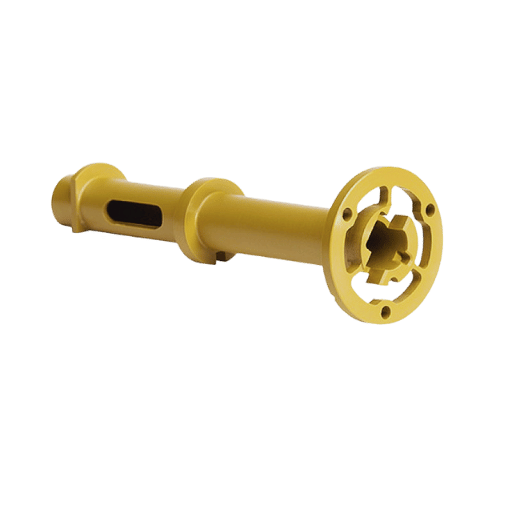
Industrial Applications of Torlon
- Aerospace domain: Torlon is used in aspects such as bushings or thrust washers, seals, etc., for its very high strength per unit weight and temperature withstanding capacity, as well as its toughness for the relevant applications.
- Automotive engineering: For example, it is used in such components as parts of the transmission, bearings, and certain parts of the engine or powertrain, where the product must be resistant to heat and wear out little or not at all.
- Electrical and Electronics: Torlon is a very anchorage material and heat-resistant material; it is used in areas of insulators and connectors as well as performance sockets.
- Oil and Gas Exploration: Due to its high-temperature resistance and the chemically aggressive nature of some of the chemicals in the latter, it is used for making downhole tool components, valve seats, and other similar parts.
- Semiconductor Fabrication: It consists of wafer holders and fixture and their components, which are used in prescriptions where soft parts require dimensional stability and a high level of cleanliness.
- Chemical Engineering: As one of the materials that has strong corrosion resistance, this material can also be used in areas like pumps, valves, and similar other equipment used in handling various types of chemicals.
- Healthcare Industry: Torlon can be used for the production of sterilized devices for such application purposes as abrasive and exhaustive procedures, implantable equipment, and equipment used repeatedly under severe stress due to its ability to withstand certain thermal modeling methods as well as its biocompatibility.
High-Performance Applications of Polyamide Imide Machined Parts
Described as polyamide-imide (PAI), this engineering plastic is sold under the Dudley Moore brand, Torlon, and offers excellent mechanical, thermal, and chemical properties. They have been designed for complex PAI machining applications for industries with asperities beyond which they cannot exist. Some of the fields in common industrial processes that engage PAI parts machining shall be discussed below:
- The Application of PAI in Aerospace and Defense: oSide: The concepts of using or deploying dei innebzheni histotherapy with structural brackets, bushings, and seals, where the parts and dimensions are pronounced on PAI, have always been predominantly used before. The maximum temperature at which these types of PAI parts will work without sustaining damage is 260 degrees Celsius, which is 500 degrees Fahrenheit, and therefore preferred for such applications where durability, real use life imposed with stress on the parts, is very high. Such applications include jet engine components and equipment used by the military.
- PAI in Semiconductor Manufacturing Processes: Dimensional Precision and Low Outgassing of the PAI Material Have Led to Its Selection in the Semiconductor Manufacturing Industry. It finds application in the manufacturing of semiconductor devices in parts that require high precision, such as wafer handlers, insulator parts, and parts meant to operate in vacuum conditions where cleaning is strict. As per the recent expectations, it is even believed that the global market for semiconductor equipment will rise at a rate of 8 percent per year, thus increasing the utilization of high-grade materials such as PAI.
- Performance parts in cars: In modern cars, PAI is used to enhance the performance of cars in all performance cars. For example, for piston rings, thrust washers, and transmission. These performance components are assisted by the high amount of wear resistance from PAI, which reduces friction and lowers fuel consumption. Results from current investigations indicate that these bushings can last for up to 45% longer than other traditional materials due to PAI.
- Oil & Gas sector: The material’s strength against hazard conditions such as pressure, temperature, and corrosivity has enabled PAI machining downhole tools and compressor components for oil drilling work with high usage. As the world energy consumption increases, more operators of oil fields are turning to use PAI components to enhance performance and reduce machine breakdown time.
- For Electrical and electronic Insulation: PAI’s concept of nice dielectric strength combined with high temperature performance offers itself as an ideal material for motorboards, transformers, and electronics, used as incoming conductors. PAI does not change in the context of high heat applications that contribute to enhanced life performance of high voltage insulation products.
The technology of manufacturing machined PAI parts continues to expand the horizons in various sectors, and this growth is assured by their attributes of operating well even in the most trying of circumstances. As more and more people around the world require materials with high performance, PAI will be crucial in the evolution of both technology and industrial production.
Case Studies: Success Stories in PAI Machining
|
Case Study |
Industry |
Application |
Material |
Key Benefit |
|---|---|---|---|---|
|
Deep Space Reliability |
Aerospace |
Telescope parts |
PAI |
High reliability |
|
Satellite Antennas |
Aerospace |
Antenna parts |
Ultem 1000 |
Signal clarity |
|
Aircraft Hydraulics |
Aerospace |
Hydraulic seals |
Torlon PAI |
Weight saving |
|
Space Flight Components |
Aerospace |
Structural parts |
Thermoplastics |
Weight reduction |
|
Downhole Pumps |
Oil & Gas |
Pump bearings |
PEEK XT |
Extended life |
|
CNC ABS Trays |
Manufacturing |
OEM trays |
ABS |
Precision |
|
FR-4 Insulation |
Electrical |
Insulation parts |
FR-4 |
Fast delivery |
Machining Techniques for Torlon PAI
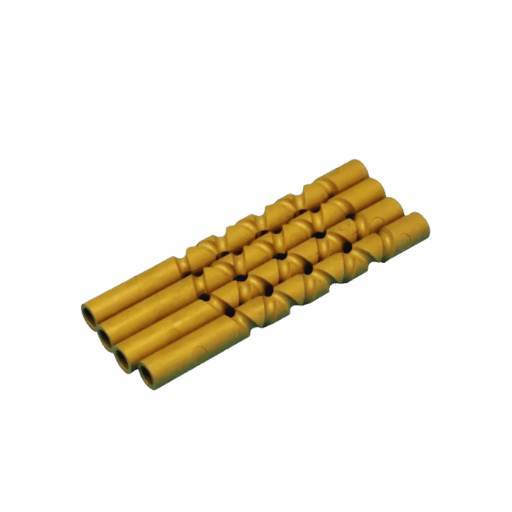
Methods of Working with Torlon Polyamide-imide
What is considered basic information is that, due to its high strength and heat resistance, Torlon PAI is difficult to machine. It is easier to work with in an annealed condition, as this minimizes the build-up of stresses, thereby reducing the chances of cracking. Cutting them with advertising swear words and cutting at slow speeds guarantees a clean and precise cut, also reducing the chance of heat warping the material. To increase the effectiveness of the objective, necessary cooling methods, for instance, air or liquid coolants, machine tools are normally used to control the entropic levels developing within the operation. Using the appropriate fixtures and equipment is important in terms of achieving precision and achieving a good finish.
CNC Milling Among the Advantages for Parts PAI
- High precision: CNC turning provides close tolerance manufacturing of components made of PAI, fit for various demanding applications.
- Repetitiveness: Every part is identical thanks to automation, and thus, CNC milling is particularly useful in projects that require replication of the same design across multiple components.
- Waste reduction: CNC milling maximizes the utilization of PAI by accurate cutting, thus resulting in minimal waste of materials.
- High abstract shapes: CNC machines, on the other hand, have higher capabilities in designing and machining complex shapes that human-driven machine tools cannot make at all.
- Improved Workpiece finish: CNC milling produces very smooth and durable surfaces, end products eliminating the need for most of the other operations.
- Even higher production stages: CNC milling is designed for both prototyping and mass production; hence, it is very diverse, supporting varied projects.
- Shorter Design Cycles: CNC milling process speed and the automation provided considerably slash the production times, thus allowing the fast turnaround of complete PAI parts.
- Incorporation of CAD/CAM Programs: CAD/CAM programs can be used in CNC milling since there is a direct interpretation of the designs to the physical parts.
- Strong Mills: Mills become efficient and strong with the help of carbides [cylinder], coatings applied on them and new techniques of machining harder plastics like PAI.
- Economic Values: The CNC milling has the benefits of cost reduction through the minimization of wastage of materials, mistakes, and the reduction of most manual operations.
Specialized Equipment for PAI Machining
PAI or polyamide-imide machining produces special challenges that cannot be met without high expertise and precision due to properties of the material, like strength, high temperature, or wear capabilities. There are many advantages to CNC milling, chiefly because of its versatility and precision. You should use sharp and strong cutting tools while milling PAI to avoid tool wear and prevent material scarification due to excess heat. It is important to exploit cooling modules for any potential rise in temperature, as well as maintain constant cutting speeds. Using this high technology in machining and with the most advanced techniques of fabrication allows the production of components of excellent quality, meeting the most stringent performance criteria of items made from PAI.
PAI Machining Versus Other Machining Processes
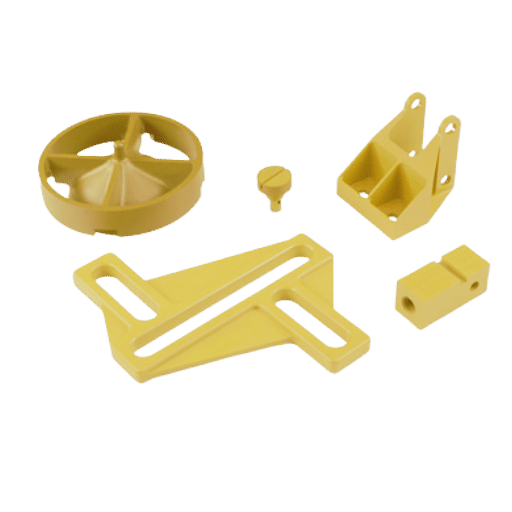
Pros of PAI Machining as Against Conventional Machining Processes
- Features: Between dimensional accuracy and narrow tolerances, PAI machining is more specific, making it an option where precise measurements are crucial.
- Ensured Quality: Such structured process steps ensures less thermal and mechanical stresses while working on the material.
- Flexible: Because of the nature in PAI machining, geometry and a class of fine components that cannot be fabricated by other means can also be machined.
- Achieved Surface Finish: Machining by PAI, which utilizes a high-speed machining process, can produce machined surfaces of good quality such that no further machining is required after the process is conducted.
- Less Scrap: Precision production machining decreases the amount of scrap produced as compared to expensive manufacturing techniques.
- Unconstrained Expansion: Both mockup and fully functional units can be produced successfully by it at a lower expense regardless of how many units are to be produced.
- Capability: All these components manufactured through PAI machining are able to withstand very harsh conditions, such as excessive motion or temperature during use.
- Dynamism: There is a possibility to change the processes and designs accordingly without strain, thus helping in making different products in terms of size, form, and level of patterns.
Cost Effectiveness of Components Machined through CNC Services
Using CNC machining to produce parts or components, most, if not all, production parts are very economical, effective, and practical. As it reduces both material wastage and labor, CNC machining services decrease costs during production while maintaining quality. In addition, its ability to manufacture intricate components in a short period helps to advance cost savings as it facilitates the completion of projects in a shorter timeline. The method is therefore suitable in numerous sectors, like aerospace, the car industry, and medical devices.
Persistent and Well-Performing Qualities: PAI in Comparison with Other Polymeric Materials
In terms of strength, heat resistance, biological wear resistance, and resistance to chemicals, the polyamide-imide represents the most general thermoplastic bearing usable in extremely high temperatures.
|
Parameter |
PAI |
PEEK |
PEI |
PPS |
Nylon |
|---|---|---|---|---|---|
|
Strength |
Very high |
High |
Moderate |
Moderate |
Moderate |
|
Thermal Res. |
Up to 280°C |
Up to 250°C |
Up to 170°C |
Up to 200°C |
Up to 232°C |
|
Wear Res. |
Excellent |
Excellent |
Good |
Good |
Moderate |
|
Chemical Res. |
Excellent |
Excellent |
Good |
Excellent |
Moderate |
|
Cost |
High |
High |
Moderate |
Moderate |
Low |
|
Applications |
Aerospace, Auto |
Medical, Auto |
Electronics |
Industrial |
General |
Challenges in PAI Machining
Common Issues Faced in Machining Torlon
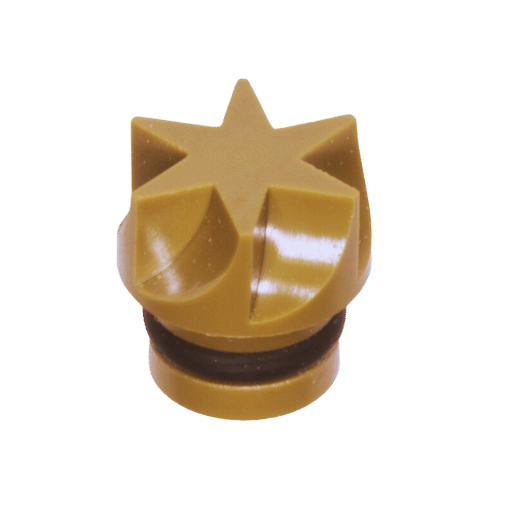
There are common challenges to be solved in the process of pai machining of Torlon. They include intense heat, heated expansion, destruction of tools, appropriate coolants, evacuating chips, and retaining moisture.
|
Key Point |
Details |
|---|---|
|
High Temp |
Causes thermal expansion, affecting tolerances. |
|
Tool Wear |
Abrasive material leads to rapid tool degradation. |
|
Coolant |
Requires non-reactive, water-soluble coolants. |
|
Chip Removal |
Chips accumulate, causing tool damage. |
|
Moisture |
Absorbs moisture, impacting dimensional stability. |
|
Thermal Control |
Essential to maintain precision and prevent warping. |
Strategies to Overcome Machining Challenges
In order to tackle the complexities involved in machining processes, it is essential to implement advanced strategies and exploit the benefits of technology developments. Here are a few effective approaches:
1. Thermal Conductance Management
Incorporate cooling systems that can adjust the temperatures to limit the thermal expansion and tightly secure the component within the workpiece. These systems, including enhanced cooling such as cryogenic or high-pressure systems with coolant, are extremely good at containing thermal stress.
2. Tool Choice and Plating
Blend tools manufactured from carbide, ceramics, or diamond, and hard-coated tools such as titanium nitride (TiN) or aluminum chromium nitride (AlCrN). These tools have a lower tendency of quick wear when used for cutting abrasive materials, therefore, reducing the tendency of quick tool replacement and performance issues.
3 Innovative Systems of Coolants
Deploy inert and soluble types of coolant with high oxidation resistance, as well as non-corrosive cooling aids. Good coolant systems, for example, through the cutting tool, provide lubrication and clear the chip away while also avoiding the buildup of excessive heat at the cutting location.
4. Chip Control
Introduce the use of cutting tools with chip breaker geometries and assist in chip removal. Furthermore, the use of sensors in the detection of chip amassing would be beneficial as this eliminates the possibility of tool or machine breakage.
5. Heat and Humidity Controls for Dimensional Control
Enable humidity and temperature fluctuation control, which is done by controlling the environment. Additional humidity reducing appliances such as dehumidifiers, air conditioners, anti-moisture agents, and air-tight cabinets to store dimensional junior and junior materials can be adopted.
6. Digitalization of the process, advances in sensors, and computerization of equipment
Apply Internet of Things-based systems and electronic sensor cancellation systems to monitor any cultural parameters. The need for babysitting machining processes can be reduced through predictive machine condition maintenance and adjustment, which increases productivity and accuracy.
Consequently, these methods, in combination with the advanced techniques in the present era, let the manufacturers approach the challenges in machining effectively, which enhances the process stability and leads to better quality output.
Future Trends in PAI Machining Technology
According to me, the progress of the pai machining technology is in large-scale automation, simplifying decision making with the help of artificial intelligence, and specifically connected systems such as adaptive machining technology. Models for machine learning will be in use, which are near real-time and are able to predict better results and optimize processes in real time for the best results, decreasing wastage. Moreover, considerably improved tools and coatings will be applied to tool materials specifically made for PAI application. Green machining will also be an important aspect, focusing on machining processes that save power and are environmentally friendly. In summary, those factors will sustain the creation of the highly efficient and ‘intelligent’ PAI machines available in the present market.
Popular Questions on PAI Machining.
Can You Suggest Any Tips and Tricks to Consider While Working with PAI?
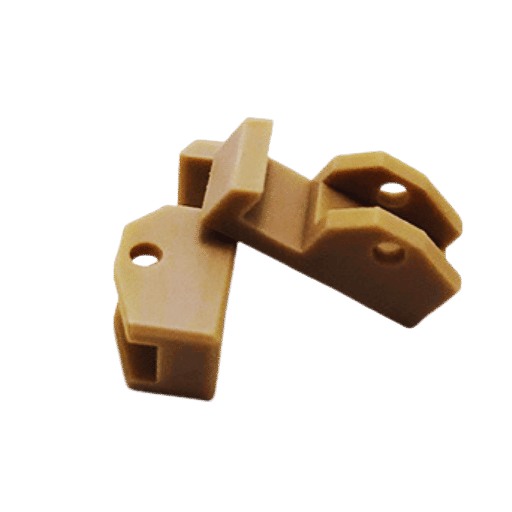
PAI (Polyamide-imide) can be machined under the following good practice guidelines:
- Use Tools with Sufficient Stiffness and Sharpness: Make use of high-grade grade sharp-edged tools to cut down on heat and achieve neat cuts.
- Manage Cutting Speed and Feed: Adjust cutting speed and feed to reduce tool abrasion and avoid damaging the surface.
- Use Coolants Cautiously: During PAI machinability, the regulation of coolants is advised since too much application affects the structural integrity of the material by causing cracks due to thermal expansion.
- Stabilize Workpieces: Use correct fixtures to hold PAI components in place so that they remain stable and free from vibrations during machining.
- Consider Potential Expansion: Take care of the concern of PAI’s heat characteristics, which can result in expansion; utilizing temperature-controlled conditions for machining can address precision-related concerns.
Use of these procedures will keep the processing efficient and accurate without any damage to the material.
How Does PAI Rank Amongst High-Performance Plastics?
Versus the high-performance plastics such as PEEK, PEI, PPS, and PTFE, the PAI (Polyamide-imide) is better in terms of mechanical properties of strength, heat resistance, and even wear resistance; however, the cost and handling are still problems.
Where Can One Secure Machining Services for Torlon PAI?
There are machining services for Torlon PAI available from companies that specialize in working with high-performance plastics and machined components. Try to evaluate the experience of offering precision machining services in companies handling PAI materials. Such sources include companies that focus on advanced polymers, civilizations, and handling plastics that are engineering in nature, for instance, Torlon. One can search for such professionals by using online databases provided by sectoral or material companies.
Frequently Asked Questions (FAQs)
Q: What is Pai plastic, and what is its application for machined parts?
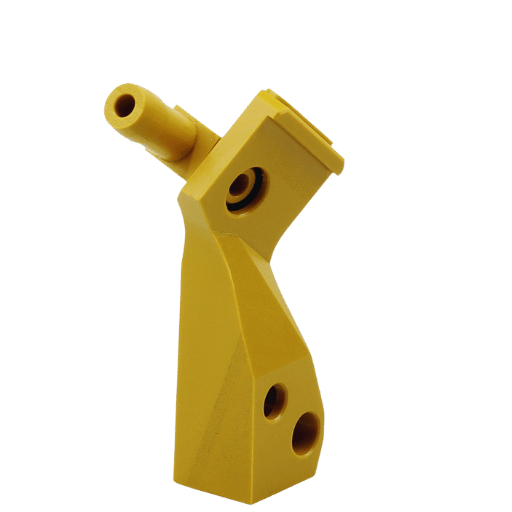
A: Pai (Polyamide-imide) is a type of thermoplastic that has high mechanical strength, more capable than most common plastics to withstand heat, and is not reactive to many chemicals. Thus, it is one of the best materials for the fabrication of various parts, especially in hostile conditions, including the aerospace, automotive, and electronic industries. Additionally, Pai has impressive abrasion resistance and remains dimensionally stable even when subject to elevated temperatures or impactful forces.
Q: To what extent can machined parts made of Pai plastic be customized?
A: Machined parts made from Pai plastic are not restricted in design and size, and can be produced according to the customer’s needs and purposes. This typically involves rescaling, doing creative and complicated forms, meeting the tight tolerances and particular surface finishes, and some other things not mentioned. Such techniques as CNC machining are used in most cases, given the need to achieve precise and dependable results.
Q: What is the durability of Pai plastic machined parts in terms of usage?
A: The joue The Pai plastic parts are quite durable, given their remarkable mechanical characteristics. They can be exposed to high temperatures (as high as 260 °C or 500 °F), endure friction to a certain extent, and high levels of stress without structural fatigue. Besides, their chemical and environmental resistance augments their service expectancy.
Q: How long will it take for the manufacturing of Pai plastic parts?
A: Several elements determine the lead period, such as the designs of the constituents, the number of products ordered, and any sort of other customized items required. The average production lead time is around 2 to 6 weeks. Call the manufacturer to get a precise answer on a case-by-case basis.
Q: Are there any disadvantages to working with Pai plastic machined parts?
A: Even though Pai plastics possess numerous benefits, they sometimes do not work in extremely low temperature applications because the material tends to break. Also, the high price in comparison to ordinary plastics could be an issue for economic projects.
Q: Can other materials be incorporated with Pai plastic in assemblies?
A: Sure. Metals, ceramics, or even other plastics can be joined with Pai plastic to build assemblies. Thanks to precision machining, smooth intersection with other materials becomes possible with due regard to the forces of compatibility in the design.
Q: Do Pai plastic parts adhere to the standards of the industry?
A: Depending on the application, a specific industry standard, such as ASTM, ISO, or perhaps even FDA, can be attached to the production of plastic parts. Contact the relevant manufacturer to verify that your specifications are achievable and accurate.
Q: Am I Able to Access Any More Information or Even Assistance on Technical Matters about the Conductive Pai Plastic Machined Parts?
A: Should you require further assistance, do not hesitate to contact the manufacturer or your supplier within your country. Further consultation with industry sources or provision of materials datasheets can be requested to ensure that Pai plastic is an effective material for the specific application.
Reference Sources
1. Title: Intelligent adaptive optimal control to the planet process with adaptive actor critic on the subject of the promotion of the energy of engineering linked to hunger improvement and time variant tool wear
- Authors: Qinge Xiao et al.
- Journal: Journal of Manufacturing Systems
- Publication Date: April 1, 2023
- Citation Token: (Xiao et al., 2023)
Summary:
- The authors present a novel approach to adaptive optimal control strategies for the machining process using an actor-critic optimization design. This involves constructing a model of the machining process that incorporates changes in tool wear as time progresses, thereby accounting for the tendency to conserve energy in critical readings. The results suggest that the control strategy presented leads to a significant reduction in energy consumption without compromising machining quality.
2. Title: A Review of Digital Twin-Driven Machining: From Digitization to Intellectualizing Processes
- Authors: Shimin Liu and Several other Authors
- Journal: The Journal of Manufacturing Systems
- Date of publication: Published on April 1
- Reference: (Liu et al. 2023).
Abstract:
- This paper reviews the developments of digital twins for the machining industry over the years, focusing on its benefits for the improvement of manufacturing via gadgets and machines, on the other hand, human processes. The authors explore digital twin applications in machining for various purposes, such as predicting failures during maintenance or optimizing processes. The review stresses the necessity to combine digital twin with the IOT and AI technologies in order to enhance manufacturing processes as well as their management.
3. Title: Construction of a Trustworthy Modeling Approach of Machining Systems Based on DyC: A Flexible and Scalable Rating Network Strategy
- Author(s): Shimin Liu et al.
- Publication in: The Journal of Manufacturing Systems
- Date of Publication: 01/01/2022
- Reference (citation) Token: (Liu et al., 2022)
Discription:
- In the paper, there is the offering of a model-based do hypothesis this time for the DST systems. The approach adopted includes the development of this Digital Frame and an integrated assessment of reliability in mechatronic systems. With the proposed model, improved precision in performance evaluation is achieved, enhancing machining process optimization.
4. Plastic