


Top 15 Aerospace Machining Companies to Watch in 2025: Updated List
The aerospace sector stands as the crown jewel of technologically advanced industries, demanding unparalleled precision in every component. As aircraft and defense systems evolve with cutting-edge technologies, the requirements for machining services must reach the finest standards. This comprehensive guide explores the top aerospace machining companies that have distinguished themselves in the art of precision manufacturing.
Industry Pillars
- ✈️ Foundation of Aerospace Excellence: These companies serve as pillars within the aerospace industry
- 🚀 Innovation Drivers: They are the prime force behind innovations and the development of new technologies
Introduction to Aerospace Machining
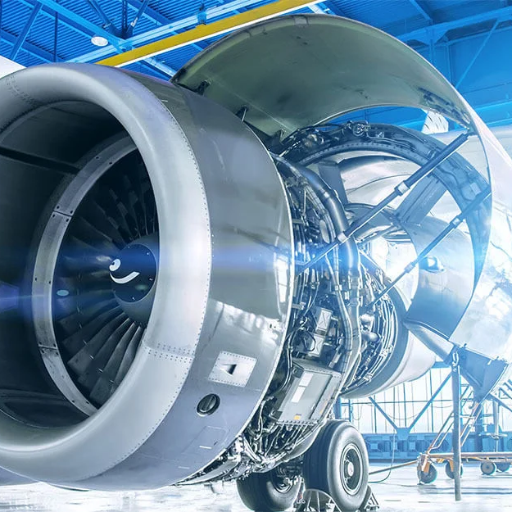
The Importance of Precision in Aerospace
In aerospace manufacturing, tolerance matters to a critical degree where even the slightest failure can create a ripple effect, impacting both performance and safety of the aircraft. Precision components within aerospace equipment require specially manufactured parts that meet exacting specifications.
Critical Standard: Components machined from hard alloys and conductive and non-conductive metals must be produced to the highest standards for specification accuracy and safety in critical structures. With computer-controlled cutting and enhanced machining centers, achieving these objects to a high degree of accuracy has become increasingly achievable.
Role of Aerospace Machining in Innovation
The role of aerospace machining in sector innovation and development cannot be overemphasized. Advanced technologies and efficient manufacturing processes stand among the core competencies of aerospace manufacturers. The integration of CNC machining with automation and AI has revolutionized machining efficiency, enabling the manufacture of complex aerospace parts.
Technology Integration
CNC machining combined with automation and AI enhances efficiency and enables complex designs
Material Innovation
Aerospace machining companies introduce new materials and processes for critical components like turbines and gears
Overview of the Aerospace and Defense Sector
The aerospace and defense industry ranks among the most diverse and versatile sectors, encompassing activities from designing and manufacturing to assembling commercial aircraft and defense systems. This industry depends heavily on high-precision engineering and machinery for manufacturing components and assemblies.
Quality Standards: Companies in this industry must operate in strict adherence to ISO standards and certifications to ensure optimal quality for clients. The supply of components for defense and aerospace systems development is enhanced through collaboration with established aerospace machining companies, including partnerships with renowned manufacturers like Boeing.
Criteria for Selecting the Top Aerospace Machining Companies
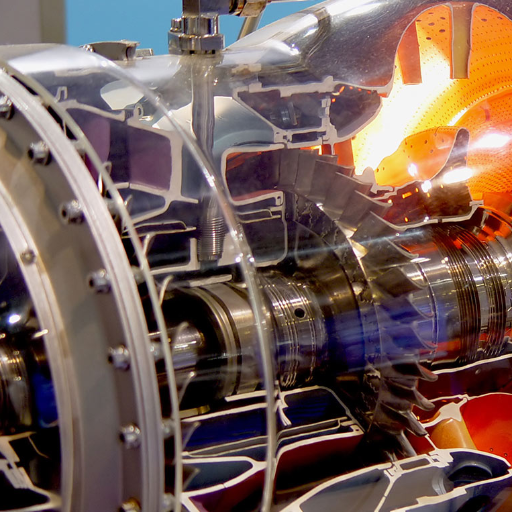
Technological Expertise and Capabilities
Aerospace machining companies require a high level of skill and competence when adopting specialized techniques. The best candidates demonstrate state-of-the-art CNC machining capabilities and other advanced machining operations.
Key Technological Factors
- ⚙️ Aerospace Tooling Excellence: No compromise when it comes to high-precision parts manufacturing
- 🔧 Advanced Machinery Access: Best technology available today provides an extra boost to machine shop efficiency
Such proficiency is vital for satisfying aerospace engineering requirements and maintaining competitive market positioning.
Industry Reputation and Certifications
Reputation and certifications are crucial in the aerospace sector, demonstrating a company’s trustworthiness and adherence to quality standards. The most prestigious aerospace machining companies hold highly coveted ISO certifications that ensure compliance with the highest quality standards.
| Reputation Factor | Significance |
|---|---|
| Historical Excellence | Provision of consistently excellent machined parts and assemblies for aerospace and defense purposes |
| Strategic Partnerships | Joint ventures or partnerships with long-established aerospace giants such as Boeing |
Innovation in Machining Processes
Aerospace machining companies are evaluated on their innovation capabilities. The machining practices of the most progressive firms continually evolve to achieve greater efficiency. Industry front-runners work with new and complex materials, such as advanced alloys that require specialized machining techniques.
Innovation Highlights
These companies incorporate automation with CNC machining and AI operations to streamline machine building processes and minimize errors. New approaches to machining facilities, especially in turbine and gear manufacturing, are invaluable to the aerospace industry and contribute significantly to industry advancement.
Profiles of the Top 15 Aerospace Machining Companies
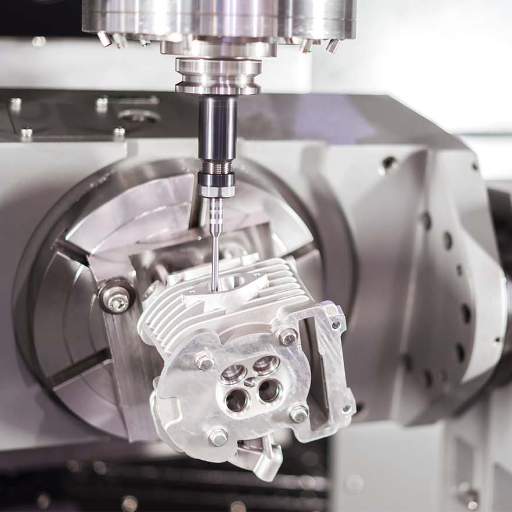
1
Baetro
| Year Founded | 2010 |
| Official Website | Baetro |
Introduction: A leading CNC machining service provider based in Kunshan, China, specializing in precision machining for aerospace, automotive, and medical industries.
Main Products: CNC milling, CNC turning, EDM, surface grinding, sheet metal fabrication, and rapid prototyping.
✓ Key Advantages
- Advanced 3-axis, 4-axis, and 5-axis machining technologies
- Cost-effective solutions with savings of 20-50%
- ISO 9001 certification and rigorous quality assurance
✗ Key Disadvantages
- Limited information on specific aerospace projects
2
VMT CNC
| Year Founded | 1998 |
| Official Website | VMT CNC |
Introduction: Specializes in precision CNC machining with advanced equipment and a professional technical team.
Main Products: Aerospace CNC machining parts with high precision and stability.
✓ Key Advantages
- High-quality precision machining
- Strong customer reputation
✗ Key Disadvantages
- Limited details on specific aerospace applications
3
Xometry
| Year Founded | 2013 |
| Official Website | Xometry |
Introduction: An AI-based on-demand manufacturing platform offering precision CNC machining services for aerospace.
Main Products: Custom aerospace components with real-time quoting and ordering.
✓ Key Advantages
- Vast manufacturing network
- Fast and reliable services
✗ Key Disadvantages
- Limited information on specific aerospace certifications
4
3D Hubs
| Year Founded | 2013 |
| Official Website | 3D Hubs |
Introduction: An online manufacturing platform providing access to a global network of manufacturing partners.
Main Products: 3D printing, CNC machining, and other manufacturing services.
✓ Key Advantages
- Diverse manufacturing methods
- Global reach
✗ Key Disadvantages
- Limited focus on aerospace-specific needs
5
RapidDirect
| Year Founded | 2015 |
| Official Website | RapidDirect |
Introduction: Offers fast and reliable CNC machining services for various industries, including aerospace.
Main Products: High-quality precision parts.
✓ Key Advantages
- Efficient production capacity
- Excellent product quality
✗ Key Disadvantages
- Limited details on aerospace-specific projects
6
Boeing
| Year Founded | 1916 |
| Official Website | Boeing |
Introduction: A global leader in aerospace manufacturing, including precision machining for aircraft components.
Main Products: Aircraft engines, fuselages, and wings.
✓ Key Advantages
- Advanced machining technology
- Strict quality control
✗ Key Disadvantages
- High costs associated with services
7
Airbus
| Year Founded | 1970 |
| Official Website | Airbus |
Introduction: Europe’s largest aerospace company, focusing on innovative machining and process optimization.
Main Products: Aircraft components and systems.
✓ Key Advantages
- Technological innovation
- Reliable machining services
✗ Key Disadvantages
- Limited focus on small-scale projects
8
GE Aviation
| Year Founded | 1917 |
| Official Website | GE Aviation |
Introduction: A leading aircraft engine manufacturer with advanced machining capabilities.
Main Products: Aerospace engine components.
✓ Key Advantages
- High-quality machining technology
- Strong industry reputation
✗ Key Disadvantages
- High costs for custom solutions
9
Pratt & Whitney
| Year Founded | 1925 |
| Official Website | Pratt & Whitney |
Introduction: Renowned for its aerospace component machining and engine manufacturing.
Main Products: Aircraft engines and components.
✓ Key Advantages
- Rigorous testing and quality assurance
✗ Key Disadvantages
- Limited focus on non-engine components
10
Rolls-Royce
| Year Founded | 1906 |
| Official Website | Rolls-Royce |
Introduction: A British leader in aircraft engine manufacturing and aerospace machining.
Main Products: Engine components and systems.
✓ Key Advantages
- Advanced machining technology
- Personalized services
✗ Key Disadvantages
- High costs for specialized services
11
Precision Castparts Corp. (PCC)
| Year Founded | 1953 |
| Official Website | PCC |
Introduction: A global leader in aerospace component manufacturing.
Main Products: Components for commercial and military aircraft.
✓ Key Advantages
- High-quality machining
✗ Key Disadvantages
- Limited focus on small-scale projects
12
Triumph Group
| Year Founded | 1993 |
| Official Website | Triumph Group |
Introduction: Specializes in aerospace components, including engine and fuselage parts.
Main Products: Aircraft interiors and structural components.
✓ Key Advantages
- Diverse product offerings
✗ Key Disadvantages
- Limited focus on rapid prototyping
13
Spirit AeroSystems
| Year Founded | 2005 |
| Official Website | Spirit AeroSystems |
Introduction: Focuses on manufacturing aircraft fuselage and wing systems.
Main Products: Fuselage and wing components.
✓ Key Advantages
- Strong machining capabilities
✗ Key Disadvantages
- Limited focus on engine components
14
Intrex Aerospace
| Year Founded | 1985 |
| Official Website | Intrex Aerospace |
Introduction: Provides high-precision machining for aerospace and defense industries.
Main Products: Aerospace components and systems.
✓ Key Advantages
- ISO 9001 and AS9100 certifications
✗ Key Disadvantages
- High costs for precision requirements
15
Cox Manufacturing
| Year Founded | 1956 |
| Official Website | Cox Manufacturing |
Introduction: Specializes in Swiss screw machining for aerospace applications.
Main Products: Precision machined parts for military and passenger aircraft.
✓ Key Advantages
- Scalability for large production runs
✗ Key Disadvantages
- High costs for small batches
Emerging Trends in Aerospace Machining
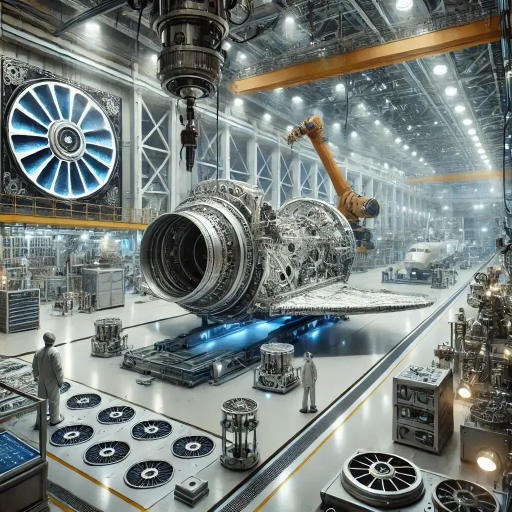
Advancements in Materials Science
New perspectives in materials science are reshaping the aerospace machining sector, offering significant improvements to machining capabilities. The introduction of modern alloys and metals has transformed the manufacturing of aerospace components, delivering better strength-to-weight ratios and extended service life—essential qualities for high-performing aerospace structures.
Material Innovation Impact: Aerospace machining companies can now machine components that meet rigorous standards for the most demanding applications in the aerospace and defense industries as new materials continue to emerge and evolve.
Role of Automation and Artificial Intelligence
Aerospace machining companies are transforming their industrial processes by implementing machine automation and robotic technologies, ensuring high precision and profitability in manufacturing. Artificial intelligence has been purpose-built for CNC machines, dramatically reducing input processing time and operational adaptation periods.
Automation
Minimizes personnel intervention while ensuring commercial viability
AI Integration
Enhances CNC machine processing and operational adaptation
Productivity
Pushes aerospace sector toward more innovative, more affordable manufacturing
Sustainability in Machining Processes
The concept of sustainability has introduced a critical dimension to aerospace machining companies, as they strive to minimize environmental impact while maintaining the highest quality standards. Green methods such as using low-energy CNC machines and recycling scrap materials are becoming industry norms.
🌱 Sustainable Practices in Focus
- ♻️ Resource Conservation: Techniques to produce aircraft that consume fewer resources
- 🗑️ Waste Reduction: Producing less waste through optimized manufacturing processes
- 🌍 Environmental Responsibility: Supporting industry-wide revolution toward environmental responsibility
Conclusion: The Future of Aerospace Machining
Summary of Key Points
The aerospace machining sector exemplifies unwavering commitment to accuracy, creativity, and impeccability. Top aerospace machining companies drive the industry forward through their technical capabilities, adherence to reliable standards, and cutting-edge practices. These organizations advance machining capabilities by focusing on materials science, automation, and sustainability, ensuring that high-quality aerospace components meet the demanding needs of the aerospace and defense industry.
🎯 Key Takeaways
- Precision Excellence: Aerospace machining demands the highest standards of accuracy and quality control
- Innovation Leadership: Top companies continuously push boundaries in technology and materials science
- Sustainability Focus: Environmental responsibility is becoming integral to modern aerospace manufacturing
- Future-Ready: Automation and AI integration are reshaping the industry landscape
The Impact of Top Companies on Industry Innovation
Aerospace machining companies rank among the most influential enterprises in technological development. Their assistance has proven indispensable in developing new techniques and technologies in mechanical engineering, including the use of super alloys and innovative CNC machining processes. Working with prominent aerospace manufacturers such as Boeing enables these companies to develop their machining operations further to meet stringent requirements. By enhancing product quality and customer satisfaction, they maintain a competitive advantage in the aerospace industry.
Implications of Future Trends for Stakeholders
New developments in aerospace machining center on advances in materials, automation, and sustainability, creating both opportunities and challenges for various stakeholders. Aerospace machining companies must trace these trends to align their services with the evolving needs of the aerospace sector.
Strategic Priorities for Success
Aviation manufacturers and aerospace suppliers must embrace new technologies, systems, and appropriate mechanisms to keep pace with industry developments. This adaptation will be key to ensuring the aerospace industry remains active and continues to provide innovative, high-quality services for future defense and aerospace operations.
The aerospace machining industry continues to evolve at a remarkable pace, driven by technological innovation, sustainability imperatives, and unwavering commitment to precision excellence. As these top 15 companies demonstrate, the future of aerospace manufacturing lies in the perfect balance of advanced technology, quality standards, and environmental responsibility.


