


The manufacturing sector has undergone further evolution in recent times, with CNC machines at the center of precision engineering. Or, in simpler terms, steel CNC milling machines have been widely adopted in various manufacturing industries, including aerospace, automotive, construction, and medical device fields. The blog provides a comprehensive understanding of the advanced capabilities of CNC machines, their key attributes, various applications, and the technical advancements that have driven their modern evolution. Whether you are a professional engineer or someone who wants to investigate CNC machining possibilities, this guide will show you how steel CNC milling machines are modernizing production processes while setting new standards in efficiency and accuracy.
Introduction to CNC Machines
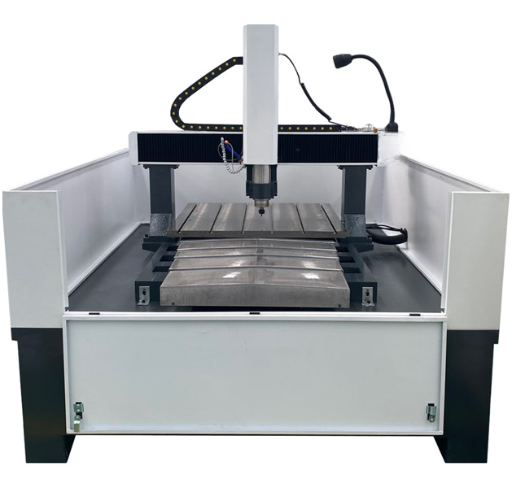
CNC (Computer Numerical Control) machines are engineered machining tools that operate according to pre-programmed software in the machine controller. Hence it gives accurate and efficient part manufacture by using digital instructions that guide the tool and material movements. CNC machines are commonly used in industries such as aerospace, automotive, and healthcare because they can work fast and reliably while delivering consistent results. They are indeed a modern manufacturing process, thereby saving time through process integration and reduction of mistakes.
What is a Steel CNC Machine?
A Steel CNC machine is a specialized computer numerical control machine designed to work exclusively on steel, one of the strongest and most workable materials used in manufacturing. These machines are engineered with the strength and toughness of steel in mind, making them suitable for manufacturing parts and components for very few industries such as construction, automotive, or heavy machinery. Steel CNC machines are equipped with high-power spindles, sturdy cutting tools, and advanced cooling systems, enabling them to work with utmost precision and efficiency on abrasive materials. The operations they perform include, but are not limited to, cutting, drilling, milling, and turning with great accuracy and repeatability. By producing parts and components automatically, steel CNC machines also reduce wastage of raw material, increase production speed, and maintain quality standards all through the time.
History and Evolution of CNC Technology
Dating back to the late 1940s or early 1950s is the history of CNC (Computer Numerically Controlled) technology with the development of numerical control (NC). The term NC was first conceived by John T. Parsons while trying to find ways of automating and improving the precision of manufacture through the use of punched cards to control machine movements. This first generation of inventions marked the beginning of automation in machining, as opposed to manual methods.
The 1960s witnessed CNC systems that incorporated computers for enhanced functionality and flexibility, thus replacing punchtape with digital programming. It was through the interfacing of computer technology that real-time adjustments could be made, enabling faster operation and production, as well as the implementation of more complex designs. Thus, the standardization of programming language for CNC machines, i.e., G-code, further brought a revolution to the industry during this time.
Throughout the 1970s and 1980s, CNC machines underwent further development, becoming more reliable and accessible across various industries, including aerospace, automotive, and beyond. The say-so of introducing CAD (Computer-Aided Design) and CAM (Computer-Aided Manufacturing) software in the manufacturing workflow was to streamline work through easy design-to-production conversion.
Today, CNC technology continues to evolve, featuring innovations such as 5-axis machining coupled with IoT (Internet of Things) connectivity and AI integration. Thus, they become highly precise and efficient automated systems that stand as the basis of modern manufacturing.
Types of CNC Machines and Their Functions
CNC machines include milling machines, lathes, routers, plasma cutters, laser cutters, grinders, and EDM machines, each designed for specific tasks in manufacturing and machining processes.
Exploring Steel CNC Milling Machines

Steel CNC milling machines are highly specialized tools designed for precision machining of steel parts. Work material is removed from a steel workpiece by cutting into it with a rotating cutting tool. With an extraordinary level of accuracy and flexibility, these machines are capable of holding complex geometries and maintaining tight tolerances in steel milling. Milling steel generally requires powerful machines with high spindle speeds and rigid construction to handle the material’s hardness. The tool needs to be aided by cooling and cemented carbide or coated tools if we intend steel work to enhance life and performance.
Components of a Steel CNC Milling Machine
Spindle
The rotating component of the milling machine responsible for holding and driving the cutting tool.
Cutting Tool
Specialized tools made of carbide, or with coated tips, designed for steel cutting operations with high precision.
Work Table
One very sturdy platform on which the steel workpiece is clamped during milling.
Tool Changer
An automatic tool change system that allows rapid tool change during various operations.
Controller
The computer system that takes CNC programming and accordingly controls the machine’s operations.
Coolant System
The system delivers coolant to the point of cutting, reducing heat and friction.
Drive Motors
These motors move the various parts of the machine such as the spindle and the axes.
Linear Guideways
Tracks that facilitate the precise movement and positioning of the machine’s axes.
Chip Removal System
Systems for removing metal chips produced during milling, conveyors, or vacuums.
Frame/Structure
The rigid and stable foundation supporting the whole milling machine to eliminate vibrations and ensure accuracy.
How CNC Milling Machines Work
Through a combination of software command control and mechanical motion that defines the very mechanism of action, CNC milling machines operate. The process begins with a CAD model or drawing, created by engineers or designers, that is converted into a CAM file. The CAM program generates the G-code, a language read by a CNC machine to direct slicing and movement operations within the machine.
After the program has been downloaded into the controller, the process begins with precise execution of the instructions. Motors move the cutting tool and drive systems along paths to cut, drill, or shape the workpiece. Sensors provide feedback to monitor the machining process and carry out compensations, if necessary, for factors such as cutting force and tool wear. Hence, a combination of precise software programming and strong machine components enables CNC milling machines to manufacture very accurate, complex parts with the most incredible consistency.
Advantages of Using Steel CNC Milling Machines
- ✓ Durability and Strength
Steel CNC milling machines are heavy-duty units designed to withstand heavy workloads and resist wear, making them ideal for processing hard materials and enduring long-term use. - ✓ High Precision
They provide precision to an incredibly high degree in the manufacture of complex and detailed parts, these machines maintain consistency of quality and abide by tight tolerances. - ✓ Flexibility
Steel CNC milling machines can process a wide range of materials, including metals, plastics, and composites, making them suitable for use across various industries. - ✓ Time-Efficient
Steel CNC milling machines give cost-effectiveness to labor while providing utmost productivity due to advanced options for automation and highest speed of production. - ✓ Maintenance-Less
Steel CNC milling machines operate in a harsh environment and are constructed with a sturdy build, requiring low maintenance that enhances performance and reduces downtime.
Steel CNC Machines in Metal Fabrication
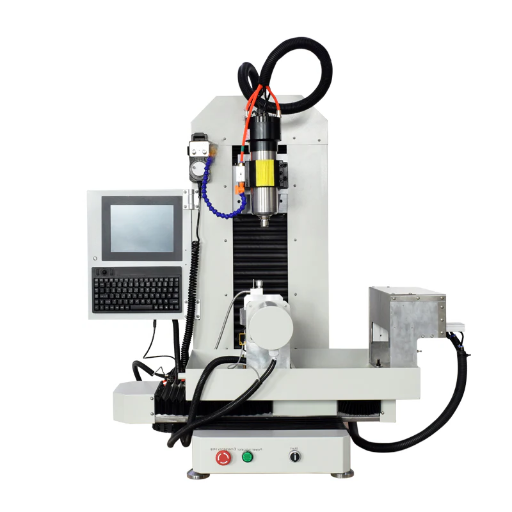
For metal fabrication, steel CNC machines fulfill a critical role due to their unparalleled precision and consistency when cutting, shaping, and drilling metal parts. It is a highly versatile tool; the CNC machine may take into account a range of materials to provide sufficient efficiency and quality to the production process, along with lessening wastage and labor cost. They, therefore, enjoy a special position in modern manufacturing.
Applications of Steel CNC Machines in Various Industries
Automotive Industry
The steel CNC machines are used to manufacture precise automotive parts such as engine parts, gears, and chassis elements so they perform well and last under adverse conditions.
Aerospace Industry
These CNC machines produce complex, high-strength components for airplanes, including turbine blades, structural supports, and landing gear parts.
Construction Industry
CNC machines fabricate steel beams, supports, and custom metal fixtures necessary for large-scale construction projects.
Medical Industry
They are employed in the manufacture of surgical instruments, prosthetics, and other medical devices, where extreme precision and reliability are of utmost importance.
Electronics Industry
These CNC machines fabricate metal cases and parts for circuit boards and connectors, which are necessary for the production of electronic devices.
Benefits of CNC Machines for Cutting Steel
- High precision and accuracy
CNC machines offer high precision, enabling the production of designs with extremely minute errors. - Consistent Production
Fully programmed CNC machines always produce identical parts each time ensuring uniform production and large-scale production. - Better Use of Materials
They generate cutting patterns that minimize waste production and optimize the use of raw materials. - Time-Effective
CNC machines significantly reduce the time consumed by actual cutting by automating the process and eliminating the need for human intervention. - Versatile
The ability to work with various materials and different designs makes CNC machines suitable for a wide range of cutting jobs.
High Precision and Efficiency in Steel Machining
In fact, these are the various CNC machining machines that help make proper precision and efficiency in steel machining. They enable accurate cutting, which is consistent with components manufactured to exact specifications. They also bring in error minimization and greater productivity, which shrink lead time, through applications of complex processes. Being versatile, CNC machines are ideal for a wide range of manufacturing activities, from the production of complexly designed parts to mass production, while maintaining high quality and uniformity. Furthermore, minimizing material waste also makes operations cost-efficient.
Technological Advancements in Steel CNC Milling

This text describes the recent advances in CNC milling of steels, focusing on increased efficiency, enhanced precision, and greater versatility. Multi-axis machining, for example, can manufacture complex geometries with higher degrees of accuracy. In conjunction with this, there is software that integrates design modeling and simulation into the development stage, preceding actual production. New cutting tools featuring advanced material technology, such as carbide and coated alloys, offer increased wear resistance, enhancing performance during operations. On the other hand, processes can be improved through automation and AI, as tasks can now be monitored in real-time without intervention from a human operator; thus, it ensures high production rates at low costs.
Latest Innovations in CNC Technology
5-Axis CNC Machining
This technology enables simultaneous movement across five axes and can be used to manufacture highly complex and precise components. It eliminates multiple setups; hence it saves time and increases accuracy.
Internet of Things (IoT) Integration
With CNC machines connected through the internet, operators can especially watch performance data to identify problems practically in real-time of day, thereby improving operational efficiency.
Adaptive Machining
Sensors and AI enable adaptive machining, allowing the CNC system to dynamically modify machining parameters during operations to maintain expected consistency and accuracy, even when facing material irregularities.
Hybrid Manufacturing
A combination of CNC machining with additive manufacturing, such as 3D printing, enables hybrid systems to achieve unmatched design flexibility and production efficiency for complex parts.
Smart Automation
Workflows are streamlined because robots and automated systems perform tool changes, part loading, inspection, and setup, at least quadrupling turn-around time.
The Role of Automation in Steel CNC Machining
Automation has enabled a revamp in steel CNC machining, aiming to increase efficiency, precision, and speed. Through integration with automated technologies such as robotic arms and sensors, manufacturers ensure consistent quality while eliminating human errors and misjudgments. Automation supports non-stop production, reducing downtime and increasing throughput, thus essential for meeting the burgeoning demand of industries for steel components. Advanced AI and machine learning-based applications enable innovative automation systems to analyze the machine’s performance, predict maintenance needs, and optimize usage, thereby ensuring the long-term sustainability of operations. The marriage of automation and CNC machining not only makes complicated processes smoother but also prepares manufacturers to compete in the rapidly changing industrial environment.
Future Trends in CNC Milling Machines
CNC milling machines’ future is being shaped and formed by developments in technology and ever-changing industry requirements. A significant trend is the emergence of IoT and smart sensors, which enable real-time data monitoring and connectivity between machines, leading to improved performance and predictive maintenance. Another trend that has gained prominence is the adoption of AI and machine learning, rendering machining processes increasingly autonomous, as systems now direct themselves for efficiency and precision. Finally, innovations in 5-axis CNC machines are continually increasing in versatility to a level that few can rival in producing complex geometries, and they are undoubtedly indispensable in the aerospace, automotive, and medical fields. Such trends are keeping CNC milling machines at the forefront of modern manufacturing.
Selecting the Ideal Steel CNC Machine

The first thing you may want to check while choosing the best steel CNC machine might be the spindle power, the precision levels, or even by the durability itself. Consider the types of steel you will be machining and verify if the machine can handle such hardness. An advanced cooling system, high feed rates, and rigorous building practices rank as key features in maintaining accurate and efficient machining. Additionally, the machine should be compatible with modern software used for optimized programming and workflow integration. Choosing a machine based on these specifications and your manufacturing requirements should help you select the right one.
Factors to Consider: Material Type and Production Volume
Materials and volume are the two crucial factors for efficiency and, most importantly, into your plan choice when it comes to selecting the best steel CNC machine.
Material Type
The type of steel you intend to work with significantly influences your choice. Different steel grades, such as carbon steels, stainless steels, or tool steels, require varying degrees of hardness and thermal resistance from a CNC machine. Machines with heavy spindles and torque, along with a cooling system, will be suitable for hard steels, thereby limiting wear and increasing machine life. Tooling specially adapted for steel machining will certainly enhance performance and accuracy.
Volume
The production volume determines the size and features of the CNC machine you require. For low- to medium-production volumes, small machines can provide adequate performance while being reasonably priced. For high-production needs, large machines reasonably installed to auto features like tooling changers and pallet systems will yield higher output with minimized downtime. It is hence essential that the rated capacity of a machine be matched to the production needs to ensure constant efficiency and cost-effectiveness.
Budgeting for Your CNC Investment
While budgeting for a CNC machine, a delicate balance between Cost and performances must be struck. Begin by analyzing your production needs to avoid paying for a feature that you won’t use. Concentrate on machines that deliver the performance necessary for your applications-and nothing more.
Furthermore, keep in mind that the costs of ownership account for maintenance, tooling, software, and operations all of which may affect the long-term value. Select those that have an energy-efficient design and whose spare parts can be easily sourced to minimize operating expenses. Finally, if the immediate price is beyond your means, then consider leasing or financing options. Meticulous planning will guarantee you buy a machine that is cost-effective yet productive.
Best CNC Machines for Hobbyists vs. Professionals
Choosing a CNC machine means that selection of the right model depends entirely on your experience, budget availability, and intended application. For the hobbyist, a small-scale and easy-to-use machine such as Bantam Tools Desktop CNC Milling Machine and Carbide 3D Shapeoko 4 will do well. These are inexpensive, easy to set up, and come with software that is simple to understand, making them perfect for youngsters who want to create their own small projects or experiment with various materials.
For the professionals, they are machines for extra precision and versatility such as the Tormach 1100MX and the Haas Mini Mill, which can be really durable and productive. In fact, they can carry out more complex operations, produce on a larger scale, and handle various types of materials efficiently. What upsets professionals is the high price, but the high-end features and sturdy build make it worthwhile for industrial settings and demanding applications.
Either hobbyists or professionals, they should aim to select machines that are relevant to their specific project, skill level, and future needs to increase productivity and value.
Reference Sources
- Understanding CNC Machines: How They Work and What You Need to Know
This source discusses advancements in CNC technology, including multi-axis machining and high-speed spindles. - Understanding CNC Milling: Process, Applications, Pros & Cons
A comprehensive guide to the CNC milling process, its applications, and its impact on industries. - Types and Advantages of CNC Machines
This article explains the types of CNC machines and their advantages in manufacturing. - Exploring the Best Desktop CNC Milling Machines
A detailed exploration of desktop CNC milling machines, including popular models and their features. - The Future of CNC Machining: 2025 and Beyond
Insights into how CNC machining is shaping the future of manufacturing with precise and complex part production.
Frequently Asked Questions (FAQs)
What is a CNC machine used for in metalworking?
In metalworking, CNC machines offer precise cutting, shaping, and engraving of material, including steel and other metals. It automates the machining process, ensuring uniform output and high productivity. It is thus suitable for both small-scale and large-scale production from a variety of materials.
What are the advantages of choosing a CNC plasma cutter?
A CNC plasma cutter brings together speed and precision for cutting steel and non-ferrous metals. It proves to be a highly efficient metal-cutting tool, capable of handling a wide range of thicknesses and shapes. The CNC automation provides absolute consistency in cuts, enhancing the quality of the product being made.
What is the difference between a CNC router and a CNC mill?
CNC routers are generally for softer materials, such as plastic and wood, whereas CNC mills are for harder materials, such as steel. Typically, CNC mills have a robust structure and can execute heavy cuts, making them more suitable for use in metalworking operations.
What kind of tooling can be used with CNC machines?
CNC machines can utilize various types of tooling, including end mills, drill bits, and specialized cutters. The tooling depends on what is being cut and the required finish; for metal cutting, high-speed end mills and tooling specifically designed for CNC use are best suited.
How does CNC technology help manufacturing technology?
CNC technology has significantly enhanced manufacturing capabilities in terms of machining, providing precise, repeatable, and efficient processes. Complex toolpaths can be programmed with it; thus, human error is reduced and so is the ability to create intricate designs and prototypes quickly and at a low cost.
Is it possible to engrave with CNC machines?
Yes, CNC machines can indeed be used for engraving work. CNC routers and mills can produce finely detailed engraving into numerous materials, including metals and plastics, when used with proper software and tooling, providing a splendid opportunity for both artistic and industrial applications.


