


Manufacturing industries are undergoing rapid changes due to innovations in automation and precision technology. At the forefront of this evolution is Commercial CNC, which now acts as a key changer in industrial applications. Cyber-controlled machines are causing a metamorphosis in the industries: increased productivity and less human error, complicated designs, and scalability. This blog shall discuss how Commercial CNC is shaping the future of manufacturing, the benefits that go along with it, and trends a business should be aware of to remain competitive. It is always beneficial; whether you are a professional or a casual observer, to know why these machines are called by some as the backbone of industrial processes today.
Understanding Commercial CNC
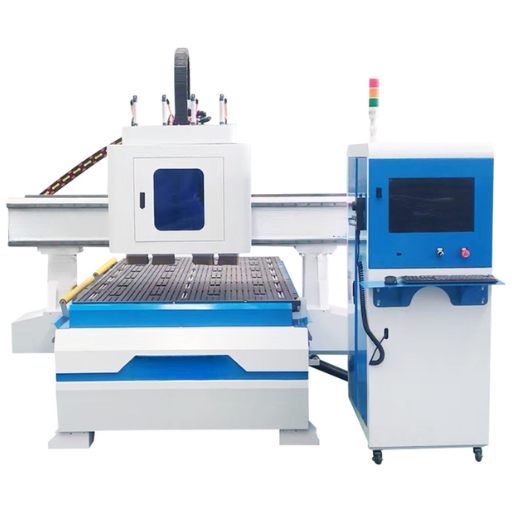
Commercial CNCs are machines powered by computer-aided instructions for the manufacture of parts and products. These machines find application in the fields of aerospace, automotive, and electronics due to their ability to yield results with the utmost precision and consistency. This is where CNC machines automate the more complicated processes, ensuring that human error can never occur, their efficiency can never diminish, and their capacity can never be compromised. Hence, they are adaptable and flexible, working with everything from small one-off designs to significant industrial components.
What is CNC Technology?
CNC (Computer Numerical Control) technology found its place in manufacturing processes by automating tooling through pre-programmed software and code. This technology enables machinery to perform complex cutting, drilling, milling, and other manufacturing operations with exceptional precision and repeatability. CNC systems utilize data from digital designs and convert it into physical movements, guiding tools along specific paths and parameters to either create a product from scratch or finish an already-made object. The machining process has undergone significant improvements, offering greater precision, reduced waste production, and faster manufacturing times. With advanced technologies, including AI integration and IoT connectivity, CNC technology will continue to innovate, maintaining a strong presence that spans modern-day industries such as aerospace, medical device manufacturing, and consumer electronics.
The Components of a Commercial CNC
- ●
Controller – Acts as the brain of the CNC machine, interpreting design instructions and controlling machine operation. - ●
Machine Frame – Designated for structural support and stability during machining operations. - ●
Motors and Drives – Grant the movements to the machine’s axes precisely, linear, and rotational. - ●
Spindle – The counterpart that holds the cutting tool, defining the speed and accuracy of the machining process. - ●
Cutting Tool – Directly interacts with the material for shaping, cutting, or engraving. - ●
Coolant System – Provides the coolant during machining to reduce heat and friction, protecting tools and materials. - ●
Tool Changer – Automatically changes from one tool to another to perform complex operations in a single setup. - ●
Sensors – Watch the machine’s functioning and maintain its precision by detecting anomalies or positional errors. - ●
Workholding Devices – Used to secure the material during operation, including vices, clamps, and fixtures. - ●
Axis Drive System – Commands the multi-axis coordinated movements of the CNC machine. - ●
HMI (Human-Machine Interface) enables the operator to send commands, adjust settings, and monitor the machine’s performance.
Types of Commercial CNC and Their Functions
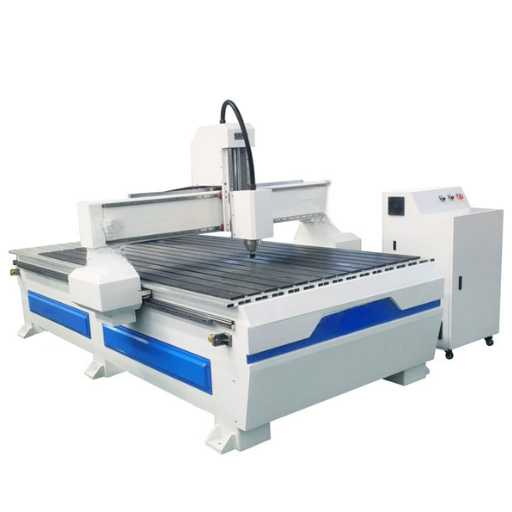
Milling Machines
Used for loaded with cutting and shaping solids with a rotating tool revolving on more than one axis, suitable for complex parts.
Lathes
For cylindrical workpieces, the tool rotates on the workpiece, thereby performing turning, drilling, or facing operations.
Plasma Cutters
Utilize high-temperature plasma jets to break or melt materials at a rate higher than any other process.
Laser Cutters
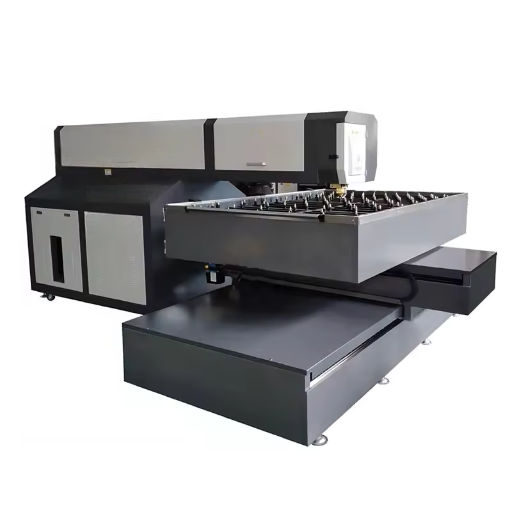
Use focused laser beams to cut and engrave materials with precision, ranging from metals to plastics and wood.
3D Printers
Build objects closer to the prototype using additive manufacturing technology, which is good for the production of small quantities.
Benefits of Implementing Commercial CNC
- 1
Enhanced Precision and Accuracy – CNC machines ensure consistent and precise production, minimizing errors and wastes of materials. - 2
Enhanced Efficiency and Productivity – CNC machines can operate continuously without fatigue, ensuring a high output and meeting tight deadlines. - 3
Cost-Effectiveness – CNC systems ensure reduced costs in the production process by minimizing labor and material waste, thereby generating increased profits. - 4
A General-Purpose System for Industries – CNC can work with several materials, applications, and purposes for use in diverse industries. - 5
Scalability – CNC machines scale seamlessly from prototype to production, depending on requirements.
Increased Precision and Accuracy
For any manufacturing that requires precision and actual measurement, such needs can be fulfilled without the CNC cutting machines. CNC systems execute instructions that minimize human intervention to a great extent. With tolerances that exceed fractions of a millimeter, CNC machines ensure that one of the most basic qualities and repeatabilities of core are maintained in all production runs. Such precision is extensively applied in the aerospace, automotive, or medical device industries, where the smallest incongruities can be pretty detrimental. CNC keeping in view maintenance for varying process controls and real-time monitoring has improved in accuracy even further, making it one of the key production methods in the high-speed production system.
Automation and Efficiency in Production
Establishing commercial CNC machinery presents numerous advantages, particularly in terms of automation and efficiency within production processes. First and foremost comes the minimization of human involvement at the gross canvas level. CNC machines operate with minimal manual supervision; manufacturers can thus use their labor optimally and reduce human error in the operation. Enhancing the precision of operation confers quality to the end products from every single production run, with the strict standards required in the aerospace and medical device industries.
The fast production offers include uninterrupted CNC systems. They run continuously without breaks and are integrated with adaptive control and real-time monitoring, thereby adjusting the production process smoothly and consistently, which further enhances productivity and consistency. Less waste, lower operating costs, and fewer running hours paint a picture of overall efficiency.
A CNC machine also allows for scaling up production as needed. It can thus satisfy demand ranging from small batches to high volumes. Flexibility in automation enables manufacturers to respond promptly to market requirements. Hence, listing all advantages would make the CNC technology the lifeblood of conventional manufacturing.
Cost-Effectiveness Over Time
The commercial CNC machinery operates as a redeeming feature, enhancing operational efficiency and reducing labor costs over time. CNC equipment requires a significant initial investment, but it is generally worthwhile in the long term because CNC machines can handle complex processes with minimal human intervention, reduce material wastage, and ensure uniform quality, among other benefits. The less manual work means fewer human errors, and sometimes these errors can result in enormous rework expenses. Hence, CNC equipment, when well-maintained, has an exceptionally long lifespan, allowing for further returns on investment. Over the years, CNC technology has materially contributed to increased productivity, optimized workflow, and profit maximization, making it an indispensable piece of technology in modern manufacturing scenarios.
Materials and Applications in Commercial CNC
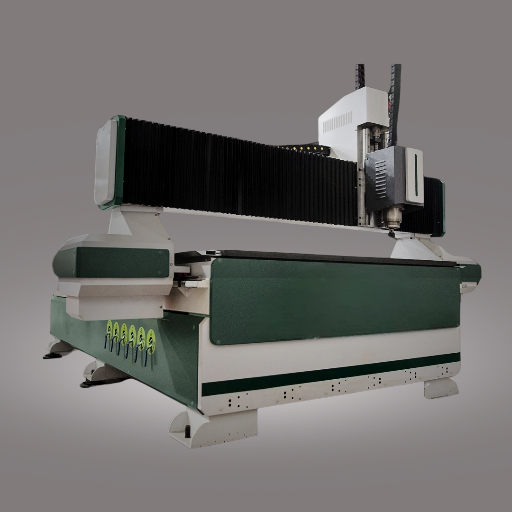
CNC machines can be used on practically every material. These include metals such as aluminum, steel, and titanium, as well as plastics, wood, ceramics, and composites. Its versatile nature has practically made it an implement for many processes in various industries. Typical applications include automotive parts, aerospace components, medical devices, consumer electronics, and tooling. It is for this diversity placed upon it by the CNC that the machines can fulfill the highly demanding needs of manufacturing industries in manufacturing highly complex and agreeable products.
CNC Routing for Plastic and Composite Materials
The CNC routing process offers accurate and efficient cutting operations that are well-suited to the nature of plastic and composite materials. Plastics, such as acrylic, polyethylene, and PVC, which require cutting into detailed shapes with smooth edges, benefit from CNC routing. Likewise, composite materials like fiberglass or carbon fiber need to be treated gently to prevent fraying or damage; hence CNC machines are equipped with special tooling and accurate speed controls to deliver this. The result is that the technology provides consistent results, eliminates material waste, and finds immense applications in industries such as construction, signage, and product manufacturing for lightweight and durable parts.
Applications in Aerospace and Cabinetry Industries
In the aerospace and cabinetry industries, CNC machines revolutionized installations with precision, speed, and adaptability. CNC machines in the aerospace sector carve out complex parts from high-grade materials, such as titanium and aluminum alloys. Aerospace manufacturing demands exactitude and durability with CNC machines being inarguably essential for manufacturing intricate turbine blades, engine housings, and fuselage sections. The machines also streamline the production process, reducing lead times while adhering to stringent industry specifications.
In turn, CNC machines are used in cabinetry for creating custom designs with precise accuracy and consistency. CNC enables the craftsperson to cut complex patterns and drill holes with pinpoint accuracy for joinery, producing custom furniture and cabinetry on both small and large scales. The ability to replicate designs with such precision ensures that the client’s specifications are met while maximizing productivity and efficiency. This marriage of creative freedom and efficiency has made CNC machines an essential tool in modern cabinetmaking. CNC technology continues to advance in both industries, demonstrating the versatility of CNC machines in various applications.
Innovative Uses of CNC Machines in Different Sectors
CNC machines, a fitting explanation for industries’ creative ingenuity, have brought precision, efficiency, and creativity into the trade. In aerospace, these machines are used to manufacture critical components with exceptional accuracy, ensuring both safety and optimal performance. The processing of engine parts, turbine blades, and structural elements from high-strength materials are included. In robotics and the automotive industry, CNC is used to prototype and produce custom gears, engine cylinders, and complex dashboards, thereby rendering production quicker while maintaining efficiency.
Surgical designers utilize CNC machining to create surgical instruments, dental implants, and prosthetics, thereby developing solutions tailored to meet the specific needs of every patient. On the other hand, the electronics industry utilizes CNC machining for circuit boards, casings, and other intricate components required for constructing the latest consumer technologies. With CNC innovations, the potential in art, architecture, and even jewelry-making emerges, offering detailed designs and complex geometries that were once considered impossible to achieve. This kind of versatility validates CNC machines as libraries of knowledge for many industries.
Comparative Analysis of CNC Machines
CNC machining excels in precision, speed, automation, and complexity, while traditional machining offers simplicity, cost-effectiveness for small projects, and manual control flexibility.
CNC Machining vs Traditional Machining
Modern CNC Machines vs. Older Models
Modern CNC machines differ from older models in several key aspects, including precision, speed, automation, user interface, maintenance, energy efficiency, software integration, and material compatibility.
Choosing Between CNC Routers and Other CNC Machines
The decision between CNC routers and other CNC machines is mainly based on the application and materials being worked on. If they involve softer materials such as wood, plastics, or foams, CNC routers are ideal. Due to their high precision and versatility, CNC routers produce more intricate designs, carvings, and 3D shapes. CNC routers are often chosen for use in industries such as furniture making, signage, and prototyping.
On the other side, other CNC machines, such as CNC milling machines or lathes, are better for tougher materials like metals and are engineered to meet the demanding machining needs of steel, aluminum, or brass with UX. Such machines are primarily needed in the automotive, aerospace, heavy engineering, and other industries where strength and performance are paramount.
Ultimately, it comes down to your understanding of the specific requirements of your project, the type of material you use, and your budget constraints. Evaluating this set of parameters carefully will surely let you choose the CNC machine that meets your production intention, as far as increased efficiency and output quality are concerned.
Selecting the Right Commercial CNC for Your Business
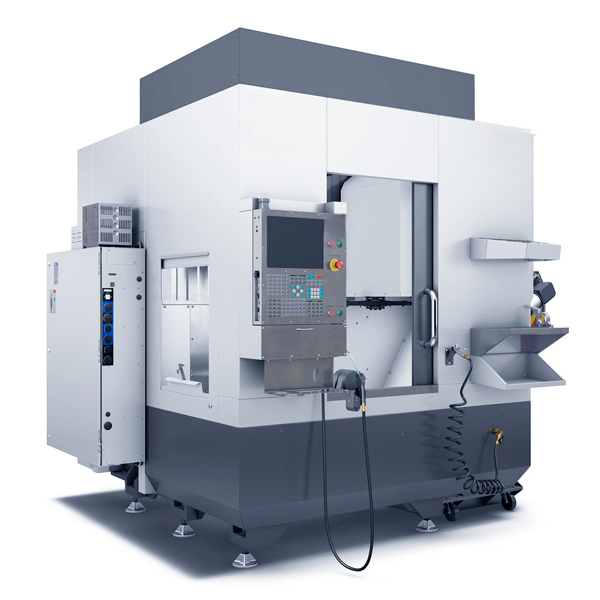
Deciding on a commercial CNC for your application should begin by assessing your production requirements, including the materials you need to machine, the complexity of the designs, and other relevant factors. Look for a machine that suits your workflow in terms of size, speed, and accuracy. Also, consider the budget, as well as maintenance and training costs. Select top brands with a proven legacy of reliability, and tailor the CNC to be the most cost-performance suitable for your specific business goals.
Factors to Consider When Selecting Commercial CNC
-
- ●
Material Compatibility – Ensure that the CNC machine you choose can handle the type of materials you plan to work with, such as metal, wood, plastic, composites, and so forth. Each machine would be optimized for different production requirements.
- ●
- ●
Precision and Accuracy – Check for a machine’s ability to produce intricate designs with tight tolerances, particularly if your projects require a high level of detail. - ●
Production Volume – Say whether the machine can, in a timely manner, produce the production run you desire, small-batch or large-scale manufacturing. - ●
Software and Programming – Assess the compatibility of software to be used in programming the machine, its ease of use, the availability of support, and the training requirements for operators. - ●
Maintenance and Durability – Evaluate maintenance needs of the machine, along with its build quality for the purpose of ensuring reliability for a long time while reducing downtime during operations.
Evaluating CNC Router Tables for Your Needs
Due to the large amount of money required for CNC router tables, the client’s need must be seriously considered beforehand. Begin by identifying the materials you will work with most often, such as wood, plastic, or metals. This, of course, will affect your choice of power and features in the machine. The next consideration would be the size of your projects, matched with the dimensions of the router table working area-itself. Bigger projects may require a machine with a longer size of bed, or possibly the application of more precision and axis move in intricate work.
Also, consider workshop space when choosing a machine that will fit nicely into it and still have an unobstructed space for working. Another critical factor is the budget; once you have machines within your price range, you should compare them to identify one that offers the best balance of quality, performance, and long-term value. With a thorough consideration of your individual needs mapped against the industry data, you will confidently select a machine that will bring maximum productivity to your craft or business.
Maintenance Tips for Longevity of CNC Equipment
- 1
Regular Cleaning – Cleaning the CNC machines after each working day removes debris, dust, and residues. All these processes prevent buildup, interfering with precision and performance. - 2
Lubrication – All moving parts should be lubricated according to the manufacturer’s specifications to minimize friction and wear. - 3
Inspect and Tighten Components – Conduct periodic inspections of screws, bolts, and fasteners to ensure they are tight and secure, thereby preventing faults or damage. - 4
Monitor Coolants and Filters – Coolant levels should be supervised and filters replaced or cleaned to enable smooth running of the machine and to prevent overheating. - 5
Routine Software Updates – Update Software and firmware to their latest version to enhance performance, fix bugs, and keep compatible with newer features.
Reference Sources
-
The Future of CNC Machining – 2024 and Beyond – This article discusses the evolving landscape of CNC machining, driven by technological advancements and industry demands.
-
CNC Industry Trends 2024: Embracing Evolution – Highlights major trends in the CNC industry, including the growing use of automation and robotics.
-
The Future of CNC Machining 2025 and Beyond – Explores future innovations in CNC machining and their impact on industries like aerospace, defense, and automotive manufacturing.
- Top custom stainless steel parts Manufacturer and Supplier in China
Frequently Asked Questions (FAQs)
What is a CNC machine, and how does it work?
Computer numerical control machines are tools that are controlled via computer programming for machining purposes. CNC machines are trained in precision and can work with materials ranging from wood and plastics all the way to aluminum; hence the machines serve well for significant industrial tasks.
How do I automate CNC processes?
You can automate CNC processes by using advanced process control software integrated into your CNC router or machine tools, allowing cutting operations to be performed seamlessly and significantly boosting efficiency in industrial CNC applications.
Are there inexpensive CNC options for small shops?
Yes, are there less expensive CNCs available for small shops? Machines like benchtop CNC routers offer an affordable solution without compromising quality. These are excellent choices for both hobbyists looking to explore the CNC world and small businesses just entering the CNC market.
What kind of materials can a CNC router work with?
CNC routers are made to work on multiple materials, comprising wood, plastics, aluminum, or composites. This ability to do diverse kinds of work makes them suitable for any type of work, ranging from delicate carving works to brutal large-scale fabrication.
How can I select the right CNC machine for my requirements?
Selecting a CNC machine depends on factors like the type of work you plan on doing, materials on which you will be working, and floor space you can allocate. Additionally, look for machines that feature servo motors, which provide greater torque and reliability, and can connect to various control software.
This comprehensive guide to Commercial CNC machines provides valuable insights for manufacturers looking to enhance their production capabilities with cutting-edge technology.


