Waterjet cutting and plasma cutting are two techniques that have gained popularity in a number of industries when it comes to precision cutting. They both have their pros and cons depending on the nature and extent of endeavors and supporting materials. If on the one hand you want to cut materials with elaborate shapes and patterns, and on the other, you want to cut such objects quickly and without any difficulty, then it is important to look at the two methods and appreciate the differences that exist between them. The main aim of this paper is to outline the main differences that exist between the waterjet and the plasma cutting in an attempt to provide a better understanding of their methodology and advantages and disadvantages, and their appropriate application. After reading this piece, you should be able to identify clearly the method that is going to meet your planning needs and fabrication requirements.
Introduction to Cutting Technologies
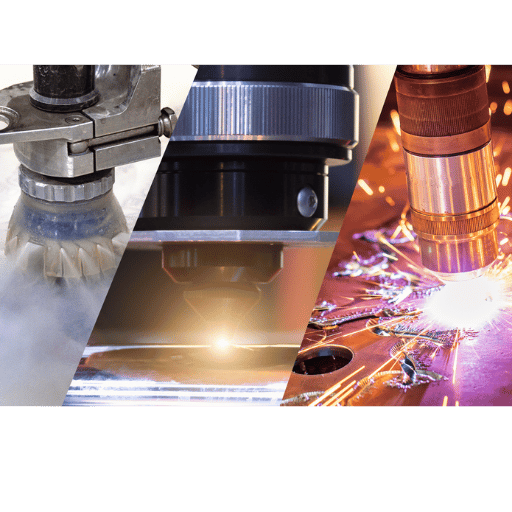
Slashing gears are predominant in today’s manufacturing and fabrication processes, where precision and ease of shaping parts are very important. Waterjet and plasma are two other types of cutting techniques widely used. Waterjet cutting is the process whereby a concentrated jet of water is ejected at a high speed, which may sometimes be mixed with an abrasive to cut the material, and there is no heat involved in the cutting. It is therefore used when delicate cutting of the materials or heat is a concern. Plasma cutting is one where high electrical energy ionizing gases is used to cut electrifiable materials efficiently and quickly, especially metals. The choice of a particular method is guided by the type of material, the accuracy that is required, and the available funds for the task.
Overview of Waterjet Cutting
Many tools and techniques can be employed in the process of cutting or separating FORTRAN various materials, so that two or more parts may be obtained. One of these methods is known as waterjet, which includes the use of a high-pressure jet or beam of water, which is sometimes filled with abrasives, to cut through the desired items. It is an appropriate process for some applications, where either cutting neat patterns or using heat-prone materials is required. In addition, this process reduces the wastage of materials and facilitates smooth edge cutting, which is the need of industries like aerospace, fabrication, and construction.
Overview of Plasma Cutting
Plasma cutting is a modern technique that employs ionized gas, commonly referred to as plasma, to create or cut through conductive materials. The most common plasma arc involves the use of gases such as nitrogen or argon; the gases become ionized and reach high temperatures when exposed to an arc, which helps to pass the gas through the arc. The ionized gas conveniently melts the material, and a speeding gas stream helps in collecting and disposing of the molten metal, leaving a neat cut. Metals such as steel, stainless steel, and aluminium are some of the materials that plasma cutting is over and overused on. It is heavily used in metal work industries, construction, fixing car panels, and the like.
Key Differences Between Waterjet and Plasma Cutting
However, the key differences between waterjet cutting vs plasma cutting/welding lie in the technique, material, accuracy, time, operating costs, and adverse effects to the environment.
|
Parameter |
Waterjet |
Plasma |
|---|---|---|
|
Cut Method |
Water + Abrasive |
Gas + Electricity |
|
Material Range |
Almost All |
Conductive Only |
|
Precision |
High (±0.001″) |
Moderate (±0.015″) |
|
Speed |
Slow |
Fast |
|
Thickness |
Up to 18″ |
Up to 6″ |
|
Heat Effect |
None |
Yes |
|
Cost (Initial) |
High |
Low |
|
Cost (Running) |
High |
Low |
|
Eco-Friendliness |
High |
Low |
|
Maintenance |
High |
Moderate |
|
Safety |
High |
Moderate |
How Each Cutting System Operates
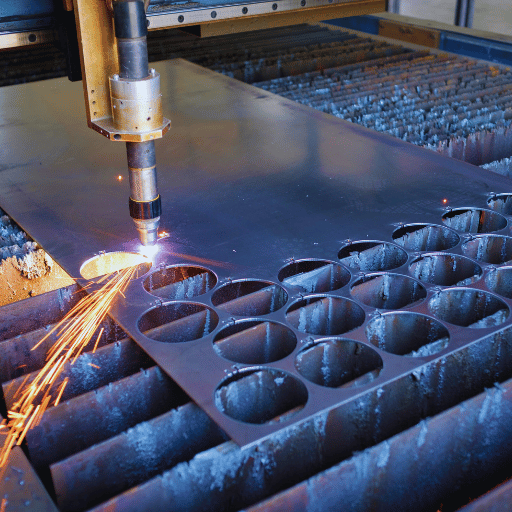
Working Principle of Waterjet Cutting
Waterjet cutting works by using a high-pressure jet of water with or without abrasive materials to cut through many types of materials. It starts with pressurizing water to values of generally 60,000 psi and above, by means of a special pump. The water, which is under pressure, is directed straight to a nozzle with a narrow opening, and hence develops a jet that ablates the material in the jet path. The addition of abrasives makes such a machine capable of cutting even hard materials like metals, stones, or ceramics with great efficiency. This technique upholds the benefit of not generating any heat; hence, no deformation is seen in the material undercut, and the material cut is clean and perfect.
Working Principle of Plasma Cutting
Plasma cutting works on the concept of a certain dielectric gas, such as oxygen, nitrogen, or argon, being superheated to a degree that it becomes a very hot gas called plasma. This boiling hot gas, plasma, is then passed through a nozzle with an opening that is constricted opening. The narrow stream jet is used for cutting purposes, which introduces enough energy to melt and expel the material off the line being cut. There is an electrical power source used to create the arc that ionizes that enables the gas to be turned into a plasma and maintaining the heat.
Newer technological fields, such as precision, effectiveness, and better utilization of materials, are addressed through new torches and mechanisms for moving knives developed in recent years. For example, the introduction of CNC designs made it possible to achieve accuracy and repeatability in cutting, such as in the case of intricate designs, quite successfully. In case of constructional and sustaining purposes of the industries, it is best to use plasma cutting, which will enable cutting the stainless steel and aluminium quite fast, without wasting the appropriate stock.
Comparative Analysis of Cutting Processes
When assessing methods employing solid state laser cutting, there are differences between plasma and waterjet cutting, such as the intricacy of the cut, types of available materials, and elegance of technique:
- Plasma cutting: Suitable for metals, mostly due to its economy and relatively high speed. Low precision makes it appropriate for cutting thicker metals, which are mostly conductive, such as steel or aluminum.
- Laser Cutting: Most efficient in manufacturing due to high accuracy, coupled with materials handling or cutting of a variety of materials, such as metals, plastic, timber, and many others. However, it is even more costly than the above machines with enhanced speed, especially when dealing with thick metals.
- Water Jet Cutting: Very versatile, capable of cutting almost any material without heat, hence no thermal modification. However, it is less speedy and not as cost-effective as plasma and laser.
Every technique has a special area of utilization, and the corresponding technique is chosen depending on the materials used, precision requirements, and cost of the project.
Various Materials Amenable to Sectioning
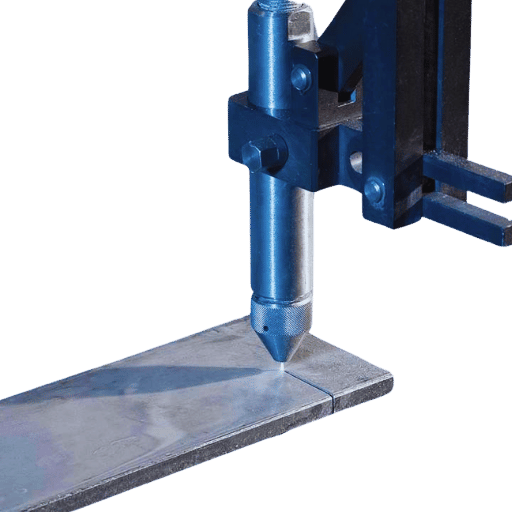
Waterjet Machinable Materials
A variety of materials of different thicknesses can be cut with water jets, perhaps the reason why this method is considered to be one of the most powerful methods of any kind. Here is a list of such materials processed by this technology:
- Metals: The use of a waterjet is an effective way of cutting metals such as steel, aluminum, brass, copper, titanium, and even more difficult to cut metals, for instance, Inconel. Cuts up to 12” thickness (depending on material) can be made to enhance product development.
- Glass and Ceramics: Brittle materials such as tempered glass, stained glass, and ceramics are cut with metrical precision using a waterjet because every cutting process involves no heat. There are neither cracks nor thermal stress.
- Composites: Composite materials such as carbon fiber reinforced plastics and fiberglass are easily cut with water jet machines. This is very important in the production of aircraft, automobiles, and sports equipment.
- Plastics and Rubber: Thermoplastics such as polycarbonate, acrylic, and many other plastics, and rubbers such as those containing EPDM and neoprene, can be cut as well without melting or distorting. The risk of these materials causing seals and gaskets to enhance the place of slippage is negated.
- Tile and Stone: Natural stones, including granite, marble, and slate, can be cut with the help of waterjet cutting systems, as well as ceramic and porcelain tiles. It can perform detailed inlays for exterior and interior purposes.
- Foam and Soft Materials: Water jet machines are also used on foams, fabrics, and other soft materials, where it is important to make very clean, quick, and accurate cuts.
Waterjet cutting is preferred over thermal cutting when it is better not to affect the material with a heat-affected zone, which would alter the material’s aesthetics and integrity. With such capabilities, waterjet is effective in several industries, including manufacturing, construction, aerospace, and designer projects where customization is important.
Materials that can be cut with the help of plasma cutting
Different types of cuts can be made with plasma-cutting techniques when applied to certain types of conductors. Most commonly, it can cut metals such as steel, stainless steel, and aluminum, and other similar ferrous metals like brass and copper. This process employs an electrical conductive gas like air, oxygen, or nitrogen, which produces a hot plasma arc that cuts and instantly melts the metal by stripping it off. Plasma technology has made enhancements in cutting tools such that materials of varying thickness can now be cut with ease, ranging from thin sheet metal to very thick steel plates.
The use of plasma cutting in manufacturing, automotive repair, construction, and metalworking is on the rise due to low costs and accuracy, according to the document reviewed. Although plasma cutting has its constraints to only conductive materials, it is fit for use in industries that undertake such work, because of its efficiency, mobility, and clean cuts that it produces.
Comparison of Material Versatility
|
Parameter |
Waterjet |
Plasma |
|---|---|---|
|
Material Range |
Almost all materials |
Conductive metals |
|
Thickness |
Up to 18 inches |
Up to 6 inches |
|
Precision |
High (0.001″) |
Moderate (0.015″) |
|
Heat Impact |
None |
Heat-affected zone |
|
Speed |
Slower |
Faster |
|
Cost |
Higher |
Lower |
|
Eco-Friendliness |
High |
Low |
|
Applications |
Versatile |
Metals only |
Comparing Investment Costs of Different Cutting Technologies
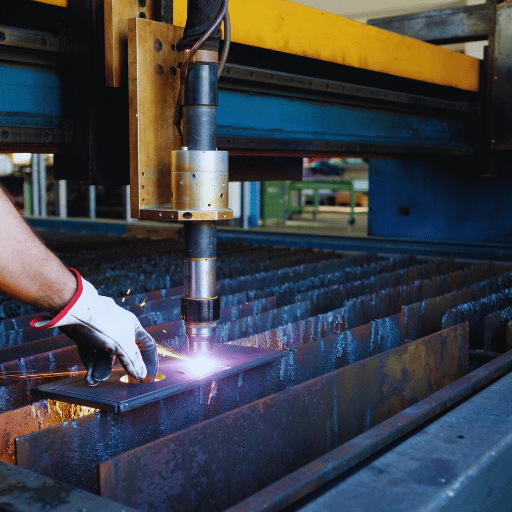
Initial Costs Incurred With Purchasing Waterjet Equipment
Waterjet equipment involves, in most cases, a lot of capital when compared to the bulk of cutting tools. The prices of a waterjet machine are between $60,000 $300,000; the differences are based stated above on the size, pressure, and other additional features availed in the machine. Such models shall include the cutting table, the high-pressure pump, and the control system. However, with the prospects of cutting too many items and with so much accuracy within itself, businesses may consider these in their line of quality service, where there is a need for such items as the machine.
Initial Costs Incurred With Purchasing Plasma Equipment
The range of pricing for a typical plasma cutting system is from $15,000 to $300,000 within the standard plasma cutting system range, depending on the table size, cutting thickness, among other factors. Systems in a lower price range will usually have basic or simple processes, whereas more advanced industrial applications tend to have more expensive options. and it’s an equipment with wide application as it is efficient in terms of cutting speed and materials required, more specifically conductive ones, hence businesses find it cheaper.
Operational Costs: Waterjet vs Plasma Cutting
|
Parameter |
Waterjet |
Plasma |
|---|---|---|
|
Cost/hour |
$30 |
$15 |
|
Upfront Cost |
High |
Moderate |
|
Material Range |
Almost all |
Conductive |
|
Cut Speed |
Slow |
Fast |
|
Max Thickness |
18 inches |
6 inches |
|
Accuracy |
High |
Moderate |
|
Heat Effect |
None |
Present |
|
Eco-Friendly |
Yes |
No |
|
Maintenance |
Low |
Moderate |
|
Safety |
High |
Moderate |
Most Appropriate Method and Application for the Most Common Material
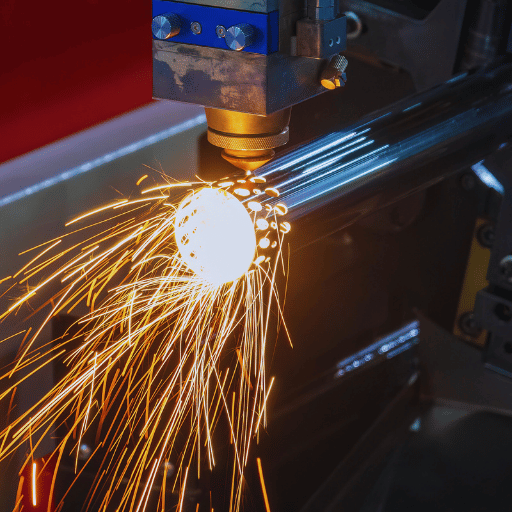
Water Jet Cutting Purposes
Although water jet cutting has been described as very advanced and effective, its most applicable use is where precision, ease of cutting without the creation of heat, and a good finish must be ensured. This technique is common in the aerospace, automotive, manufacturing, and other sectors, where complex patterns and shapes, fine dimensional precision, and control of surface roughness and texture are of utmost importance. Water jets are commonly used in the cutting of materials that range from metals—aluminum, titanium, and the like—through non-metallic materials such as glass, stone, composite materials, and even rubber. It is also important to note that the inability of waterjet cutting to create refined layers a high temperatures due to the absence of heat-affected zones enhances its application, most especially in materials that warp or melt with heat cutting.
From a technical perspective, water jet systems also facilitate the cutting of work pieces with concern for small kerf width and smooth cut surface edges in a way that no post-processing is needed. Also, it can be noted that water jets tend to be used in cutting thicker materials of up to several inches without compromising efficiency or quality, making them ideal for projects that have hard, thick materials. Not to mention that the clean waste and absence of harmful gas in waterjet machines mean that they also perform a relevant role in industrial activity that seeks to achieve green growth.
Most Ideal Applications of Plasma Cutting
Plasma cutting is ideal for many uses, especially where speed, precision, and economy are needed. This method of cutting is more effective on materials that do not conduct electricity, such as steel, stainless steel, aluminum, brass, and copper. Plasma cutting is commonly used in automotive repair, metal fabrication, and construction industries for fast shaping of thick metal plates. With the ability to cut materials of different thicknesses, most often from very thin sheet metals to components that are several inches thick, it is most appropriate for tasks that demand such flexibility.
As an example, due to their precision and speed, plasma cutters are particularly effective when creating intricate shapes, fixing heavy machines, and dismantling metal structures that have undergone destruction. Also, as contemporary plasma cutting solutions are often integrated with CNC systems, repeatable and complex cuts can also be made, which makes it applicable for several purposes. Coupled with its low-cost nature compared to laser cutting, plasma cutting can be preferred, especially in large-scale operations or working on site construction projects. It delivers high-quality pipes and measured parts whilst limiting heat distortion, a highly desired quality in metal processing and work.
Appropriate Method Depending on the Needs
When choosing the appropriate method for my needs, I assess elements such as the types of materials, the thicknesses, and the precision required for the work. In case I can afford it, I may always go for plasma cutting whenever I want fast and cheap cutting of heavy metals that are conductive. But if what I need is the perfect picture or illustration within a given work or object that is made of non-metallic components, then I go for other cutting techniques like laser or water jet, which can cut contours remotely. The bottom line, however, is that every application has its demands that dictate the decisions that will be made.
Frequently Asked Questions (FAQs)
Q: What is the water jet cutting method, and how does it work?
A: Waterjet cutting is a manufacturing process that employs a stream of water at very high pressures (usually with abrasive particles) for cutting through several materials. The water stream cuts through erosion of the material along a determined line, thus allowing for more intricate and detailed cuts. The addition of abrasives allows the waterjet to cut through harder materials such as metal and glass.
Q: What is plasma cutting, and how does it work?
A: Plasma cutting operates by melting the material through ionized gas at very high temperatures. It conducts its operations by propelling plasma through a nozzle at extremely high speed, generating temperatures so high that they can cut through any electrically conductive material, such as steel, stainless steel, and aluminum.
Q: Which has better precision, waterjet cutting or plasma cutting?
A: Generally, waterjet cutting prefers precision over plasma cutting. It can generate cuts with a tolerance as low as ±0.003 inches; hence, they are more suitable for designs requiring intricate details or sharp corners. Plasma cutting can perform satisfactorily, though its tolerances typically range from ±0.01 to ±0.03 inches, making its utilization more for applications that do not require such fine detailing.
Q: How do the cutting speeds compare between waterjet and plasma cutting?
A: Plasma cutting is faster compared to waterjet cutting, especially for thinner metals. Its plasma arc with very high temperatures melts materials quickly, thus accomplishing rapid cuts. On the contrary, waterjet cutting follows the abrasive erosion mechanism and is comparatively slower, particularly while cutting thick or extremely hard materials.
Q: Which is more economical?
A: Plasma cutting is more likely to be cost-effective for high-speed cutting of metals, especially for thicker materials or large-volume production. Waterjet cutting holds higher operating costs due to the expensive water pumps and abrasive materials involved, along with slower cutting speeds. However, in treatments where precision is necessary, waterjet cutting will save expenses due to less secondary finishing needed.
Q: Which is truly better for the environment, waterjet cutting or plasma cutting?
A: Waterjet cutting has been considered to be more environmentally friendly. They do not discharge any harmful fumes or gases, and the water used is often recyclable. However, the used abrasive material needs to be disposed of properly. Plasma cutting releases dangerous gases and needs to be ventilated properly with filtration systems to ensure safe management of emissions.
Q: Where is water jet cutting mostly applied?
A: Waterjet cutting finds applications in places that require very precise abilities and in places where non-conductive materials require cutting. These include possible aerospace components, some architectural elements like decorative tiles, and manufacturing parts where clean edges and intricate shapes are a must.
Q: What about the usual applications of plasma cutting?
A: Given that one needs speedy yet efficient metal cutting, plasma cutting is used increasingly by industries. These include automotive repair, industrial manufacturing, metal fabrication, and construction projects involving steel structures.
Reference Sources
1. Selected Metal Cutting Processes with Focus on Sustainability
- Authors: M. Murad et al.
- Publication Date: December 14, 2023
- Journal: Caderno Pedagógico
Key Findings:
- The research analyses various metal cutting operations, such as waterjet cutting and plasma cutting, putting much emphasis on sustainability.
- It further covers the analysis of thirteen variables explored in the five cutting processes: Band saw, oxyfuel, plasma, abrasive waterjet, and laser cutting.
- The findings show that the advantage of laser cutting is the speed of operation; however, the surface finish of the parts may be inferior to other cutting methods.
- There is a high noise level and tool cost when using plasma cutting, but there is a low environmental impact in water jet cutting and an improved quality in surface finishes.
Methodology:
- The development of a methodology to assess the sustainability amongst cutting processes considering economic, social,l and environmental factors was done (Murad et al., 2023).
2. How to lower the micro-edge damage in each plastic built-in composite machine layer during the AWJM process
- Authors: Sweeting Lancy et al
- Publication Date: 01 06 20
- Publisher: Notch Effects and Co-Composites
Conclusions:
- Micromachining or cutting operations often result in clad components such as pipes or machining elements having damaged edges, and abrasive water jet cutting is examined in this context in their effort to reduce the same.
- To this end, it appears that the use of abrasive water jet machinery has fundamentally reduced the extent of micro-edge is minimised do to differences between waterjet cutting vs plasma cutting methods and other dry cut processes which cause heat and slope.
- Optimal cutting parameters for the AWJM method were found, in which the depth of pits in the stainless steel and mild steel layers was reduced to a minimum.
Steps:
- In the L18 test, the Effect design was used to examine the cutting issues for four perturbing control resources in the form of figures supported by results or micrographs (Ishfaq et al., 2020).
3. Distribution of Microscratches on Waterjet Surface – An Experimental-Based Study
- Authors: Tao Yang et al.
- August 12, 2024
- Scientific Reports
Highlights:
- The authors performed a study regarding micro scratches on abrasive waterjet cut surfaces in addition to the surface roughness of the cut and compared it with that of a plasma cut.
- It was observed that the cutting action of AWJ results in a more even surface with relatively very few scratches, unlike plasma cutting, which results in much more visible defects.
- This work appreciates the importance of generating certain surface finishes by changing the average structure of the main cutting steps.
Approach:
- The variation in size of the scratches has been discussed in great detail, with the effect of position and moving speed analyzed through Variance Analysis (Yang et al., 2024).