


From medical equipment to automotive components, silicone stands as one of the most flexible and widely employed substances in modern industrial life, with a unique blend of chemical and physical properties. Silicone’s resistance and flexibility made it useful in such different fields. This article is a complete essay on silicone, expounding on its main properties, the scientific aspects of the melting point, and the numerous applications. Maybe you want to deepen your knowledge for professional reasons, or maybe you want to understand the science supporting its function. Either way, this guide will provide key insights into the reason why silicone keeps revolutionizing numerous industries. So, get ready to uncover the science and innovation behind this extraordinary substance.
Introduction to Silicone
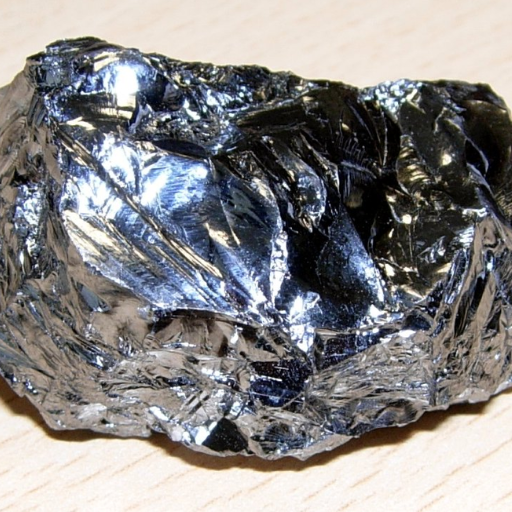
Silicone is a synthetic compound marketed under various names based on its intended use. It is created from silicon, oxygen, carbon, and hydrogen atoms. With properties such as high durability, flexibility, and resistance to extreme temperatures, silicone finds applications in the healthcare, construction, electronics, and manufacturing industries. Because it is nontoxic and chemically stable, as well as an excellent thermal and electrical insulator, it finds application as diverse as sealing adhesives and medical implants. The uniqueness of silicone stems from its molecular structure, which provides a combination of strength and adaptability, essential for fitting into various environments.
What is Silicone?
Silicone is a synthetic polymer composed mainly of silicon, oxygen, carbon, and hydrogen. With its versatile uses and forms, the formation of this material involves the chemical conversion of silicon from silica into polymers. These polymers are then shaped into various forms, including liquids, resins, elastomers, and gels. Some of the properties that make silicone very useful in numerous industries are its heat resistance, flexibility, chemical resistance, and durability.
Recent Developments
Recent developments shed light on its ever-growing importance in modern technology and industrial sectors. For instance, it is found in high-performance electronics and in renewable energy applications like solar panels, where resistance to harsh environmental conditions and stable insulation are both significant. Also, medical-grade silicone has become the best choice for applications in healthcare, such as prosthetics, tubing, and implants, due to its biocompatibility. It is good for allergy-prone patients and offers a great life span. With every new invention, silicone steps forward in creating safer, more efficient, and sustainable solutions across industries.
Composition and Versatility of Silicone
Silicone is a synthetic polymer composed mainly of silicon, oxygen, carbon, and hydrogen. The peculiar arrangement of polymer chains, characterized by an inorganic backbone known as the siloxane backbone, endows silicones with exceptional properties. These properties include excellent thermal resistance, flexibility, chemical resistance, and resistance to environmental factors. This unique structure makes silicone very versatile; thus, its applications are endless.
Temperature Range
-100°F to 500°F
(-73°C to 260°C)
Key Properties
UV-resistant, moisture-resistant, aging-resistant
Its highest volume use resides in construction as sealants and adhesives; however, it also stands out in cookware and electronics as a heat-resistant polymer. It withstands extreme temperatures, ranging from -100°F to 500°F (-73°C to 260°C), making it suitable for applications in industrial and scientific environments with very harsh conditions. The material can also withstand ultraviolet radiation, moisture, and aging.
The biocompatible trait of silicone is the primary reason that places it toward its medical application. It is generally considered safe in allergic conditions and, therefore, is unlikely to be harmful medically. With the advancement of materials science, one would expect the evolution of silicon into a more sustainable and high-performance new material, meeting the demands of present-day industries. Due to its variability, it will continue to be a key player in sectors ranging from aerospace to personal care.
Importance of Silicone in Modern Industries
Silicone is a prime material in countless industries due to its versatility paired with durability and performance. It withstands heat and is flexible, essential traits for automotive components, electronics, and aerospace applications. Since it is biocompatible, it has found its place in the medical sector, where it is used in areas such as medical tubing, implantation, and wound care. In addition to these, its waterproof and insulating properties have further expanded its applications in personal care and construction, including sealants and adhesives. With ongoing research and development, the material remains well-positioned to meet the varied new challenges of today’s diverse industries.
Unique Properties of Silicone

Silicone has the unique properties that make it indispensable in several industries. Some of the properties that make silicone so highly desirable are its thermal stability, which allows it to resist extreme temperatures without breaking down, and its excellent insulating properties for electricity, which become vital in electric applications. Its high flexibility and strength, even in the face of wear, make it unbeaten in highly dynamic applications. Additionally, Silicone is chemically inert, non-toxic, and resistant to UV radiation, oxidation, and moisture, providing longevity and reliability in medical and industrial applications.
Flexibility and Durability
Silicone has an exceptional flexibility due to its unique molecular chain structure. Each time repeated mechanical force is applied, it maintains its integrity despite deformation. In dynamic performance applications, such as seals and gaskets, and medical applications, the percent elasticity is critical. It gains durability through resistance to environmental factors, including temperature fluctuations, ultraviolet rays, and chemical reactions. Keeping these in view, industries and medical applications expect performance from silicone over extended periods without any consequences for any replacement. Silicone can thus be placed on a cost-effective ground in industrial and medical applications that require stringent conditions.
Resistance to Extreme Temperatures
The applied science silicone was known for keeping its strength through very high temperatures and chemical resistance between about -75 F and 500 F (-59 C and 260 C). This is where it differs from many types of materials: the cold does not make it brittle, so it is used for applications in very harsh environments, or the very hot potential does not degrade it. This is all due to its unique polymer arrangement from which it derives flexibility and insulation from thermal stress; hence it performs wonderfully in aerospace, automotive, and medical fields.
Conductivity and Other Properties
The material has low conductivity in terms of heat and electricity, and is thus an excellent insulator in various applications. Due to its polymeric constitution, silicone serves well as an electrical insulator, thereby eliminating the hazard of short-circuiting. This conditioning would render the silicone reliably performing within residential and industrial electrical set-ups. Since silicone is considered highly resistant to chemical reactions, factors such as water, ozone, and UV radiation may also play a role. These properties enhance its strength and improve its performance in environments that are chemically aggressive or exposed to UV rays, such as in a medical device or an outdoor building material. Thus, these properties applied allow silicone to be used across industries requiring durability and stability under adverse working environments.
Significance of Silicone Melting Point

The melting point of silicone is a vital property conferring its thermal stability and versatility in high-temperature applications. Unlike a material whose melting occurs at a definite temperature, the silicone melts through a softening range, to keep its structure pressed against a wide range of temperatures. These temperature extremes provide a high level of temperature resistance, so that silicone is particularly useful where extreme temperatures and variable temperatures come into play-there are aerospace seals, automotive components, and industrial gaskets, where materials under actual conditions are frequently exposed to high and variable temperature conditions. No fixed melting point adds to its versatility in long exposures to heat where degradation would otherwise set in, ensuring the consistency of performance and life.
Critical Role in Various Industries
Silicone stands at the nexus of many industries due to its unique properties of chemical stability, flexibility, and resistance to extreme temperatures. Biocompatible with E-great-T properties, it would have found uses in medical implants, prosthetics, and tubing. The automotive industry uses silicone gaskets, seals, and hoses that would stand exposure to high engine temperatures and operating conditions. Here again, silicone electronics help insulate and coat devices, thereby protecting them against moisture and thermal stresses, resulting in a longer lifespan. The construction and energy industries continue to reap benefits from silicone-based adhesives, sealants, and coatings that offer durability and weather resistance. This versatility points at silicone posing as an enabling technology for modern technological and industrial innovation.
Melting Point of Silicone Rubber
Due to its amorphous nature, silicone rubber lacks a definite melting point, unlike crystalline substances. Instead, it suffers thermal degradation upon heating. The thermal stability of the silicone rubber allows it to retain functionality over a temperature range of around -60°C (-76°F) to 230°C (446°F) under normal operating conditions. It starts decomposing at temperatures generally upwards of 300°C (572°F). This property makes the silicone rubber well suited for places where it shall be exposed to extreme heat or extreme cold, for it remains flexible throughout this wide span of temperatures.
Comparison with Other Materials
Silicone is often compared to materials such as rubber, polyurethane, plastics, and metal, based on factors like temperature resistance, flexibility, durability, and chemical stability.
This table provides a concise comparison focusing on essential parameters and practical applications of each material.
Practical Applications of Silicone
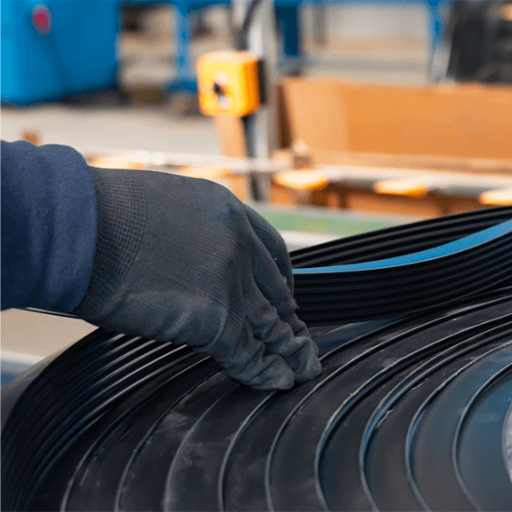
Silicone is widely used in countless industrial environments and applications because its properties are truly specialized with thermal stability, flexibility, and chemical resistance among them. In the medical field, silicone is widely used in implants, tubes, and seals due to its biocompatibility. In an industrial scale, silicone is highly acclaimed in the automotive and aerospace industries for various gaskets, seals, and hoses that can impart excellent performance under severe temperatures and pressure conditions. In construction, silicone forms part of multiple adhesives, sealants, and coatings because of its weatherproofing and durability properties. Electronics, on the other hand, utilizes silicone’s dielectric properties to manufacture encapsulants, insulators, and thermal management materials. The versatile applications of silicone are what make it an essential element in both highly specialized and everyday products.
Use in Cookware and Kitchen Products
Silicone has become a favored material for cookware and kitchen products due to its unique set of properties. It is heat-resistant, typically operating in the range of 40°F below the freezing point to 446°F (from -40°C to 230°C), thus enabling uses such as baking mats, spatulas, muffin molds, and various other tools exposed to heat. Due to its non-stick properties, silicone runs food from sticking to it, which in turn makes it easier to clean as well as makes cooking more efficient. On the other hand, one big plus is the flexibility of silicone. This flexibility, combined with the enhanced durability of the material, allows for the easy removal from molds of items such as cakes or ice without risking their breakage.
A practically safe silicone must be food-grade to ensure it is nontoxic, odorless, and in regulatory compliance with standards such as the FDA and LFGB, thereby preventing the leaching of potentially harmful substances under regular use. The hydrophobic and stain-resistant features add to its desirability for kitchen utensils. Being easy to clean and dishwasher-safe, silicone utensils ensure lasting use and are cost-effective alternatives in modern kitchens.
Applications in Medical Devices
Industrial silicone is primarily considered a versatile material due to its biocompatibility, versatility, and resistance to temperature extremes, including sterilization methods. One of the diverse applications of this particular silicone is the manufacturing of medical devices, including catheters, tubing, implants, and wound dressings. Being highly flexible and hypoallergenic, this silicone works well within the human body without causing irritation or adverse reactions. Additionally, medical-grade silicone is recognized for its high resistance to bacterial growth, which enables it to extrinsically protect patient safety and maintain the reliability of devices in a sterile setting.
Role in Industrial Equipment
Silicone has historically been highly important to the machinery industry, primarily due to its excellent thermal stability, chemical resistance, and versatility in various materials. It is widely used in sealants, gaskets, lubricants, and adhesives, withstanding extremely high temperatures, harsh environments, and mechanical stresses. The ability of silicone to remain elastic and operational over a wide temperature range makes it highly reliable in critical applications, such as automotive components, electrical insulation, and machinery parts. It is by these properties that silicone is essential to ensuring machinery are efficient and long-lived in industrial operations.
Factors Influencing Silicone Melting Point
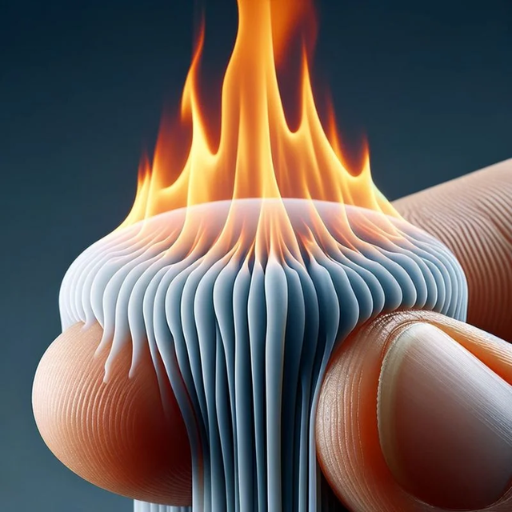
1. Chemical Composition
The melting point of silicone is influenced by its specific chemical structure, including such features as the ratio of silicon to oxygen atoms in its backbone and the particular sort of side groups bonded to the silicon atoms. Variations in these molecular configurations alter the thermal stability and resistance properties of the material.
2. Crosslinking Density
Crosslinking degree in the silicone polymer network profoundly affects its melting behavior. Higher the crosslinking density leads to higher thermal resistance; therefore, the material will be physically stable at high temperatures but lose it flexibility.
3. Additives and Fillers
The incorporation of additives or fillers, such as reinforcement agents, flame retardants, or pigments, can alter the thermal properties of silicones. Depending on the nature of the additive, these alterations may include increased heat resistance or some degree of variability in its melting behavior.
4. Processing and Curing Conditions
The actual procedure for curing or vulcanizing the silicone, whether in terms of temperature or the kind of catalyst used, has some bearing on its thermal properties. During an optimal cure, complete thermal stability should be obtained. Any slight deviation from this will impart some degree of inconsistency to the melting behavior of the material.
5. Environmental Factors
External factors may expose silicone to high pressure, oxidative atmosphere, or ample thermal exposure, all of which tend to gradually alter or degrade the silicone chemistry, and hence affect its melting point, along with the final application performance.
Additives and Curing Processes
The addition of fillers and the method used in curing can cause significant changes in silicone materials, affecting their thermal, mechanical, and chemical properties. A standard list of additives include silica, stabilizers, and flame retardants, all of which reinforce properties such as tensile strength, temperature resistance, and electrical insulation. In short, silica filler serves as a reinforcing agent, providing mechanical strength and thermal stability.
The curing method, whether addition curing or condensation curing, also dictates the ultimate characteristics of the silicone. Additionally, curing in the presence of platinum catalysts generally produces a stable and uniform material structure that does not undergo shrinkage and maintains consistent properties when subjected to stress. Nevertheless, condensation curing uses organic compounds and mostly tin catalysts; in this way, it offers more flexibility of use, but shrinkage and subsequent poor performance over time are likely. Knowledge on how additives interact with curing processes is crucial for optimizing the performance of silicone in hostile environments or for highly specialized applications.
Environmental Conditions
Environmental conditions significantly influence the material properties and performance of silicones. Temperature, humidity, and chemical exposure can dramatically affect the curing process and the long-term stability of the material. Elevated temperatures accelerate the curing of addition-cure silicone, while excessive humidity during condensation cure may produce unwanted byproducts and impact structural formation. Similarly, prolonged exposure to UV radiation or harsh chemicals can degrade the thin surface or alter its mechanical properties. Therefore, it is essential that silicones be selected according to the formulation that tackles specific environmental challenges, thereby ensuring durability and reliability in specialized applications.
Different Grades of Silicone and Their Properties
Silicone grades encompass medical, food, electrical, automotive, and high-temperature applications, each tailored for specific uses.
This summary provides clarity on the specific properties of various silicone grades, their applications, and operational parameters.
Reference Sources
- Melting Point of Silicone Rubber – Discusses the temperature range silicone rubber can withstand without deforming.
- Unveiling the Melting Points of Various Rubber Types – Explores the melting points of silicone rubber and its fire resistance properties.
- 7 Properties of Silicone – Highlights key properties of silicone, including its thermal stability and mechanical attributes.
- Characteristic Properties of Silicone Rubber Compounds – A detailed PDF resource on the electrical, chemical, and thermal properties of silicone rubber.
- Silicone – an Overview – Provides an overview of silicone’s applications, including its use in coatings and its weathering resistance.
Frequently Asked Questions (FAQs)
Conclusion
Understanding silicone’s unique properties, melting characteristics, and diverse applications reveals why this remarkable material continues to revolutionize industries worldwide. From medical devices to industrial equipment, silicone’s exceptional thermal stability, flexibility, and chemical resistance make it an indispensable component in modern technology and manufacturing. As material science advances, silicone will undoubtedly continue to play a crucial role in developing safer, more efficient, and sustainable solutions across various sectors.


