


The advent of desktop CNC machining for metal work is changing the game for tradesmen and arts and crafts hobbyists. A fusion of compact size and an abundance of power, these machines deliver sophisticated manufacturing solutions to the masses. The definitive guide explains the marketplace of the desktop CNC machine for metal use alone, detailing its unique available features, advantages, and a few applications. If you are a developer of precision mechanical components, an engineer, or just a hobbyist intending to take your craft to the next level, this book contains useful information on the effectiveness and practicality of such tools.
Introduction to Desktop CNC Machines
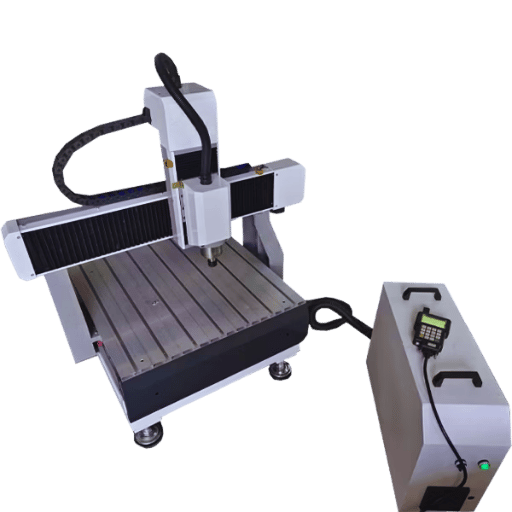
Precision manufacturing devices, known as desktop CNC machines, are portable tools for the small workstation. High accuracy permitting operations such as cutting, engraving, and shaping materials like wood, plastic, metals, and composites makes these machines suitable for use in activities such as prototyping, small-scale production, and projects of enthusiasts. These devices are affordable, yet they possess functionalities that may be appreciated by Designers, Engineers, or Creators who wish to put their creations on the computer into the real world.
What is a Desktop CNC Machine?
A CNC machine made for use on a desk is a miniaturized variant of a tool for cutting, engraving, and shaping wood, plastic, metal, composite materials, etc., using a computer. CNC (computer numerical control) machines allow the user to produce intricate parts and designs by following certain programmed steps accurately. As opposed to the big CNC machines found in industries, smaller, cost-efficient, and easier-to-operate desktop CNC machines are available for low-volume, sample, or hobby manufacturing.
Key Differences: Desktop vs Traditional CNC Equipment
Metal Fabrication with CNC Technology
In metal fabrication, CNC technology means the creation of metal parts using a computer-controlled machine in order to cut, bend and shape the parts into highly accurate components. Industries such as aerospace, automotive, and manufacturing employ this technology because it produces extremely repeatable parts. Using digital manufacturing machines, the majority of processes such as machining, turning or even threading can be made without the presence of a human being to increase the level of tolerance and recovery of the process.
Key Features of Desktop CNC Mills
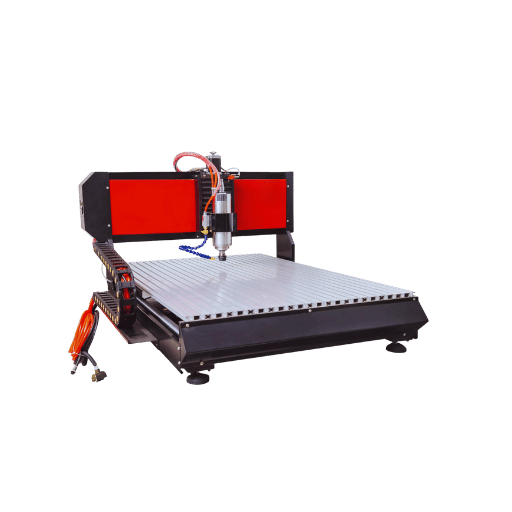
Precision and Accuracy in Metal Milling
- High Accuracy: Owing to superior mechanical designs, desktop machines can help achieve quite surprising levels of accuracy – often within microns, aiding in the production of all design parameters and eliminating deviation to the barest minimum.
- High Quality Repetitiveness: One virtue of such machines is that the levels of uniformity over the course of several machines are quite impressive, as all components are similar, no matter the number of pieces produced.
Understanding the Spindle and Tool Setup
The spindle of a desktop CNC milling machine is the main axis that holds and rotates the tool at a variety of speeds, allowing material to be machined efficiently. For this reason, the correct and precise installation of the tools is necessary. This includes proper positioning of the tools within the spindle using collet and tool holding accessories, fitting them correctly, and selecting the right tool for the specific material to be machined.
4-Axis vs. 3-Axis Desktop CNC Machines
Benefits of Using Desktop CNC Machines for Metalworking
💰 Cost-Effectiveness
The evident solution in desktop CNC machines for metal shall present both hobbyists and trained specialists with a means of tools, which are very functional and affordable. With these machines, one does not require huge capital investments, unlike those associated with industrial-level CNC machining, and such machines can be owned even by individuals and small businesses.
📏 Size Constraints
There exist both mini desktop mills, which are basically compact in nature, indicating that they consume less space. Such features make them an appropriate choice for even small workshops, home-based studios, or offices where space is a limiting factor, without having to worry about their performance. The advantage of this portable and lightweight design is good for rearranging when the furniture needs to be changed.
⚡ High-Speed Cutting
This is why the high-speed machines have a great deal of precision with little effort. High Speed Machining (HSM) is a specialized technique to improve the manufacturing process of machining parts; as such, it seeks to augment the performance in cutting actions by appropriate selection of cutting parameters and changes in motors.
Applications of Desktop CNC Machines in Metal Fabrication
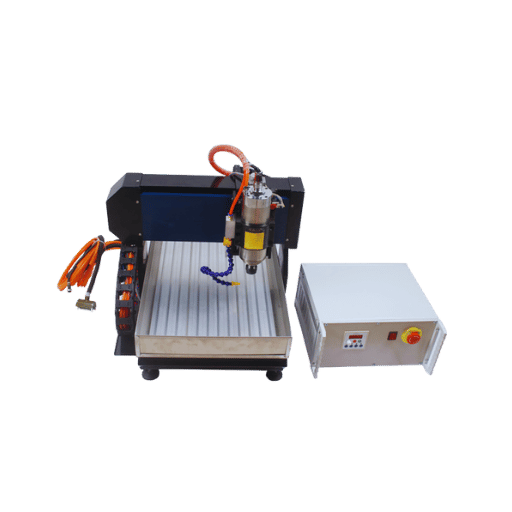
Common Uses in the Metalworking Industry
- Engraving and Cutting with Precision: A desktop cnc machine for metal surfaces is a good choice for those cutting and engraving metal with a very high accuracy.
- Building Models or Prototypes: These systems enable very fast prototyping of even the most complex elements, allowing engineers and designers to improve their designs.
- Manufacturing Microsized Elements: In particular, the devices are used to produce smaller sophisticated components in the aerospace, automotive, electronics or other industries.
- Drill and Thread: Accurate and highly controlled drilling and tapping installations is a job done most easily through desktop cnc machines.
- Bespoke Orders: Such devices are often used for the purpose of tailoring or unique production of metal products such as name tags, ornaments, or specialty instruments.
Prototyping and Production Opportunities
Efficient Manufacturing of Models for Evaluation and Improvement of Designs
Suited for Small quantity production with assured quality
Parts are made as needed, hence providing cost effective storage solutions
Practical Experiences Incorporated into the Learning Process with Technical Training
Engraving and Customization Options
If precision is of any importance in engraving and doing customized works, then desktop CNC machines are worth considering, as they can work on any material, ranging from wood to metals to plastics and even composites. Consistent accuracy allows for the making of very detailed patterns, logos and even labels which are customized.
Choosing the Right Desktop CNC Machine
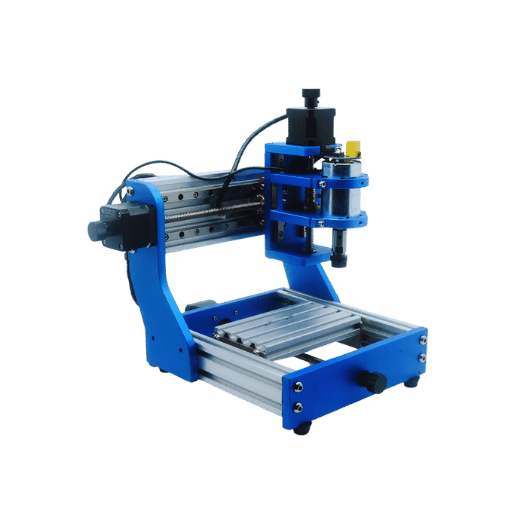
✅ Factors to Consider When Purchasing
- 🔧 Material Stability: Make sure that the CNC satisfies the materials intended to be used in the machining process, whether it is wood, plastic, metal or composites.
- 📐 Work Zone Dimensions: Check the internal workspace of the machine against the size of your projects if it will be able to handle them.
- 🎯 Detailing Also Accuracy: Be sure to consider machines that have sharp detailing capabilities so precision will not be compromised.
- 💻 Program Compliance: Check that it runs without problems on easy-to-use well established design software products.
- 🏗️ Build Quality: Look at the construction materials used, or the strength of the device to make sure that it does not easily break after a short period of time.
⭐ Reviews of Popular Models: 4040 Pro CNC
The 4040 Pro CNC is a very popular desktop cnc machine for metal and it is quite easy to use, yet has high performance due to its design. It has the following principal properties: it is designed for stability with an aluminum frame, cuts with high precision since the same movement can be repeated, and functions well with different materials, including wood, acrylic, and soft metals. It is also often praised by those who use it as very easy to install and to work with the design programs they use, which makes it much more efficient.
🔧 Upgrading Components: Tools and Accessories
If you are converting your old desktop cnc machine for metal, make sure to invest in new and relevant parts that will increase the overall performance, especially the accuracy of cuts and the durability of the machine. Numerous accessory upgrades are available for this machine, including better end mills, which can withstand cutting for longer periods, newer spoilboards, and dust hoods, all of which are aimed towards minimizing waste. A better machine design can also incorporate a more durable spindle for effective and efficient material cutting.
Maintenance Tips for Desktop CNC Machines
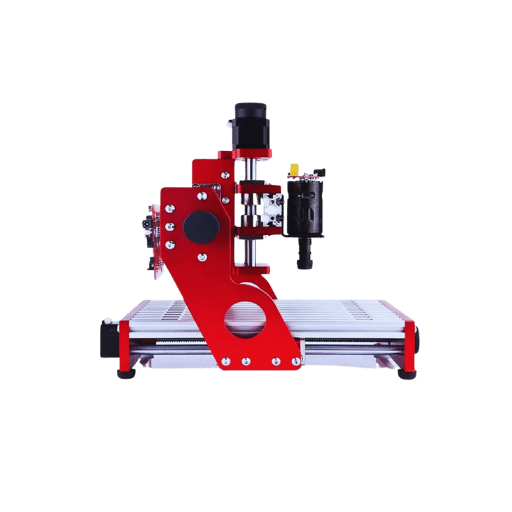
🔄 Regular Maintenance Practices
- Keep the Machine Clean After Use: Always dispose of dust, debris, and residue on all the parts to avoid any accumulation that might affect performance.
- Look Over and Tighten up Hardware: Ensure that each time, no screws, bolts, or other hardware are hanging and in good condition.
- Grease Moving Parts: Suitable lubricants as instructed by manufacturer use in the linear rails and lead screws and other moving parts need to be lubricated.
- Examine Electrical Connections: Check the wiring and other connections for any tears and wear.
- Adjustment of the Machine: Once in a while, do adjustments of the machine’s axes and cutting utensils in order to own precision.
⚠️ Common Issues and Troubleshooting
Unaligned Axis
Indicators are offcuts or changes in the finished size. Realign all axes and check if the machine is calibrated.
Too Much Vibration
Examine all the mounting bolts for any signs of loosening, as well as the position of the machine.
Overheating Components
Make sure that an adequate amount of air is available and look for any parts of the cooling system that are blocked or need repair.
Software Issues
Check out the error logs, update the program where necessary, and examine the versions of both hardware and software to the latest configurations.
💻 Importance of Keeping Software Updated
Up-to-date software is important in the maintenance of system performance, effectiveness, efficiency, and safety. This is because updates often have essential patches, which address security vulnerabilities in the system, thereby shielding the system from their evolution. Therefore, there is a possibility of functional improvement, new applicable items, or at times the correction of known defects which may have interfered with the operations. When available updates are checked and implemented on a regular basis, then this guarantees that the systems will work efficiently and that there will be no new threats that would affect them.
Emerging Trends in Desktop CNC Technology
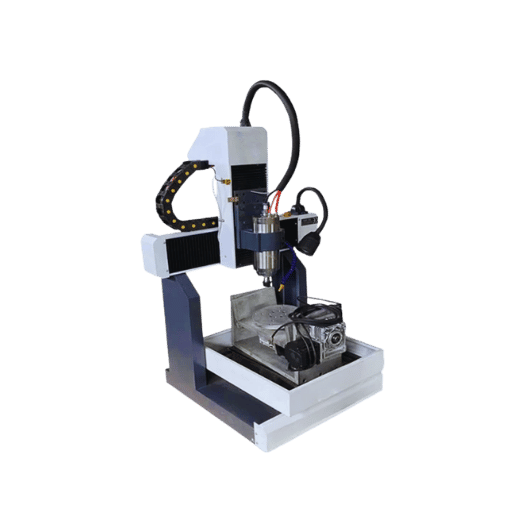
🚀 Innovations in CNC Milling Machines
While CNC milling machines always undergo changes in tool optimization, updated versions of such machines improve tool usage more compared to the previous versions. Predicting tool wear through artificial intelligence and machine learning enables the machining processes to be optimized. Multi-axis option in the desktop cnc machine for metal is available for new models of lathes as well, which results in more intricate designs or closure of the time gaps of production. The use of IoT-based data capture and reporting systems in their monitoring response greatly enhances the performance and utilization of machines.
🤖 The Rise of Automation and Smart Features
The CNC milling automation, along with some smart features, is redefining productivity and precision in manufacturing. With automation, fewer materials are handled by humans, nearly eliminating human error in processing and thereby ensuring the highest consistency in quality-level output. The smart features being implemented may entail machine learning-based adjustments or IoT-based monitoring systems, among others, to optimize performance in real time and carry out predictive maintenance. These levels of flexibility and adaptability increase productivity and, at the same time, reduce downtime, able to ensure productive operations hence relatively cutting down on manufacturing costs.
🔮 Future Prospects for Desktop CNC in Metal Fabrication
The accessibility, precision, and versatility that desktop CNC machines promise make them good candidates to take center stage in metal fabrication in the coming days. These machines, small enough to fit in a room, are excellent for small-scale production, prototyping, and teaching purposes. Improvements in software result in ease of use, speeding programming time, and customization. With newer materials and tooling built into these machines, businesses can have further capabilities beyond what big-scale industrial machinery offers, at affordable prices.


