


Many sectors, including aviation and even making edibles, rely on precise machining of 304 stainless steel. They do so for good reason. It is one of the most robust materials, highly resistant to corrosion and very versatile. Despite these advantages, it also presents peculiar difficulties that can only be overcome with precision and more planning. The following is an in-depth view of machining 304 stainless steel, including its properties and limitations during the process. It does not matter if you are an experienced machine operator or someone aiming to grow your business, this article will help you to craft and work with 304 stainless steel efficiently.
Understanding 304 Stainless Steel
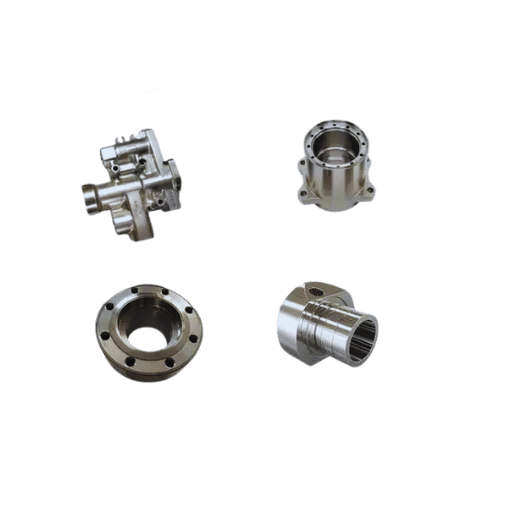
The most commonly used grade of stainless steel today is type 304. Its most appreciated mechanical property is its resistance to attack from corrosive substances. It is characterized by mechanical properties as well as fabrication. In a nutshell, 18 percent to 8 percent is the formula of chromium to nickel in its chemical composition, the balance being iron. The key elements, chromium and nickel, are added to the steel to improve the corrosion properties of the steel. This steel, which is popular in food processing equipment, constructions, and medical devices, is primarily because of its hygienic features and relative ease in cleaning and maintaining, is of 304 grade. Because of its chemical structure, it can be manufactured into a series of forms that range from utensils to equipment used in agriculture and other industries.
Composition and Properties
The major constituents of the 304 stainless steel include the following:
- Iron (Fe): This forms the largest proportion of the alloy and largely responsible for the structural stability and the strength of the alloy.
- Chromium (Cr): Commonly ranges around 18% and protects against rust by forming a surface film of a passive oxide.
- Nickel (Ni): Constitutes about 8% of the alloy and enhances toughness and ductility, as well as oxidative degradation.
- Manganese (Mn): Helps in removing oxygen from the melted material and adds strength and hardness to the alloy.
- Silicon (Si): It occurs in small amounts but helps in increasing the hardness as well as corrosion resistance of the steel, besides preventing brittleness during working.
- Carbon (C): It is present in trace amounts but is useful in increasing the firmness, though overuse in oscal stainless steels would reduce corrosion resistance.
- Phosphorus (P) and Sulfur (S): Minor constituents that are restricted from exceeding desirable concentrations to maintain the mechanical standards of the material.
Properties of 304 Stainless Steel
- Resistance to Corrosion: It offers a very high resistance to a possible attack from natural, mild and or high moisture environments including these chemical environments.
- Strength and Durability: The material possesses good tensional properties, making it easy to carry out most wearing activities without strain.
- Self-Cleaning: Food-grade and hygiene medical stainless steel applications have a smooth surface, which allows high-level cleaning practices.
- Temperature Resistance: Mechanical properties remain intact both at very low and very high temperatures, thus referred to as very versatile for various industries where austenitic stainless steel finds application.
- Fabrication and Welding: It is easy to chrome, forge and machine the stainless steel making it easier for certain complexities in the fabrication process.
Comparison with 316 Stainless Steel
Being rich in molybdenum, this steel is said 316 stainless steel which will offer better corrosion protection against marine and chemical environments, whereas 304 is comparatively inexpensive and could meet diverse general-purpose requirements.
Applications of 304 Stainless Steel
- Cuisine and Hospitality Division: Employed in the manufacture of kitchen appliances and utensils, including sinks, counters and kitchenware, on account of its ability to perform under sanitary conditions.
- Transport and Automotive Field: Likely to be employed for the exhaust systems, trim and structural components due to its design structure against corrosion and longevity.
- Building and Designing Sector: Construction materials can also include stainless steels in architectural cladding, roofs or in making railings owing to environmental challenges and aesthetics.
- Healthcare and Pharmaceutical Department: Highly suitable for surgical equipment, health care apparatus and clean rooms because it is a sterilizable material.
- Chemical Industry: Can be used in tanks, pipelines and equipments that handle corrosive materials as a result of its chemical resistant capability.
Machinability of 304 Stainless Steel

Defining Machinability
The term machinability means how smooth or rough the operation of cutting or making shapes out of a particular material will be, utilizing different processes like milling, turning, and drilling, among others. It gauges how hard or soft the material is, whether it requires cutting or engraving, and what about heat conduction and finish. Machining characteristics of a material should enable proper cost-effective production that will cause no or very little damage to the tooling and will have an appropriate quality level of the material or product being manufactured, as this is very important for industrial reasons.
Factors Affecting Machinability
- Material Hardness: Harder materials provide a challenge to machining, especially because of the tool wear and cutting forces that are a necessity in such areas.
- Tensile Strength: Materials that possess high tensile strength require more power for machining and might cause tool deflection or even breakage.
- Thermal Conductivity: Materials lacking thermal conductivity create a heat island that the tool remains incapable of sustaining thereby leading to poor qualities of the final machined surface as well as poor outcomes.
- Tooling: The utilization of any type of cutting tool whether the material or the shape or the coating used is vital in determining the ease or difficulty in machining in terms of cutting and tool life span.
- Surface Finish Requirements: Elevated surface finish requirements may require additional machining processes and therefore decrease the machinability and time for processes.
Challenges When Machining 304 Stainless Steel
- Work Hardening: Due to the nature of 304 stainless steel, it may quickly become work hardened during any machining operation involving this material. This would come with a corresponding rise in the machined tool forces as well as reduced tool life, if no precautionary processes are applied.
- Tool Wear: Because of the material’s resilience and the heat most of the tools generate on the cutting surface, the tools tend to wear off very quickly, whereby the tools require quick changes or specialized tools are used.
- Built Up Edge Formation: The tendency of the material to stick to the cutting tool presents a another challenge which is the built up edge formation which tends to alter the surface finish and dimensional precision and poses a challenge when machining 304 stainless steel.
Tips for Machining 304 Stainless Steel

Optimal Cutting Tools and Techniques
- Expectations for toolmanship roughness: Chip removal tools need to be made from either carbide or high-speed steel (HSS), having a sturdy coating, preferably TiAlN, that will help in coping with the heat and wear associated with the machine’s usage.
- Surface speed of cutting: Cut at moderate speeds; not too fast and not too slow for the sake of productivity versus tool’s lifespan, normally within a range of 100 – 300 surface feet per minute (SFM) based on the tool and machine’s capabilities.
- Rate of Feeding: Controlled feed parameters are used to promote chip generation without damage to the tool or product.
- Use of coolants: Therefore, generous amounts of cutting fluids must be supplied to control heat, assist in chip removal and protect the machine and work from cutting wear.
- Chip Control: Choosing a tool with chip control geometry that is specifically designed will help chip of the machined material to be produced and remove easily.
With these, cuts involving machining 304 stainless steel could easily be achieved and all precision and tool functions managed.
Speed and Feed Recommendations
When machining 304 stainless steel, the right speed and feed rate apply to machine and finish parts accurately. In such cases, some of these issues are imperative to think about:
- Speed and Cutting: As high as two hundred to four hundred surfacing can be used again but it is dependent on the material of the cutting tool and surface treatment.
- Feeding: Table scavenger ranges between 0.002-0.006 inch per tooth (IPT) for milling and 0.004-0.012 inch per revolution (IPR) for turning based on the tool diameter and its corresponding cutting conditions.
- Tools: Because carbides are stable at high speeds, they are preferable. However, if HSS is used instead, the speed should decrease by at least twenty five percent and not more than thirty percent.
Remark: Values are not unchanged and they may be varied due to an auxiliary aspect, e.g. the particular maker’s recommendations, and peculiar features of machine work. Likewise, look at the extent of tool wear and surface and fine tune as appropriate.
Cooling and Lubrication Strategies
Cooling and lubrication are necessary to keep the tool from being worn out, achieve good finishing, and, most importantly, prevent thermal damage during machining. Here are a few suggested ways:
- Flood Cooling: This system with high volumes of coolant transports heat away from high-speed work. Somewhat, coolant must be spread evenly at the cutting zone.
- Minimum Quantity Lubrication (MQL): Used where there is a desire to reduce the quantity of coolant used, using MQL involves a fine spray consisting of trace quantities of lubricant and air, producing enough lubricating action to reduce friction, while being environmentally and cost-friendly.
- Dry Machining: It is to be used only when machining a material or undergoing an operation in which very little heat is generated, because this procedure is performed with no coolants and thus may increase tool wear if not properly observed.
- Coolant Selection: Choose water-based emulsions or oil-based coolants depending upon the material being machined and cutting conditions. In any case, coolant should be used as recommended by the manufacturer for optimum performance.
Important: In order to ensure the gigantic levels of performance under a clean environment and to prevent any machining inefficiencies for stainless steel because of contamination, regular cleaning and maintenance of the coolant system should be carried out.
CNC Machining of 304 Stainless Steel

Setup and Tooling Considerations
The majority of performance-enhancing features while machining 304 stainless steel are due to the following factors:
- Tooling and fixtures: Carbide or HSS tools with coatings like those of TiN or TiAlN are required to resist the heat produced during operation and prolong the tool’s course of work. Work hardening has to be mitigated by using sharp tools.
- Feeds and Speeds: Use moderate speeds and feed, and more increasingly, sustained cutting stability without heaving or heating. Check the relevant parameters always provided by the tool manufacturers.
- Securing of the workpiece: It is important to bolt or clamp the material in place so as to avoid vibrations or displacements during the machining process, thereby rendering the work very accurate and smooth.
- Coolant Application: Ensure there is continuous application of cooling to prevent warping from heat, tools from short life span and precision machining.
Programming Best Practices for CNC Machines
- Clear and Logical Code Structure: The program should follow a logical sequence to minimize errors during machining. Use clear labels and comments to describe critical steps in the code.
- Optimize Toolpaths: Unnecessary movements of the machine tool should be avoided with efficient toolpaths, and Machining time and tool wear should be minimized.
- Verify Program Accuracy: The program should be tested on simulation software before actual running on the machine. This enables any potential collisions or errors in the code to be discovered at an early stage.
- Set Safe Start Points: Make clear points of start and transition for safe movement from one operation to the next.
- Use Conservative Initial Parameters: Using conservative parameters in speed and feed during the initial run of the program helps better decide changes for efficiency and precision.
- Backup Programs Regularly: All programs must have a recorded backup in case of any loss and to protect from the sudden occurrence of any untoward incident.
If the operators respect these, they could greatly enhance the reliability of CNC machines, reduce the downtime of CNC systems, and have machining with finer quality.
Quality Control in CNC Machining
Quality control ensures that CNC-machined parts fall within specified tolerances, dimensions, and industry standards. The main steps include regular calibration of machines, inspection of components using instruments such as calipers or coordinate measuring machines (CMM), and monitoring of machining processes to catch any deviations or errors early. The proper documentation and enforcement of standard processes form the foundations for quality assurance. A manufacturer produces quality components in compliance with these stated procedures while keeping customers satisfied.
Innovative Techniques for Improved Machining
Advanced Tool Materials
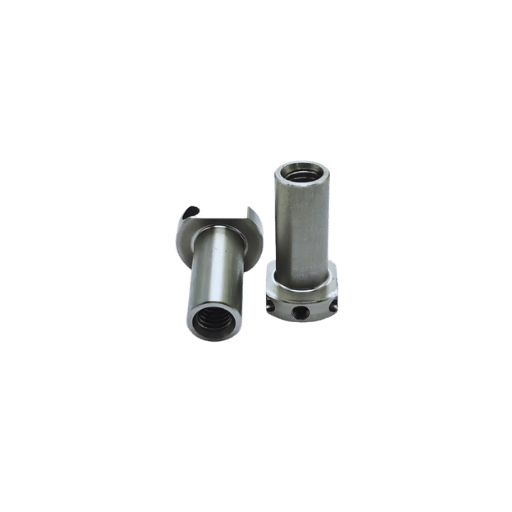
The tool materials at the advanced level are very important in modern machining due to heightened hardness, wear resistance, and temperature stability. Such advanced materials commonly include polycrystalline diamond (PCD) and cubic boron nitride (CBN), perfect for cutting super abrasive materials and administration of fine finishes. They further include coated carbide tools with titanium nitride (TiN) or aluminum oxide (Al₂O₃) layers that provide enamelosity to wear and heat resistance and, therefore, one-step extended tool life. With the faster cutting speeds that tool materials at this level allow and fewer instances of tool replacement, productivity is indeed enhanced, thus the very need to exist in high-performance manufacturing environments.
Utilizing Additive Manufacturing with Machining
With complex geometries being difficult or impossible to produce through conventional subtractive processes, additive manufacturing offers its complementary services to the machining trade. When combined, additives may provide building near-net-shape components with increased savings on materials and fewer machining requirements. This hybrid type of manufacturing is more efficient and produces lightweight and custom-designed parts with excellent performance. In essence, the hybrid method builds on the credits of both production methods to provide greater production precision and hence reduce the cost per item.
Emerging Trends in Machining Technology
Emerging machining trends focus on automation, precision, and sustainability. That is, machining comes to stainless manufacturing processes under the remedy of being made out of increased efficiency and consistency by integrating advanced robotics and AI. Also, multi-axis CNC machines and monitoring-based real-time steps help increase precision and reduce errors. On the other hand, sustainability has become another very highly regarded topic, as ever-so many manufacturers exploring energy-saving machinery and cutting fluids with least environmental impact and high-performance efficiency. Thus, these follow-up enhancements define the momentum of machining whereby productivity is subject to rise with the demand of greener solutions.
Comparing Machining 304 and 316 Stainless Steel

Machinability Differences
- Material Composition: Unlike 304, 316 stainless steel has more molybdenum content of about 2-3% which is not the case in 304 stainless steel. This improves its corrosion resistance capability; however, this addition does not come at a small cost – machinability.
- Hardness and Work Hardening: In general, work hardening 316 stainless steel occurs much faster than work hardening 304 stainless steel during machining. Hence, for machining stainless steels and especially during operations involving cutting, correct cutting tools and consequently reduced cutting speeds need to be employed so as to prevent rapid wear of the tools.
- Thermal Conductivity: In terms of heat dispersal during machining, 304 Stainless Steel has the slight advantage over 316 due to its slightly superior thermal conductivity.
- Cutting Tool Wear: There is increased toughness and more molybdenum in 316 stainless steel making it even more wear and tear of the cutting tools compared with 304 tools hence the need for increased usage of tool repair or replacement.
- Surface Finish: The material properties of the 304 alloy provide ease of machining that helps in achieving a good surface finish more than that which can be expected of the 316 alloy and in some cases it can be required to accommodate additional procedures or changes in the machining strategy to enhance particular surface quality .
- Machining Speeds and Feeds: The machining heat has to be controlled when machining 316 or else the tolerances may not be achieved and therefore the speeds and the feeds required have to be less, however, there is slight leeway when machining 304 stainless steel .
- Coolant and Lubrication: Correct cutting liquids are very important in both cases, the state 316 has the need for more serious cooling mechanisms to dissipate the higher cut temperature in this condition.
Cost Considerations and Material Selection
Economics, material selection theory with respect to machining 304 stainless steel, as well as 316 stainless steel has quite a few factors to consider before deciding for use, for instance resistance to corrosion, the level of workability, cost, what’s more – performance based restrictions.
Impact on Machined Parts Quality
Selecting the appropriate grade – 304 or 316 has direct bearing on the finish and dimensional accuracy of the machined component. For example, components manufactured using indigenous grade 304 stainless steel have good surface finish with the advantage of maintaining the dimension within tolerance level with appropriate cutting conditions. Consider 316 stainless steel, containing molybdenum, which offers corrosion resistance. This is in particular used in manufacturing equipment working in aggressive conditions, although it also presents slight issues in the process of machining. Types and processes for machining 304 stainless steel and 316 stainless steel grades differ slightly based on the different properties of the materials.
Frequently Asked Questions (FAQs)
Reference Sources
1. Sustainable Hard Machining of AISI 304 Stainless Steel
Machining problems in stainless steels with carbide cutting tools are discussed in this research.
2. Analysis of Surface Integrity in Machining of AISI 304 Stainless Steel
The study investigates the effects of a series of cooling and cutting conditions on surface integrity during machining.
3. Electrochemical Machining Deep Through Holes in 304 Stainless Steel
The study evaluates the efficacy of electrochemical machining for making deep holes contrasted with conventional procedures.
Additional Resources:


