


Alloy Steel Machined Parts: Innovations in CNC and Precision Machining
The technological development is positively affecting the manufacturing sector involving materials development such as the 8620 steel, among other alloys, and machining. Among the most indispensable factors in high quality engineering of machined components for various industries is the alloy steel that is not only strong but also very tough and easy to work with. This is a guide on recent advances and developments in the fields of CNC (Computer Numerical Control) in the fields of titanium and steel CNC parts that bring about a turnaround in the process of making alloy steel machined parts.
Introduction to Alloy Steel Machined Parts
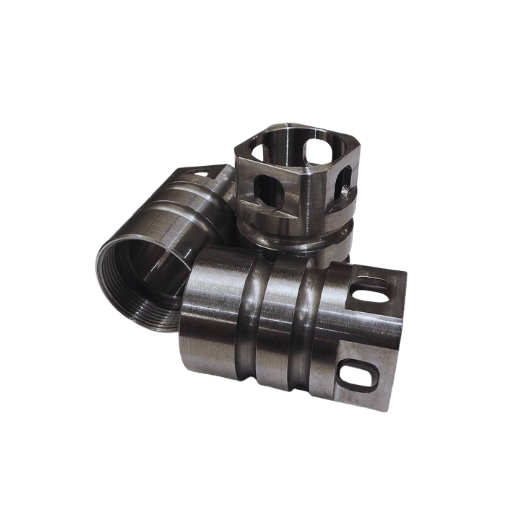
Alloy steel machined parts are fittings made of alloy steel, which is a modified form of steel; it has other elements such as chromium, nickel, or molybdenum that helps in augmenting focused features of steel such as strength, hardness, wear resistance, or corrosion inhibition. Such parts are in wide use in most major industries due to good durability against adverse conditions, such as automotive, aerospace, and some construction industries, including titanium and steel alloy 8620 structures.
What is Alloy Steel?
Alloy steel represents a category of steel with an expanded array of elements like chromium, nickels or molybdenum and vanadium to boost the steel’s general mechanical attributes and performance. Additional elements help enhance strength and hardness, along with resisting corrosion as well as wear in the alloy steel, which makes it possible for them to be used in heavy-duty purposes. The combination of alloying elements and their concentration varies with the type of steel used, as it is adopted for a particular purpose among industries.
What Are Machined Parts?
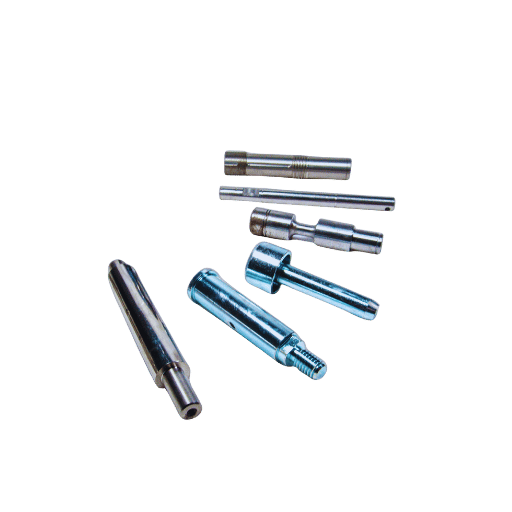
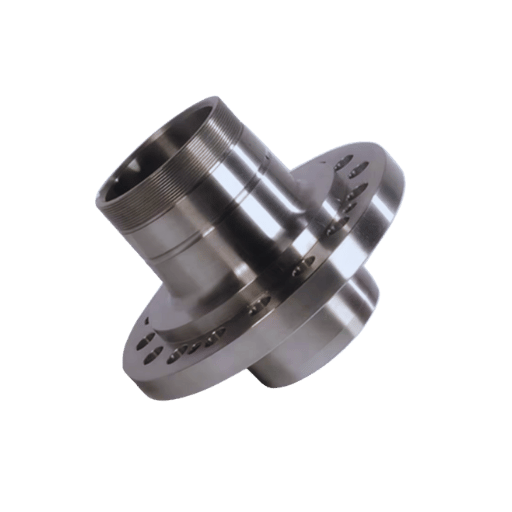
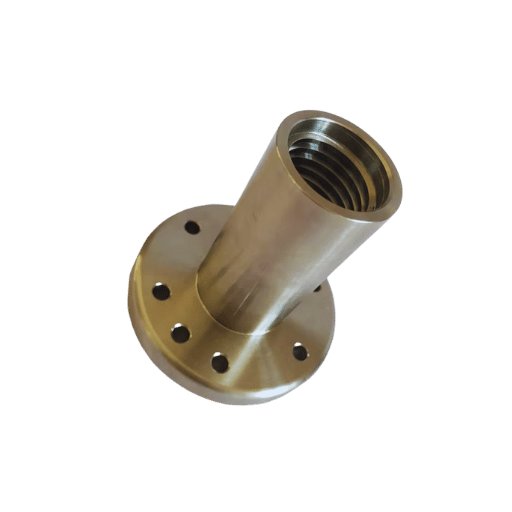
CNC metal components, for example, are parts made by means of subtractive manufacturing processes with very stringent restrictions regarding dimensions, shapes, and surface textures. Such components are manufactured using processes such as cutting, drilling, milling, and turning as a way of making them conform to the set design specifications. Such a technique highly accurate and allows for very tight tolerances, which is ideal in sectors like manufacture of airplanes, cars and other industries that require perfection.
Why Choose Alloy Steel?
Enhanced Strength and Durability
In alloy steel, enhanced mechanical properties are installed for more strength and toughness, in comparison to plain steel. It fits into applications that demand extra stress performance.
Improved Corrosion Resistance
Depending on the composition, certain alloy steels have chromium and nickel in their constitution to make them highly resistant to corrosion and suitable for harsh environments or moisture and chemical exposure.
Wide Range of Uses
Thanks to different grades and variations available, an alloy steel can be manufactured and engineered to fit the requirements for a variety of industries such as automotive, construction, energy generation, and machinery manufacture when combined with carbon steel.
Extreme Conditions Performance
In extreme temperatures and pressure while in use, it performs excellently, maintaining its integrity and being reliable throughout the operational state.
Cost-Effectiveness
In ultimate reality, being more advanced, alloy steel turns out to be very cost-effective because of its durability, reduced maintenance costs, and longer service life. Industrial applications thus get the best value out of it.
Applications of Alloy Steel Machined Parts in Key Industries
🚗 Automotive Industry
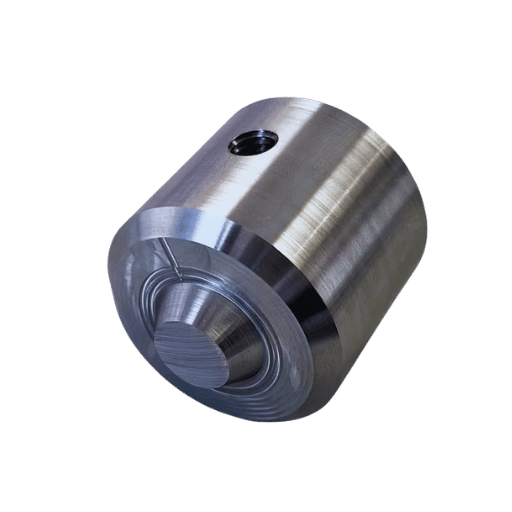
Most automotive industries make use of alloy steel machined parts for their reinforced structure in terms of their strength, durability and applicability. They ensure effective product design while developing components like gears, engine crankshafts and even suspension systems which require longevity and optimization for their function. Most vehicles claime long service and safe usage with the application of this material as it handles excessive pressure and different environments.
✈️ Aerospace Applications
- Aviation Engine Parts: Turbine blades and compressors get extremely hot and stressed, hence alloy steels are employed in their manufacture.
- Gear Parts: The properties of this type of material are best suited for landing gears whose assemblies take high impacts and fatigue loads because of its incredible strength and fatigue resistance.
- Aerospace frameworks: This type of material is also used for the construction of the inner frames of aircraft, fuselage, skeletons and other supporting parts because of its light weight and strength.
- Fixings Troy: The key fixtures for various aerospace applications are precisely machined alloy steel. Alloyed fasteners and bolts can also perform under such extreme environments with great reliability.
- Spaceship Components: The high-strength alloy steel machined parts include rocket nozzles or even structural members found in spacecraft. These sections are there to handle the high stresses and temperatures of outer space.
🏗️ Construction Sector
Thick engineered alloy steel parts are most commonly utilized in structural applications in which high loadings, strength and environmental services are needed. Extreme cases include buildings already developed, bridges amongst other quite large constructions, and in these cases safety and extended durability are sought. All this contributes to the building’s structural system’s resilience and its reduction of repair intervals, which is part sustainable construction.
Advantages of Alloy Steel Over Other Materials
💪 Strength and Durability
- •
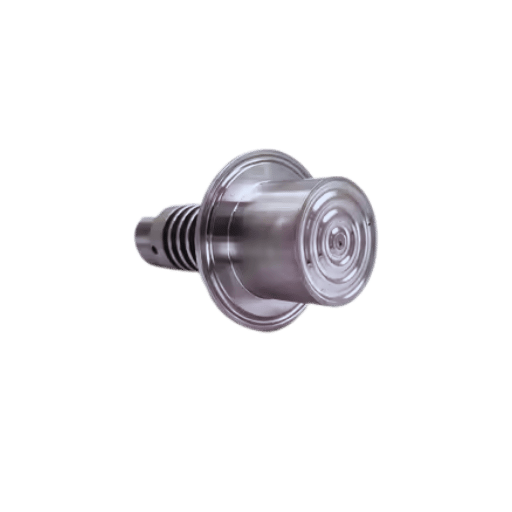
Advance Load Support: Alloy steel machined parts are built to withstand extreme loads without buckling or breaking thus making them perfect for use in structures and other high strength constructions. - •
Wear and Tear Resistant: The structure of this steel allows it to resist forces such as wear and tear, environmental conditions such as, corrosion and high and low temperatures and offer a reasonable period of existence.
🛡️ Resistance to Corrosion
- •
Corrosion Resistance: Alloy steels, including stainless steels, contain alloying elements, such as chromium and nickel, which form an oxide film on their surface and corrosion is prevented; theoy steels do not rust. - •
Resists Aggressive Environments: Structural steel resists many types of corrosion, that is, water, chemicals, salts, et, and hence finds applications in the industries for construction and offshore applications. - •
Low Maintenance Needs: The native anti-corrosive properties of titanium also eliminate heavy coats or treatments to make it work, leading to lower upkeep costs for longer periods.
💰 Cost-Effectiveness and Machinability
•
Reduced Lifecycle Costs: Stainless steel is durable and requires fewer maintenance services, which can have a significant impact in terms of cost savings, especially when compared to other materials with weaker durability within the same period of time.
•
Ease of Fabrication: This material allows for handling ease as well as being possible to weld, cut and form into intricate designs with great accuracy. Therefore, alloy steel performs favorably in many industrial applications.
Innovations in Alloy Steel Machining Techniques
🤖 Automation and Robotics in CNC Machining
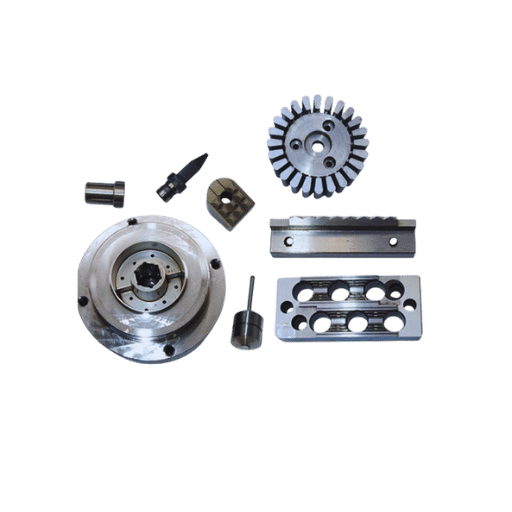
The efficiency and accuracy of CNC machines have been dramatically improved with automation and robotics. Through the use of robotic arms and these equivalents, the manufacturers speed up the work, maintain the same quality and eliminate human factors. These will also include activities such as loading and unloading materials or changing tools thus reducing work stoppages and generally increasing level of processes. Moreover, mechanization facilitates uninterrupted and self-sufficient functioning which boosts output and reduces costs. This helps in making CNC machining cheaper and more efficient to deal with alloy steel machined parts of today’s manufacturing.
🖨️ 3D Printing and Additive Manufacturing
Rapid Prototyping
3D printing allows manufacturers to rapidly develop prototypes for testing and validation. This speeds up the design process, lessens excessive use of materials, and takes only a short duration to make several improvements before the final product is ready to be manufactured in large numbers.
Custom Manufacturing
Extended production time often limits practitioners wishing to take full advantage of this technology. One ideal market for such technology is the medical sector which includes organic materials requiring physical replica whether for commercial purposes or for the purpose of replacing biological materials. The development of titanium’s benefits for economic cost and the advantages of that material’s application are well remembered.
⚙️ Advanced CNC Machining Techniques
Modern CNC produces industrial quality items and offers detailed in-depth processes of manufacturing has been possible thanks to the establishment of these advanced techniques:
5-Axis Machining
This significantly improves production compared to traditional 3-axis machines as it employs the ability to move along 5 axes simultaneously allowing the creation of complex parts in one cycle of the process.
High-Speed Machining
Although it has helped purposes such as aluminum material for alloy steel machined parts it also focuses on increasing productivity without reducing the quality of the machined surfaces by the increase of cutting velocity on machine tools.
Multi-Tasking Machines
These are such machines which extend the capabilities of turning and milling centers to become any production line.
Adaptive Control Systems
This is a system where there is an automatic shift of cutting characteristics to avoid circumstances associated with tool wear and reliability of the machine.
Industry Application: It is almost impossible to perform these practices in the sectors where inspection or measurement is required for the products without the machinery of high tolerance enhancing technologies.
Sustainability in Alloy Steel Machining
♻️ Recycling and Waste Reduction Practices
- Managing chip: Machine chips are closed, removed effectively, and processes are planned, and operations are executed correctly.
- Reduction of Coolant Usage: The use of filtration mechanisms and separation techniques in such a way that all oils used during machining processes can be recycled rather than discarded.
- Appropriate Design: In this strategy, the introduction of the concept of an optimum stock is what aims at resulting in the most effective consumption resources.
- Recycling Alloy Material: The proportion of recycled material especially alloy steel used in the production of manufactured items is recommended for instance alloy steel machined parts.
- Low Consumption Equipment: Acquiring equipment that is designed to reduce the energy needs during, for instance, machining.
🌱 Sustainable Alloys for the Future
Alloys that have been developed for the purposes of sustainability are engineered materials that are expected to address both performance and environmental objectives. As much as possible, these materials take advantage of recycled or sustainably procured raw materials to minimize the exploitation of non-renewable materials. Examples of sustainable alloys are aluminum, magnesium alloys, and stainless steels made from biomass, which are strong and corrosion-free, besides being recyclable. To some extent, even titanium is being utilized in the production of such alloys with minimum energy consumption and maximum extent of recycling, and thus forming part of a circular economy. The materials find more and more application due to industries like automotive, aerospace, and construction with more strict requirements of durability and environmental friendliness.
Practical Guide: Incorporating Alloy Steel Machined Parts into Your Projects
🔧 Choosing the Right Alloy Steel Grade
The choice of the correct grade of alloy steel is very important to the success of the application as well as to its durability. Various alloy steels and key properties associated with these grades are summarized below.
💡 Pro Tip: When choosing a particular grade of steel, the determination should be made on the basis of mechanical and environmental factors that the project is going to have. Knowledge of the performance of these grades with specific loads and temperatures will allow for the best material to be chosen.
🏭 Selecting a Manufacturer for Precision Parts
Prioritise firms with a demonstrated historical trend of quality, dependability and technical capabilities when choosing a company that will manufacture precision components. A very good recommendation is Baetro Machining which is engaged in the production high precision parts manufactured to satisfy stringent demands. Cutting edge technology and expertise coupled with a commitment to customer service make it easy for them to take up such tasks with great precision and efficiency.
⚙️ Design Considerations for Alloy Steel Machining
Material Hardness and Tooling Choice
Alloy steel can have high hardness, thus demanding cutting tools with hardened-tipped materials like carbide or ceramic to avoid tool wear and obtain good work precision.
Heat Treatment and Its Effects
Whatever heat treatment process precedes the machining stage may alter the machinability of the alloy steel. Important to their machinability is the knowledge of the condition of the material, i.e., annealed or hardened, in determining the best cutting parameters.
Cutting Speed and Feed Rate
The correct cutting speed and feed rate must be chosen so to maximize productivity while simultaneously prolonging tool life. High speeds cause overheating whereas low feed rate induces work hardening.
Coolant Application
They use cutting fluids or coolants to keep heat away from the operation, at least to give longer tool life and better surface finish. They need to pick the right coolant, especially for those operations done under high temperatures.
Tolerance and Dimensional Stability
Being the kind of steel that expands on heating, alloy steel commands scrupulous handling of the machining dimensions to very tight tolerances- especially where high precision is of the essence.
The Future of Alloy Steel Machined Parts
🤖 Smart Manufacturing Trends
Smart manufacturing technology advances will play a decisive role in the very future of alloy steel machined parts. Key trends include:
IoT Integration
Sensors of the Internet of Things (IoT) continuously monitor the performance of machines and even material properties for predictive maintenance and reduced downtime.
Automated Systems
Robotics and CNC machines streamline workflows, ensuring that quality remains consistent and human errors cut down.
Real-Time Analytics
Data analytic tools enable manufacturers in optimizing the machining parameters and in turn increase productivity as well as reduce the wastage of materials.
🧪 Advancements in Material Science
Material research in recent years has focused on developing alloys possessing such properties as super strength, corrosion and thermal resistance. High-entropy alloys, for example, contain several principal elements whose combination creates mechanical properties that are exceptional enough to be used in aerospace and nuclear applications. Whereas on another note, progressing nanostructured alloys have increased material toughness and wear resistance with fine-grained structures at the microscopic level. The new developments steer metal engineering toward performance gains in industries of extreme need.
📈 Global Market Trends in Alloy Steel Machining
Steady growth is noted in the alloy steel machining market due to increasing demand stimulated from the automotive industries, aerospace and construction fields. Machining advances like precision cutting and automation are facilitating machining efficiency and reducing costs. There has been strong demand in developing countries courtesy of infrastructure expansion and industrialization. Sustainable manufacturing practices are also driving the market as industries demand environmentally friendly machining processes. This trend will continue, as high-performance materials and cost efficiency take priority in industries.
Frequently Asked Questions (FAQs)
❓ What are alloy steel machined parts?
Components that are fabricated from alloy steel are called alloy steel machined parts. Alloy steel is a type of steel that is an alloy of steel and other elements, including carbon, manganese, and silicon, for the improvement of the mechanical properties of the steel. Such parts can be found in use in various industries such as oil and gas, automobile, aerospace, etc., due to their requisite strength and ability to withstand high levels of abuse.
⚙️ How does alloy steel CNC machining differ from traditional machining?
The distinction between alloy steel CNC machining and traditional machining is that CNC machining takes advantage of computer numerical controls for automation purposes, which allows machining to be done with high precision and in a repetitive manner. Such a method is necessary if, in fact, one needs to manufacture intricate parts and components with high capacity and fine finishing.
🔧 What are the benefits of using alloy steel in CNC turning?
Alloy steels, owing to their excellent properties, find increased usage in CNC turning. The major benefits of employing alloy steel in CNC turning include higher tensile strength, resistance to wear, and characteristic resistance to overwhelming stress conditions. The application of alloy steel is a great achievement in fabricating parts that need to function under harsh environments for prolonged durations, such as in medical instruments or electronic hardware.
🏗️ Why is alloy machining necessary, and what function does the steel 8620 serve?
Alloy of steel 8620 has excellent characteristics typical of low alloy steels, such as high strength and ductility, which is very useful for many different machining tasks. Such material is very popular in very demanding areas, such as gear or shaft construction, that double as components requiring high strength and resistance to fatigue.
🛠️ What kinds of machining services are there for alloy steel parts?
Different machining services for alloy steel parts include CNC operations, turning, milling, and grinding. These optional services produce components with precise specifications to meet the requirements of specific applications in different industries.
The alloy type is highly determinant of properties of machined components, such as their tensile strength , hardness, as well as their corrosion behavior. Thereby, its properties can be improved for such service regions by using alloy steel enhanced with elements such as tungsten or boron.
🎯 How does repeatability impact the CNC process of alloy steel components?
Repeatability plays an important role in the CNC process of alloy steel components since milling machines can ensure each piece has the same quality and dimensions. This is ideal for industries and sectors dealing with, specifically, high-precision steel parts, for example, aerospace/aviation, automotive, etc., where safety and smooth operation are critical.
🛢️ Are alloy steel machined parts applicable to the oil and gas sector?
Certain sectors, like oil and gas, make substantial use of universal steel parts because of the high endurance needs of the equipment. Other sectors involved are in short supply of the same because of valves, fittings, and shafts, which are vital to its daily operational demands.
🏭 In what way is the Cox Manufacturing Company of benefit when it comes to alloy steel machined parts?
Coxa firm boasts expert machining of alloy steel machined parts and other materials. The knowledge of this firm provides precision in the manufacturing of different designs used in sectors such as hardware for electronic assemblies and for medical devices.
Reference Sources
1. Wire Arc Additive Manufacturing of a High-Strength Low-Alloy Steel Part
Authors: S. Kokare et al. (Kokare et al., 2024)
Publication Date: 2024-07-22 (Kokare et al., 2024)
Summary of Key Findings:
- Wire Arc Additive Manufacturing (WAAM) was found to be most environmentally friendly when compared to Computer Numerical Control (CNC) milling and LPBF, mainly due to superior utilization of material and also due to comparatively less energy consumption (Kokare et al., 2024).
- Another report indicates that WAAM is the cheapest alternative for batch production and particularly for batch numbers higher than three (Kokare et al., 2024).
- When WAAM is used for fabricating large products, the environmental, as well as cost benefits, are much pronounced and lead to huge savings in material, emissions, and overall cost (Kokare et al., 2024).
- The mechanical behavior of the WAAM-fabricated high-strength low-alloy steel component was very much comparable with that of casting or forging materials (Kokare et al., 2024).
Methodology:
- A medium-complexity mechanical part was fabricated using WAAM of high-strength low-alloy steel (ER70S) (Kokare et al., 2024).
- Life cycle assessment and life cycle costing methodologies were used to construct environmental impact and cost models using the experimental data (Kokare et al., 2024).
- The result was compared with that of LPBF and traditional CNC milling processes (Kokare et al., 2024).
2. Penn State University-Common Steel Alloys and Typical Uses
- This resource gives detailed information on various steel alloys and their applications, including machinery parts.
- Visit the site
3. Steel
4. Alloy steel
5. Machining
6. Top custom stainless steel parts Manufacturer and Supplier in China


