


The manufacturing sector is witnessing evolution, fuelled by a growing need for accuracy in systems and fast – paced in the development of unique technologies. The Evolution and transformation into technology-driven and custom parts manufacturing has attained a focussed circle which provides custom components and metallic parts which fulfill the custom requirements of industries such woodwork, building construction services, automotive, surgical and electrical among others. This article highlights the developments in the area of focus, touching on, among others, advanced means of production, new material innovations, and adoption of the use of technologies such as CAD and 3D printing.
Introduction to Custom Parts Manufacturing
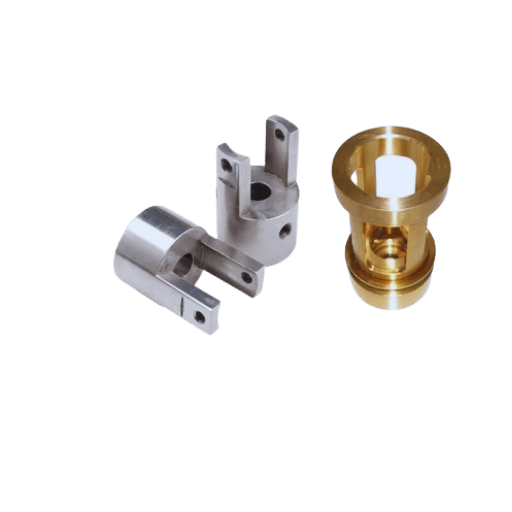
In contrast to the system, where one uses standard parts, custom parts manufacturing is the production of parts to meet certain specifications. This enables organizations to have much more accuracy, optimize performance, and even meet aesthetic and functional needs. Thanks to the modern technologies such as additive manufacturing, computer numeric control milling, and high-performance materials, custom parts manufacturing still allows for flexibility in production without compromising quality or consistency of the goods. It’s also highly useful when it comes to sectors where such solutions are indispensable, for instance, aeronautics, motor vehicles, or medicine, where custom parts are manufactured but only in limited numbers.
Overview of Custom Parts Manufacturing
Unfortunately, custom parts manufacturing has some disadvantages, which make it a bit difficult for some to handle, specifically in certain industries. It facilitates the manufacture of tiny and exact components that generally increase the level of sophistication of the product. This system also improves cost efficiency with minimum waste generated since only what is needed is made. Moreover, the increasing advances in production processes, including the additive and subtractive techniques, hasten prototyping as well as production. This potential encourages innovation and shortens the time to market. Some industries, like the aerospace, automobile, and medical industries, where precision and flexibility are important, will not do without custom parts manufacturing.
Importance of Custom Metal Parts in Various Industries
Industries that necessitate precision, durability, and well-customized solutions rely on custom metal parts in almost all fields. Aerospace relies on these due to the high safety and performance needed in parts such as engines or structures. Automotive seeks custom parts to enhance the vehicle’s performance, reduce weight, as well as fuel consumption. Healthcare also cannot do without custom metal parts that help facilitate the fabrication of hygiene surgical aids, inc, medical instruments, medical implants, etc, with high precision. These components also play an important role in driving and supporting new designs; manufacturers use them even during the development stages, which makes custom parts manufacturing a necessity in the present age.
Emerging Trends in Custom Manufacturing
- Additive Manufacturing (3D Printing):
3D printing has revolutionized the custom parts manufacturing processes by making it possible to produce extremely complex designs economically with an insignificant amount of waste.
- Automation and Robotics:
In order to enhance the efficiency of custom manufacturing processes regarding the issue of human error, production speed, and accuracy, more advanced automation systems and robotic technologies are now being deployed. - Sustainable Manufacturing Practices:
Development of custom manufacturing techniques that employ green materials, responsible use of power in production, and good waste management has become more pronounced. - Mass Customization:
Customizing products in large quantities, enabled by means of flexible methods of manufacturing, is a trend that has brought far-reaching changes in business whose main focus is the clients. - Smart Manufacturing and IoT Integration:
The upsurge in use of connected devices and sophisticated data analytics in manufacturing workflows is boosting the enhancement of quality control, predictive maintenance, and real-time monitoring.
Custom Manufacturing Techniques
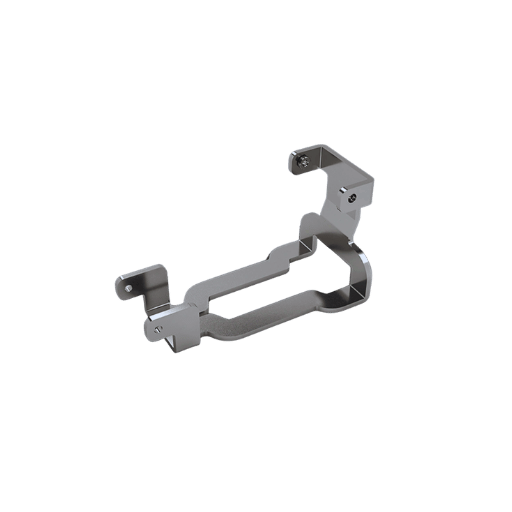
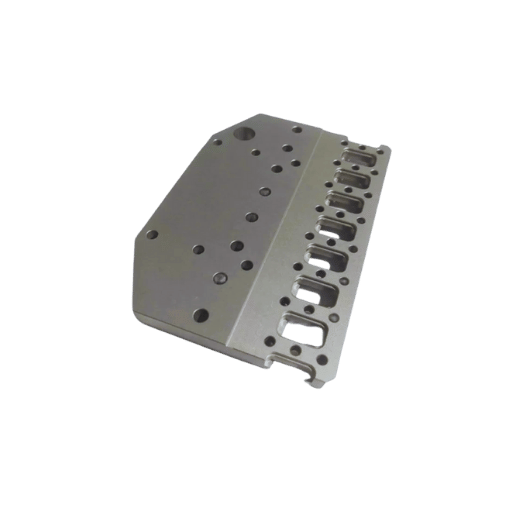
CNC Machining Services for Precision Metal Parts
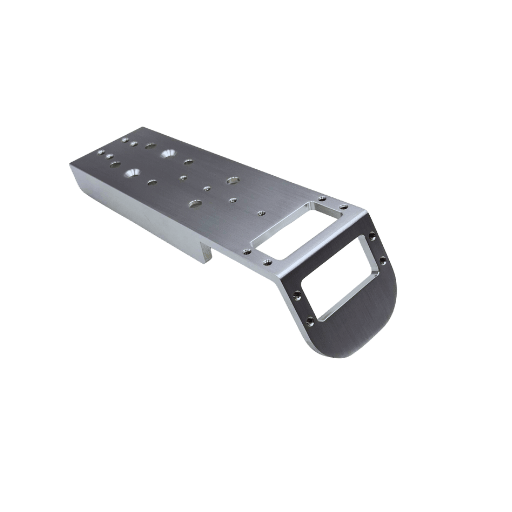
High-precision custom parts manufacturing is carried out by CNC machining technology, which relies on computer-guided machinery to make metal products. This is particularly beneficial for intricate shapes, where reproducibility and accuracy are difficult to achieve with higher volumes of production. There is no limit in terms of what kind of material can be milled on a CNC machine. Aluminum, stainless steel, or titanium have become preferred materials in the engineering field, especially in aerospace, automotive, or medical sectors. CNC machining, a high-precision technology that covers a range of materials, metal or plastic, promises the highest quality and dependability of processing components with very tight tolerances and repeatability.
3D Printing and Additive Manufacturing: A New Frontier
- ✓
Increased Liberty in Designing: 3D printing offers fabricators the ability to build very sophisticated and complicated designs that either cannot be realized or would cost too much using conventional methods of production. As a result of this, it is easy to create light weight structures, designs that have been refined and even custom parts manufacturing for various needs. - ✓
Common Features of Most Values: As opposed to traditional manufacturing, where components are carved out from a solid block, additive manufacturing helps in reducing the overall waste since components are manufactured in a manner where they are built up using layers only with the required amount of material. This is opposed to ergonomic approaches; therefore, 3D printers are much more effective when it comes to managing resources.
Laser Cutting and Sheet Metal Fabrication
- ⚡
Precision and Accuracy: The laser cutting process is renowned for its precision, especially in custom parts manufacturing, thus enabling the formation of complex shapes and sharp edges within the allowable clearances of the sheet metal. - ⚡
Versatility: It is possible to use this technique on Polyethylene sheets, polymer Clay, and a number of other square inflatables, avoiding the impediment of versatility because it can be used on all of them. - ⚡
Efficiency: Speed remains an advantage for the producer because it is easier to maintain uniformity in the output while reducing the production rate. - ⚡
Reduced Material Deformation: Material distortion problems are avoided during laser radiation as the process mostly involves radiating or heating the thin materials from the inside. - ⚡
-
Cost-Effectiveness: By reducing waste and enabling faster processing, laser cutting proves to be a cost-efficient solution for precision manufacturing tasks.
Exploring Custom Components Across a Wide Range of Industries
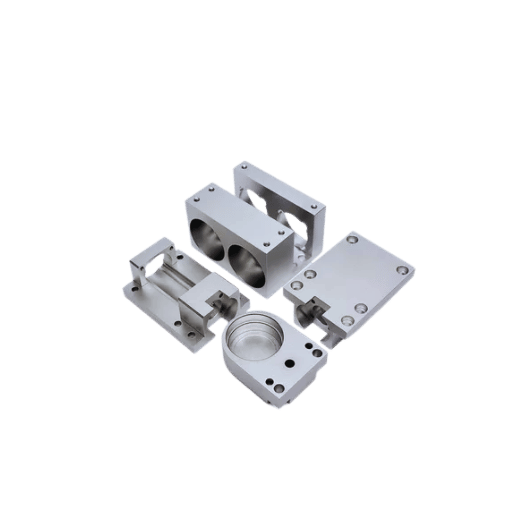
- Aerospace: Custom components must be lightweight yet sturdy, with the highest quality performance and safety standards. This involves precision-machined parts with very complicated geometries for engines, airframes, and avionics systems.
- Automotive: Custom parts in the automobile industry are used for prototyping, performance upgrades, and the fabrication of complex parts like gears, exhaust systems, and special-purpose fittings.
- Healthcare and Medical Devices: Custom components play a vital role in healthcare, such as patient-specific implants and prostheses, or highly exact surgical instruments and diagnostic equipment.
- Electronics: Miniature custom components enable electronics for the manufacturing of highly evolved circuits, connectors, and enclosures in tune with the consumer demand for more and more smaller and efficient devices.
- Energy Sector: Energy industries include customization in the renewable energy area with precision turbine parts for wind energy and special piping for oil and gas applications.
- Consumer Goods: Custom parts start to go into the product ideation design of home appliances, wearables, or luxury goods, so they have to meet the requirements of either appearance or performance.
Increased Longevity
Most custom metal parts serve certain purposes to support different operations, and very often the materials used in fabricating them are of premium quality, which increases the wear and lifespan of the products.
Enhancement of Efficiency
A custom-made part effectively fulfills the application of its intended purpose, thus providing a precision solution and full functionality.
Reduced Costs
It will help in achieving a cost-effective production mechanism as wastage of material and additional fabrication techniques, which are considered to be useful, are minimized by the help of custom parts manufacturing.
Leeway in Designing
It creates an opportunity to incorporate advanced and creative ideas in object making as most industries also have a well-developed niche product line that encourages specialization.
Assurance and Enhancement of Quality
Case Studies: Successful Custom Part Implementations
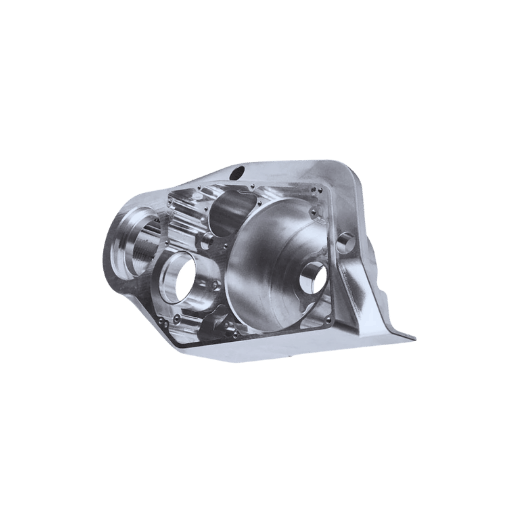
Aerospace and Defense Industry – Light Engine Component Solutions
A premier supplier in the aerospace sector minimized the weight of the engine by 15% by employing adaptive non-standard metal elements in jet engines. This improvement aided in maximum fuel economy and range increase of the aircraft without compensating for other operational specifications.
Automotive Industry – Fine Gear Mechanisms
An automobile manufacturer applied custom refined gear mechanisms specifically for their electric vehicles, which contributed greatly to smoother and more energy-efficient designs. The custom parts manufacturing also addressed issues of wear and tear, which prolonged the life of the vital parts in the machinery in question.
Healthcare Equipment – Bespoke Surgery Tools
Challenges and Solutions in Custom Parts Production
Labor Shortages and Workforce Development Strategies
Labor deficiency in the custom parts manufacturing can be dealt with by a series of actions, including enhancing recruitment efforts, improving managerial skills of the workforce, and introducing automated techniques. Recruitment efforts have to be more direct by discovering talented employees from technical institutions, skill acquisition systems, or particular industry job markets. The managers and their subordinates are equipped with novel management tools, models, and methods through a range of adaptive training sessions in best production practices. Above all, automation of interventions in proper or strenuous functions reduces employee and workforce limitations, but also increases the performance and reliability of the product. Such approaches, as specified earlier, aid in maintaining the workforce within the limits of the production cycle.
Ensuring Quality in Precision Component Manufacturing
In custom parts manufacturing applications, quality is attained through vigorous process control, advanced technology and extensive monitoring. Growing use of standard operating procedures across all production processes ensures uniformity in manufacturing. To reduce such variance in manufacturing practices, high-precision machines with tools that are frequently calibrated are used. Each step of manufacturing, as well as finishing the product, undergoes inspection to pinpoint and eliminate flaws even before the final users can possess the components. Therefore, compliance with each international quality standard, e.g., ISO 9001, assists in securing fulfillment in terms corresponding to component specifications and in the eyes of the consumers.
Cost Management in Custom Manufacturing Processes
Cost management in customized parts manufacturing processes comprises cost control without compromising the quality of the manufactured parts. Key methods include waste elimination through material optimization, enhanced production planning to minimize idle time, and bargaining for favorable prices of raw materials with suppliers. Efficient machinery and automation also bring about cost reduction in operations over a long period of time. Analysis of production data on a regular basis segregates such unproductive practices and aids cost control by intervention without losing the equilibrium between the preset budget and ultimate quality.
Getting Started with Custom Parts Manufacturing
How to Get a Quote for Custom Component Manufacturing
In order to benefit from custom parts manufacturing services, follow these guidelines:
- Outline Your Specifications: Enter information regarding such criteria as sizes, types of used materials, levels of permissible deviations, and any required coating for the component. Attach CAD designs or 3D design files where applicable.
- Choose Manufacturer: Look for any respective manufacturers who can demonstrate a certain level of proficiency when it comes to manufacturing such custom parts. The ability of the firm to maintain stable and smooth operations in cutting services also depends on the rating, credentials, and portfolios.
- Place an RFQ Order: It is time to send your requests to the selected manufacturer and attach all drawing details, quantities, delivery time, etc.
- Check the Quote:When the manufacturer issues a quote, one should check it thoroughly concerning the prices, the period in which the services are to be executed, and their conditions. Order a custom part with the necessary specifications, even if those specifications fall below a normal size.
- Close the Deal: Accept the given quote and go ahead to place an order after both parties have come to an agreement.
Choosing the Right Manufacturing Process for Your Needs
When selecting a manufacturing technique for custom parts manufacturing purposes, it is important to factor in material characteristics, complexity of design, volume, and economics. For example, if a perfect (or nearly perfect) surface and high precision is a must, I am rather keen on CNC machining or injection plastic techniques. Yet, additive manufacturing could be preferable for producing complex shapes in low quantities. By matching the process to my internal requests, I am able to achieve the best results and keep the quality as well as the efficiency in check.
Prototyping and Its Role in Custom Manufacturing
- Design Validation: Through prototyping, manufacturers have the chance to check the design and make adjustments if necessary so that the design fits functional or aesthetic requirements or both before being placed into full production.
- Identification of Design Errors: The creation of prototypes ensures that design errors or manufacturing problems can be set down early in the process, which would have otherwise led to improper and costly mistakes.
- Material Selection: Prototypes may be employed to check materials under consideration for durability, suitability, and cost.
- Market Research: A prototype can be used to see how various stakeholders or potential customers react to its design, usability, and general attractiveness with respect to being marketed.
- Manufacturing Feasibility: A prototype helps in evaluating production workflows and techniques to make sure the methods chosen are practical and suit the targeted production.
Frequently Asked Questions (FAQs)
Q: What is custom parts manufacturing?
A: Custom parts manufacturing is the general process of developing custom parts depending on specifications. Various manufacturing methods can be applied here, including CNC milling, CNC turning, and additive manufacturing. Businesses seek custom manufacturing to satisfy certain design- or performance-related requirements.
Q: What are the benefits of custom manufacturing?
A: The advantages of custom manufacturing include producing a part exactly to specification, better performance from tailored design, and options for small quantities without large-scale production. Depending on design, custom parts may also prove to be environmentally friendly because they avoid waste and save steps in production, especially when using waterjet cutting.
Q: How does CNC machining come into play in producing custom parts?
A: CNC machining custom processes include CNC milling and CNC turning for the creation of intricate designs and complicated geometries with great precision and repeatability in custom part manufacturing; these methods involve computer-controlled machines that create intricate designs and complicated geometries and are usefully used in making crafts for working with various metals.
Q: What role do 3D-printing services play in custom parts manufacturing?
A: The 3D printing service surely has a mighty role in custom-part manufacturing by aiding rapid prototyping and allowing rather complex shapes that are not necessarily easily made by the conventional way. Among others, this additive manufacturing makes the design basically flexible and also diminishes the lead time for custom parts.
Q: What kinds of materials are used in custom part manufacturing?
A: What type of material can custom parts be made from? Custom parts can be made from a variety of materials, including metals, plastics, and composites. Some common materials are aluminum and stainless steel for metal parts; for custom plastic parts, the choice depends on the use and could be any of several plastics.
Q: Can custom parts be manufactured in small quantities?
A: Yes, custom parts are made in small quantities. This suits those corporations that require special parts but do not manufacture them on a larger level. CNC machining and 3D printing are very much suited to low-volume production.
Q: Which process is used to produce metal custom parts by fusing the metal?
A: Sometimes the process of metal 3D printing and wire EDM (Electrical Discharge Machining) are employed to produce custom parts by fusing the metal. These methods can allow for intricate designing and can produce components of high quality for various applications.
Q: What is contract manufacturing for custom parts?
A: Contract manufacturing means giving the job of producing custom parts to a specialized manufacturer. Thus, the owners of these companies use the know-how and state-of-the-art technologies of the contract manufacturers so that they can concentrate on their core business while custom components are produced in high-grade quality for them.
Reference Sources
Machining – Tech Foundry – UC Davis
- https://techfoundry.ucdavis.edu/photo-galleries/machining
- Shows the machining capabilities for working on custom parts that UC Davis offers: milling, turning, and finishing.
Top custom stainless steel parts Manufacturer and Supplier in China


